Musculoskeletal Syndrome of Menopause PDF
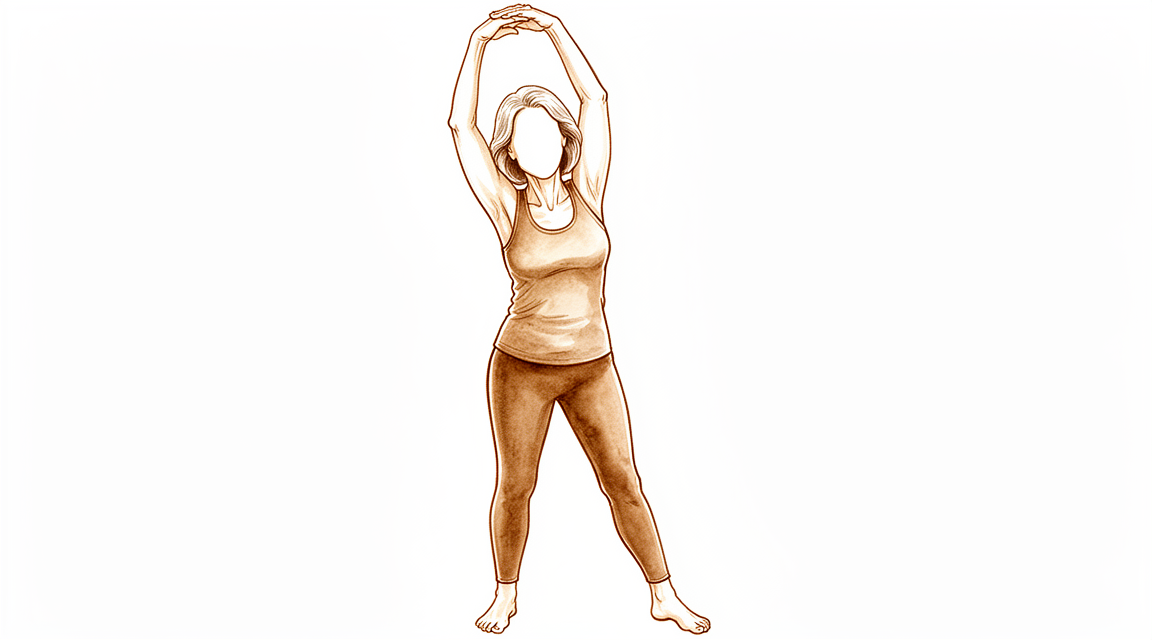
How the menopausal transition and oestrogen withdrawal drive joint, tendon and muscle symptoms — arthralgia, tendinopathy, frozen shoulder, greater trochanteric pain and myalgia — and the evidence on hormone therapy.
What you're feeling
You are likely experiencing joint pain, or arthralgia, more than half of women do around the time of menopause. This pain often increases as your body transitions through menopause. The drop in oestrogen levels is a key driver of this change. You may notice that your muscles feel stiffer. Estrogen and muscle stiffness are negatively related, meaning less estrogen often means tighter, less flexible muscles.
The pain can show up in many places. Low back pain is more common in postmenopausal women than in men of the same age. This is linked to physiological changes from lower sex hormone levels. You might also feel pain in your shoulders. The risk of silent rotator cuff tears increases during this period. These are tears you may not feel until they affect your movement.
Daily tasks can become difficult. Reaching behind your back to fasten a bra may feel awkward. Tucking in a shirt might cause discomfort in your shoulder or back. You may find it harder to lift objects or sleep on your side. Your doctor knows that these changes are real and common. They are not just in your head.
Your symptoms may flare at night or after activity. Waking up with stiffness is also common. While hormone levels fluctuate during your cycle, these changes do not significantly affect knee looseness. However, they can influence how stiff your muscles and tendons feel. This variability can make some days better than others.
It is important to know that you are not alone in this. The prevalence of muscle loss, or sarcopenia, is 31% in postmenopausal women. This loss contributes to the pain and stiffness you feel. While some treatments show promise, the evidence for hormone therapy protecting against joint replacement is limited. Your doctor will focus on managing your specific symptoms and improving your quality of life.
What's actually happening
During the perimenopause, your body undergoes significant hormonal shifts that make you particularly prone to musculoskeletal pain. More than half of women experience joint pain, or arthralgia, around this time. This discomfort often increases as you move through the menopausal transition. The primary driver is a reduction in oestrogen levels. This drop affects not just your joints, but also your muscles and bones.
Your joints rely on smooth cartilage to act as a shock absorber between bone ends. Lower oestrogen levels are linked to the development of knee osteoarthritis, which is wear-and-tear arthritis. In some cases, this combines with osteoporotic osteoarthritis, where the bone beneath the cartilage becomes less dense due to high remodeling. This structural change can lead to stiffness and pain. Low back pain is also more common in postmenopausal women than in men of the same age, driven by these same physiological changes in sex hormones.
Your muscles and tendons are also affected. Muscle stiffness has a negative relationship with estrogen, meaning lower levels lead to tighter, less flexible tissue. In fact, estrogen and muscle properties are closely correlated. This hormonal shift can contribute to sarcopenia, a loss of muscle mass. In one study of postmenopausal women, the prevalence of sarcopenia was 31%. Additionally, the tendons in your shoulder, such as the supraspinatus, contain receptors for estrogen and progesterone. When these hormone levels drop, the tendon fibers may weaken. This increases the risk of asymptomatic full-thickness rotator cuff tears, where the tendon fibers separate completely. These tears are more prevalent in the postmenopausal period and are associated with metabolic disorders.
Your shoulder joint is surrounded by a capsule, which is a sleeve of tissue that holds the joint together. Lower estrogen levels may also increase your odds of developing adhesive capsulitis, or frozen shoulder, where this capsule becomes thick and tight. While hormone replacement therapy may offer some protection against these conditions, the evidence varies. Ultimately, the pain and stiffness you feel are direct results of your body’s changing hormonal landscape affecting the tissues that support your movement.
What we can do about it
Musculoskeletal pain is particularly prevalent during the perimenopausal transition. Arthralgia affects more than half of women around the time of menopause. This rise is linked to reduced estrogen levels. You can start with self-care and physical therapy. Gentle exercise helps maintain mobility and strength. For thumb joint pain, combining proprioceptive neuromuscular facilitation exercises with strength training works better than strength training alone. This approach reduces disability and improves movement. If you have greater trochanteric pain syndrome and a body mass index under 25, combining hormone therapy with any exercise and education is superior to placebo. Give these conservative measures time to work. Consistency is key to seeing results in your daily comfort.
Medical options include pain medication and anti-inflammatories. Hormone therapy is another path, but it has trade-offs. Estrogen and selective estrogen receptor modulators may help postmenopausal patients with early-stage wear-and-tear arthritis or osteoporotic arthritis. However, long-lasting use of systemic menopausal hormone therapy, particularly estrogen-only therapy, is associated with a greater risk of chronic low back pain. Unopposed estrogen shows a protective trend for incident radiological wear-and-tear arthritis of the knee. Yet, there is limited evidence for a protective effect of unopposed estrogen use on the incidence of hip or joint replacement. Estradiol supplementation may lead to better outcomes after rotator cuff repair, though differences in pain and function scores did not meet the minimal clinically important threshold. Discuss these benefits and risks with your doctor to find the right balance for you.
If symptoms remain severe despite these steps, seek specialist input. Your doctor may refer you for a deeper assessment. Imaging can check for issues like asymptomatic full-thickness rotator cuff tears, which are more common in the postmenopausal period. For some specific conditions, a procedure may occasionally be considered if conservative care fails. This decision depends on your individual health profile and the severity of your pain. Your doctor will guide you through the next steps based on what works best for your body and your lifestyle.
What to expect
Musculoskeletal pain is common during the perimenopausal transition. More than half of women experience joint pain (arthralgia) around the time of menopause. This number increases as your estrogen levels drop. You may notice that low back pain is more prevalent in postmenopausal women than in men of the same age. This is linked to lower sex hormone levels after menopause.
Your outlook depends on how you manage these changes. For some conditions, such as early-stage wear-and-tear arthritis, estrogen or specific estrogen-modulating medications may be favorable. These treatments can help if you have reduced bone density. However, long-lasting use of systemic hormone therapy, particularly estrogen-only therapy, is associated with a greater risk of chronic low back pain. There is limited evidence that unopposed estrogen prevents the need for hip or joint replacement. It does show a protective trend for knee arthritis on X-rays.
If you have rotator cuff tears, they are more common in the postmenopausal period and linked to metabolic disorders. Estradiol supplementation may lead to better outcomes after rotator cuff repair, though the difference in pain scores might not feel significant to you. For thumb arthritis, combining specific stretching exercises with strength training is more effective than strength training alone. It reduces disability and improves mobility.
If you have greater trochanteric pain syndrome and a healthy weight (BMI <25), combining hormone therapy with exercise and education works better than placebo. Without treatment, symptoms like sarcopenia (muscle loss) affect 31% of community-dwelling postmenopausal women. This can impact your physical activity.
Overall, your doctor will tailor a plan to your specific symptoms. Some pain may settle with targeted therapy. Other symptoms, like chronic low back pain from long-term hormone use, may persist. Be honest about your pain levels. Realistic expectations help you manage the transition. Your body is changing, but you have options to stay active and comfortable.
When to see someone
The perimenopause is a state during which women are particularly predisposed to develop musculoskeletal pain. Arthralgia is experienced by more than half of women around the time of menopause. The prevalence of arthralgia appears to increase during the menopausal transition. Low back pain is more prevalent in postmenopausal women than age-matched men. See your GP if you have persistent pain not improving with rest, weakness or instability, locking or giving way, symptoms interfering with sleep or work, or sudden worsening. Long-lasting use of systemic menopausal hormone therapy is associated with a greater risk of chronic low back pain. Estradiol supplementation was associated with better outcomes in postmenopausal women undergoing rotator cuff repair.