Tennis Elbow PDF Evidence
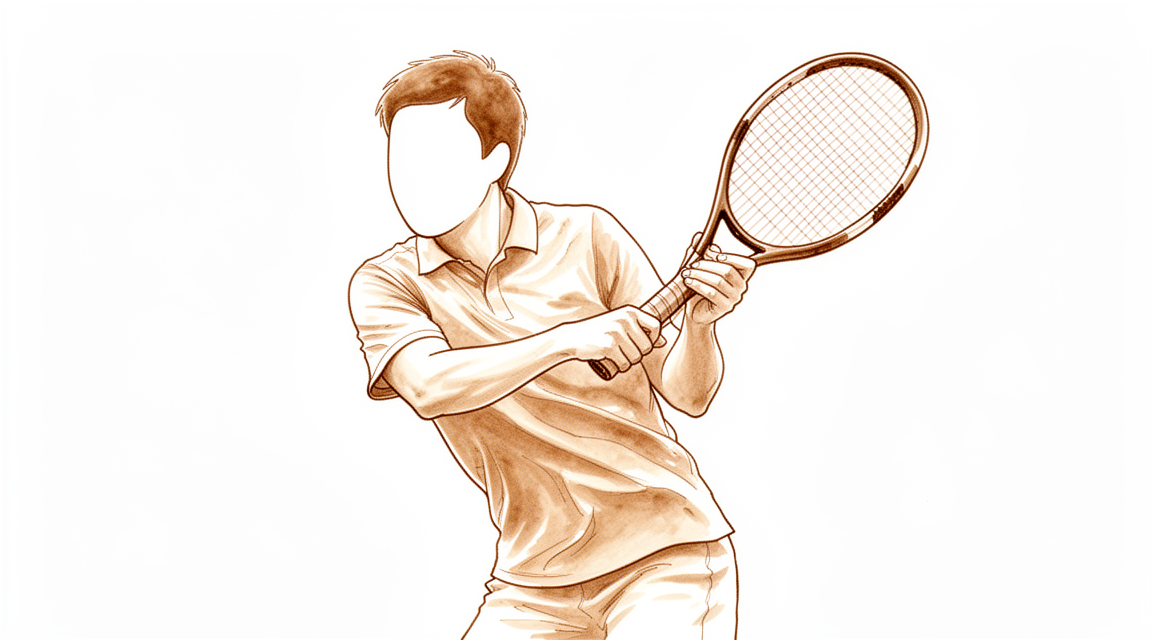
Tennis elbow (lateral epicondylitis) — causes, symptoms, and conservative treatment options for pain relief.
What you're feeling
Tennis elbow is a common problem that causes pain on the outside of your elbow. You may feel this pain when you lift objects, shake hands, or turn a doorknob. The condition is not caused by sudden inflammation. Instead, it is a degenerative process where the tissue undergoes angiofibroblastic hyperplasia. This means the tendon fibers are changing and thickening rather than just swelling up.
Your symptoms often follow a steady pattern. The pain has a steady half-life of three to four months. This means your symptoms tend to improve gradually over time. Many daily tasks become difficult because of this ache. You might struggle with reaching behind your back to fasten a bra. Tucking in a shirt or lifting a coffee cup can also trigger discomfort. The pain may flare up after activity or when you wake up in the morning.
It is important to know that tennis elbow is often a self-limiting condition. About 90% of people with untreated tennis elbow achieve symptom resolution by 1 year. The probability of recovery remained fairly constant over that timespan regardless of prior symptom duration. This means that how long you have had the pain does not predict a poorer outcome. Persistent symptoms have little prognostic value. Over 90% of patients with persistent tennis elbow symptoms experienced improvement without surgery.
Because the natural course of this condition is so positive, your surgeon will likely recommend nonoperative approaches first. These treatments focus on managing pain and allowing the tissue to heal. Surgery is generally considered only if these methods fail. For the small percentage of patients who do not respond to nonoperative approaches, surgery provides near 90% satisfaction rates. However, surgeons are unable to reliably predict who will or will not improve with nonoperative treatment. Therefore, persistent symptoms alone are not a strong indication for surgery. Most cases respond well to appropriate care, and the transient nature of the pain reflects its natural history.
What's actually happening
Tennis elbow is a wear-and-tear injury to the tendons on the outside of your elbow. These tendons connect your forearm muscles to the bony bump on the outside of your elbow, called the lateral epicondyle. When you grip things or lift objects, these tendons pull hard. Over time, this repeated stress causes tiny tears in the tendon fibers.
Think of the tendon like a frayed rope. The constant pulling creates micro-damage that your body struggles to repair. This leads to inflammation and pain. The pain is often worst when you extend your wrist against resistance, such as when shaking hands or turning a doorknob.
The condition is strongly linked to physical exertion and repetitive elbow movements. It is common in people who perform manual labor, sports, or repetitive work tasks. The joint capsule, which is the sleeve surrounding the elbow joint, may also become irritated as the inflammation spreads.
You might wonder why it hurts so much if the damage seems small. The tendon has a poor blood supply, which slows down healing. This is why symptoms can linger. The pain has a steady half-life of three to four months. This means that even without treatment, your symptoms will naturally improve by about half that amount every few months.
Most cases resolve on their own. Tennis elbow is a common problem that resolves by 6 months in most cases regardless of the treatment used. Approximately 90% of people with untreated tennis elbow achieved symptom resolution by 1 year. The probability of recovery remained fairly constant over that timespan regardless of prior symptom duration.
Because the body often heals itself, surgery is rarely the first step. Surgeons are unable to reliably predict who will or will not improve with nonoperative treatment. Persistent symptoms have little prognostic value. Failed nonoperative treatment should not be used as an indication for surgery unless reliable predictors of non-recovery are identified.
Surgical interventions should be considered discretionary, ensuring they outperform the natural history of disease and placebo interventions. For the small percentage of patients who do not respond to nonoperative approaches, surgery provides near 90% satisfaction rates. The goal is to remove the damaged tissue and allow healthy tendon to grow back, relieving your pain.
What we can do about it
Most cases of tennis elbow resolve on their own or with standard conservative management. Symptoms have a steady half-life of three to four months, meaning they improve gradually over time. About 90% of people with untreated tennis elbow achieve symptom resolution at 1 year. Your surgeon will likely recommend self-management and physiotherapy first. These approaches aim to reduce pain and strengthen the forearm muscles. Longer symptom duration does not indicate a poorer prognosis without surgery. Failed nonoperative treatment should not be used as an indication for surgery unless reliable predictors of non-recovery are identified.
Medical management focuses on controlling pain and inflammation. Your surgeon may discuss pain medication or anti-inflammatories to help you manage daily activities. Corticosteroid injections for tennis elbow worsen the long-term outcomes of patients, so they are generally avoided for lasting relief. Other options like hyaluronic acid or platelet-rich plasma (PRP) injections may be considered for persistent cases. PRP injections or surgery in recalcitrant lateral elbow tendinosis may achieve similar outcomes in pain improvement and return to work. However, current research evidence suggests that surgery for tennis elbow is no more effective than nonsurgical treatment based on evidence with significant methodological limitations. Persistent tennis elbow symptoms are a poor indication for surgery because the majority of patients experience symptom resolution without it.
Surgery is considered only when nonoperative approaches fail. For the small percentage of patients who do not respond to nonoperative approaches, surgery provides near 90% satisfaction rates. Surgical interventions should be considered discretionary, ensuring they outperform the natural history of disease and placebo interventions. Surgeons are unable to reliably predict who will or will not improve with nonoperative treatment. If conservative care has reached its limit, your surgeon may discuss operative techniques to repair the damaged tendon. This is a last resort for those who have not improved after trying other methods.
What to expect
Tennis elbow is a common problem that usually gets better on its own. Most cases resolve by 6 months, regardless of the treatment you use. Your symptoms have a steady half-life of three to four months. This means your pain and stiffness will likely decrease by about half during that time.
You might wonder if your symptoms will last forever. The good news is that longer symptom duration does not indicate a poorer prognosis without surgery. Even if you have had pain for a while, the probability of recovery remains fairly constant. Over 90% of patients with persistent symptoms experience improvement without surgery. About 90% of people with untreated tennis elbow achieve symptom resolution by 1 year.
Because the natural course is so positive, surgery is rarely needed. Surgeons are unable to reliably predict who will or will not improve with nonoperative treatment. Patients are also unable to reliably predict their own likelihood of improvement. Therefore, persistent symptoms are a poor indication for surgery. Your surgeon should not recommend an operation just because your pain has lasted a certain amount of time. Surgery is discretionary and should only be considered if it clearly outperforms the natural healing process.
If you choose nonoperative treatment, you can expect a high chance of success. Most cases respond to appropriate conservative care. For the small percentage of patients who do not respond to these approaches, surgery provides near 90% satisfaction rates. However, be cautious with corticosteroid injections. While they may offer short-term relief, they worsen long-term outcomes. Significant short-term benefits are reversed after six weeks. They are also associated with high recurrence rates.
Your outlook is generally very good. You can expect your symptoms to settle over weeks to months. There is no need to rush into invasive procedures. Trust the natural healing process, and work with your surgeon on a plan that supports your recovery without unnecessary risks.
When to see someone
See your GP if your elbow pain does not improve with rest. Tennis elbow symptoms have a steady half-life of three to four months. About 90% of people with untreated tennis elbow achieve symptom resolution at 1 year. However, you should seek help sooner if you feel weakness or instability. Ask for a specialist review if your elbow locks or gives way. Contact your doctor if symptoms interfere with sleep or work. Sudden worsening of pain is also a reason to seek care. Physical examination is critical for an accurate diagnosis. Nearly half of patients with lateral elbow pain receive a different diagnosis. Persistent symptoms have little prognostic value, and over 90% improve without surgery.
Evidence & references
title: "Tennis Elbow" slug: tennis-elbow region: elbow audience: patient mesh_terms: ["Tennis Elbow", "Elbow Joint", "Elbow", "Tendinopathy", "Tennis", "Elbow Injuries", "Pain Measurement", "Pain"] article_count: 318 model_used: Qwen3.6-35B-A3B-Q8_0.gguf generated_at: '2026-06-13T09:35:02+00:00' key_articles: - title: "Management of tennis elbow" ref_num: 1 evidence_tier: paper evidence_level: 1 doi: 10.2147/oajsm.s10310 year: 2011 - title: "Stop injecting corticosteroid into patients with tennis elbow, they are much more likely to get better by themselves!" ref_num: 2 evidence_tier: paper doi: 10.1016/j.jsams.2009.09.009 year: 2010 - title: "Editorial Commentary: Elbow Lateral Epicondylitis (Tennis Elbow) Surgery Works, but Is Not Often Indicated" ref_num: 3 evidence_tier: paper evidence_level: 5 doi: 10.1016/j.arthro.2017.02.020 year: 2017 - title: "Is it time to reconsider the indications for surgery in patients with tennis elbow?" ref_num: 5 evidence_tier: paper evidence_level: 4 doi: 10.1302/0301-620x.105b2.bjj-2022-0883.r1 year: 2023 - title: "Can Surgeons or Patients Predict the Likelihood of Improvement With Nonoperative Treatment of Chronic Tennis Elbow?" ref_num: 6 evidence_tier: paper evidence_level: 2 doi: 10.1097/corr.0000000000003425 year: 2025 - title: "Letter to the Editor: Persistent Tennis Elbow Symptoms Have Little Prognostic Value: A Systematic Review and Meta-analysis" ref_num: 7 evidence_tier: paper evidence_level: 5 doi: 10.1097/corr.0000000000002254 year: 2022 - title: "Persistent Tennis Elbow Symptoms Have Little Prognostic Value: A Systematic Review and Meta-analysis" ref_num: 8 evidence_tier: paper evidence_level: 1 doi: 10.1097/corr.0000000000002058 year: 2021 - title: "Editor’s Spotlight/Take 5: Persistent Tennis Elbow Symptoms Have Little Prognostic Value: A Systematic Review and Meta-analysis" ref_num: 9 evidence_tier: paper evidence_level: 1 doi: 10.1097/corr.0000000000002149 year: 2022 - title: "Comprehensive Review of the Elbow Physical Examination" ref_num: 10 evidence_tier: paper evidence_level: 5 doi: 10.5435/jaaos-d-16-00622 year: 2018 - title: "CORR Insights®: Can Surgeons or Patients Predict the Likelihood of Improvement With Nonoperative Treatment of Chronic Tennis Elbow?" ref_num: 11 evidence_tier: paper doi: 10.1097/corr.0000000000003488 year: 2025 - title: "Natural course in tennis elbow—lateral epicondylitis after all?" ref_num: 12 evidence_tier: paper evidence_level: 4 doi: 10.1007/s00167-012-1939-0 year: 2012 - title: "Percutaneous ultrasonic tenotomy for chronic elbow tendinosis: a prospective study" ref_num: 13 evidence_tier: paper evidence_level: 4 doi: 10.1016/j.jse.2014.07.017 year: 2015 - title: "Autologous Tenocyte Injection for the Treatment of Severe, Chronic Resistant Lateral Epicondylitis" ref_num: 14 evidence_tier: paper evidence_level: 4 doi: 10.1177/0363546513504285 year: 2013 - title: "Clinical diagnosis of lateral-sided elbow pain: predictors for recognizing a diagnosis other than tennis elbow" ref_num: 15 evidence_tier: paper evidence_level: 3 doi: 10.1016/j.jse.2025.10.006 year: 2026 - title: "Current Concepts Review - Tendinosis of the Elbow (Tennis Elbow). Clinical Features and Findings of Histological, Immunohistochemical, and Electron Microscopy Studies*" ref_num: 17 evidence_tier: paper evidence_level: 5 doi: 10.2106/00004623-199902000-00014 year: 1999 - title: "Ultrasonic Percutaneous Tenotomy for Recalcitrant Lateral Elbow Tendinopathy" ref_num: 19 evidence_tier: paper evidence_level: 4 doi: 10.1177/0363546515612758 year: 2015 - title: "A randomized, double-blind sham-controlled trial on the efficacy of arthroscopic tennis elbow release for the management of chronic lateral epicondylitis" ref_num: 20 evidence_tier: paper evidence_level: 2 doi: 10.1186/s12891-016-1093-9 year: 2016 - title: "Pediatric Sports Elbow Injuries" ref_num: 21 evidence_tier: paper evidence_level: 5 doi: 10.1016/j.csm.2010.06.010 year: 2010 - title: "Treatment, Diagnostic Criteria and Variability of Terminology for Lateral Elbow Pain: Findings from an Overview of Systematic Reviews" ref_num: 22 evidence_tier: paper evidence_level: 1 doi: 10.3390/healthcare10061095 year: 2022 - title: "A low carrying angle is measured in elite tennis players just before ball impact during the forehand, suggesting a dynamic varus instant accommodation moving towards full extension" ref_num: 24 evidence_tier: paper evidence_level: 4 doi: 10.1002/ksa.12016 year: 2024 - title: "Arthroscopic tennis elbow release" ref_num: 25 evidence_tier: paper evidence_level: 4 doi: 10.1016/j.jse.2009.12.016 year: 2010 - title: "Validation of a novel magnetic resonance imaging classification and recommended treatment for lateral elbow tendinopathy" ref_num: 26 evidence_tier: paper evidence_level: 4 doi: 10.1186/s12891-022-05758-z year: 2022 - title: "Elbow stiffness: Arthritis and heterotopic ossification" ref_num: 27 evidence_tier: paper evidence_level: 5 doi: 10.1016/j.jisako.2023.10.009 year: 2024 - title: "Work‐related risk factors for lateral epicondylitis and other cause of elbow pain in the working population" ref_num: 28 evidence_tier: paper evidence_level: 4 doi: 10.1002/ajim.22140 year: 2012 - title: "Isotonic Evaluation of Wrist Extensors and Flexors of Tennis Elbow Patients Due to Job and Sport Related Factors" ref_num: 29 evidence_tier: paper evidence_level: 4 doi: 10.1016/j.jse.2021.03.113 year: 2021 - title: "Characteristics and prognosis of medial epicondylar fragmentation of the humerus in male junior tennis players" ref_num: 30 evidence_tier: paper evidence_level: 2 doi: 10.1016/j.jse.2014.06.044 year: 2014 - title: "Persistent lateral elbow pain from overlooked posterolateral impingement of the elbow: a literature review and guidance for treatment" ref_num: 32 evidence_tier: paper evidence_level: 4 doi: 10.5397/cise.2023.01081 year: 2024 - title: "Ultrasound Examination Techniques for Elbow Injuries in Overhead Athletes" ref_num: 33 evidence_tier: paper evidence_level: 5 doi: 10.5435/jaaos-d-20-00935 year: 2020 - title: "Treatment of chronically dislocated elbows: A report of three cases" ref_num: 34 evidence_tier: paper evidence_level: 4 doi: 10.1016/j.jse.2006.09.003 year: 2007 - title: "First clinical experience with a new injectable recombinant human collagen scaffold combined with autologous platelet-rich plasma for the treatment of lateral epicondylar tendinopathy (tennis elbow)" ref_num: 35 evidence_tier: paper evidence_level: 4 doi: 10.1016/j.jse.2018.09.007 year: 2019 - title: "A Retrospective Comparison of the Management of Recalcitrant Lateral Elbow Tendinosis: Platelet-Rich Plasma Injections versus Surgery" ref_num: 36 evidence_tier: paper evidence_level: 3 doi: 10.1007/s11552-014-9717-8 year: 2014 - title: "Revision Ulnar Collateral Ligament Reconstruction Using a Suspension Button Fixation Technique" ref_num: 38 evidence_tier: paper evidence_level: 5 doi: 10.1177/0363546509350109 year: 2009 - title: "The Boyd–McLeod procedure for tennis elbow: mid- to long-term results" ref_num: 40 evidence_tier: paper evidence_level: 4 doi: 10.1177/1758573214540637 year: 2014 - title: "Surgery for tennis elbow: a systematic review" ref_num: 41 evidence_tier: paper evidence_level: 1 doi: 10.1177/1758573217745041 year: 2017 - title: "Current Trends for Treating Lateral Epicondylitis" ref_num: 42 evidence_tier: paper evidence_level: 4 doi: 10.5397/cise.2019.22.4.227 year: 2019 - title: "Management of tennis elbow: a survey of UK clinical practice" ref_num: 46 evidence_tier: paper evidence_level: 4 doi: 10.1177/1758573217738199 year: 2017 - title: "Magnetic resonance imaging findings of refractory tennis elbows and their relationship to surgical treatment" ref_num: 48 evidence_tier: paper evidence_level: 4 doi: 10.1016/j.jse.2004.07.011 year: 2005 - title: "Mobilisation with movement and exercise, corticosteroid injection, or wait and see for tennis elbow: randomised trial" ref_num: 49 evidence_tier: paper evidence_level: 1 doi: 10.1136/bmj.38961.584653.ae year: 2006 - title: "The detection of the capsular tear at the undersurface of the extensor carpi radialis brevis tendon in chronic tennis elbow: the value of magnetic resonance imaging and computed tomography arthrography" ref_num: 51 evidence_tier: paper evidence_level: 2 doi: 10.1016/j.jse.2010.12.002 year: 2011 - title: "Lateral Elbow Tendinopathy: A Better Term Than Lateral Epicondylitis or Tennis Elbow" ref_num: 52 evidence_tier: paper evidence_level: 5 doi: 10.1016/j.jhsa.2009.06.024 year: 2009 - title: "Traumatic Elbow Instability" ref_num: 53 evidence_tier: paper evidence_level: 5 doi: 10.1016/j.jhsa.2010.05.002 year: 2010 - title: "Incidental magnetic resonance imaging signal changes in the extensor carpi radialis brevis origin are more common with age" ref_num: 54 evidence_tier: paper evidence_level: 4 doi: 10.1016/j.jse.2016.01.033 year: 2016 - title: "Postoperative Elbow Instability: Options for Revision Stabilization" ref_num: 57 evidence_tier: paper evidence_level: 5 doi: 10.1016/j.jhsa.2023.10.015 year: 2024 - title: "The objective diagnosis of early tennis elbow by magnetic resonance imaging" ref_num: 59 evidence_tier: paper evidence_level: 4 doi: 10.1093/occmed/kqg031 year: 2003 - title: "Magnetic Resonance Imaging Findings After Elbow Dislocation: A Descriptive Study" ref_num: 60 evidence_tier: paper evidence_level: 4 doi: 10.1177/1558944720949961 year: 2020 - title: "Defining tennis elbow characteristics – The assessment of magnetic resonance imaging defined tendon pathology in an asymptomatic population" ref_num: 61 evidence_tier: paper evidence_level: 4 doi: 10.1177/17585732221146731 year: 2022 - title: "Post-traumatic osteoarthritis of the elbow" ref_num: 62 evidence_tier: paper evidence_level: 4 doi: 10.1016/j.otsr.2013.11.004 year: 2014 - title: "Evidence for the Durability of Autologous Tenocyte Injection for Treatment of Chronic Resistant Lateral Epicondylitis" ref_num: 63 evidence_tier: paper evidence_level: 4 doi: 10.1177/0363546515579185 year: 2015 - title: "Diagnostic accuracy of power Doppler ultrasound in patients with chronic tennis elbow" ref_num: 64 evidence_tier: paper evidence_level: 4 doi: 10.1136/bjsm.2007.043901 year: 2008 - title: "Lateral Elbow Tendinopathy" ref_num: 65 evidence_tier: paper evidence_level: 2 doi: 10.1177/0363546509359066 year: 2010 - title: "The Predictive Value of Diagnostic Sonography for the Effectiveness of Conservative Treatment of Tennis Elbow" ref_num: 67 evidence_tier: paper evidence_level: 1 doi: 10.2214/ajr.04.0656 year: 2005 - title: "Acute radial ulno-humeral ligament injury in patients with chronic lateral epicondylitis: an observational report" ref_num: 68 evidence_tier: paper evidence_level: 4 doi: 10.1016/j.jse.2012.04.008 year: 2012 - title: "Pain relief after intratendinous injections in patients with tennis elbow: results of a randomised study" ref_num: 69 evidence_tier: paper evidence_level: 1 doi: 10.1136/bjsm.2007.042762 year: 2008 synthesis_version: "v2" verifier_status: skipped
Overview
- There is no true consensus on the most efficacious management of tennis elbow, especially regarding effective long-term outcomes [1].
- Corticosteroid injections for tennis elbow worsen the long-term outcomes of patients [2].
- Tennis elbow is a common problem that resolves by 6 months in most cases regardless of the treatment used [3].
- For the small percentage of patients who do not respond to nonoperative approaches, surgery provides near 90% satisfaction rates [3].
- Symptoms of tennis elbow have a steady half-life of three to four months [5].
- Longer symptom duration does not indicate a poorer prognosis without surgery [5].
- Failed nonoperative treatment should not be used as an indication for surgery unless reliable predictors of non-recovery are identified [5].
- Persistent tennis elbow symptoms are a poor indication for surgery because the majority of patients experience symptom resolution without it [6].
- Surgeons are unable to reliably predict who will or will not improve with nonoperative treatment [6].
- Persistent tennis elbow symptoms have little prognostic value [7].
- Surgical interventions should be considered discretionary, ensuring they outperform the natural history of disease and placebo interventions [7].
- Approximately 90% of people with untreated tennis elbow achieved symptom resolution by 1 year [9].
- The probability of recovery remained fairly constant over that timespan regardless of prior symptom duration [9].
- The concept that surgery is indicated if symptoms persist for an arbitrary duration is undermined by the constant probability of recovery [9].
- Most cases of lateral epicondylitis respond to appropriate nonoperative treatment protocols [25].
- When nonoperative treatment is unsuccessful, surgical interventions may be performed with a high rate of success [25].
- The Boyd–McLeod procedure is an excellent option over both the short- and long-term for refractory tennis elbow [40].
Anatomy & Pathophysiology
- Physical examination of the elbow is a critical component in formulating an accurate diagnosis [10].
- Evaluation and management of elbow injuries in young athletes requires knowledge of the immature developing anatomy and injury pathophysiology [21].
- A low carrying angle is measured in elite tennis players just before ball impact during the forehand, suggesting a dynamic varus instant accommodation moving towards full extension [24].
- The observed decrease in the carrying angle is a consequence of an increase in elbow flexion position dictated by the transition from a closed to open, semi-open stances [24].
- Pre-operative evaluations in elbow stiffness should identify involved articular and periarticular tissues and determine whether articular surfaces and osteoarticular congruence are preserved [27].
- There is a strong association between combined physical exertion and elbow movements and lateral epicondylitis [28].
- Significant differences in biomechanical parameters and clinical scores exist between tennis elbow patients and control groups across manual, physical, and sports work groups [29].
- Further understanding of the static and dynamic anatomy of the lateral part of the elbow will help to develop future treatment and preventive strategies [32].
- Musculoskeletal ultrasonography provides a dynamic, functional assessment of elbow structures, allowing visualization of pathology under stress and motion [33].
- Combining an understanding of anatomy and biomechanics with surgical technique allows for the reconstruction of chronically dislocated joints to achieve functional and painless elbows [34].
- Ulnar collateral ligament reconstruction using a suspension button fixation technique reliably restored elbow kinematics to the intact state [38].
- Understanding the patterns of traumatic elbow instability helps the surgeon counsel and manage patients with these injuries [53].
- Restoration of osseous anatomy, particularly the coronoid, is a priority in restoring elbow alignment and maintaining ulnohumeral joint stability [57].
- Arthroscopic tennis elbow release involves placing the patient prone with the ipsilateral shoulder abducted to 90 degrees and supported by a foam holder [58].
- The joint is distended with 20 to 30 mL of saline through an 18-gauge needle introduced through the direct lateral portal [58].
- The proximal medial or superomedial portal is located approximately 2 cm proximal to the medial epicondyle and 1 cm anterior to the intermuscular septum [58].
- The trocar and sheath are introduced anterior to the intermuscular septum, maintaining contact with the anterior aspect of the humerus as directed toward the radial head [58].
- A 2.7-mm, 30-degree arthroscope is inserted into the joint for the diagnostic portion of the procedure [58].
- The superolateral portal is established with an 18-gauge needle through the lesion to identify the undersurface of the extensor carpi radialis brevis tendon [58].
- A curet and motorized shaver are used to debride the capsule and the pathologic tendinous attachment of the extensor carpi radialis brevis [58].
- The lateral epicondyle is decorticated using an arthroscopic burr, handheld instruments, or electrocautery [58].
- A 70-degree arthroscope may be required in rare instances to view around the corner during the procedure [58].
Classification
- Tennis elbow is characterized as a degenerative process involving angiofibroblastic hyperplasia rather than an inflammatory condition [17].
- The term 'lateral elbow tendinopathy' is suggested as a replacement for 'lateral epicondylitis' and 'tennis elbow' because the condition is degenerative and occurs more frequently in workers than in tennis players [52].
- There is considerable terminological heterogeneity in the description of lateral elbow pain (LEP), associated with a lack of clear and recognized diagnostic criteria [22].
- An MRI classification has emerged as one of the most reliable methods to define stages of chronic lateral epicondylitis [26].
Clinical Presentation
- Tennis elbow is a common problem [3].
- Physical examination of the elbow is a critical component in formulating an accurate diagnosis [10].
- Nearly half (46.5%) of patients presenting with lateral elbow pain receive a diagnosis other than lateral elbow tendinopathy (LET) [15].
- There is considerable terminological heterogeneity in the description of lateral elbow pain (LEP), associated with a lack of clear and recognized diagnostic criteria [22].
- Tennis elbow is a degenerative process characterized by angiofibroblastic hyperplasia rather than an inflammatory condition [17].
- Symptoms of tennis elbow are related to stenosing changes in the orbicular ligament and tendinitis of the common extensor origin [18].
- Symptoms of tennis elbow have a steady half-life of three to four months [5].
- About 90% of people with untreated tennis elbow achieve symptom resolution at 1 year [8].
- Approximately 90% of people with untreated tennis elbow achieved symptom resolution by 1 year [9].
- The probability of recovery from tennis elbow remained fairly constant over that timespan regardless of prior symptom duration [9].
- The transient symptoms of tennis elbow reflect the natural course of a self-limiting condition [12].
- Persistent tennis elbow symptoms have little prognostic value [7].
- Over 90% of patients with persistent tennis elbow symptoms experienced improvement without surgery [11].
Investigations
- Nearly half (46.5%) of patients presenting with lateral elbow pain receive a diagnosis other than lateral elbow tendinopathy (LET) [15].
- The proposed MRI classification is one of the most reliable methods to define stages of chronic lateral epicondylitis [26].
- MRI is an important decision-making tool in the surgical treatment of refractory tennis elbow [48].
- Computed tomography arthrography (CTA) is a reliable and accurate diagnostic modality compared with MRI to detect capsular tears in patients with chronic tennis elbow [51].
- Increased MRI signal in the extensor carpi radialis brevis (ECRB) origin is common in both symptomatic and asymptomatic elbows [54].
- Oedema is commonly found in asymptomatic elbows, necessitating the presence of thickening or tears in the common extensor origin (CEO) tendon to objectively diagnose tennis elbow on MRI [59].
- Most young patients with elbow dislocations are successfully treated without ligament repair, emphasizing the need to avoid overanalyzing and treating based on MRI findings alone [60].
- The diagnostic and prognostic value of MRI imaging in lateral epicondylar tendinopathy is questionable, especially in older patients [61].
- Clinical manifestations of post-traumatic osteoarthritis of the elbow often vary from radiological findings [62].
- Autologous tenocyte injection significantly improved clinical function and MRI tendinopathy scores for up to 5 years in patients with chronic resistant lateral epicondylitis who had previously undergone unsuccessful nonsurgical treatment [63].
- The lack of both neovascularity and grey scale changes on ultrasound examination substantially increases the probability that lateral elbow tendinopathy is not present, prompting consideration of other causes for lateral elbow pain [64].
- The size of intrasubstance tears and the presence of a lateral collateral ligament tear on ultrasound can be used to assess lateral elbow tendinopathy severity and indicate those who may not respond to nonoperative therapy [65].
- Sonography has no prognostic value for predicting the effectiveness of brace only, physical therapy only, or a combination of these strategies in patients with tennis elbow [67].
- Patients with chronic lateral epicondylitis who sustain an acute injury may develop an additional lesion involving the radial ulno-humeral ligament [68].
- Ultrasound (US) and color Doppler (CD) guided intratendinous injections gave pain relief in patients with tennis elbow [69].
Treatment
Natural History and Non-Operative Management
- There is no true consensus on the most efficacious management of tennis elbow, especially regarding effective long-term outcomes [1].
- Corticosteroid injections for tennis elbow worsen the long-term outcomes of patients [2].
- Tennis elbow resolves by 6 months in most cases regardless of the treatment used [3].
- Symptoms of tennis elbow have a steady half-life of three to four months [5].
- Longer symptom duration does not indicate a poorer prognosis without surgery [5].
- Failed nonoperative treatment should not be used as an indication for surgery unless reliable predictors of non-recovery are identified [5].
- Persistent tennis elbow symptoms are a poor indication for surgery because the majority of patients experience symptom resolution without it [6].
- Surgeons are unable to reliably predict who will or will not improve with nonoperative treatment [6].
- Persistent tennis elbow symptoms have little prognostic value [7].
- Surgical interventions should be considered discretionary, ensuring they outperform the natural history of disease and placebo interventions [7].
- About 90% of people with untreated tennis elbow achieve symptom resolution at 1 year based on placebo or no-treatment control arms of randomized trials [8].
- Most cases of lateral epicondylitis respond to appropriate nonoperative treatment protocols [25].
- Most patients with lateral epicondylitis resolve spontaneously or with standard conservative management [42].
- There is wide variability of treatments offered when physiotherapy fails patients with tennis elbow [46].
Operative and Interventional Management
- For the small percentage of patients who do not respond to nonoperative approaches, surgery provides near 90% satisfaction rates [3].
- Percutaneous ultrasonic tenotomy is a safe and effective treatment for chronic medial and lateral elbow tendinosis, producing statistically significant improvements in pain and function over a 1-year follow-up period [13].
- Patients with chronic lateral epicondylitis who had previously undergone an unsuccessful full course of nonoperative treatment showed significantly improved clinical function and structural repair at the origin of the common extensor tendon after autologous tenocyte injection (ATI) [14].
- Minimally invasive percutaneous ultrasonic tenotomy provided sustained pain relief and functional improvement for recalcitrant tennis elbow at 3-year follow-up [19].
- A randomized, double-blind sham-controlled trial study protocol was designed to determine the efficacy of arthroscopic tennis elbow release, but it does not report results or conclusions from completed data collection [20].
- When nonoperative treatment is unsuccessful, surgical interventions for lateral epicondylitis may be performed with a high rate of success [25].
- STR/PRP (recombinant human collagen scaffold combined with autologous platelet-rich plasma) is a safe treatment that effectively induces clinically significant improvements in elbow symptoms and general well-being as well as objective measures of strength and imaging of the common extensor tendon within 6 months of treatment of elbow tendinopathy recalcitrant to standard treatments [35].
- Similar outcomes in pain improvement and return to work may be achievable with either PRP injections or surgery in recalcitrant lateral elbow tendinosis [36].
- Current research evidence suggests that surgery for tennis elbow is no more effective than nonsurgical treatment based on evidence with significant methodological limitations [41].
- Refractory cases of lateral epicondylitis may benefit from interventional therapies or surgical approaches [42].
- A large percentage of patients who fail conservative treatment for medial humeral epicondylitis (tendinosis) can obtain pain relief and return to activities with the described operative technique [45].
Complications
- Corticosteroid injections for tennis elbow worsen long-term outcomes [2].
- Significant short-term benefits of corticosteroid injection are reversed after six weeks [49].
- Corticosteroid injection is associated with high recurrence rates [49].
- Elbow pain persisted in 50% of subjects at re-examination despite an 83% rate of spontaneous bone union in male junior tennis players with medial epicondylar fragmentation [30].
Recovery
- Tennis elbow resolves by 6 months in most cases regardless of the treatment used [3].
- Symptoms of tennis elbow have a steady half-life of three to four months [5].
- Longer symptom duration does not indicate a poorer prognosis without surgery [5].
- Failed nonoperative treatment should not be used as an indication for surgery unless reliable predictors of non-recovery are identified [5].
- Persistent tennis elbow symptoms are a poor indication for surgery because the majority of patients experience symptom resolution without it [6].
- Surgeons are unable to reliably predict who will or will not improve with nonoperative treatment [6].
- Patients are unable to reliably predict the likelihood of improvement with nonoperative treatment of chronic tennis elbow [6].
- Persistent tennis elbow symptoms have little prognostic value [7].
- Surgical interventions should be considered discretionary, ensuring they outperform the natural history of disease and placebo interventions [7].
- About 90% of people with untreated tennis elbow achieve symptom resolution at 1 year based on placebo or no-treatment control arms of randomized trials [8].
- Approximately 90% of people with untreated tennis elbow achieved symptom resolution by 1 year [9].
- The probability of recovery remained fairly constant over that timespan regardless of prior symptom duration [9].
- The concept that surgery is indicated if symptoms persist for an arbitrary duration is undermined by the constant probability of recovery [9].
- Over 90% of patients with persistent tennis elbow symptoms experienced improvement without surgery [11].
- The transient symptoms of tennis elbow reflect the natural course of a self-limiting condition [12].
- Conservative treatment without prohibiting tennis play resulted in an 83% rate of spontaneous bone union in male junior tennis players with medial epicondylar fragmentation of the humerus [30].
- Elbow pain persisted in 50% of subjects with medial epicondylar fragmentation at re-examination despite conservative treatment [30].
Key Evidence
- [L1] Despite a wealth of research, there is no true consensus on the most efficacious management of tennis elbow especially for effective long-term outcomes. (10.2147/oajsm.s10310)
- [Paper] Corticosteroid injections for tennis elbow worsen the long term outcomes of patients. (10.1016/j.jsams.2009.09.009)
- [L5] Tennis elbow is a common problem that resolves by 6 months in most cases no matter what treatment is used, but for the small percentage of patients who do not respond to nonoperative approaches, surgery provides near 90% satisfaction rates. (10.1016/j.arthro.2017.02.020)
- [L4] Symptoms of tennis elbow have a steady half-life of three to four months, indicating that longer symptom duration does not indicate a poorer prognosis without surgery, and failed nonoperative treatment should not be used as an indication for surgery unless reliable predictors of non-recovery are identified. (10.1302/0301-620x.105b2.bjj-2022-0883.r1)
- [L2] Persistent tennis elbow symptoms are a poor indication for surgery as the majority of patients experience symptom resolution without it, and surgeons are unable to reliably predict who will or will not improve with nonoperative treatment. (10.1097/corr.0000000000003425)
- [L5] The author argues that persistent tennis elbow symptoms have little prognostic value and suggests that surgical interventions should be considered discretionary, ensuring they outperform the natural history of disease and placebo interventions. (10.1097/corr.0000000000002254)
- [L1] Based on the placebo or no-treatment control arms of randomized trials, about 90% of people with untreated tennis elbow achieve symptom resolution at 1 year. (10.1097/corr.0000000000002058)
- [L1] Approximately 90% of people with untreated tennis elbow achieved symptom resolution by 1 year, and the probability of recovery remained fairly constant over that timespan regardless of prior symptom duration, undermining the concept that surgery is indicated if symptoms persist for an arbitrary duration. (10.1097/corr.0000000000002149)
- [L5] Physical examination of the elbow is a critical component in formulating an accurate diagnosis. (10.5435/jaaos-d-16-00622)
- [Paper] The commentary highlights that over 90% of patients with persistent tennis elbow symptoms experienced improvement without surgery, challenging the notion that surgical intervention is the right step for patients with longstanding symptoms. (10.1097/corr.0000000000003488)
- [L4] The transient symptoms of tennis elbow seen in these two cases reflect the natural course of a self-limiting condition. (10.1007/s00167-012-1939-0)
- [L4] Percutaneous ultrasonic tenotomy is a safe and effective treatment for chronic medial and lateral elbow tendinosis, producing statistically significant improvements in pain and function over a 1-year follow-up period. (10.1016/j.jse.2014.07.017)
- [L4] Patients with chronic lateral epicondylitis who had previously undergone an unsuccessful full course of nonoperative treatment showed significantly improved clinical function and structural repair at the origin of the common extensor tendon after ATI. (10.1177/0363546513504285)
- [L3] Nearly half (46.5%) of patients presenting with lateral elbow pain receive a diagnosis other than lateral elbow tendinopathy (LET). (10.1016/j.jse.2025.10.006)
- [L5] Tennis elbow is a degenerative process characterized by angiofibroblastic hyperplasia rather than an inflammatory condition, and proper treatment depends on understanding this pathogenesis. (10.2106/00004623-199902000-00014)
- [L4] Minimally invasive percutaneous ultrasonic tenotomy provided sustained pain relief and functional improvement for recalcitrant tennis elbow at 3-year follow-up. (10.1177/0363546515612758)
- [L2] This document is a study protocol describing the design of a prospective, randomized sham-controlled trial to determine the efficacy of arthroscopic tennis elbow release; it does not report results or conclusions from completed data collection. (10.1186/s12891-016-1093-9)
- [L5] Evaluation and management of elbow injuries in young athletes requires knowledge of the immature developing anatomy, injury pathophysiology, and established treatment algorithms for each diagnosis. (10.1016/j.csm.2010.06.010)
- [L1] In this SR, a considerable terminological heterogeneity emerged in the description of LEP, associated with the lack of clear and recognised diagnostic criteria in evaluating and treating patients with lateral elbow pain. (10.3390/healthcare10061095)
- [L4] The observed decrease in the carrying angle is a consequence of an increase in elbow flexion position dictated by the transition from a closed to open, semi‐open stances. (10.1002/ksa.12016)
- [L4] Most cases of lateral epicondylitis respond to appropriate nonoperative treatment protocols, but when unsuccessful, surgical interventions may be performed with a high rate of success. (10.1016/j.jse.2009.12.016)
- [L4] The proposed MRI classification has emerged as one of the most reliable methods to define stages of chronic lateral epicondylitis. (10.1186/s12891-022-05758-z)
- [L5] Pre-operative evaluations in elbow stiffness should identify involved articular and periarticular tissues and determine whether articular surfaces and osteoarticular congruence are preserved. (10.1016/j.jisako.2023.10.009)
- [L4] This study emphasizes the strength of the associations between combined physical exertion and elbow movements and lateral epicondylitis. (10.1002/ajim.22140)
- [L4] Significant differences were observed between tennis elbow patients and the control group regarding biomechanical parameters and clinical scores across manual, physical, and sports work groups. (10.1016/j.jse.2021.03.113)
- [L2] Although conservative treatment without prohibiting tennis play resulted in an 83% rate of spontaneous bone union, elbow pain persisted in 50% of subjects at re-examination. (10.1016/j.jse.2014.06.044)
- [L4] Further understanding of the static and dynamic anatomy of the lateral part of the elbow will help to develop future treatment and preventive strategies. (10.5397/cise.2023.01081)
- [L5] Musculoskeletal ultrasonography provides a dynamic, functional assessment of elbow structures, allowing visualization of pathology under stress and motion. (10.5435/jaaos-d-20-00935)
- [L4] By combining an understanding of anatomy and biomechanics with surgical technique, the authors could reconstruct chronically dislocated joints to achieve functional and painless elbows. (10.1016/j.jse.2006.09.003)
- [L4] STR/PRP is a safe treatment that effectively induces clinically significant improvements in elbow symptoms and general well-being as well as objective measures of strength and imaging of the common extensor tendon within 6 months of treatment of elbow tendinopathy recalcitrant to standard treatments. (10.1016/j.jse.2018.09.007)
- [L3] Similar outcomes in pain improvement and return to work may be achievable with either PRP injections or surgery in recalcitrant lateral elbow tendinosis. (10.1007/s11552-014-9717-8)
- [L5] Ulnar collateral ligament reconstruction using a suspension button fixation technique reliably restored elbow kinematics to the intact state. (10.1177/0363546509350109)
- [L4] The Boyd–McLeod procedure is an excellent option over both the short- and long-term for refractory tennis elbow. (10.1177/1758573214540637)
- [L1] Current research evidence suggests that surgery for tennis elbow is no more effective than nonsurgical treatment based on evidence with significant methodological limitations. (10.1177/1758573217745041)
- [L4] Most patients with lateral epicondylitis resolve spontaneously or with standard conservative management, but refractory cases may benefit from interventional therapies or surgical approaches. (10.5397/cise.2019.22.4.227)
- [L4] There is wide variability of treatments offered when physiotherapy fails patients with tennis elbow. (10.1177/1758573217738199)
- [L4] MRI is an important decision-making tool in the surgical treatment of refractory tennis elbow. (10.1016/j.jse.2004.07.011)
- [L1] The significant short term benefits of corticosteroid injection are paradoxically reversed after six weeks, with high recurrence rates, implying that this treatment should be used with caution in the management of tennis elbow. (10.1136/bmj.38961.584653.ae)
- [L2] CTA was a reliable and accurate diagnostic modality compared with MRI to detect the capsular tear in patients with chronic tennis elbow. (10.1016/j.jse.2010.12.002)
- [L5] The authors suggest that the terms 'lateral epicondylitis' and 'tennis elbow' be dropped from future publications and be replaced by 'lateral elbow tendinopathy' because the condition is degenerative rather than inflammatory and is encountered more often among workers than tennis players. (10.1016/j.jhsa.2009.06.024)
- [L5] Understanding the patterns of traumatic elbow instability helps the surgeon counsel and manage patients with these injuries. (10.1016/j.jhsa.2010.05.002)
- [L4] Increased MRI signal in the ECRB origin is common in symptomatic and in asymptomatic elbows. (10.1016/j.jse.2016.01.033)
- [L5] Restoration of osseous anatomy, particularly the coronoid, is a priority in restoring elbow alignment and maintaining ulnohumeral joint stability. (10.1016/j.jhsa.2023.10.015)
- [L4] Oedema was commonly found in asymptomatic elbows, necessitating the presence of thickening or tears in the CEO tendon to objectively diagnose tennis elbow on MRI. (10.1093/occmed/kqg031)
- [L4] Given that most young patients with elbow dislocations are successfully treated without ligament repair, there should be an emphasis on not overanalyzing and treating based on MRI findings alone. (10.1177/1558944720949961)
- [L4] This draws into question the diagnostic and prognostic value of MRI imaging in lateral epicondylar tendinopathy, especially in older patients. (10.1177/17585732221146731)
- [L4] Post-traumatic osteoarthritis of the elbow is an uncommon condition where clinical manifestations often vary from radiological findings. (10.1016/j.otsr.2013.11.004)
- [L4] Autologous tenocyte injection significantly improved clinical function and MRI tendinopathy scores for up to 5 years in patients with chronic resistant lateral epicondylitis who had previously undergone unsuccessful nonsurgical treatment. (10.1177/0363546515579185)
- [L4] The lack of both neovascularity and grey scale changes on ultrasound examination also substantially increase the probability that the condition is not present and should prompt the clinician to consider other causes for lateral elbow pain. (10.1136/bjsm.2007.043901)
- [L2] The size of intrasubstance tears and presence of a lateral collateral ligament tear on ultrasound can be used to assess lateral elbow tendinopathy severity and indicate those who may not respond to nonoperative therapy. (10.1177/0363546509359066)
- [L1] Sonography has no prognostic value for predicting the effectiveness of brace only, physical therapy only, or a combination of these strategies in patients with tennis elbow. (10.2214/ajr.04.0656)
- [L4] Patients with chronic lateral epicondylitis who sustain an acute injury may develop an additional lesion involving the radial ulno-humeral ligament. (10.1016/j.jse.2012.04.008)
- [L1] US and CD guided intratendinous injections gave pain relief in patients with tennis elbow. (10.1136/bjsm.2007.042762)
References
[1] Management of tennis elbow. Open Access Journal of Sports Medicine. 2011. DOI: 10.2147/oajsm.s10310 [2] Stop injecting corticosteroid into patients with tennis elbow, they are much more likely to get better by themselves!. Journal of Science and Medicine in Sport. 2010. DOI: 10.1016/j.jsams.2009.09.009 [3] Editorial Commentary: Elbow Lateral Epicondylitis (Tennis Elbow) Surgery Works, but Is Not Often Indicated. Arthroscopy. 2017. DOI: 10.1016/j.arthro.2017.02.020 [5] Is it time to reconsider the indications for surgery in patients with tennis elbow?. The Bone & Joint Journal. 2023. DOI: 10.1302/0301-620x.105b2.bjj-2022-0883.r1 [6] Can Surgeons or Patients Predict the Likelihood of Improvement With Nonoperative Treatment of Chronic Tennis Elbow?. Clinical Orthopaedics & Related Research. 2025. DOI: 10.1097/corr.0000000000003425 [7] Letter to the Editor: Persistent Tennis Elbow Symptoms Have Little Prognostic Value: A Systematic Review and Meta-analysis. Clinical Orthopaedics & Related Research. 2022. DOI: 10.1097/corr.0000000000002254 [8] Persistent Tennis Elbow Symptoms Have Little Prognostic Value: A Systematic Review and Meta-analysis. Clinical Orthopaedics & Related Research. 2021. DOI: 10.1097/corr.0000000000002058 [9] Editor’s Spotlight/Take 5: Persistent Tennis Elbow Symptoms Have Little Prognostic Value: A Systematic Review and Meta-analysis. Clinical Orthopaedics & Related Research. 2022. DOI: 10.1097/corr.0000000000002149 [10] Comprehensive Review of the Elbow Physical Examination. Journal of the American Academy of Orthopaedic Surgeons. 2018. DOI: 10.5435/jaaos-d-16-00622 [11] CORR Insights®: Can Surgeons or Patients Predict the Likelihood of Improvement With Nonoperative Treatment of Chronic Tennis Elbow?. Clinical Orthopaedics & Related Research. 2025. DOI: 10.1097/corr.0000000000003488 [12] Natural course in tennis elbow—lateral epicondylitis after all?. Knee Surgery, Sports Traumatology, Arthroscopy. 2012. DOI: 10.1007/s00167-012-1939-0 [13] Percutaneous ultrasonic tenotomy for chronic elbow tendinosis: a prospective study. Journal of Shoulder and Elbow Surgery. 2015. DOI: 10.1016/j.jse.2014.07.017 [14] Autologous Tenocyte Injection for the Treatment of Severe, Chronic Resistant Lateral Epicondylitis. The American Journal of Sports Medicine. 2013. DOI: 10.1177/0363546513504285 [15] Clinical diagnosis of lateral-sided elbow pain: predictors for recognizing a diagnosis other than tennis elbow. Journal of Shoulder and Elbow Surgery. 2026. DOI: 10.1016/j.jse.2025.10.006 [17] Current Concepts Review - Tendinosis of the Elbow (Tennis Elbow). Clinical Features and Findings of Histological, Immunohistochemical, and Electron Microscopy Studies. The Journal of Bone & Joint Surgery. 1999. DOI: 10.2106/00004623-199902000-00014 [18] Surgical Treatment of Tennis Elbow: A FOLLOW-UP STUDY.. The Journal of Bone and Joint Surgery. American Volume. 1965. [19] Ultrasonic Percutaneous Tenotomy for Recalcitrant Lateral Elbow Tendinopathy. The American Journal of Sports Medicine. 2015. DOI: 10.1177/0363546515612758 [20] A randomized, double-blind sham-controlled trial on the efficacy of arthroscopic tennis elbow release for the management of chronic lateral epicondylitis. BMC Musculoskeletal Disorders. 2016. DOI: 10.1186/s12891-016-1093-9 [21] Pediatric Sports Elbow Injuries. Clinics in Sports Medicine. 2010. DOI: 10.1016/j.csm.2010.06.010 [22] Treatment, Diagnostic Criteria and Variability of Terminology for Lateral Elbow Pain: Findings from an Overview of Systematic Reviews. Healthcare. 2022. DOI: 10.3390/healthcare10061095 [24] A low carrying angle is measured in elite tennis players just before ball impact during the forehand, suggesting a dynamic varus instant accommodation moving towards full extension. Knee Surgery, Sports Traumatology, Arthroscopy. 2024. DOI: 10.1002/ksa.12016 [25] Arthroscopic tennis elbow release. Journal of Shoulder and Elbow Surgery. 2010. DOI: 10.1016/j.jse.2009.12.016 [26] Validation of a novel magnetic resonance imaging classification and recommended treatment for lateral elbow tendinopathy. BMC Musculoskeletal Disorders. 2022. DOI: 10.1186/s12891-022-05758-z [27] Elbow stiffness: Arthritis and heterotopic ossification. Journal of ISAKOS. 2024. DOI: 10.1016/j.jisako.2023.10.009 [28] Work‐related risk factors for lateral epicondylitis and other cause of elbow pain in the working population. American Journal of Industrial Medicine. 2012. DOI: 10.1002/ajim.22140 [29] Isotonic Evaluation of Wrist Extensors and Flexors of Tennis Elbow Patients Due to Job and Sport Related Factors. Journal of Shoulder and Elbow Surgery. 2021. DOI: 10.1016/j.jse.2021.03.113 [30] Characteristics and prognosis of medial epicondylar fragmentation of the humerus in male junior tennis players. Journal of Shoulder and Elbow Surgery. 2014. DOI: 10.1016/j.jse.2014.06.044 [32] Persistent lateral elbow pain from overlooked posterolateral impingement of the elbow: a literature review and guidance for treatment. Clinics in Shoulder and Elbow. 2024. DOI: 10.5397/cise.2023.01081 [33] Ultrasound Examination Techniques for Elbow Injuries in Overhead Athletes. Journal of the American Academy of Orthopaedic Surgeons. 2020. DOI: 10.5435/jaaos-d-20-00935 [34] Treatment of chronically dislocated elbows: A report of three cases. Journal of Shoulder and Elbow Surgery. 2007. DOI: 10.1016/j.jse.2006.09.003 [35] First clinical experience with a new injectable recombinant human collagen scaffold combined with autologous platelet-rich plasma for the treatment of lateral epicondylar tendinopathy (tennis elbow). Journal of Shoulder and Elbow Surgery. 2019. DOI: 10.1016/j.jse.2018.09.007 [36] A Retrospective Comparison of the Management of Recalcitrant Lateral Elbow Tendinosis: Platelet-Rich Plasma Injections versus Surgery. HAND. 2014. DOI: 10.1007/s11552-014-9717-8 [38] Revision Ulnar Collateral Ligament Reconstruction Using a Suspension Button Fixation Technique. The American Journal of Sports Medicine. 2009. DOI: 10.1177/0363546509350109 [40] The Boyd–McLeod procedure for tennis elbow: mid- to long-term results. Shoulder & Elbow. 2014. DOI: 10.1177/1758573214540637 [41] Surgery for tennis elbow: a systematic review. Shoulder & Elbow. 2017. DOI: 10.1177/1758573217745041 [42] Current Trends for Treating Lateral Epicondylitis. Clinics in Shoulder and Elbow. 2019. DOI: 10.5397/cise.2019.22.4.227 [45] 10.1177-036354659502300215. n.d.. [46] Management of tennis elbow: a survey of UK clinical practice. Shoulder & Elbow. 2017. DOI: 10.1177/1758573217738199 [48] Magnetic resonance imaging findings of refractory tennis elbows and their relationship to surgical treatment. Journal of Shoulder and Elbow Surgery. 2005. DOI: 10.1016/j.jse.2004.07.011 [49] Mobilisation with movement and exercise, corticosteroid injection, or wait and see for tennis elbow: randomised trial. BMJ. 2006. DOI: 10.1136/bmj.38961.584653.ae [51] The detection of the capsular tear at the undersurface of the extensor carpi radialis brevis tendon in chronic tennis elbow: the value of magnetic resonance imaging and computed tomography arthrography. Journal of Shoulder and Elbow Surgery. 2011. DOI: 10.1016/j.jse.2010.12.002 [52] Lateral Elbow Tendinopathy: A Better Term Than Lateral Epicondylitis or Tennis Elbow. The Journal of Hand Surgery. 2009. DOI: 10.1016/j.jhsa.2009.06.024 [53] Traumatic Elbow Instability. The Journal of Hand Surgery. 2010. DOI: 10.1016/j.jhsa.2010.05.002 [54] Incidental magnetic resonance imaging signal changes in the extensor carpi radialis brevis origin are more common with age. Journal of Shoulder and Elbow Surgery. 2016. DOI: 10.1016/j.jse.2016.01.033 [57] Postoperative Elbow Instability: Options for Revision Stabilization. The Journal of Hand Surgery. 2024. DOI: 10.1016/j.jhsa.2023.10.015 [58] Campbell S Operative Orthopaedics 4 Volume Set. ARTHROSCOPIC REPAIR OF POSTERIOR HUMERAL AVULSION OF THE GLENOHUMERAL LIGAMENT > ARTHROSCOPIC TENNIS ELBOW RELEASE. [59] The objective diagnosis of early tennis elbow by magnetic resonance imaging. Occupational Medicine. 2003. DOI: 10.1093/occmed/kqg031 [60] Magnetic Resonance Imaging Findings After Elbow Dislocation: A Descriptive Study. HAND. 2020. DOI: 10.1177/1558944720949961 [61] Defining tennis elbow characteristics – The assessment of magnetic resonance imaging defined tendon pathology in an asymptomatic population. Shoulder & Elbow. 2022. DOI: 10.1177/17585732221146731 [62] Post-traumatic osteoarthritis of the elbow. Orthopaedics & Traumatology: Surgery & Research. 2014. DOI: 10.1016/j.otsr.2013.11.004 [63] Evidence for the Durability of Autologous Tenocyte Injection for Treatment of Chronic Resistant Lateral Epicondylitis. The American Journal of Sports Medicine. 2015. DOI: 10.1177/0363546515579185 [64] Diagnostic accuracy of power Doppler ultrasound in patients with chronic tennis elbow. British Journal of Sports Medicine. 2008. DOI: 10.1136/bjsm.2007.043901 [65] Lateral Elbow Tendinopathy. The American Journal of Sports Medicine. 2010. DOI: 10.1177/0363546509359066 [67] The Predictive Value of Diagnostic Sonography for the Effectiveness of Conservative Treatment of Tennis Elbow. American Journal of Roentgenology. 2005. DOI: 10.2214/ajr.04.0656 [68] Acute radial ulno-humeral ligament injury in patients with chronic lateral epicondylitis: an observational report. Journal of Shoulder and Elbow Surgery. 2012. DOI: 10.1016/j.jse.2012.04.008 [69] Pain relief after intratendinous injections in patients with tennis elbow: results of a randomised study. British Journal of Sports Medicine*. 2008. DOI: 10.1136/bjsm.2007.042762