Cuff Arthropathy PDF Evidence
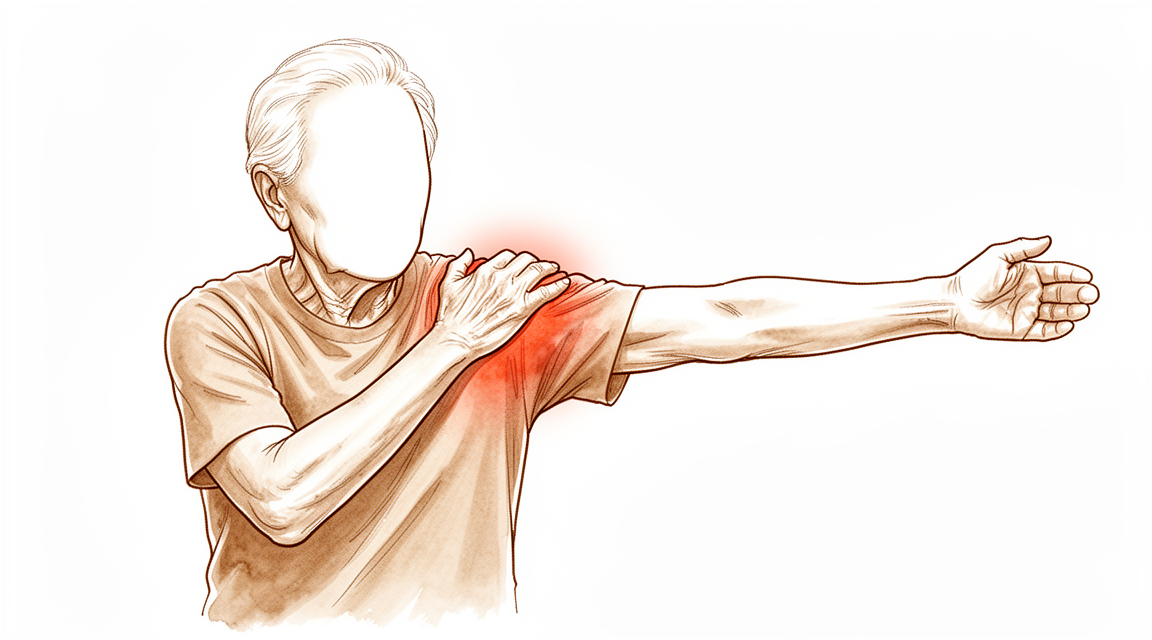
Rotator cuff arthropathy: shoulder arthritis following a long-standing, massive rotator cuff tear and its impact on function.
What you're feeling
You may feel pain in your shoulder that worsens when you lift your arm or reach overhead. This condition involves wear-and-tear arthritis in the shoulder joint combined with a torn rotator cuff. Because the cuff muscles cannot stabilize the joint, the top of your upper arm bone may shift upward. This movement causes grinding, stiffness, and aching. The pain often flares at night, making it hard to sleep on your side. You might also notice increased discomfort after daily activities or upon waking in the morning.
Simple tasks can become difficult or impossible. You may struggle to reach behind your back to fasten a bra or tuck in a shirt. Lifting objects feels heavy and unstable. Your shoulder may feel weak, and you might avoid using it to prevent pain. This functional decline happens because the torn cuff can no longer support normal movement. Over time, the arthritis progresses, leading to further loss of motion and strength.
If you have not yet had surgery, your surgeon may recommend non-surgical treatments first, especially if your disease is moderate or mild. These options aim to reduce pain and improve function. However, if your arthritis is severe, surgery may be necessary. For many patients with an intact rotator cuff, an anatomic total shoulder replacement is the preferred and less costly option. It provides similar benefits to a reverse shoulder replacement in the first few years.
If your rotator cuff is torn, a reverse total shoulder replacement may be recommended. This procedure has become more common for this specific type of arthritis. It offers substantial clinical benefit for most patients. In fact, over 90% of patients who undergo this surgery for arthritis with an intact cuff report significant improvement. Even with a torn cuff, many patients experience a clinically important change in their daily function. Your surgeon will help you decide which approach is best for your specific anatomy and pain levels.
What's actually happening
Your shoulder is a ball-and-socket joint. The ball is the top of your arm bone. The socket is in your shoulder blade. Smooth cartilage covers both surfaces. It acts like a shock absorber so bones glide easily.
In rotator cuff arthropathy, this system breaks down. You likely have wear-and-tear arthritis. This means the cartilage has worn away. At the same time, the rotator cuff tendons are torn or damaged. These tendons are like ropes that hold the ball in the socket. Without them, the ball sits too high. It rubs against the shoulder blade. This causes pain and limits your movement.
Your body tries to compensate. Your shoulder blade moves in complex ways to help you lift your arm. It rotates in opposite directions before you even start to raise your arm. This changes the normal rhythm of your shoulder. The shoulder blade does more work than it should. This extra motion can lead to further wear and tear over time.
Muscle health also plays a key role. Fat can build up inside the rotator cuff muscles. This fatty infiltration weakens the muscles. It reduces your strength even if the tendon is still attached. This imbalance makes the joint less stable. It also affects how well you feel your arm position in space.
Your surgeon looks at these changes to plan your care. They may use an X-ray view called an axillary view. This shows the joint anatomy clearly. It uses less radiation than a CT scan. It helps your surgeon see how the bones have shifted.
Understanding this damage helps explain your symptoms. The pain comes from bone rubbing on bone. The weakness comes from damaged tendons and muscles. The stiffness comes from the body’s attempt to stabilize the joint. Knowing what is happening allows your surgeon to choose the right treatment. This might involve replacing the joint surfaces to restore smooth movement.
What we can do about it
We start with self-care and physical therapy. Nonoperative modalities are the first step for most patients, especially those with moderate-to-mild disease. Your physiotherapist will guide you through exercises to maintain movement and strengthen the muscles around your shoulder. This approach helps most patients manage pain from conditions like acromioclavicular joint issues. If you have osteolysis, you may need to modify certain activities to avoid further irritation. Give this conservative management a fair chance before considering more invasive options.
If simple measures are not enough, we look at medical management. For patients aged 60 years and older with rotator cuff arthropathy, we can offer a subacromial balloon spacer. This involves the percutaneous insertion of a small balloon into the space above your shoulder joint. This procedure results in a significant reduction of pain. However, it does not improve function at a minimum 1-year follow-up. The subacromial spacer is likely to provide a safe, effective, and cost-effective option for patients with massive irreparable rotator cuff tears. We also consider pain medication and anti-inflammatories to help manage symptoms while you heal or recover strength.
Surgery is considered when conservative care has reached its limit. If your pain remains severe or your function is significantly limited, we discuss arthroplasty, or joint replacement. The choice between anatomic and reverse total shoulder arthroplasty depends on the health of your rotator cuff and the condition of your joint bone. Anatomic total shoulder arthroplasty remains the preferred approach for patients with cuff-intact arthritis. Reverse total shoulder arthroplasty is popular for cases involving rotator cuff tears or specific bone deformities. Over 90% of patients who undergo reverse shoulder arthroplasty for glenohumeral osteoarthritis with an intact rotator cuff experience substantial clinical benefit. Your surgeon will select the option that best fits your anatomy and goals.
What to expect
Your outlook depends largely on whether your rotator cuff is intact or torn. If your cuff is healthy, both anatomic and reverse joint replacements offer similar results at four years. Over 90% of patients with an intact cuff experience substantial clinical benefit. You can expect significant pain relief and improved function.
If your cuff is torn, reverse shoulder replacement remains the preferred option. It provides optimal outcomes with low complication rates in the short term. Most patients see noteworthy improvement early on. However, you should note that internal and external rotation may be slightly lower than with anatomic replacement. Your surgeon will weigh these factors to choose the best path for you.
Recovery is a gradual process. You need at least a nine-point improvement in your shoulder score to feel a clinically important change. A twenty-three-point improvement signals a substantial benefit. These gains typically stabilize over months. Long-term success is high, with bridging reconstruction showing a 98% survivorship rate at seven years.
Without treatment, pain and stiffness often persist or worsen. Leaving the condition alone rarely leads to spontaneous improvement. You may find daily tasks increasingly difficult. Surgical intervention offers a clear path to restoring function and reducing pain.
Be aware that previous shoulder surgeries can increase risks. A history of prior rotator cuff repair raises the chance of infection after replacement. Your surgeon will view you as a higher-risk patient in these cases. Careful planning is essential to ensure a safe and successful outcome.
When to see someone
See your GP if you have persistent shoulder pain that does not improve with rest. Ask for a specialist review if you notice weakness, instability, or a feeling of locking or giving way. These symptoms may signal rotator cuff tear arthropathy, which involves wear-and-tear arthritis and damage to the shoulder’s stabilizing muscles. Seek care if your symptoms interfere with sleep or work. Sudden worsening of pain or function is also a reason to consult your surgeon. Early assessment helps determine if non-surgical treatments are enough or if surgery is needed.
Evidence & references
title: "Cuff Arthropathy" slug: cuff-arthropathy region: shoulder audience: patient mesh_terms: ["Rotator Cuff", "Arthroplasty, Replacement, Shoulder", "Osteoarthritis", "Rotator Cuff Tear Arthropathy", "Arthroplasty", "Joint Diseases", "Arthritis", "Joint Prosthesis"] article_count: 197 model_used: Qwen3.6-35B-A3B-Q8_0.gguf generated_at: '2026-06-13T10:50:15+00:00' key_articles: - title: "Comparative Utilization of Reverse and Anatomic Total Shoulder Arthroplasty: A Comprehensive Analysis of a High-volume Center" ref_num: 1 evidence_tier: paper evidence_level: 4 doi: 10.5435/jaaos-d-17-00075 year: 2018 - title: "Comparison of Reverse and Anatomic Total Shoulder Arthroplasty in Patients With an Intact Rotator Cuff and No Previous Surgery" ref_num: 2 evidence_tier: paper evidence_level: 3 doi: 10.5435/jaaos-d-22-00014 year: 2022 - title: "What Change in American Shoulder and Elbow Surgeons Score Represents a Clinically Important Change After Shoulder Arthroplasty?" ref_num: 3 evidence_tier: paper evidence_level: 3 doi: 10.1007/s11999-016-4968-z year: 2016 - title: "Anatomic or reverse shoulder arthroplasty for cuff intact glenohumeral osteoarthritis" ref_num: 4 evidence_tier: paper evidence_level: 4 doi: 10.1177/17585732251319977 year: 2025 - title: "How Do Scapulothoracic Kinematics During Shoulder Elevation Differ Between Adults With and Without Rotator Cuff Arthropathy?" ref_num: 5 evidence_tier: paper evidence_level: 3 doi: 10.1097/corr.0000000000001406 year: 2020 - title: "Total shoulder arthroplasty vs. hemiarthroplasty in patients with primary glenohumeral arthritis with intact rotator cuff: meta-analysis using the ratio of means" ref_num: 6 evidence_tier: paper evidence_level: 1 doi: 10.1016/j.jse.2022.07.012 year: 2022 - title: "Glenohumeral osteoarthritis with intact rotator cuff treated with reverse shoulder arthroplasty: a systematic review" ref_num: 7 evidence_tier: paper evidence_level: 4 doi: 10.1016/j.jse.2021.06.010 year: 2021 - title: "Editorial Commentary: Does the Scope Have a Role in Painful Shoulder Arthroplasty?" ref_num: 8 evidence_tier: commentary evidence_level: 5 doi: 10.1016/j.arthro.2020.02.031 year: 2020 - title: "Exactech Equinoxe anatomic vs. reverse total shoulder arthroplasty for primary osteoarthritis with an intact rotator cuff in patients with no glenoid deformity" ref_num: 9 evidence_tier: paper evidence_level: 3 doi: 10.1016/j.jse.2025.01.038 year: 2025 - title: "More Value Analytics Needed in Shoulder Arthroplasty" ref_num: 10 evidence_tier: paper evidence_level: 5 doi: 10.2106/jbjs.21.00034 year: 2021 - title: "Influence of preoperative factors on timing for bilateral shoulder arthroplasty" ref_num: 11 evidence_tier: paper evidence_level: 3 doi: 10.1016/j.jse.2020.12.023 year: 2021 - title: "Reverse shoulder arthroplasty with preservation of the rotator cuff for primary glenohumeral osteoarthritis has similar outcomes to anatomic total shoulder arthroplasty and reverse shoulder arthroplasty for cuff arthropathy" ref_num: 12 evidence_tier: paper evidence_level: 3 doi: 10.1016/j.jse.2023.02.005 year: 2023 - title: "Reverse Shoulder Replacement for Patients With Inflammatory Arthritis" ref_num: 13 evidence_tier: paper evidence_level: 4 doi: 10.1016/j.jhsa.2012.05.015 year: 2012 - title: "International consensus statement on the management of glenohumeral arthritis in patients ≤ 50 years old" ref_num: 14 evidence_tier: paper evidence_level: 5 doi: 10.1016/j.jse.2023.01.009 year: 2023 - title: "Predictors of poor and excellent outcomes following reverse shoulder arthroplasty for glenohumeral osteoarthritis with an intact rotator cuff" ref_num: 15 evidence_tier: paper evidence_level: 3 doi: 10.1016/j.jse.2024.01.027 year: 2024 - title: "Is there sufficient evidence to support intervention to manage shoulder arthritis?" ref_num: 16 evidence_tier: paper evidence_level: 1 doi: 10.1177/1758573215622385 year: 2016 - title: "Shoulder Arthroplasty: Prosthetic Options and Indications" ref_num: 17 evidence_tier: paper evidence_level: 5 doi: 10.5435/00124635-200907000-00002 year: 2009 - title: "When should reverse total shoulder arthroplasty be considered in glenohumeral joint arthritis?" ref_num: 18 evidence_tier: paper evidence_level: 4 doi: 10.5397/cise.2021.00633 year: 2021 - title: "Irreparable spontaneous deltoid rupture in rotator cuff arthropathy: the use of a reverse total shoulder replacement" ref_num: 19 evidence_tier: paper evidence_level: 4 doi: 10.1016/j.jse.2011.03.013 year: 2011 - title: "Is Arthroscopic Distal Clavicle Resection Necessary for Patients With Radiological Acromioclavicular Joint Arthritis and Rotator Cuff Tears?" ref_num: 20 evidence_tier: paper evidence_level: 1 doi: 10.1177/0363546514547254 year: 2014 - title: "Long-Term Outcomes of Reverse Total Shoulder Arthroplasty" ref_num: 21 evidence_tier: paper evidence_level: 3 doi: 10.2106/jbjs.16.00223 year: 2017 - title: "Rotator Cuff Tear Arthropathy" ref_num: 22 evidence_tier: paper evidence_level: 5 doi: 10.5435/00124635-200706000-00003 year: 2007 - title: "Bridging Reconstruction For Large-To-Massive Rotator Cuff Tears Has A Low Rate Of Cuff Arthropathy Progression At A Minimum Five-Year Follow-Up" ref_num: 24 evidence_tier: paper evidence_level: 4 doi: 10.1016/j.jisako.2023.03.403 year: 2023 - title: "Paper 49: Bridging Reconstruction for Large-to-Massive Rotator Cuff Tears Has a Low Rate of Cuff Arthropathy Progression at A Minimum Five-Year Follow-Up" ref_num: 25 evidence_tier: paper evidence_level: 3 doi: 10.1177/2325967123s00074 year: 2023 - title: "Editorial Commentary: Rotator Cuff Repairs Fail at an Alarmingly High Rate During Long‐Term Follow‐Up: Graft Augmentation and Biologics May Improve Future Outcomes" ref_num: 26 evidence_tier: paper evidence_level: 5 doi: 10.1016/j.arthro.2022.04.002 year: 2022 - title: "Shoulder Osteoarthritis" ref_num: 27 evidence_tier: paper evidence_level: 5 doi: 10.1155/2013/370231 year: 2013 - title: "Reverse Total Shoulder Arthroplasty: Current Concepts, Results, and Component Wear Analysis" ref_num: 28 evidence_tier: paper evidence_level: 5 doi: 10.2106/jbjs.j.00769 year: 2010 - title: "Western Ontario Osteoarthritis of the Shoulder Index (WOOS) - a validation for use in proximal humerus fractures treated with arthroplasty" ref_num: 30 evidence_tier: paper evidence_level: 4 doi: 10.1186/s12891-023-06578-5 year: 2023 - title: "Proton Density Fat-Fraction of Rotator Cuff Muscles Is Associated With Isometric Strength 10 Years After Rotator Cuff Repair: A Quantitative Magnetic Resonance Imaging Study of the Shoulder" ref_num: 31 evidence_tier: paper evidence_level: 3 doi: 10.1177/0363546517703086 year: 2017 - title: "Biologic resurfacing of the arthritic glenohumeral joint: Historical review and current applications" ref_num: 32 evidence_tier: paper evidence_level: 5 doi: 10.1016/j.jse.2007.03.006 year: 2007 - title: "Kinematic evaluation of patients with total and reverse shoulder arthroplasty during rehabilitation exercises with different loads" ref_num: 33 evidence_tier: paper evidence_level: 4 doi: 10.1016/j.clinbiomech.2012.04.009 year: 2012 - title: "Involvement of the scapulothoracic articulation after well-functioning reverse total shoulder arthroplasty" ref_num: 34 evidence_tier: paper evidence_level: 4 doi: 10.1016/j.jse.2024.12.018 year: 2025 - title: "Percutaneous Subacromial Balloon Spacer Insertion Under Fluoroscopic Guidance in Patients Older Than 60 Years With Rotator Cuff Arthropathy Results in Significant Pain Relief but Does Not Improve Function" ref_num: 38 evidence_tier: paper evidence_level: 5 doi: 10.1016/j.asmr.2025.101254 year: 2025 - title: "Comparative cost-effectiveness analysis of the subacromial spacer for irreparable and massive rotator cuff tears" ref_num: 39 evidence_tier: paper evidence_level: 2 doi: 10.1007/s00264-018-4065-x year: 2018 - title: "Do magnetic resonance imaging and computed tomography provide equivalent measures of rotator cuff muscle size in glenohumeral osteoarthritis?" ref_num: 41 evidence_tier: paper evidence_level: 3 doi: 10.1016/j.jse.2018.03.015 year: 2018 - title: "Imbalance in Axial-plane Rotator Cuff Fatty Infiltration in Posteriorly Worn Glenoids in Primary Glenohumeral Osteoarthritis: An MRI-based Study" ref_num: 44 evidence_tier: paper evidence_level: 3 doi: 10.1097/corr.0000000000001798 year: 2021 - title: "Axillary View: Arthritic Glenohumeral Anatomy and Changes After Ream and Run" ref_num: 45 evidence_tier: paper evidence_level: 4 doi: 10.1007/s11999-013-3327-6 year: 2014 - title: "Proprioception in total, hemi- and reverse shoulder arthroplasty in 3D motion analyses: a prospective study" ref_num: 47 evidence_tier: paper evidence_level: 3 doi: 10.1007/s00264-008-0666-0 year: 2008 - title: "Influence of scapular tilt on radiographic assessment of the glenoid component after total shoulder arthroplasty: which radiographic landmarks are reliable?" ref_num: 48 evidence_tier: paper evidence_level: 5 doi: 10.1016/j.jse.2015.09.001 year: 2016 - title: "Clinical Outcomes After Reverse Total Shoulder Arthroplasty in Patients With Primary Glenohumeral Osteoarthritis Compared With Rotator Cuff Tear Arthropathy: Does Preoperative Diagnosis Make a Difference?" ref_num: 49 evidence_tier: paper evidence_level: 3 doi: 10.5435/jaaos-d-21-00797 year: 2021 - title: "Painful Conditions of the Acromioclavicular Joint" ref_num: 52 evidence_tier: paper evidence_level: 5 doi: 10.5435/00124635-199905000-00004 year: 1999 - title: "A semi-automated quantitative CT method for measuring rotator cuff muscle degeneration in shoulders with primary osteoarthritis" ref_num: 53 evidence_tier: paper evidence_level: 4 doi: 10.1016/j.otsr.2016.12.006 year: 2017 - title: "Is Advanced Imaging to Assess Rotator Cuff Integrity Before Shoulder Arthroplasty Cost-effective? A Decision Modeling Study" ref_num: 54 evidence_tier: paper evidence_level: 3 doi: 10.1097/corr.0000000000002110 year: 2022 - title: "Previous rotator cuff repair increases the risk of revision surgery for periprosthetic joint infection after reverse shoulder arthroplasty" ref_num: 56 evidence_tier: paper evidence_level: 3 doi: 10.1016/j.jse.2022.07.001 year: 2023 - title: "Glenoid bone grafting with a reverse design prosthesis" ref_num: 57 evidence_tier: paper evidence_level: 4 doi: 10.1016/j.jse.2006.02.002 year: 2007 - title: "Outcome of Copeland surface replacement shoulder arthroplasty" ref_num: 59 evidence_tier: paper evidence_level: 4 doi: 10.1016/j.jse.2005.02.011 year: 2005 - title: "Lower operating volume in shoulder arthroplasty is associated with increased revision rates in the early postoperative period: long-term analysis from the Australian Orthopaedic Association National Joint Replacement Registry" ref_num: 60 evidence_tier: paper evidence_level: 3 doi: 10.1016/j.jse.2019.10.026 year: 2020 synthesis_version: "v2" verifier_status: skipped
Overview
- Reverse total shoulder arthroplasty (RTSA) utilization has increased due to more RTSAs performed for rotator cuff tear arthropathy and expanding surgical indications for RTSA [1].
- Primary anatomic total shoulder arthroplasty (aTSA) and rTSA patients with osteoarthritis and an intact rotator cuff with no previous history of shoulder surgery had similar clinical and radiographic outcomes at a mean of 41 months follow-up [2].
- Patients with glenohumeral arthritis or rotator cuff tear arthropathy who undergo primary conventional total or reverse shoulder arthroplasty experience a clinically important change with at least a nine-point improvement in their American Shoulder and Elbow Surgeons (ASES) score [3].
- Patients with glenohumeral arthritis or rotator cuff tear arthropathy who undergo primary conventional total or reverse shoulder arthroplasty experience a substantial clinical benefit with at least a 23-point improvement in their ASES score [3].
- There is no clear consensus for the optimal arthroplasty option in patients with glenohumeral osteoarthritis with an intact rotator cuff [4].
- In patients with primary glenohumeral osteoarthritis with an intact rotator cuff, total shoulder arthroplasty (TSA) is favored to hemiarthroplasty (HA) in terms of clinical outcome, risk of revision surgery, and postoperative complications [6].
- Reverse shoulder arthroplasty provides optimal outcomes with low complication rates across a short term of follow-up for glenohumeral osteoarthritis with an intact rotator cuff [7].
- In patients with rotator cuff-intact glenohumeral osteoarthritis with no bone loss, treatment with reverse total shoulder arthroplasty demonstrated similar improvements compared to anatomic total shoulder arthroplasty except for less improvement in abduction [9].
- Anatomic total shoulder arthroplasty remains the preferred and less costly approach for the majority of patients with cuff-intact arthritis [10].
- More studies critically analyzing the value of health-care expenditures are needed in shoulder arthroplasty [10].
- Over 90% of patients who underwent reverse shoulder arthroplasty for glenohumeral osteoarthritis with an intact rotator cuff experienced substantial clinical benefit [15].
- Knowledge of the array of shoulder prostheses currently available and the indications for each, as well as the use of treatment algorithms, can lead to optimized patient outcomes [17].
- Reverse total shoulder arthroplasty is popular for indications beyond rotator cuff-tear arthropathy despite concerns regarding high complication rates and limited implant longevity [28].
- The Western Ontario Osteoarthritis of the Shoulder Index (WOOS) is recommended for continued use in shoulder arthroplasty registries and observational studies [30].
Anatomy & Pathophysiology
- Scapulothoracic motion is more complex in patients with rotator cuff arthropathy than previously reported, featuring a dynamically changing scapulohumeral rhythm [5].
- Patients with rotator cuff arthropathy exhibit counter-directed scapular rotation before clinically visible arm elevation [5].
- The scapulothoracic contribution to overall shoulder movement is significantly increased in patients with reverse total shoulder arthroplasty compared with a healthy shoulder [34].
- Scapular kinematics in patients with shoulder arthroplasty are influenced by the implementation of external loads, but not by the type of load [33].
- MR imaging-derived rotator cuff muscle proton density fat-fraction is associated with isometric strength independent of muscle atrophy and tendon rupture in shoulders with early and advanced degenerative changes [31].
- Imbalance in axial-plane rotator cuff fatty infiltration occurs in posteriorly worn glenoids in primary glenohumeral osteoarthritis [44].
- These imbalances in fatty infiltration may contribute to higher rates of failure after anatomic total shoulder arthroplasty in patients with posterior wear compared with those with concentric wear [44].
- Performing shoulder arthroplasty did not positively affect the component of proprioception evaluated by the active angle-reproduction test [47].
- The axillary view provides a practical method of characterizing glenohumeral anatomy before and after surgery that is less costly and exposes the patient to less radiation than a CT scan [45].
- The medial margin of the scapula demonstrated the best intraobserver and interobserver reliability for assessing glenoid component inclination compared with other landmarks when the scapula is tilted [48].
Classification
- Rotator cuff tear arthropathy is characterized by rotator cuff insufficiency [22].
- Rotator cuff tear arthropathy involves degenerative changes of the glenohumeral joint [22].
- Rotator cuff tear arthropathy is associated with superior migration of the humeral head [22].
- Rotator cuff tear arthropathy represents a spectrum of shoulder pathology [22].
- Scapulothoracic motion in patients with rotator cuff arthropathy is more complex than previously reported [5].
- Patients with rotator cuff arthropathy exhibit a dynamically changing scapulohumeral rhythm [5].
- Patients with rotator cuff arthropathy demonstrate counter-directed scapular rotation before clinically visible arm elevation [5].
Clinical Presentation
- Rotator cuff tear arthropathy is characterized by rotator cuff insufficiency, degenerative changes of the glenohumeral joint, and superior migration of the humeral head [22].
- Scapulothoracic motion in patients with rotator cuff arthropathy involves a dynamically changing scapulohumeral rhythm and counter-directed scapular rotation before clinically visible arm elevation [5].
- Rotator cuff repairs fail at an alarmingly high rate during long-term follow-up, particularly in cases with advanced fatty infiltration, atrophy, and large-to-massive tear size [26].
- Rotator cuff repair failure leads to functional deterioration and progression of glenohumeral arthritis [26].
- Osteoarthritis patients undergo contralateral shoulder arthroplasty sooner than cuff tear arthropathy patients [11].
- Osteoarthritis patients with radiographic changes on the contralateral shoulder prior to the first surgery undergo contralateral arthroplasty sooner than those without such changes [11].
- Nonoperative modalities should be utilized before surgical options for shoulder osteoarthritis, particularly for patients with moderate-to-mild disease [27].
- Surgical treatments like arthroplasty are considered effective for severe cases of shoulder osteoarthritis [27].
- The optimal treatment of glenohumeral arthritis in patients ≤ 50 years of age remains controversial, with many treatment options to consider based on clinical presentations and anatomic pathologies [14].
- There is no clear consensus for the optimal arthroplasty option in patients with glenohumeral osteoarthritis with an intact rotator cuff [4].
- Anatomic total shoulder arthroplasty remains the preferred and less costly approach for the majority of patients with cuff-intact arthritis [10].
- There is a need for standardization of outcome assessment following treatment of shoulder arthritis [16].
Investigations
- Primary anatomic total shoulder arthroplasty (aTSA) and reverse total shoulder arthroplasty (rTSA) patients with osteoarthritis and an intact rotator cuff had similar clinical and radiographic outcomes at a mean of 41 months follow-up [2].
- There is no clear consensus for the optimal arthroplasty option in patients with glenohumeral osteoarthritis with an intact rotator cuff [4].
- Scapulothoracic motion is more complex in patients with rotator cuff arthropathy, featuring a dynamically changing scapulohumeral rhythm and counter-directed scapular rotation before clinically visible arm elevation [5].
- Arthroscopy is a powerful tool in the management of painful total shoulder arthroplasty and should be considered when evaluating cases with no clear cause of pain [8].
- In patients with rotator cuff-intact glenohumeral osteoarthritis and no bone loss, reverse total shoulder arthroplasty demonstrated similar improvements compared to anatomic total shoulder arthroplasty except for less improvement in abduction [9].
- Osteoarthritis patients had their contralateral shoulder arthroplasty sooner than cuff tear arthropathy patients [11].
- Osteoarthritis patients with radiographic changes on the contralateral shoulder prior to the first surgery had their contralateral arthroplasty sooner than those without [11].
- The optimal treatment of glenohumeral arthritis in patients ≤ 50 years of age remains controversial, with many treatment options to consider based on clinical presentations and anatomic pathologies [14].
- Over 90% of patients who underwent reverse shoulder arthroplasty for glenohumeral osteoarthritis with an intact rotator cuff experienced substantial clinical benefit [15].
- There is a need for standardization of outcome assessment following treatment of shoulder arthritis [16].
- Reverse total shoulder arthroplasty should be considered for glenohumeral osteoarthritis when rotator cuff dysfunction, glenoid bone deformity, or preoperative stiffness are present [18].
- Preventive arthroscopic distal clavicle resection in patients with rotator cuff tears and concomitant asymptomatic radiological acromioclavicular joint arthritis did not result in better clinical or structural outcomes and led to symptomatic acromioclavicular joint instability in some patients [20].
- MR imaging-derived rotator cuff muscle proton density fat-fraction is associated with isometric strength independent of muscle atrophy and tendon rupture in shoulders with early and advanced degenerative changes [31].
- Biologic resurfacing of the arthritic glenohumeral joint is reviewed for historical basis and current applications in young, active individuals with glenohumeral arthritis [32].
- Computed tomography underestimates the infraspinatus area compared with MRI, but the difference is less than 1 cm² and likely clinically insignificant [41].
- Reverse total shoulder arthroplasty performed in patients with glenohumeral osteoarthritis and an intact rotator cuff is associated with improved functional and clinical outcomes compared with patients treated for cuff tear arthropathy [49].
- A semi-automated quantitative CT method allows for quantitatively and reproducibly measuring rotator cuff muscle degeneration in shoulders with primary osteoarthritis [53].
- Performing selective MRI to assess rotator cuff integrity to indicate reverse or anatomic total shoulder arthroplasty is cost-effective if surgical preparedness, patient expectations, and implant availability preclude the ability to switch implants intraoperatively [54].
- Early results for glenoid bone grafting with a reverse design prosthesis are encouraging, but further clinical and radiologic assessment is necessary [57].
Treatment
Non-Operative Management
- Nonoperative modalities should be utilized before surgical options for shoulder osteoarthritis, particularly in patients with moderate-to-mild disease [27].
- Nonoperative treatment is helpful for most patients with painful conditions of the acromioclavicular joint, although those with osteolysis may need to modify their activities [52].
- Percutaneous insertion of a subacromial balloon spacer results in a significant reduction of pain in patients aged 60 years and older with rotator cuff arthropathy [38].
- Percutaneous insertion of a subacromial balloon spacer does not improve function in patients aged 60 years and older with rotator cuff arthropathy at a minimum 1-year follow-up [38].
- The subacromial spacer is likely to provide a safe, effective, and cost-effective option for patients with massive irreparable rotator cuff tears based on available evidence and conservative assumptions [39].
Surgical Management: Arthroplasty Indications and Selection
- Anatomic total shoulder arthroplasty remains the preferred and less costly approach for the majority of patients with cuff-intact arthritis [10].
- More studies critically analyzing the value of health-care expenditures in shoulder arthroplasty are needed [10].
- Knowledge of the array of shoulder prostheses currently available, their indications, and the use of treatment algorithms can lead to optimized patient outcomes [17].
- The optimal treatment of glenohumeral arthritis in patients ≤ 50 years of age remains controversial, with many treatment options to consider based on clinical presentations and anatomic pathologies [14].
- There is no clear consensus for the optimal arthroplasty option in patients with glenohumeral osteoarthritis with an intact rotator cuff [4].
- The increase in reverse total shoulder arthroplasty (RTSA) utilization is due to both an increase in RTSAs performed for rotator cuff tear arthropathy and expanding surgical indications for RTSA [1].
- Reverse total shoulder arthroplasty is popular for indications beyond rotator cuff-tear arthropathy despite concerns regarding high complication rates and limited implant longevity [28].
- The use of a reverse total shoulder arthroplasty in the setting of a massive rotator cuff tear with an associated lateral deltoid rupture must remain cautious, although patients may perform well at 2 years' follow-up [19].
Surgical Management: Anatomic vs. Reverse Arthroplasty Outcomes
- Primary anatomic total shoulder arthroplasty (aTSA) and reverse total shoulder arthroplasty (rTSA) patients with osteoarthritis and an intact rotator cuff with no previous history of shoulder surgery had similar clinical and radiographic outcomes at a mean of 41 months follow-up [2].
- In patients with rotator cuff-intact glenohumeral osteoarthritis with no bone loss, treatment with reverse total shoulder arthroplasty demonstrated similar improvements compared to anatomic total shoulder arthroplasty except for less improvement in abduction [9].
- Reverse total shoulder arthroplasty provides optimal outcomes with low complication rates across a short term of follow-up for glenohumeral osteoarthritis with an intact rotator cuff [7].
- At short-term follow-up, preservation of the rotator cuff in reverse shoulder arthroplasty demonstrated similarly excellent outcomes and low complication rates compared with reverse shoulder arthroplasty with a deficient rotator cuff and anatomic total shoulder arthroplasty, except for slightly lower internal and external rotation compared with anatomic total shoulder arthroplasty [12].
- Over 90% of patients who underwent reverse shoulder arthroplasty for glenohumeral osteoarthritis with an intact rotator cuff experienced substantial clinical benefit [15].
- In patients with primary glenohumeral osteoarthritis with an intact rotator cuff, total shoulder arthroplasty is favored to hemiarthroplasty in terms of clinical outcome, risk of revision surgery, and postoperative complications [6].
Surgical Management: Painful Arthroplasty and Adjunct Procedures
- Arthroscopy is a powerful tool in the management of the painful total shoulder arthroplasty and should be considered when evaluating cases in which a clear cause of pain is not present [8].
- Preventive arthroscopic distal clavicle resection in patients with rotator cuff tears and concomitant asymptomatic radiological acromioclavicular joint arthritis did not result in better clinical or structural outcomes and led to symptomatic acromioclavicular joint instability in some patients [20].
Outcome Assessment
- Patients with glenohumeral arthritis or rotator cuff tear arthropathy who undergo primary conventional total or reverse shoulder arthroplasty and have at least a nine-point improvement in their American Shoulder and Elbow Surgeons (ASES) score experience a clinically important change [3].
- Patients with glenohumeral arthritis or rotator cuff tear arthropathy who undergo primary conventional total or reverse shoulder arthroplasty and have at least a 23-point improvement in their ASES score experience a substantial clinical benefit [3].
- The present review highlights the need for standardization of outcome assessment following treatment of shoulder arthritis [16].
- The authors recommend the continued use of the Western Ontario Osteoarthritis of the Shoulder Index (WOOS) in shoulder arthroplasty registries and observational studies [30].
Complications
- Reverse total shoulder arthroplasty (RTSA) in the setting of a massive rotator cuff tear with an associated lateral deltoid rupture requires cautious use [19].
- A history of previous rotator cuff repair increases the risk of revision surgery for periprosthetic joint infection after reverse shoulder arthroplasty [56].
- Patients with a previous rotator cuff repair should be regarded as high-risk patients when considering reverse shoulder arthroplasty [56].
Recovery
- Primary anatomic total shoulder arthroplasty (aTSA) and reverse total shoulder arthroplasty (rTSA) patients with osteoarthritis and an intact rotator cuff have similar clinical and radiographic outcomes at a mean of 41 months follow-up [2].
- Reverse shoulder arthroplasty provides optimal outcomes with low complication rates across a short-term follow-up for glenohumeral osteoarthritis with an intact rotator cuff [7].
- At short-term follow-up, reverse shoulder arthroplasty with preservation of the rotator cuff demonstrates similarly excellent outcomes and low complication rates compared with reverse shoulder arthroplasty for cuff arthropathy and anatomic total shoulder arthroplasty, except for slightly lower internal and external rotation compared with anatomic total shoulder arthroplasty [12].
- Patients with glenohumeral arthritis or rotator cuff tear arthropathy who undergo primary conventional total or reverse shoulder arthroplasty and have at least a nine-point improvement in their American Shoulder and Elbow Surgeons (ASES) score experience a clinically important change [3].
- Patients with glenohumeral arthritis or rotator cuff tear arthropathy who undergo primary conventional total or reverse shoulder arthroplasty and have at least a 23-point improvement in their ASES score experience a substantial clinical benefit [3].
- Reverse shoulder arthroplasty for the shoulder damaged by inflammatory arthritis and with a deficient rotator cuff can provide noteworthy improvement for most patients at early follow-up [13].
- Outcomes of reverse total shoulder arthroplasty are impacted by both the etiology of shoulder dysfunction and the time since implantation [21].
- Bridging reconstruction for large-to-massive rotator cuff tears has a 98% survivorship rate with a low rate of conversion to reverse total shoulder arthroplasty and a low progression of cuff arthropathy at a minimum five-year follow-up with a mean of 7.3 years [24].
- Bridging reconstruction for large-to-massive rotator cuff tears has a 98% survivorship rate with a low rate of conversion to reverse total shoulder arthroplasty and a low progression of cuff arthropathy at a minimum five-year follow-up with a mean of 7.3 years [25].
- The use of reverse total shoulder arthroplasty in the setting of a massive rotator cuff tear with an associated lateral deltoid rupture must remain cautious, although the patient performed well at 2 years' follow-up [19].
- Copeland surface replacement shoulder arthroplasty survival analysis shows no variance from acceptable standards for shoulder replacement for the period of study [59].
- Lower surgical volume is associated with higher all-cause revision rates in the early postoperative period in total shoulder arthroplasty and reverse total shoulder arthroplasty for osteoarthritis and throughout the follow-up period in reverse total shoulder arthroplasty for cuff arthropathy [60].
Key Evidence
- [L4] This increase is due to both an increase in the number of RTSAs performed for rotator cuff tear arthropathy as well as expanding surgical indications for RTSA. (10.5435/jaaos-d-17-00075)
- [L3] At a mean of 41 month follow-up, primary aTSA and rTSA patients with OA and an intact rotator cuff with no previous history of shoulder surgery had similar clinical and radiographic outcomes. (10.5435/jaaos-d-22-00014)
- [L3] Patients with glenohumeral arthritis or rotator cuff tear arthropathy who undergo primary conventional total or reverse shoulder arthroplasty and have at least a nine-point improvement in their ASES score experience a clinically important change, whereas those who have at least a 23-point improvement in their ASES score experience a substantial clinical benefit. (10.1007/s11999-016-4968-z)
- [L4] There is no clear consensus for the optimal arthroplasty option in patients with glenohumeral osteoarthritis with an intact rotator cuff. (10.1177/17585732251319977)
- [L3] Scapulothoracic motion is more complex than previously reported, especially in patients with rotator cuff arthropathy, with a dynamically changing scapulohumeral rhythm and counter-directed scapular rotation before clinically visible arm elevation. (10.1097/corr.0000000000001406)
- [L1] In patients with primary glenohumeral osteoarthritis with an intact rotator cuff, TSA is favored to HA in terms of clinical outcome, risk of revision surgery, and postoperative complications. (10.1016/j.jse.2022.07.012)
- [L4] Reverse shoulder arthroplasty provides optimal outcomes with low complication rates across a short term of follow-up for glenohumeral osteoarthritis with an intact rotator cuff. (10.1016/j.jse.2021.06.010)
- [Commentary] Arthroscopy is a powerful tool in the management of the painful total shoulder arthroplasty and should be considered when evaluating cases in which a clear cause of pain is not present. (10.1016/j.arthro.2020.02.031)
- [L3] In patients with rotator cuff-intact glenohumeral osteoarthritis with no bone loss, treatment with reverse total shoulder arthroplasty demonstrated similar improvements compared to anatomic total shoulder arthroplasty except for less improvement in abduction. (10.1016/j.jse.2025.01.038)
- [L5] Anatomic total shoulder arthroplasty remains the preferred and less costly approach for the majority of patients with cuff-intact arthritis, and more studies critically analyzing the value of health-care expenditures are needed. (10.2106/jbjs.21.00034)
- [L3] Osteoarthritis patients had their contralateral shoulder arthroplasty sooner than cuff tear arthropathy patients, and OA patients with radiographic changes on the contralateral shoulder prior to the first surgery had their contralateral arthroplasty sooner than those without. (10.1016/j.jse.2020.12.023)
- [L3] At short-term follow-up, preservation of the rotator cuff in RSA demonstrated similarly excellent outcomes and low complication rates compared with RSA with a deficient rotator cuff and TSA, except for slightly lower internal and external rotation compared with TSA. (10.1016/j.jse.2023.02.005)
- [L4] At early follow-up, reverse shoulder arthroplasty for the shoulder damaged by inflammatory arthritis and with a deficient rotator cuff can provide noteworthy improvement for most patients. (10.1016/j.jhsa.2012.05.015)
- [L5] The optimal treatment of glenohumeral arthritis in patients ≤ 50 years of age remains controversial, and there are many treatment options to consider when responding to the variety of clinical presentations and anatomic pathologies. (10.1016/j.jse.2023.01.009)
- [L3] Over 90% of patients who underwent RSA for GHOA with an intact rotator cuff experienced substantial clinical benefit. (10.1016/j.jse.2024.01.027)
- [L1] The present review highlights the need for standardization of outcome assessment following treatment of shoulder arthritis. (10.1177/1758573215622385)
- [L5] Knowledge of the array of shoulder prostheses currently available and the indications for each, as well as the use of treatment algorithms, can lead to optimized patient outcomes. (10.5435/00124635-200907000-00002)
- [L4] The article describes conditions under which RSA should be considered for glenohumeral osteoarthritis, specifically when rotator cuff dysfunction, glenoid bone deformity, or preoperative stiffness are present, noting that RSA has shown good results comparable with anatomical TSA in these scenarios. (10.5397/cise.2021.00633)
- [L4] Although the patient performed well at 2 years' follow-up, the use of a reverse total shoulder arthroplasty in the setting of a massive rotator cuff tear with an associated lateral deltoid rupture must still remain cautious. (10.1016/j.jse.2011.03.013)
- [L1] Preventive arthroscopic DCR in patients with rotator cuff tears and concomitant asymptomatic radiological ACJ arthritis did not result in better clinical or structural outcomes, and it did lead to symptomatic ACJ instability in some patients. (10.1177/0363546514547254)
- [L3] The study acknowledges that outcomes are impacted by both the etiology of shoulder dysfunction and the time since implantation. (10.2106/jbjs.16.00223)
- [L5] Rotator cuff tear arthropathy is a spectrum of shoulder pathology characterized by rotator cuff insufficiency, degenerative changes of the glenohumeral joint, and superior migration of the humeral head. (10.5435/00124635-200706000-00003)
- [L4] At a minimum 5-year follow-up with a mean of 7.3 years, bridging reconstruction showed a 98% survivorship rate with a low rate of conversion to rTSA and a low progression of cuff arthropathy. (10.1016/j.jisako.2023.03.403)
- [L3] At a minimum 5-year follow-up with a mean of 7.3 years, bridging reconstruction showed a 98% survivorship rate with a low rate of conversion to reverse total shoulder arthroplasty and a low progression of cuff arthropathy. (10.1177/2325967123s00074)
- [L5] Rotator cuff repairs fail at an alarmingly high rate during long-term follow-up, particularly in cases with advanced fatty infiltration, atrophy, and large-to-massive tear size, leading to functional deterioration and progression of glenohumeral arthritis. (10.1016/j.arthro.2022.04.002)
- [L5] The article provides an overview of available treatments for shoulder osteoarthritis, noting that nonoperative modalities should be utilized before surgical options, particularly for patients with moderate-to-mild disease, while surgical treatments like arthroplasty are considered effective for severe cases. (10.1155/2013/370231)
- [L5] The paper reviews current concepts, results, and component wear analysis of reverse total shoulder arthroplasty, noting its popularity for indications beyond rotator cuff-tear arthropathy despite concerns regarding high complication rates and limited implant longevity. (10.2106/jbjs.j.00769)
- [L4] The authors recommend the continued use of WOOS in shoulder arthroplasty registries and observational studies. (10.1186/s12891-023-06578-5)
- [L3] MR imaging–derived RC muscle PDFF is associated with isometric strength independent of muscle atrophy and tendon rupture in shoulders with early and advanced degenerative changes. (10.1177/0363546517703086)
- [L5] The article reviews the historical basis and current applications of this procedure for young, active individuals with glenohumeral arthritis. (10.1016/j.jse.2007.03.006)
- [L4] Scapular kinematics of patients with shoulder arthroplasty was influenced by implementation of external loads, but not by the type of load. (10.1016/j.clinbiomech.2012.04.009)
- [L4] The ST contribution to overall shoulder movement is significantly increased in patients with an rTSA compared with a healthy shoulder. (10.1016/j.jse.2024.12.018)
- [L5] Percutaneous insertion of subacromial balloon spacer results in a significant reduction of pain in patients aged 60 years and older with rotator cuff arthropathy but does not improve their function at a minimum 1-year follow-up. (10.1016/j.asmr.2025.101254)
- [L2] Based on the available evidence and reasonably conservative assumptions, subacromial spacer is likely to provide a safe, effective, and cost-effective option for patients with massive irreparable rotator cuff tears. (10.1007/s00264-018-4065-x)
- [L3] While CT underestimates the infraspinatus area as compared with MRI, the difference is less than 1 cm2 and thus likely clinically insignificant. (10.1016/j.jse.2018.03.015)
- [L3] These imbalances may contribute to the higher rates of failure after anatomic total shoulder arthroplasty in patients with posterior wear compared with those with concentric wear. (10.1097/corr.0000000000001798)
- [L4] The axillary view provides a practical method of characterizing glenohumeral anatomy before and after surgery that is less costly and exposes the patient to less radiation than a CT scan. (10.1007/s11999-013-3327-6)
- [L3] Performing shoulder arthroplasty did not positively affect the component of proprioception that was evaluated by the active angle-reproduction test. (10.1007/s00264-008-0666-0)
- [L5] The medial margin of the scapula demonstrated the best intraobserver and interobserver reliability for assessing glenoid component inclination compared with other landmarks when the scapula is tilted. (10.1016/j.jse.2015.09.001)
- [L3] RTSA performed in patients with GHOA and an intact rotator cuff is associated with improved functional and clinical outcomes compared with those patients treated for CTA. (10.5435/jaaos-d-21-00797)
- [L5] Nonoperative treatment is helpful for most patients, although those with osteolysis may have to modify their activities. (10.5435/00124635-199905000-00004)
- [L4] This new semi-automated CT method allows to quantitatively and reproducibly measure rotator cuff muscle degeneration in shoulders with primary osteoarthritis. (10.1016/j.otsr.2016.12.006)
- [L3] However, performing selective MRI to assess rotator cuff integrity to indicate RSA or TSA is cost-effective if surgical preparedness, patient expectations, and implant availability preclude the ability to switch implants intraoperatively. (10.1097/corr.0000000000002110)
- [L3] Patients with previous rotator cuff repair should be regarded as high-risk patients when considering reverse shoulder arthroplasty. (10.1016/j.jse.2022.07.001)
- [L4] Early results are encouraging, but further clinical and radiologic assessment is necessary. (10.1016/j.jse.2006.02.002)
- [L4] Survival analysis shows no variance from acceptable standards for shoulder replacement for the period of study. (10.1016/j.jse.2005.02.011)
- [L3] Lower surgical volume was associated with higher all-cause revision rates in the early postoperative period in TSA and rTSA for OA and throughout the follow-up period in rTSA for cuff arthropathy. (10.1016/j.jse.2019.10.026)
References
[1] Comparative Utilization of Reverse and Anatomic Total Shoulder Arthroplasty: A Comprehensive Analysis of a High-volume Center. Journal of the American Academy of Orthopaedic Surgeons. 2018. DOI: 10.5435/jaaos-d-17-00075 [2] Comparison of Reverse and Anatomic Total Shoulder Arthroplasty in Patients With an Intact Rotator Cuff and No Previous Surgery. Journal of the American Academy of Orthopaedic Surgeons. 2022. DOI: 10.5435/jaaos-d-22-00014 [3] What Change in American Shoulder and Elbow Surgeons Score Represents a Clinically Important Change After Shoulder Arthroplasty?. Clinical Orthopaedics & Related Research. 2016. DOI: 10.1007/s11999-016-4968-z [4] Anatomic or reverse shoulder arthroplasty for cuff intact glenohumeral osteoarthritis. Shoulder & Elbow. 2025. DOI: 10.1177/17585732251319977 [5] How Do Scapulothoracic Kinematics During Shoulder Elevation Differ Between Adults With and Without Rotator Cuff Arthropathy?. Clinical Orthopaedics & Related Research. 2020. DOI: 10.1097/corr.0000000000001406 [6] Total shoulder arthroplasty vs. hemiarthroplasty in patients with primary glenohumeral arthritis with intact rotator cuff: meta-analysis using the ratio of means. Journal of Shoulder and Elbow Surgery. 2022. DOI: 10.1016/j.jse.2022.07.012 [7] Glenohumeral osteoarthritis with intact rotator cuff treated with reverse shoulder arthroplasty: a systematic review. Journal of Shoulder and Elbow Surgery. 2021. DOI: 10.1016/j.jse.2021.06.010 [8] Editorial Commentary: Does the Scope Have a Role in Painful Shoulder Arthroplasty?. Arthroscopy: The Journal of Arthroscopic & Related Surgery. 2020. DOI: 10.1016/j.arthro.2020.02.031 [9] Exactech Equinoxe anatomic vs. reverse total shoulder arthroplasty for primary osteoarthritis with an intact rotator cuff in patients with no glenoid deformity. Journal of Shoulder and Elbow Surgery. 2025. DOI: 10.1016/j.jse.2025.01.038 [10] More Value Analytics Needed in Shoulder Arthroplasty. Journal of Bone and Joint Surgery. 2021. DOI: 10.2106/jbjs.21.00034 [11] Influence of preoperative factors on timing for bilateral shoulder arthroplasty. Journal of Shoulder and Elbow Surgery. 2021. DOI: 10.1016/j.jse.2020.12.023 [12] Reverse shoulder arthroplasty with preservation of the rotator cuff for primary glenohumeral osteoarthritis has similar outcomes to anatomic total shoulder arthroplasty and reverse shoulder arthroplasty for cuff arthropathy. Journal of Shoulder and Elbow Surgery. 2023. DOI: 10.1016/j.jse.2023.02.005 [13] Reverse Shoulder Replacement for Patients With Inflammatory Arthritis. The Journal of Hand Surgery. 2012. DOI: 10.1016/j.jhsa.2012.05.015 [14] International consensus statement on the management of glenohumeral arthritis in patients ≤ 50 years old. Journal of Shoulder and Elbow Surgery. 2023. DOI: 10.1016/j.jse.2023.01.009 [15] Predictors of poor and excellent outcomes following reverse shoulder arthroplasty for glenohumeral osteoarthritis with an intact rotator cuff. Journal of Shoulder and Elbow Surgery. 2024. DOI: 10.1016/j.jse.2024.01.027 [16] Is there sufficient evidence to support intervention to manage shoulder arthritis?. Shoulder & Elbow. 2016. DOI: 10.1177/1758573215622385 [17] Shoulder Arthroplasty: Prosthetic Options and Indications. Journal of the American Academy of Orthopaedic Surgeons. 2009. DOI: 10.5435/00124635-200907000-00002 [18] When should reverse total shoulder arthroplasty be considered in glenohumeral joint arthritis?. Clinics in Shoulder and Elbow. 2021. DOI: 10.5397/cise.2021.00633 [19] Irreparable spontaneous deltoid rupture in rotator cuff arthropathy: the use of a reverse total shoulder replacement. Journal of Shoulder and Elbow Surgery. 2011. DOI: 10.1016/j.jse.2011.03.013 [20] Is Arthroscopic Distal Clavicle Resection Necessary for Patients With Radiological Acromioclavicular Joint Arthritis and Rotator Cuff Tears?. The American Journal of Sports Medicine. 2014. DOI: 10.1177/0363546514547254 [21] Long-Term Outcomes of Reverse Total Shoulder Arthroplasty. Journal of Bone and Joint Surgery. 2017. DOI: 10.2106/jbjs.16.00223 [22] Rotator Cuff Tear Arthropathy. Journal of the American Academy of Orthopaedic Surgeons. 2007. DOI: 10.5435/00124635-200706000-00003 [24] Bridging Reconstruction For Large-To-Massive Rotator Cuff Tears Has A Low Rate Of Cuff Arthropathy Progression At A Minimum Five-Year Follow-Up. Journal of ISAKOS. 2023. DOI: 10.1016/j.jisako.2023.03.403 [25] Paper 49: Bridging Reconstruction for Large-to-Massive Rotator Cuff Tears Has a Low Rate of Cuff Arthropathy Progression at A Minimum Five-Year Follow-Up. Orthopaedic Journal of Sports Medicine. 2023. DOI: 10.1177/2325967123s00074 [26] Editorial Commentary: Rotator Cuff Repairs Fail at an Alarmingly High Rate During Long‐Term Follow‐Up: Graft Augmentation and Biologics May Improve Future Outcomes. Arthroscopy. 2022. DOI: 10.1016/j.arthro.2022.04.002 [27] Shoulder Osteoarthritis. Arthritis. 2013. DOI: 10.1155/2013/370231 [28] Reverse Total Shoulder Arthroplasty: Current Concepts, Results, and Component Wear Analysis. Journal of Bone and Joint Surgery. 2010. DOI: 10.2106/jbjs.j.00769 [30] Western Ontario Osteoarthritis of the Shoulder Index (WOOS) - a validation for use in proximal humerus fractures treated with arthroplasty. BMC Musculoskeletal Disorders. 2023. DOI: 10.1186/s12891-023-06578-5 [31] Proton Density Fat-Fraction of Rotator Cuff Muscles Is Associated With Isometric Strength 10 Years After Rotator Cuff Repair: A Quantitative Magnetic Resonance Imaging Study of the Shoulder. The American Journal of Sports Medicine. 2017. DOI: 10.1177/0363546517703086 [32] Biologic resurfacing of the arthritic glenohumeral joint: Historical review and current applications. Journal of Shoulder and Elbow Surgery. 2007. DOI: 10.1016/j.jse.2007.03.006 [33] Kinematic evaluation of patients with total and reverse shoulder arthroplasty during rehabilitation exercises with different loads. Clinical Biomechanics. 2012. DOI: 10.1016/j.clinbiomech.2012.04.009 [34] Involvement of the scapulothoracic articulation after well-functioning reverse total shoulder arthroplasty. Journal of Shoulder and Elbow Surgery. 2025. DOI: 10.1016/j.jse.2024.12.018 [38] Percutaneous Subacromial Balloon Spacer Insertion Under Fluoroscopic Guidance in Patients Older Than 60 Years With Rotator Cuff Arthropathy Results in Significant Pain Relief but Does Not Improve Function. Arthroscopy, Sports Medicine, and Rehabilitation. 2025. DOI: 10.1016/j.asmr.2025.101254 [39] Comparative cost-effectiveness analysis of the subacromial spacer for irreparable and massive rotator cuff tears. International Orthopaedics. 2018. DOI: 10.1007/s00264-018-4065-x [41] Do magnetic resonance imaging and computed tomography provide equivalent measures of rotator cuff muscle size in glenohumeral osteoarthritis?. Journal of Shoulder and Elbow Surgery. 2018. DOI: 10.1016/j.jse.2018.03.015 [44] Imbalance in Axial-plane Rotator Cuff Fatty Infiltration in Posteriorly Worn Glenoids in Primary Glenohumeral Osteoarthritis: An MRI-based Study. Clinical Orthopaedics & Related Research. 2021. DOI: 10.1097/corr.0000000000001798 [45] Axillary View: Arthritic Glenohumeral Anatomy and Changes After Ream and Run. Clinical Orthopaedics & Related Research. 2014. DOI: 10.1007/s11999-013-3327-6 [47] Proprioception in total, hemi- and reverse shoulder arthroplasty in 3D motion analyses: a prospective study. International Orthopaedics. 2008. DOI: 10.1007/s00264-008-0666-0 [48] Influence of scapular tilt on radiographic assessment of the glenoid component after total shoulder arthroplasty: which radiographic landmarks are reliable?. Journal of Shoulder and Elbow Surgery. 2016. DOI: 10.1016/j.jse.2015.09.001 [49] Clinical Outcomes After Reverse Total Shoulder Arthroplasty in Patients With Primary Glenohumeral Osteoarthritis Compared With Rotator Cuff Tear Arthropathy: Does Preoperative Diagnosis Make a Difference?. Journal of the American Academy of Orthopaedic Surgeons. 2021. DOI: 10.5435/jaaos-d-21-00797 [52] Painful Conditions of the Acromioclavicular Joint. Journal of the American Academy of Orthopaedic Surgeons. 1999. DOI: 10.5435/00124635-199905000-00004 [53] A semi-automated quantitative CT method for measuring rotator cuff muscle degeneration in shoulders with primary osteoarthritis. Orthopaedics & Traumatology: Surgery & Research. 2017. DOI: 10.1016/j.otsr.2016.12.006 [54] Is Advanced Imaging to Assess Rotator Cuff Integrity Before Shoulder Arthroplasty Cost-effective? A Decision Modeling Study. Clinical Orthopaedics & Related Research. 2022. DOI: 10.1097/corr.0000000000002110 [56] Previous rotator cuff repair increases the risk of revision surgery for periprosthetic joint infection after reverse shoulder arthroplasty. Journal of Shoulder and Elbow Surgery. 2023. DOI: 10.1016/j.jse.2022.07.001 [57] Glenoid bone grafting with a reverse design prosthesis. Journal of Shoulder and Elbow Surgery. 2007. DOI: 10.1016/j.jse.2006.02.002 [59] Outcome of Copeland surface replacement shoulder arthroplasty. Journal of Shoulder and Elbow Surgery. 2005. DOI: 10.1016/j.jse.2005.02.011 [60] Lower operating volume in shoulder arthroplasty is associated with increased revision rates in the early postoperative period: long-term analysis from the Australian Orthopaedic Association National Joint Replacement Registry. Journal of Shoulder and Elbow Surgery. 2020. DOI: 10.1016/j.jse.2019.10.026