Rotator Cuff Disorders PDF Evidence
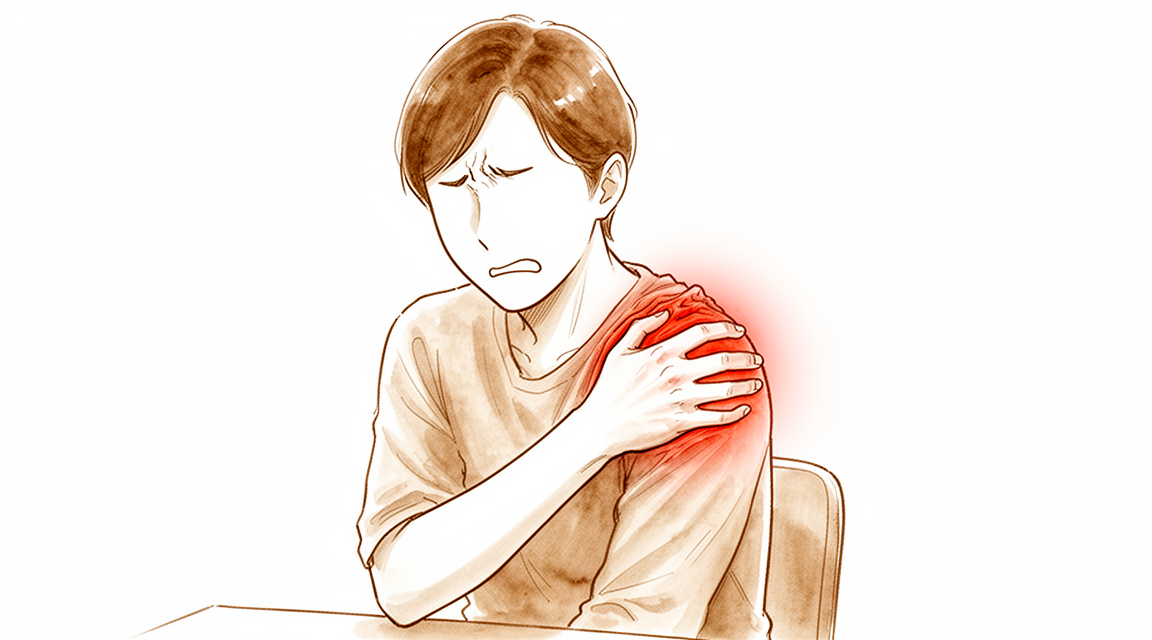
Rotator cuff disorders: common causes of shoulder pain, ranging from mild ache to debilitating injury.
What you're feeling
Rotator cuff disease is common, and it becomes more likely as you get older. You may feel pain in the front of your shoulder or on the outside of your upper arm. This pain often comes from the tendons that help lift your arm. You might also notice aching in the front of your shoulder if the biceps tendon is involved. This tendon runs along the front of your arm and works with the rotator cuff.
Your symptoms can feel mechanical, like catching or grinding in the joint. This is a common complaint. The pain often flares up at night, making it hard to sleep on that side. You might also feel stiff when you first wake up. After using your arm, the ache may worsen. However, the length of time you have had these symptoms does not tell us how severe the tear is. Some people have large tears with little pain, while others have small tears with significant discomfort.
Daily tasks can become difficult. Reaching behind your back to fasten a bra or tuck in a shirt may feel awkward or painful. Lifting objects overhead can trigger sharp pain. You might find yourself avoiding certain movements to protect the shoulder. Subjective feelings of instability or weakness are also common. These sensations can make you feel like your shoulder is not working correctly.
It is important to know that your mental health plays a big role in how much pain you feel and how well your shoulder functions. This connection can be stronger than the actual size of the tear. Your surgeon will look at your whole picture, including your age and activity level, to decide on the best path forward. Whether you choose surgery or non-surgical care, both options can be effective. The goal is to reduce your pain and help you return to the activities you enjoy. If your diagnosis is unclear, your surgeon may focus on treating your shoulder pain directly to avoid unnecessary procedures.
What's actually happening
Your shoulder is a ball-and-socket joint. The ball sits in a shallow socket. A group of four tendons, called the rotator cuff, wraps around the ball like a sleeve. These tendons hold the ball in place and help you lift your arm. This condition is widespread and becomes more common as you age.
When you tear a tendon, the balance of your shoulder changes. The ball may slide upward instead of staying centered in the socket. This is called superior migration. It happens because the tendon can no longer pull the ball down. Over time, this misalignment causes friction and wear. Untreated chronic tears can lead to arthrosis, which is wear-and-tear arthritis of the joint.
The pain and weakness you feel come from this instability. The joint capsule, which is the sleeve around the shoulder, may stretch or tear. This allows the bones to rub against each other. In some cases, the muscles around the shoulder change position to compensate. This alters how your shoulder moves during everyday tasks.
Your surgeon looks at these mechanical changes to decide on treatment. Both surgical and nonsurgical options can be effective. The goal is to restore normal movement and reduce pain. In some cases, procedures aim to restore the natural position of the ball in the socket. This helps relieve pressure on the joint.
Mental health plays a role in how you experience this pain. It can be just as important as the size of the tear. Your expectations also directly influence your outcome. Understanding what is happening inside your shoulder helps you prepare for recovery.
What we can do about it
You have options to manage rotator cuff disease, and both non-surgical and surgical paths can be effective. The right choice depends on your specific tear, age, and overall health. For many patients, starting with self-care and physical therapy is a viable path. At 13 years after diagnosis, about 90% of patients treated conservatively for rotator cuff tears had no or only slight pain. At 13 years after diagnosis, about 70% of patients treated conservatively for rotator cuff tears had no disturbance in activities of daily life.
Physical therapy aims to strengthen the muscles around your shoulder to improve function and reduce pain. A specific physical therapy protocol is effective for treating atraumatic full-thickness rotator cuff tears in approximately 75% of patients followed up for 2 years. If you have a non-traumatic supraspinatus tear, conservative treatment should be considered as the primary method of treatment. Your surgeon may advise you to avoid shoulder motions that cause impingement, which is when tissues get pinched in the shoulder joint. Mental health also plays a significant role; it has a stronger association with patient-reported shoulder pain and function than tear size in patients with full-thickness rotator cuff tears.
Medical management focuses on pain relief and reducing inflammation. While corticosteroid injections are sometimes used, there is little reproducible evidence to support their efficacy in managing rotator cuff disease. You should take caution if considering these injections, as they should be withheld if a rotator cuff repair is to be performed within the following 6 months. Current limited evidence suggests that platelet-rich plasma (PRP) injections may not be beneficial for the nonoperative treatment of chronic rotator cuff disease in the short term. Pain medication and anti-inflammatories can help manage symptoms while you engage in therapy.
Surgery is considered when conservative care has reached its limit or if you have a traumatic tear that is not healing. Arthroscopic rotator cuff repair is an effective and safe option to treat symptoms of rotator cuff tears, with clinical results that are durable with time. This procedure is favored for improving shoulder function, and other procedures or intraarticular treatments offer no significant benefits compared to arthroscopic rotator cuff repair for this goal. For massive or irreparable tears, partial repair can be effective in reducing pain and improving function by restoring balance to the force couple. In cases where the joint itself is damaged, such as with arthropathy, a reverse shoulder prosthesis may be reserved for treatment, though it is contraindicated in patients with rheumatoid arthritis. Your surgeon will carefully consider your risk factors for repair failure when planning your treatment.
What to expect
Your outlook depends largely on whether you choose surgery or conservative care. For small to medium tears, surgery offers better long-term pain relief and function than physical therapy alone, with benefits lasting up to 15 years. If you have a large or massive tear, surgery can still provide a satisfactory long-term outcome. Even if you need revision surgery, your short-term results are similar to those of your first repair.
If you manage your tear without surgery, the course is often gentle. About 90% of patients have no or only slight pain 13 years after diagnosis. About 70% have no disturbance in their daily activities at that same 13-year mark. However, untreated chronic tears can eventually lead to arthrosis, which is wear-and-tear arthritis. Surgery can alter this early natural history, giving you clinically relevant differences in pain and function compared to nonoperative treatment.
If you undergo repair, your recovery is a gradual process. You will experience approximately 60% of your ultimate functional recovery at 3 months after surgery. By 6 months, you will have reached approximately 75% functional recovery. One year after surgery does not determine your long-term outcome, so patience is key.
Your age and expectations shape your result. If you are fifty years of age or younger, you can expect long-term pain relief. However, you may not see significant long-term improvement in motion. A large proportion of patients in this age group have an unsatisfactory long-term result. Your mental health also plays a strong role in how you perceive pain and function, sometimes more than the size of the tear itself. Directly aligning your expectations with your surgeon helps ensure a better outcome.
When to see someone
See your GP if you have shoulder pain that does not improve with rest. Ask for a specialist review if you notice weakness or instability in the joint. Seek care if your shoulder locks or gives way. Contact your doctor if symptoms interfere with your sleep or work. Sudden worsening of pain is also a reason to seek help. Remember, the length of time you have had symptoms does not tell us how severe the tear is. Untreated chronic tears can lead to wear-and-tear arthritis over time. Early evaluation helps prevent further damage and ensures you get the right treatment plan for your specific needs.
Evidence & references
title: "Rotator Cuff Disorders" slug: rotator-cuff-disorders region: shoulder audience: patient mesh_terms: ["Rotator Cuff", "Shoulder Pain", "Tendinopathy", "Shoulder", "Rupture", "Acromion", "Shoulder Injuries", "Severity of Illness Index"] article_count: 362 model_used: Qwen3.6-35B-A3B-Q8_0.gguf generated_at: '2026-06-16T19:24:29+00:00' key_articles: - title: "Rotator cuff disorders: Recognition and management among patients with shoulder pain" ref_num: 1 evidence_tier: paper evidence_level: 4 doi: 10.1002/art.20668 year: 2004 - title: "Arthroscopic Revision Rotator Cuff Repair" ref_num: 2 evidence_tier: paper evidence_level: 5 doi: 10.5435/00124635-201111000-00002 year: 2011 - title: "Management of Disorders of the Rotator Cuff: Proceedings of the ISAKOS Upper Extremity Committee Consensus Meeting" ref_num: 3 evidence_tier: paper evidence_level: 5 doi: 10.1016/j.arthro.2013.07.265 year: 2013 - title: "Rotator cuff tear arthropathy and deltoid avulsion treated with reverse total shoulder arthroplasty and latissimus dorsi transfer: case report and review of the literature" ref_num: 4 evidence_tier: case_report evidence_level: 4 doi: 10.1016/j.jse.2011.09.023 year: 2012 - title: "Arthroscopy and the Dramatic Increase in Frequency of Anterior Acromioplasty From 1980 to 2005: An Epidemiologic Study" ref_num: 5 evidence_tier: paper evidence_level: 3 doi: 10.1016/j.arthro.2010.02.029 year: 2010 - title: "Understanding the Importance of the Teres Minor for Shoulder Function: Functional Anatomy and Pathology" ref_num: 6 evidence_tier: paper evidence_level: 5 doi: 10.5435/jaaos-d-15-00258 year: 2018 - title: "Biceps tendinitis in chronic rotator cuff tears: A histologic perspective" ref_num: 8 evidence_tier: paper evidence_level: 4 doi: 10.1016/j.jse.2008.05.044 year: 2008 - title: "The development and validation of an appraisal method for rotator cuff disorders: The Korean Shoulder Scoring System" ref_num: 9 evidence_tier: paper evidence_level: 4 doi: 10.1016/j.jse.2008.11.019 year: 2009 - title: "Predictors of pain development for contralateral asymptomatic degenerative rotator cuff tears based on features of an ipsilateral painful cuff tear: a prospective longitudinal cohort study" ref_num: 10 evidence_tier: paper evidence_level: 2 doi: 10.1016/j.jse.2023.09.008 year: 2024 - title: "Patient‐Reported Outcomes After Use of a Bioabsorbable Collagen Implant to Treat Partial and Full‐Thickness Rotator Cuff Tears" ref_num: 11 evidence_tier: paper evidence_level: 4 doi: 10.1016/j.arthro.2019.02.019 year: 2019 - title: "Conservative versus surgical management for patients with rotator cuff tears: a systematic review and META-analysis" ref_num: 12 evidence_tier: paper evidence_level: 1 doi: 10.1186/s12891-020-03872-4 year: 2021 - title: "Indications for Reverse Total Shoulder Arthroplasty in Rotator Cuff Disease" ref_num: 13 evidence_tier: paper evidence_level: 5 doi: 10.1007/s11999-009-1188-9 year: 2010 - title: "Relationship of radiographic acromial characteristics and rotator cuff disease: a prospective investigation of clinical, radiographic, and sonographic findings" ref_num: 14 evidence_tier: paper evidence_level: 3 doi: 10.1016/j.jse.2011.09.028 year: 2012 - title: "Sonographic evaluation of the shoulder in asymptomatic elderly subjects with diabetes" ref_num: 15 evidence_tier: paper evidence_level: 3 doi: 10.1186/1471-2474-11-278 year: 2010 - title: "Arthroscopic decompression not recommended in the treatment of rotator cuff tendinopathy" ref_num: 16 evidence_tier: paper evidence_level: 1 doi: 10.1302/0301-620x.99b6.bjj-2016-0569.r1 year: 2017 - title: "Chronic Massive Rotator Cuff Tears: Evaluation and Management" ref_num: 17 evidence_tier: paper evidence_level: 5 doi: 10.5435/00124635-200309000-00005 year: 2003 - title: "Results of early operative treatment of rotator cuff tears with acute symptoms" ref_num: 18 evidence_tier: paper evidence_level: 3 doi: 10.1016/j.jse.2005.07.006 year: 2006 - title: "Shoulder Arthroscopy Literature Remains Controversial" ref_num: 19 evidence_tier: paper evidence_level: 5 doi: 10.1016/j.arthro.2012.07.001 year: 2012 - title: "Factors Affecting Healing Rates after Arthroscopic Double-Row Rotator Cuff Repair" ref_num: 20 evidence_tier: paper evidence_level: 4 doi: 10.1177/0363546510382835 year: 2010 - title: "The Role of Platelet‐Rich Plasma in Arthroscopic Rotator Cuff Repair: A Systematic Review With Quantitative Synthesis" ref_num: 21 evidence_tier: paper evidence_level: 1 doi: 10.1016/j.arthro.2012.03.007 year: 2012 - title: "Suprascapular neuropathy: what does the literature show?" ref_num: 22 evidence_tier: paper evidence_level: 4 doi: 10.1016/j.jse.2011.11.033 year: 2012 - title: "Complete rotator cuff tendon avulsion and glenohumeral joint incarceration in a young patient: A case report" ref_num: 23 evidence_tier: case_report evidence_level: 4 doi: 10.1016/j.jse.2009.07.014 year: 2010 - title: "A value-based care analysis of magnetic resonance imaging in patients with suspected rotator cuff tendinopathy and the implicated role of conservative management" ref_num: 24 evidence_tier: paper evidence_level: 4 doi: 10.1016/j.jse.2019.04.003 year: 2019 - title: "The Role of Subacromial Decompression in Patients Undergoing Arthroscopic Repair of Full‐Thickness Tears of the Rotator Cuff: A Systematic Review and Meta‐analysis" ref_num: 26 evidence_tier: paper evidence_level: 1 doi: 10.1016/j.arthro.2011.11.022 year: 2012 - title: "Arthroscopic rotator cuff repair in the weight-bearing shoulder" ref_num: 27 evidence_tier: paper evidence_level: 4 doi: 10.1016/j.jse.2015.05.051 year: 2015 - title: "A Systematic Approach to Magnetic Resonance Imaging Interpretation of Sports Medicine Injuries of the Shoulder" ref_num: 28 evidence_tier: paper evidence_level: 5 doi: 10.1177/0363546505278255 year: 2005 - title: "Imaging of the Shoulder with Arthroscopic Correlation" ref_num: 29 evidence_tier: paper evidence_level: 4 doi: 10.1016/j.csm.2013.03.009 year: 2013 - title: "Coracoid morphology and humeral version as risk factors for subscapularis tears" ref_num: 30 evidence_tier: paper evidence_level: 3 doi: 10.1016/j.jse.2020.01.074 year: 2020 - title: "The Effect of Posterosuperior Rotator Cuff Tears and Biceps Loading on Glenohumeral Translation" ref_num: 31 evidence_tier: paper evidence_level: 5 doi: 10.1016/j.arthro.2009.09.007 year: 2010 - title: "Rotator Cuff Tears in Adolescent Athletes" ref_num: 32 evidence_tier: paper evidence_level: 4 doi: 10.1177/0363546504269033 year: 2005 - title: "The Efficacy of Subacromial Corticosteroid Injection in the Treatment of Rotator Cuff Disease: A Systematic Review" ref_num: 33 evidence_tier: paper evidence_level: 1 doi: 10.5435/00124635-200701000-00002 year: 2007 - title: "Surgical treatment of confirmed intratendinous rotator cuff tears: Retrospective analysis after an average of eight years of follow-up" ref_num: 34 evidence_tier: paper evidence_level: 4 doi: 10.1016/j.jse.2010.01.013 year: 2010 - title: "Rotator cuff disorders: a survey of current (2016) UK physiotherapy practice" ref_num: 35 evidence_tier: paper evidence_level: 4 doi: 10.1177/1758573217717103 year: 2017 - title: "Rotator Cuff Disorders: A Survey of Current Uk Physiotherapy Practice" ref_num: 36 evidence_tier: paper evidence_level: 4 doi: 10.1111/j.1758-5740.2011.00164.x year: 2012 - title: "Alterations in Glenohumeral Kinematics in Patients With Rotator Cuff Tears Measured With Biplane Fluoroscopy" ref_num: 37 evidence_tier: paper evidence_level: 3 doi: 10.1016/j.arthro.2015.08.031 year: 2015 - title: "The development and validation of a questionnaire for rotator cuff disorders: The Functional Shoulder Score" ref_num: 38 evidence_tier: paper evidence_level: 2 doi: 10.1177/1758573215578589 year: 2015 - title: "Indications for Arthroscopic Subacromial Decompression. A Level V Evidence Clinical Guideline" ref_num: 39 evidence_tier: paper evidence_level: 5 doi: 10.1016/j.arthro.2019.06.012 year: 2019 - title: "The role of pectoralis major and latissimus dorsi muscles in a biomechanical model of massive rotator cuff tear" ref_num: 40 evidence_tier: paper evidence_level: 5 doi: 10.1016/j.jse.2013.11.030 year: 2014 - title: "Patients With Impingement Syndrome With and Without Rotator Cuff Tears Do Well 20 Years After Arthroscopic Subacromial Decompression" ref_num: 41 evidence_tier: paper evidence_level: 4 doi: 10.1016/j.arthro.2015.08.026 year: 2015 - title: "Partial-Thickness Tears of the Rotator Cuff: Evaluation and Management" ref_num: 42 evidence_tier: paper evidence_level: 5 doi: 10.5435/00124635-199901000-00004 year: 1999 - title: "Bilateral magnetic resonance imaging findings in individuals with unilateral shoulder pain" ref_num: 43 evidence_tier: paper evidence_level: 3 doi: 10.1016/j.jse.2019.04.001 year: 2019 - title: "Subacromial Platelet‐Rich Plasma Injections Produce Significantly Worse Improvement in Functional Outcomes in Patients With Partial Supraspinatus Tears Than in Patients With Isolated Tendinopathy" ref_num: 44 evidence_tier: paper evidence_level: 2 doi: 10.1016/j.arthro.2023.03.019 year: 2023 - title: "Non-operative orthobiologic use for rotator cuff disorders and glenohumeral osteoarthritis: A systematic review" ref_num: 45 evidence_tier: paper evidence_level: 2 doi: 10.3233/bmr-201844 year: 2021 - title: "Anatomy, Function, Injuries, and Treatment of the Long Head of the Biceps Brachii Tendon" ref_num: 46 evidence_tier: paper evidence_level: 5 doi: 10.1016/j.arthro.2010.10.014 year: 2011 - title: "Critical Shoulder Angle and Acromial Index Do Not Influence 24-Month Functional Outcome After Arthroscopic Rotator Cuff Repair" ref_num: 47 evidence_tier: paper evidence_level: 3 doi: 10.1177/0363546517717947 year: 2017 - title: "Editorial Commentary: Options Abound for Calcific Tendonitis of the Shoulder Without a Rotator Cuff Tear" ref_num: 48 evidence_tier: paper evidence_level: 5 doi: 10.1016/j.arthro.2015.11.003 year: 2016 - title: "Suprascapular nerve release does not provide additional benefits in arthroscopic rotator cuff repair surgery: a systematic review and meta‐analysis" ref_num: 49 evidence_tier: paper evidence_level: 1 doi: 10.1007/s00167-022-07066-4 year: 2022 - title: "Rotator cuff re‐tear or non‐healing: histopathological aspects and predictive factors" ref_num: 50 evidence_tier: paper evidence_level: 2 doi: 10.1007/s00167-011-1521-1 year: 2011 - title: "Effect of anterior supraspinatus tendon partial-thickness tears on infraspinatus tendon strain through a range of joint rotation angles" ref_num: 51 evidence_tier: paper evidence_level: 5 doi: 10.1016/j.jse.2009.10.003 year: 2010 - title: "Arthroscopic findings of the glenohumeral joint in symptomatic anterior instabilities: comparison between overhead throwing disorders and traumatic shoulder dislocation" ref_num: 52 evidence_tier: paper evidence_level: 3 doi: 10.1016/j.jse.2022.10.005 year: 2023 - title: "The influence of partial subscapularis tendon tears combined with supraspinatus tendon tears" ref_num: 53 evidence_tier: paper evidence_level: 5 doi: 10.1016/j.jse.2013.09.015 year: 2014 - title: "Predictors of pain and functional outcomes after operative treatment for rotator cuff tears" ref_num: 54 evidence_tier: paper evidence_level: 2 doi: 10.1016/j.jse.2018.04.016 year: 2018 - title: "Serial structural and functional assessments of rotator cuff repairs: do they differ at 6 and 19 months postoperatively?" ref_num: 55 evidence_tier: paper evidence_level: 4 doi: 10.1016/j.jse.2011.05.027 year: 2012 - title: "Nonoperative Treatment of Rotator Cuff Disease With Platelet‐Rich Plasma: A Systematic Review of Randomized Controlled Trials" ref_num: 56 evidence_tier: paper evidence_level: 2 doi: 10.1016/j.arthro.2018.10.115 year: 2019 - title: "Relationship Between Deltoid and Rotator Cuff Muscles During Dynamic Shoulder Abduction: A Biomechanical Study of Rotator Cuff Tear Progression" ref_num: 57 evidence_tier: paper evidence_level: 5 doi: 10.1177/0363546518768276 year: 2018 - title: "Evaluating postoperative rotator cuff healing: Prospective comparison of MRI and ultrasound" ref_num: 58 evidence_tier: paper evidence_level: 3 doi: 10.1016/j.otsr.2015.06.006 year: 2015 - title: "Shoulder kinematics in patients with full-thickness rotator cuff tears after a subacromial injection" ref_num: 59 evidence_tier: paper evidence_level: 3 doi: 10.1016/j.jse.2007.05.010 year: 2008 - title: "Long‐Term Outcome of a Consecutive Series of Subscapularis Tendon Tears Repaired Arthroscopically" ref_num: 60 evidence_tier: paper evidence_level: 4 doi: 10.1016/j.arthro.2012.02.031 year: 2012 - title: "Editorial Commentary: Critical Shoulder Angle: Perhaps Not So “Critical” for Clinical Outcomes Following Rotator Cuff Repair" ref_num: 61 evidence_tier: paper evidence_level: 5 doi: 10.1016/j.arthro.2018.06.020 year: 2018 - title: "The critical shoulder angle does not change over time: a radiographic study" ref_num: 62 evidence_tier: paper evidence_level: 3 doi: 10.1016/j.jse.2020.09.042 year: 2021 - title: "Relative contributions of the supraspinatus cord and strap tendons to shoulder abduction and translation" ref_num: 63 evidence_tier: paper evidence_level: 5 doi: 10.1016/j.jse.2023.07.003 year: 2024 - title: "Editorial Commentary: Is Magnetic Resonance Imaging of the Shoulder Ever Appropriate in Evaluating Patients With Calcific Tendinopathy of the Rotator Cuff?" ref_num: 64 evidence_tier: commentary evidence_level: 5 doi: 10.1016/j.arthro.2020.01.014 year: 2020 - title: "A Systematic Approach for Diagnosing Subscapularis Tendon Tears With Preoperative Magnetic Resonance Imaging Scans" ref_num: 65 evidence_tier: paper evidence_level: 3 doi: 10.1016/j.arthro.2012.04.142 year: 2012 - title: "The Law of Use and Disuse: Critical Shoulder Angle and Rotator Cuff Tears—Association Does Not Imply Causation" ref_num: 66 evidence_tier: paper evidence_level: 5 doi: 10.1016/j.arthro.2020.04.030 year: 2020 - title: "Muscle Gene Expression Patterns in Human Rotator Cuff Pathology" ref_num: 67 evidence_tier: paper evidence_level: 4 doi: 10.2106/jbjs.m.01585 year: 2014 - title: "Diagnostic accuracy of ultrasonography, MRI and MR arthrography in the characterisation of rotator cuff disorders: a systematic review and meta-analysis" ref_num: 68 evidence_tier: paper evidence_level: 1 doi: 10.1136/bjsports-2014-094148 year: 2015 - title: "Platelet-Rich Plasma Injection With Arthroscopic Acromioplasty for Chronic Rotator Cuff Tendinopathy" ref_num: 69 evidence_tier: paper evidence_level: 1 doi: 10.1177/0363546515608485 year: 2015 - title: "Moderate value of non‐contrast magnetic resonance imaging after non‐dislocating shoulder trauma" ref_num: 70 evidence_tier: paper evidence_level: 4 doi: 10.1007/s00167-014-3102-6 year: 2014 - title: "No Difference in Postoperative Pain After Arthroscopic versus Open Rotator Cuff Repair" ref_num: 71 evidence_tier: paper evidence_level: 2 doi: 10.1007/s11999-014-3715-6 year: 2014 - title: "Real-time sonoelastography in the diagnosis of rotator cuff tendinopathy" ref_num: 72 evidence_tier: paper evidence_level: 3 doi: 10.1016/j.jse.2015.10.019 year: 2016 - title: "The human acromion viewed from an evolutionary perspective" ref_num: 73 evidence_tier: paper evidence_level: 5 doi: 10.1016/j.otsr.2014.09.011 year: 2014 - title: "Arthroscopic Repair of Partial-Thickness and Small Full-Thickness Rotator Cuff Tears" ref_num: 75 evidence_tier: paper evidence_level: 3 doi: 10.1177/0363546514561004 year: 2014 - title: "Comparative Effectiveness of Operative Versus Nonoperative Treatment for Rotator Cuff Tears: A Propensity Score Analysis From the ROW Cohort" ref_num: 76 evidence_tier: paper evidence_level: 3 doi: 10.1177/0363546519873840 year: 2019 - title: "Reliability of a 3 T MRI protocol for objective grading of supraspinatus tendonosis and partial thickness tears" ref_num: 77 evidence_tier: paper evidence_level: 4 doi: 10.1186/s13018-014-0128-x year: 2014 - title: "Altered Cervical Spine Position Results in Decreased Shoulder Rotation Strength" ref_num: 78 evidence_tier: paper evidence_level: 3 doi: 10.1097/corr.0000000000002212 year: 2022 - title: "Symptomatic Rotator Cuff Tears Show Higher Radioisotope Uptake on Bone Scintigraphy Compared With Asymptomatic Tears" ref_num: 79 evidence_tier: paper evidence_level: 3 doi: 10.1177/0363546513494741 year: 2013 - title: "Magnetic Resonance Imaging of the Shoulder in Asymptomatic Professional Baseball Pitchers" ref_num: 80 evidence_tier: paper evidence_level: 4 doi: 10.1177/03635465020300012501 year: 2002 - title: "Minimal Clinically Important Differences in ASES and Simple Shoulder Test Scores After Nonoperative Treatment of Rotator Cuff Disease" ref_num: 83 evidence_tier: paper evidence_level: 2 doi: 10.2106/jbjs.h.01296 year: 2010 - title: "Medium-term natural history of subacromial impingement syndrome" ref_num: 84 evidence_tier: paper evidence_level: 2 doi: 10.1016/j.jse.2015.06.007 year: 2015 - title: "Critical period and risk factors for retear following arthroscopic repair of the rotator cuff" ref_num: 85 evidence_tier: paper evidence_level: 3 doi: 10.1007/s00167-016-4276-x year: 2016 synthesis_version: "v2" verifier_status: skipped
Overview
- The majority of rotator cuff disorders are amenable to conservative treatment [1].
- Rotator cuff dysfunction may necessitate surgical treatment [1].
- The major indication for revision rotator cuff repair is the persistence of clinical symptoms despite nonsurgical management in the absence of substantial risk factors for failure [2].
- Rotator cuff injuries are most accurately diagnosed with a combination of cuff- and impingement-specific clinical tests [3].
- Deltoid complications combined with rotator cuff pathology represent a rare but devastating complication with no well-described surgical option [4].
- Treatment of chronic massive rotator cuff tears is challenging, and results are comparatively inferior to those of treating patients with smaller rotator cuff tears [17].
- Shoulder arthroscopy literature remains controversial, with conclusions often unsupported due to bias and limitations [19].
- No clinical guidelines for shoulder arthroscopy are definitive pending higher levels of evidence [19].
- No recommendations regarding suprascapular nerve release in conjunction with rotator cuff repair can be made at this time [22].
- Further research is necessary to better delineate the indications for suprascapular nerve release in conjunction with rotator cuff repair [22].
- Open approaches for rotator cuff repairs continue to have indications in certain circumstances, such as complete rotator cuff tendon avulsion and glenohumeral joint incarceration after high-velocity trauma [23].
- There is no statistically significant difference in subjective outcome after arthroscopic rotator cuff repair with or without acromioplasty at intermediate follow-up [26].
- Critical shoulder angle and acromial index do not appear to influence 24-month functional outcomes postoperatively [47].
- Critical shoulder angle and acromial index are not contraindications to arthroscopic rotator cuff repair [47].
- Predictors of pain and functional outcomes after operative treatment for rotator cuff tears can be used to select optimal candidates for operative treatment [54].
- Predictors of pain and functional outcomes after operative treatment for rotator cuff tears can assist with patient education and expectations before treatment [54].
- There were no differences of clinically relevant size between arthroscopic and open rotator cuff surgery in postoperative pain in a comparative series [71].
Anatomy & Pathophysiology
- Understanding the function and pathology surrounding the teres minor is paramount in comprehensive management of patients with shoulder pathology [6].
- A systematic approach to magnetic resonance imaging interpretation of shoulder injuries describes the normal imaging appearance of each anatomical structure, the most useful pulse sequences and imaging planes, and signs of injury [28].
- Imaging is an essential tool for evaluation of patients with shoulder pain, and understanding the extent of an injury with imaging is key to successful management [29].
- Tears of the subscapularis have greater biomechanical consequences than do tears of the infraspinatus [31].
- Dynamic superior migration of the humeral head during abduction occurs in patients with rotator cuff tears, as confirmed by in vivo 3D kinematic analysis [37].
- In massive rotator cuff tears, the pectoralis major and latissimus dorsi muscles are effective in improving glenohumeral kinematics and reducing acromiohumeral pressures [40].
- Biomechanical studies indicate that the long head of the biceps contributes to stability of the glenohumeral joint in all directions, although in vivo studies have not yet established this stabilizing effect or the physiologic load required [46].
- Increasing supraspinatus tendon loading causes a mechanical interaction between the supraspinatus and infraspinatus tendons, paralleling the increase in supraspinatus tendon strain [51].
- The physiopathology of symptomatic anterior instabilities is related to dysfunction of the anterosuperior glenohumeral capsular ligament rather than the inferior glenohumeral ligament [52].
- Additional repair of a partial subscapularis tear combined with a supraspinatus tear did not affect external rotation or glenohumeral kinematics [53].
- Shoulders with rotator cuff tears require considerable compensatory deltoid function to prevent abduction motion loss [57].
- Pain reduction from subacromial injection causes shifts in scapulohumeral rhythm, resulting in increased glenohumeral motion and reduced reliance on scapular rotation [59].
- The clinical evidence to support correction of the critical shoulder angle with lateral acromioplasty is insufficient, and further research is required to demonstrate an association between critical shoulder angle and clinical outcomes before treatment algorithms should be altered [61].
- The critical shoulder angle, posterior acromial height, and posterior acromial tilt do not change significantly over a long-term follow-up of at least 10 years, supporting the hypothesis that these scapular morphologic parameters are stable anthropometric characteristics [62].
- Simulated isolated supraspinatus cord and strap tears significantly reduced shoulder abduction force, with cord tears causing a larger decline than strap tears [63].
- The critical shoulder angle may not be responsible for rotator cuff tears; rather, patient activities throughout several decades could induce both cuff lesions and bone remodeling at the acromial level [66].
- The human scapula has two distinctive characteristics: a lateral orientation of the glenoid cavity and a narrow coraco-acromial arch [73].
- Cervical spine position may cause decreased shoulder rotation strength, meaning clinicians should assess shoulder strength in the position the patient requires to use their shoulder because weakness may be missed in standard testing positions [78].
Classification
- Rotator cuff disorders are recognized and managed conditions among patients with shoulder pain [1].
- Rotator cuff dysfunction may necessitate surgical treatment [1].
- The majority of rotator cuff conditions are amenable to conservative treatment [1].
- The major indication for revision rotator cuff repair is the persistence of clinical symptoms despite nonsurgical management in the absence of substantial risk factors for failure [2].
- Rotator cuff injuries are most accurately diagnosed with a combination of cuff- and impingement-specific clinical tests [3].
- Deltoid complications combined with rotator cuff pathology represent a rare but devastating complication with no well-described surgical option [4].
- Increasing knowledge about rotator cuff syndrome, including better imaging, has facilitated patient treatment for a stable spectrum of rotator cuff pathology [5].
- The application of endoscopic surgery has facilitated patient treatment for a stable spectrum of rotator cuff pathology [5].
- Rotator cuff disease, shoulder instability, and associated lesions are common pathologic conditions of the shoulder involving soft tissues [7].
- In the context of rotator cuff disease, the etiology of anterior shoulder pain with macroscopic changes in the biceps tendon is related to the complex interaction of the tendon and surrounding soft tissues, rather than a single entity [8].
- The Korean Shoulder Scoring System (KSS) is a useful measurement tool that combines subjective and objective evaluations for shoulder function related to rotator cuff disorders [9].
- The acromial morphology classification system is an unreliable method to assess the acromion [14].
- The acromial index shows no association with the presence of rotator cuff disease [14].
- A classification system exists to divide coracoids according to their morphology and relative risk of associated subscapularis tears [30].
- Comparing histopathological data with demographical information allows for the identification of rotator cuff tears at risk of repair failure [50].
- Gene expression in human rotator cuff muscles varied according to tendon injury severity [67].
Clinical Presentation
- Rotator cuff disorders are amenable to conservative treatment in the majority of cases [1].
- Rotator cuff dysfunction may necessitate surgical treatment [1].
- The major indication for revision rotator cuff repair is the persistence of clinical symptoms despite nonsurgical management in the absence of substantial risk factors for failure [2].
- Rotator cuff injuries are most accurately diagnosed with a combination of cuff- and impingement-specific clinical tests [3].
- Deltoid complications combined with rotator cuff pathology represent a rare but devastating complication with no well-described surgical option [4].
- Increasing knowledge about rotator cuff syndrome, including better imaging, has facilitated patient treatment for a stable spectrum of rotator cuff pathology [5].
- The application of endoscopic surgery has facilitated patient treatment for a stable spectrum of rotator cuff pathology [5].
- Understanding the function and pathology surrounding the teres minor is paramount in comprehensive management of the patient with shoulder pathology [6].
- Rotator cuff disease, shoulder instability, and associated lesions are common pathologic conditions of the shoulder involving soft tissues [7].
- In the context of rotator cuff disease, the etiology of anterior shoulder pain with macroscopic changes in the biceps tendon is related to the complex interaction of the tendon and surrounding soft tissues, rather than a single entity [8].
- The Korean Shoulder Scoring System (KSS) is a useful measurement tool that combines subjective and objective evaluations for shoulder function related to rotator cuff disorders [9].
- In one-quarter of patients with painful cuff tears, pain developed in a contralateral asymptomatic cuff tear that resulted in a measurable decline in function within 3 years [10].
- The acromial morphology classification system is an unreliable method to assess the acromion [14].
- The acromial index shows no association with the presence of rotator cuff disease [14].
- Ultrasound is an useful tool for discovering in pre-symptomatic stages subjects that may undergo shoulder symptomatic pathologies [15].
- Rotator cuff injuries in adolescents may be overlooked as a cause of disability, leading to significant delays in diagnosis [32].
- Intratendinous rotator cuff tears are difficult to diagnose preoperatively [34].
- Current physiotherapy practice in relation to rotator cuff disorders is variable [35].
- Current physiotherapy practice in relation to rotator cuff disorders is variable [36].
- The Functional Shoulder Score (FSS) is a patient-reported outcome measure that can easily be incorporated into clinical practice [38].
- The FSS provides a quick, reliable, valid and practical measure for rotator cuff problems [38].
Investigations
- Rotator cuff dysfunction may necessitate surgical treatment [1].
- Rotator cuff injuries are most accurately diagnosed with a combination of cuff- and impingement-specific clinical tests [3].
- Better imaging has facilitated patient treatment for a stable spectrum of rotator cuff pathology [5].
- Ultrasound is an useful tool for discovering subjects in pre-symptomatic stages that may undergo shoulder symptomatic pathologies [15].
- The use of MRI before a trial of conservative management in patients with atraumatic shoulder pain, minimal to no strength deficits on physical examination, and suspected cuff tendinopathy other than full-thickness tears provides negative value in the management of these patients, at both the individual and population level [24].
- A systematic approach to the interpretation of a magnetic resonance examination of the shoulder describes the normal imaging appearance of each anatomical structure, the most useful pulse sequences and imaging planes, and the signs of injury [28].
- Imaging is an essential tool for evaluation of patients with shoulder pain [29].
- Understanding the extent of an injury with imaging is key to successful management [29].
- Most abnormal MRI findings were not different in frequency between symptomatic and asymptomatic shoulders [43].
- MRI and US provide similar assessments of postoperative rotator cuff healing, although US is less sensitive [58].
- Shoulder MRI may be warranted for preoperative planning in the select population of patients with chronic calcific tendinopathy and prolonged refractory pain, although the probability of identifying additional cuff pathology requiring surgical intervention is very low [64].
- Preoperative MRI scans of the shoulder interpreted by orthopaedic surgeons with a systematic approach resulted in improved accuracy in diagnosing subscapularis tendon tears compared with previous studies [65].
- The diagnostic accuracy of US, MRI and MRA in the characterisation of full-thickness rotator cuff tears is high with overall estimates of sensitivity and specificity over 0.90 [68].
- A non-contrast shoulder MRI obtained in the community setting after non-dislocating shoulder trauma has a moderate sensitivity for most intraarticular pathologies when interpreted by musculoskeletal radiologists [70].
- The MRI tendinosis grade is associated with stiffness assessed using sonoelastography in patients with rotator cuff tendinopathy [72].
- Tendinosis severity assessed by preoperative MRI was the only factor associated with failure to heal in patients with partial-thickness and small full-thickness rotator cuff tears [75].
- A 3 T MRI protocol can be applied to evaluate morphological tendon outcomes after different treatment modalities [77].
- Shoulders with a symptomatic rotator cuff tear showed higher radioisotope uptake on bone scintigraphy than those with an asymptomatic tear [79].
- Unenhanced magnetic resonance imaging of the shoulder in asymptomatic high performance throwing athletes reveals abnormalities that may encompass a spectrum of nonclinical findings [80].
Treatment
Non-Operative Management
- The majority of rotator cuff disorders are amenable to conservative treatment [1].
- MRI use before a trial of conservative management in patients with atraumatic shoulder pain, minimal to no strength deficits, and suspected cuff tendinopathy (other than full-thickness tears) provides negative value at both individual and population levels [24].
- Nonoperative treatment is appropriate as initial therapy for partial-thickness rotator cuff tears [42].
- There is little reproducible evidence to support the efficacy of subacromial corticosteroid injection in managing rotator cuff disease [33].
- Orthobiologics offer a relatively safe management option for rotator cuff pathology, but evidence is inconclusive for or against its use [45].
- Limited evidence suggests that platelet-rich plasma (PRP) injections may not be beneficial in the short term for the nonoperative treatment of chronic rotator cuff disease [56].
- Subacromial PRP injections produce significantly worse improvement in functional outcomes in patients with partial supraspinatus tears compared to patients with isolated tendinopathy [44].
Operative Management
- Rotator cuff dysfunction may necessitate surgical treatment when conservative options are insufficient [1].
- Early operative treatment appears to be better for rotator cuff tears with a sudden onset of symptoms and poor function to achieve maximal return of shoulder function [18].
- Patients undergoing operative treatment for rotator cuff tears had significantly better pain and functional outcomes compared with patients undergoing nonoperative treatment in a prospective cohort study [76].
- Treatment results for chronic massive rotator cuff tears are comparatively inferior to those for smaller rotator cuff tears [17].
- Open approaches for rotator cuff repairs continue to have indications in certain circumstances, such as complete tendon avulsion and glenohumeral joint incarceration following high-velocity trauma [23].
- Arthroscopic revision rotator cuff repair is indicated for the persistence of clinical symptoms despite nonsurgical management in the absence of substantial risk factors for failure [2].
- Repair of partial- and full-thickness rotator cuff tears using a bioinductive implant shows safety and efficacy at 1-year follow-up [11].
- Arthroscopy is a safe and effective treatment for symptomatic calcific tendonitis of the shoulder, including or excluding patients with rotator cuff tears [48].
- For patients with intact rotator cuffs and calcific tendonitis, needling or extracorporeal shockwave therapy (ESWT) may be beneficial alternatives to arthroscopy in some cases [48].
Arthroscopic Subacromial Decompression (SAD)
- Following nonoperative treatment for at least 6 weeks, SAD is a viable and good surgical option for shoulder impingement with an intact rotator cuff [39].
- SAD without cuff repair appears to be a safe, efficacious, and sustainable procedure for patients with partial rotator cuff tears [41].
- Operative management for partial-thickness tears, including arthroscopic subacromial decompression, is considered when nonoperative treatment fails [42].
Adjunctive Procedures and Implants
- PRP does not have an effect on overall retear rates or shoulder-specific outcomes after arthroscopic rotator cuff repair [21].
- Routine arthroscopic suprascapular nerve release (SSNR) is not recommended when treating patients with rotator cuff tear [49].
- No recommendations regarding suprascapular nerve release in conjunction with rotator cuff repair can be made at this time, and further research is necessary [22].
Reverse Total Shoulder Arthroplasty (RTSA)
- Severely impaired deltoid function is a contraindication to RTSA [13].
- An isolated supraspinatus tear is a contraindication to RTSA [13].
- The presence of full active shoulder elevation with a massive rotator cuff tear and arthritis is a contraindication to RTSA [13].
Evidence Quality
- Conclusions in shoulder arthroscopy literature are often unsupported due to bias and limitations, and no clinical guidelines are definitive pending higher levels of evidence [19].
Complications
- Rotator cuff dysfunction may necessitate surgical treatment [1].
- Deltoid complications combined with rotator cuff pathology represent a rare but devastating complication with no well-described surgical option [4].
- In one-quarter of patients with painful cuff tears, pain developed in a contralateral asymptomatic cuff tear that resulted in a measurable decline in function within 3 years [10].
- Arthroscopic rotator cuff repair leads to a structural failure rate of 33% but satisfactory functional results with high patient satisfaction at midterm follow-up [27].
Recovery
- The majority of rotator cuff disorders are amenable to conservative treatment, although rotator cuff dysfunction may necessitate surgical treatment [1].
- Conservative versus surgical management for rotator cuff tears does not result in significantly improved shoulder function (evaluated by CMS) at a 2-year follow-up [12].
- Arthroscopic decompression is not recommended in the treatment of rotator cuff tendinopathy [16].
- The natural history of rotator cuff tendinopathy probably plays a significant role in long-term results [16].
- Arthroscopic acromioplasty significantly improves long-term clinical outcomes up to 2 years for chronic rotator cuff tendinopathy when used with platelet-rich plasma injection [69].
- Patients with rotator cuff disease treated without surgery experience a clinically important change in self-assessed outcome with a 2-point change in the Simple Shoulder Test (SST) score or a 12 to 17-point change in the American Shoulder and Elbow Surgeons (ASES) score [83].
- Younger age, lower BMI, more functional capacity, a shorter symptomatic period, reversible changes on MRI, and higher Constant and ASES scores at the first evaluation are good prognostic factors for the natural course of subacromial impingement syndrome [84].
- In one-quarter of patients with painful cuff tears, pain developed in a contralateral asymptomatic cuff tear that resulted in a measurable decline in function within 3 years [10].
- Early operative treatment appears to be better for rotator cuff tears with a sudden onset of symptoms and poor function to achieve maximal return of shoulder function [18].
- The major indication for revision rotator cuff repair is the persistence of clinical symptoms despite nonsurgical management in the absence of substantial risk factors for failure [2].
- Outcomes after repair of partial- and full-thickness rotator cuff tears using a bioinductive implant show safety and efficacy at 1-year follow-up [11].
- Arthroscopic rotator cuff repair leads to a structural failure rate of 33% but yields satisfactory functional results with high patient satisfaction at midterm follow-up [27].
- Increased age and longer duration of follow-up were associated with lower healing rates after double-row rotator cuff repair [20].
- The 'critical period' for healing following rotator cuff repair, during which risks of retears are high, extends to the first 6 months [85].
- Although functional status improved with time after 6 months, the structural status of repaired cuffs remained unchanged between 6 and 19 months postoperatively [55].
- Improvement in functional outcome after arthroscopic repair of a subscapularis tendon tear is maintained long-term [60].
Key Evidence
- [L4] The majority of conditions are amenable to conservative treatment, although rotator cuff dysfunction may necessitate surgical treatment. (10.1002/art.20668)
- [L5] The major indication for revision rotator cuff repair is the persistence of clinical symptoms despite nonsurgical management in the absence of substantial risk factors for failure. (10.5435/00124635-201111000-00002)
- [L5] Current consensus suggests rotator cuff injuries are most accurately diagnosed with a combination of cuff- and impingement-specific clinical tests. (10.1016/j.arthro.2013.07.265)
- [Case_report] Deltoid complications combined with rotator cuff pathology represent a rare but devastating complication with no well-described surgical option. (10.1016/j.jse.2011.09.023)
- [L3] Increasing knowledge about this syndrome, including better imaging, has facilitated patient treatment for a stable spectrum of rotator cuff pathology, as has the application of endoscopic surgery. (10.1016/j.arthro.2010.02.029)
- [L5] Understanding the function and pathology surrounding the teres minor is paramount in comprehensive management of the patient with shoulder pathology. (10.5435/jaaos-d-15-00258)
- [L4] In the context of rotator cuff disease, the etiology of anterior shoulder pain with macroscopic changes in the biceps tendon is related to the complex interaction of the tendon and surrounding soft tissues, rather than a single entity. (10.1016/j.jse.2008.05.044)
- [L4] The KSS is a useful measurement tool that combines subjective and objective evaluations for shoulder function related to rotator cuff disorders. (10.1016/j.jse.2008.11.019)
- [L2] In one-quarter of patients with painful cuff tears, pain developed in a contralateral asymptomatic cuff tear that resulted in a measurable decline in function within 3 years. (10.1016/j.jse.2023.09.008)
- [L4] Outcomes after repair of partial- and full-thickness rotator cuff tears using a bioinductive implant show safety and efficacy at 1-year follow-up. (10.1016/j.arthro.2019.02.019)
- [L1] At a 2-year follow-up, shoulder function evaluated in terms of CMS was not significantly improved. (10.1186/s12891-020-03872-4)
- [L5] Severely impaired deltoid function, an isolated supraspinatus tear, and the presence of full active shoulder elevation with a massive rotator cuff tear and arthritis are contraindications to RTSA. (10.1007/s11999-009-1188-9)
- [L3] The acromial morphology classification system is an unreliable method to assess the acromion, and the acromial index shows no association with the presence of rotator cuff disease. (10.1016/j.jse.2011.09.028)
- [L3] Ultrasound is an useful tool for discovering in pre-symptomatic stages the subjects that may undergo shoulder symptomatic pathologies. (10.1186/1471-2474-11-278)
- [L1] The natural history of rotator cuff tendinopathy probably plays a significant role in the results in the long-term. (10.1302/0301-620x.99b6.bjj-2016-0569.r1)
- [L5] However, treatment of these patients is challenging, and results are comparatively inferior to those of treating patients with smaller rotator cuff tears. (10.5435/00124635-200309000-00005)
- [L3] Early operative treatment appears to be better for rotator cuff tears with a sudden onset of symptoms and poor function to achieve maximal return of shoulder function. (10.1016/j.jse.2005.07.006)
- [L5] The editorial states that shoulder arthroscopy literature remains controversial, conclusions are often unsupported due to bias and limitations, and no clinical guidelines are definitive pending higher levels of evidence. (10.1016/j.arthro.2012.07.001)
- [L4] Increased age and longer duration of follow-up were associated with lower healing rates after double-row rotator cuff repair. (10.1177/0363546510382835)
- [L1] PRP does not have an effect on overall retear rates or shoulder-specific outcomes after arthroscopic rotator cuff repair. (10.1016/j.arthro.2012.03.007)
- [L4] No recommendations regarding suprascapular nerve release in conjunction with rotator cuff repair can be made at this time, and further research is necessary to better delineate the indications in the future. (10.1016/j.jse.2011.11.033)
- [Case_report] This case highlights the importance of the initial workup after high-velocity trauma and that open approaches for rotator cuff repairs continue to have indications in certain circumstances. (10.1016/j.jse.2009.07.014)
- [L4] The use of MRI before a trial of conservative management in patients with atraumatic shoulder pain, minimal to no strength deficits on physical examination, and suspected cuff tendinopathy other than full-thickness tears provides negative value in the management of these patients, at both the individual and population level. (10.1016/j.jse.2019.04.003)
- [L1] On the basis of the currently available literature, there is no statistically significant difference in subjective outcome after arthroscopic rotator cuff repair with or without acromioplasty at intermediate follow-up. (10.1016/j.arthro.2011.11.022)
- [L4] Arthroscopic rotator cuff repair leads to a structural failure rate of 33% but satisfactory functional results with high patient satisfaction at midterm follow-up. (10.1016/j.jse.2015.05.051)
- [L5] This article provides a systematic approach to the interpretation of a magnetic resonance examination of the shoulder, describing the normal imaging appearance of each anatomical structure, the most useful pulse sequences and imaging planes, and the signs of injury. (10.1177/0363546505278255)
- [L4] Imaging is an essential tool for evaluation of patients with shoulder pain; understanding the extent of an injury with imaging is key to successful management. (10.1016/j.csm.2013.03.009)
- [L3] This study was the first to create a classification system to divide coracoids according to their morphology and relative risk of associated subscapularis tears. (10.1016/j.jse.2020.01.074)
- [L5] Tears of the subscapularis have greater biomechanical consequences than do tears of the infraspinatus. (10.1016/j.arthro.2009.09.007)
- [L4] Rotator cuff injuries in adolescents may be overlooked as a cause of disability, leading to significant delays in diagnosis. (10.1177/0363546504269033)
- [L1] This systematic review of the available literature indicates that there is little reproducible evidence to support the efficacy of subacromial corticosteroid injection in managing rotator cuff disease. (10.5435/00124635-200701000-00002)
- [L4] Intratendinous rotator cuff tears are difficult to diagnose preoperatively. (10.1016/j.jse.2010.01.013)
- [L4] Current physiotherapy practice in relation to rotator cuff disorders is variable, which might reflect the lack of high-quality evidence available. (10.1177/1758573217717103)
- [L4] Current physiotherapy practice in relation to rotator cuff disorders is variable, which might reflect the lack of high-quality evidence available. (10.1111/j.1758-5740.2011.00164.x)
- [L3] This study confirms dynamic superior migration of the humeral head during abduction in patients with rotator cuff tears using in vivo 3D kinematic analysis. (10.1016/j.arthro.2015.08.031)
- [L2] The FSS is a patient-reported outcome measure that can easily be incorporated into clinical practice, providing a quick, reliable, valid and practical measure for rotator cuff problems. (10.1177/1758573215578589)
- [L5] Following nonoperative treatment for at least 6 weeks, SAD is a viable and good surgical option for the treatment of shoulder impingement with an intact rotator cuff. (10.1016/j.arthro.2019.06.012)
- [L5] In massive rotator cuff tear, the pectoralis major and latissimus dorsi muscles are effective in improving glenohumeral kinematics and reducing acromiohumeral pressures. (10.1016/j.jse.2013.11.030)
- [L4] ASD without cuff repair appears to be a safe, efficacious, and sustainable procedure for patients with partial rotator cuff tears. (10.1016/j.arthro.2015.08.026)
- [L5] Nonoperative treatment is appropriate as initial therapy, while operative management including arthroscopic subacromial decompression, debridement, or repair is considered when nonoperative treatment fails. (10.5435/00124635-199901000-00004)
- [L3] Most abnormal MRI findings were not different in frequency between symptomatic and asymptomatic shoulders. (10.1016/j.jse.2019.04.001)
- [L2] However, improvement in symptoms and functional outcomes was significantly worse in patients who had a partial-thickness rotator cuff tear compared with patients who had an isolated tendinopathy. (10.1016/j.arthro.2023.03.019)
- [L2] Orthobiologics offer a relatively safe management option with inconclusive evidence for or against its use for rotator cuff pathology. (10.3233/bmr-201844)
- [L5] Biomechanical studies indicate that the long head of the biceps contributes to stability of the glenohumeral joint in all directions, though in vivo studies have yet to establish this stabilizing effect and the physiologic load required remains unknown. (10.1016/j.arthro.2010.10.014)
- [L3] CSA and AI do not appear to influence 24-month functional outcomes postoperatively and hence are not contraindications to arthroscopic rotator cuff repair. (10.1177/0363546517717947)
- [L5] Arthroscopy is a safe and effective treatment for symptomatic calcific tendonitis of the shoulder, excluding or including patients with rotator cuff tears, but patients with intact cuffs could benefit from needling or ESWT in some cases. (10.1016/j.arthro.2015.11.003)
- [L1] Routine arthroscopic SSNR is not recommended when treating patients with rotator cuff tear. (10.1007/s00167-022-07066-4)
- [L2] Comparing histopathological data with demographical information allows for the identification of rotator cuff tears at risk of repair failure. (10.1007/s00167-011-1521-1)
- [L5] Increasing supraspinatus tendon loading causes a mechanical interaction between the two tendons, paralleling the increase in supraspinatus tendon strain. (10.1016/j.jse.2009.10.003)
- [L3] The physiopathology is related to dysfunction of the anterosuperior glenohumeral capsular ligament rather than the inferior glenohumeral ligament. (10.1016/j.jse.2022.10.005)
- [L5] Additional repair of the partial subscapularis tear with supraspinatus tear did not affect external rotation or glenohumeral kinematics. (10.1016/j.jse.2013.09.015)
- [L2] These data can be used to select optimal candidates for operative treatment of rotator cuff tears and assist with patient education and expectations before treatment. (10.1016/j.jse.2018.04.016)
- [L4] Although functional status improved with time after 6 months, the structural status of repaired cuffs remained unchanged between 6 and 19 months. (10.1016/j.jse.2011.05.027)
- [L2] The currently limited available evidence on PRP for nonoperative treatment of chronic rotator cuff disease suggests that in the short term, PRP injections may not be beneficial. (10.1016/j.arthro.2018.10.115)
- [L5] Shoulders with rotator cuff tears require considerable compensatory deltoid function to prevent abduction motion loss. (10.1177/0363546518768276)
- [L3] MRI and US provide similar assessments of postoperative rotator cuff healing, although US is less sensitive. (10.1016/j.otsr.2015.06.006)
- [L3] Pain reduction caused shifts in scapulohumeral rhythm resulting in an increase in glenohumeral motion and a reduced reliance on scapular rotation. (10.1016/j.jse.2007.05.010)
- [L4] This study shows that improvement in functional outcome after arthroscopic repair of a subscapularis tendon tear is maintained long-term. (10.1016/j.arthro.2012.02.031)
- [L5] The clinical evidence to support correction of the critical shoulder angle with lateral acromioplasty is insufficient at this time, and further research is required to demonstrate an association between critical shoulder angle and clinical outcomes before treatment algorithms should be altered. (10.1016/j.arthro.2018.06.020)
- [L3] The critical shoulder angle, posterior acromial height, and posterior acromial tilt do not change significantly over a long-term follow-up of at least 10 years, supporting the hypothesis that these scapular morphologic parameters are stable anthropometric characteristics. (10.1016/j.jse.2020.09.042)
- [L5] Simulated isolated supraspinatus cord and strap tears significantly reduced shoulder abduction force, with cord tears causing a larger decline than strap tears. (10.1016/j.jse.2023.07.003)
- [Commentary] Shoulder MRI may be warranted for preoperative planning in the select population of patients with chronic calcific tendinopathy and prolonged refractory pain, although the probability of identifying additional cuff pathology requiring surgical intervention is very low. (10.1016/j.arthro.2020.01.014)
- [L3] Preoperative MRI scans of the shoulder interpreted by orthopaedic surgeons with the described systematic approach resulted in improved accuracy in diagnosing subscapularis tendon tears compared with previous studies. (10.1016/j.arthro.2012.04.142)
- [L5] The critical shoulder angle may not be responsible for rotator cuff tears; rather, patient activities throughout several decades could induce both cuff lesions and bone remodeling at the acromial level. (10.1016/j.arthro.2020.04.030)
- [L4] Gene expression in human rotator cuff muscles varied according to tendon injury severity. (10.2106/jbjs.m.01585)
- [L1] The diagnostic accuracy of US, MRI and MRA in the characterisation of full-thickness rotator cuff tears is high with overall estimates of sensitivity and specificity over 0.90. (10.1136/bjsports-2014-094148)
- [L1] Arthroscopic acromioplasty significantly improves long-term clinical outcomes up to 2 years. (10.1177/0363546515608485)
- [L4] A non-contrast shoulder MRI obtained in the community setting after non-dislocating shoulder trauma has a moderate sensitivity for most intraarticular pathologies when interpreted by musculoskeletal radiologists. (10.1007/s00167-014-3102-6)
- [L2] There were no differences of clinically relevant size between arthroscopic and open rotator cuff surgery in this comparative series. (10.1007/s11999-014-3715-6)
- [L3] The MRI tendinosis grade is associated with stiffness assessed using sonoelastography in patients with rotator cuff tendinopathy. (10.1016/j.jse.2015.10.019)
- [L5] The study identified two distinctive characteristics of the human scapula: a lateral orientation of the glenoid cavity and a narrow coraco-acromial arch. (10.1016/j.otsr.2014.09.011)
- [L3] Tendinosis severity assessed by preoperative MRI was the only factor associated with failure to heal in patients with partial-thickness and small full-thickness rotator cuff tears. (10.1177/0363546514561004)
- [L3] In this prospective cohort study, patients undergoing operative treatment had significantly better pain and functional outcomes as compared with patients undergoing nonoperative treatment for rotator cuff tears. (10.1177/0363546519873840)
- [L4] This rotator cuff MRI protocol can be applied to evaluate morphological tendon outcomes after different treatment modalities. (10.1186/s13018-014-0128-x)
- [L3] Clinicians should assess shoulder strength in the position the patient requires to use their shoulder because cervical spine position may cause weakness that would be missed in standard testing positions. (10.1097/corr.0000000000002212)
- [L3] Shoulders with a symptomatic rotator cuff tear showed higher radioisotope uptake on bone scintigraphy than those with an asymptomatic tear. (10.1177/0363546513494741)
- [L4] Unenhanced magnetic resonance imaging of the shoulder in asymptomatic high performance throwing athletes reveals abnormalities that may encompass a spectrum of nonclinical findings. (10.1177/03635465020300012501)
- [L2] Patients with rotator cuff disease who are treated without surgery and have a 2-point change in the SST score or a 12 to 17-point change in the ASES score experience a clinically important change in self-assessed outcome. (10.2106/jbjs.h.01296)
- [L2] Younger age, lower BMI, more functional capacity, a shorter symptomatic period, reversible changes on MRI, and higher Constant and ASES scores at the first evaluation were good prognostic factors for the natural course of subacromial impingement syndrome. (10.1016/j.jse.2015.06.007)
- [L3] The 'critical period' for healing following rotator cuff repair, during which risks of retears are high, extends to the first 6 months. (10.1007/s00167-016-4276-x)
References
[1] Rotator cuff disorders: Recognition and management among patients with shoulder pain. Arthritis & Rheumatism. 2004. DOI: 10.1002/art.20668 [2] Arthroscopic Revision Rotator Cuff Repair. American Academy of Orthopaedic Surgeon. 2011. DOI: 10.5435/00124635-201111000-00002 [3] Management of Disorders of the Rotator Cuff: Proceedings of the ISAKOS Upper Extremity Committee Consensus Meeting. Arthroscopy. 2013. DOI: 10.1016/j.arthro.2013.07.265 [4] Rotator cuff tear arthropathy and deltoid avulsion treated with reverse total shoulder arthroplasty and latissimus dorsi transfer: case report and review of the literature. Journal of Shoulder and Elbow Surgery. 2012. DOI: 10.1016/j.jse.2011.09.023 [5] Arthroscopy and the Dramatic Increase in Frequency of Anterior Acromioplasty From 1980 to 2005: An Epidemiologic Study. Arthroscopy. 2010. DOI: 10.1016/j.arthro.2010.02.029 [6] Understanding the Importance of the Teres Minor for Shoulder Function: Functional Anatomy and Pathology. Journal of the American Academy of Orthopaedic Surgeons. 2018. DOI: 10.5435/jaaos-d-15-00258 [7] Chapter 24 Shoulder Instability, Rotator Cuff Disorders, Muscular Ruptures, Adhesive Capsulitis, Calcific Tendinitis. 2020. [8] Biceps tendinitis in chronic rotator cuff tears: A histologic perspective. Journal of Shoulder and Elbow Surgery. 2008. DOI: 10.1016/j.jse.2008.05.044 [9] The development and validation of an appraisal method for rotator cuff disorders: The Korean Shoulder Scoring System. Journal of Shoulder and Elbow Surgery. 2009. DOI: 10.1016/j.jse.2008.11.019 [10] Predictors of pain development for contralateral asymptomatic degenerative rotator cuff tears based on features of an ipsilateral painful cuff tear: a prospective longitudinal cohort study. Journal of Shoulder and Elbow Surgery. 2024. DOI: 10.1016/j.jse.2023.09.008 [11] Patient‐Reported Outcomes After Use of a Bioabsorbable Collagen Implant to Treat Partial and Full‐Thickness Rotator Cuff Tears. Arthroscopy. 2019. DOI: 10.1016/j.arthro.2019.02.019 [12] Conservative versus surgical management for patients with rotator cuff tears: a systematic review and META-analysis. BMC Musculoskeletal Disorders. 2021. DOI: 10.1186/s12891-020-03872-4 [13] Indications for Reverse Total Shoulder Arthroplasty in Rotator Cuff Disease. Clinical Orthopaedics & Related Research. 2010. DOI: 10.1007/s11999-009-1188-9 [14] Relationship of radiographic acromial characteristics and rotator cuff disease: a prospective investigation of clinical, radiographic, and sonographic findings. Journal of Shoulder and Elbow Surgery. 2012. DOI: 10.1016/j.jse.2011.09.028 [15] Sonographic evaluation of the shoulder in asymptomatic elderly subjects with diabetes. BMC Musculoskeletal Disorders. 2010. DOI: 10.1186/1471-2474-11-278 [16] Arthroscopic decompression not recommended in the treatment of rotator cuff tendinopathy. The Bone & Joint Journal. 2017. DOI: 10.1302/0301-620x.99b6.bjj-2016-0569.r1 [17] Chronic Massive Rotator Cuff Tears: Evaluation and Management. Journal of the American Academy of Orthopaedic Surgeons. 2003. DOI: 10.5435/00124635-200309000-00005 [18] Results of early operative treatment of rotator cuff tears with acute symptoms. Journal of Shoulder and Elbow Surgery. 2006. DOI: 10.1016/j.jse.2005.07.006 [19] Shoulder Arthroscopy Literature Remains Controversial. Arthroscopy. 2012. DOI: 10.1016/j.arthro.2012.07.001 [20] Factors Affecting Healing Rates after Arthroscopic Double-Row Rotator Cuff Repair. The American Journal of Sports Medicine. 2010. DOI: 10.1177/0363546510382835 [21] The Role of Platelet‐Rich Plasma in Arthroscopic Rotator Cuff Repair: A Systematic Review With Quantitative Synthesis. Arthroscopy. 2012. DOI: 10.1016/j.arthro.2012.03.007 [22] Suprascapular neuropathy: what does the literature show?. Journal of Shoulder and Elbow Surgery. 2012. DOI: 10.1016/j.jse.2011.11.033 [23] Complete rotator cuff tendon avulsion and glenohumeral joint incarceration in a young patient: A case report. Journal of Shoulder and Elbow Surgery. 2010. DOI: 10.1016/j.jse.2009.07.014 [24] A value-based care analysis of magnetic resonance imaging in patients with suspected rotator cuff tendinopathy and the implicated role of conservative management. Journal of Shoulder and Elbow Surgery. 2019. DOI: 10.1016/j.jse.2019.04.003 [26] The Role of Subacromial Decompression in Patients Undergoing Arthroscopic Repair of Full‐Thickness Tears of the Rotator Cuff: A Systematic Review and Meta‐analysis. Arthroscopy. 2012. DOI: 10.1016/j.arthro.2011.11.022 [27] Arthroscopic rotator cuff repair in the weight-bearing shoulder. Journal of Shoulder and Elbow Surgery. 2015. DOI: 10.1016/j.jse.2015.05.051 [28] A Systematic Approach to Magnetic Resonance Imaging Interpretation of Sports Medicine Injuries of the Shoulder. The American Journal of Sports Medicine. 2005. DOI: 10.1177/0363546505278255 [29] Imaging of the Shoulder with Arthroscopic Correlation. Clinics in Sports Medicine. 2013. DOI: 10.1016/j.csm.2013.03.009 [30] Coracoid morphology and humeral version as risk factors for subscapularis tears. Journal of Shoulder and Elbow Surgery. 2020. DOI: 10.1016/j.jse.2020.01.074 [31] The Effect of Posterosuperior Rotator Cuff Tears and Biceps Loading on Glenohumeral Translation. Arthroscopy. 2010. DOI: 10.1016/j.arthro.2009.09.007 [32] Rotator Cuff Tears in Adolescent Athletes. The American Journal of Sports Medicine. 2005. DOI: 10.1177/0363546504269033 [33] The Efficacy of Subacromial Corticosteroid Injection in the Treatment of Rotator Cuff Disease: A Systematic Review. Journal of the American Academy of Orthopaedic Surgeons. 2007. DOI: 10.5435/00124635-200701000-00002 [34] Surgical treatment of confirmed intratendinous rotator cuff tears: Retrospective analysis after an average of eight years of follow-up. Journal of Shoulder and Elbow Surgery. 2010. DOI: 10.1016/j.jse.2010.01.013 [35] Rotator cuff disorders: a survey of current (2016) UK physiotherapy practice. Shoulder & Elbow. 2017. DOI: 10.1177/1758573217717103 [36] Rotator Cuff Disorders: A Survey of Current Uk Physiotherapy Practice. Shoulder & Elbow. 2012. DOI: 10.1111/j.1758-5740.2011.00164.x [37] Alterations in Glenohumeral Kinematics in Patients With Rotator Cuff Tears Measured With Biplane Fluoroscopy. Arthroscopy. 2015. DOI: 10.1016/j.arthro.2015.08.031 [38] The development and validation of a questionnaire for rotator cuff disorders: The Functional Shoulder Score. Shoulder & Elbow. 2015. DOI: 10.1177/1758573215578589 [39] Indications for Arthroscopic Subacromial Decompression. A Level V Evidence Clinical Guideline. Arthroscopy. 2019. DOI: 10.1016/j.arthro.2019.06.012 [40] The role of pectoralis major and latissimus dorsi muscles in a biomechanical model of massive rotator cuff tear. Journal of Shoulder and Elbow Surgery. 2014. DOI: 10.1016/j.jse.2013.11.030 [41] Patients With Impingement Syndrome With and Without Rotator Cuff Tears Do Well 20 Years After Arthroscopic Subacromial Decompression. Arthroscopy. 2015. DOI: 10.1016/j.arthro.2015.08.026 [42] Partial-Thickness Tears of the Rotator Cuff: Evaluation and Management. Journal of the American Academy of Orthopaedic Surgeons. 1999. DOI: 10.5435/00124635-199901000-00004 [43] Bilateral magnetic resonance imaging findings in individuals with unilateral shoulder pain. Journal of Shoulder and Elbow Surgery. 2019. DOI: 10.1016/j.jse.2019.04.001 [44] Subacromial Platelet‐Rich Plasma Injections Produce Significantly Worse Improvement in Functional Outcomes in Patients With Partial Supraspinatus Tears Than in Patients With Isolated Tendinopathy. Arthroscopy. 2023. DOI: 10.1016/j.arthro.2023.03.019 [45] Non-operative orthobiologic use for rotator cuff disorders and glenohumeral osteoarthritis: A systematic review. Journal of Back and Musculoskeletal Rehabilitation. 2021. DOI: 10.3233/bmr-201844 [46] Anatomy, Function, Injuries, and Treatment of the Long Head of the Biceps Brachii Tendon. Arthroscopy. 2011. DOI: 10.1016/j.arthro.2010.10.014 [47] Critical Shoulder Angle and Acromial Index Do Not Influence 24-Month Functional Outcome After Arthroscopic Rotator Cuff Repair. The American Journal of Sports Medicine. 2017. DOI: 10.1177/0363546517717947 [48] Editorial Commentary: Options Abound for Calcific Tendonitis of the Shoulder Without a Rotator Cuff Tear. Arthroscopy. 2016. DOI: 10.1016/j.arthro.2015.11.003 [49] Suprascapular nerve release does not provide additional benefits in arthroscopic rotator cuff repair surgery: a systematic review and meta‐analysis. Knee Surgery, Sports Traumatology, Arthroscopy. 2022. DOI: 10.1007/s00167-022-07066-4 [50] Rotator cuff re‐tear or non‐healing: histopathological aspects and predictive factors. Knee Surgery, Sports Traumatology, Arthroscopy. 2011. DOI: 10.1007/s00167-011-1521-1 [51] Effect of anterior supraspinatus tendon partial-thickness tears on infraspinatus tendon strain through a range of joint rotation angles. Journal of Shoulder and Elbow Surgery. 2010. DOI: 10.1016/j.jse.2009.10.003 [52] Arthroscopic findings of the glenohumeral joint in symptomatic anterior instabilities: comparison between overhead throwing disorders and traumatic shoulder dislocation. Journal of Shoulder and Elbow Surgery. 2023. DOI: 10.1016/j.jse.2022.10.005 [53] The influence of partial subscapularis tendon tears combined with supraspinatus tendon tears. Journal of Shoulder and Elbow Surgery. 2014. DOI: 10.1016/j.jse.2013.09.015 [54] Predictors of pain and functional outcomes after operative treatment for rotator cuff tears. Journal of Shoulder and Elbow Surgery. 2018. DOI: 10.1016/j.jse.2018.04.016 [55] Serial structural and functional assessments of rotator cuff repairs: do they differ at 6 and 19 months postoperatively?. Journal of Shoulder and Elbow Surgery. 2012. DOI: 10.1016/j.jse.2011.05.027 [56] Nonoperative Treatment of Rotator Cuff Disease With Platelet‐Rich Plasma: A Systematic Review of Randomized Controlled Trials. Arthroscopy. 2019. DOI: 10.1016/j.arthro.2018.10.115 [57] Relationship Between Deltoid and Rotator Cuff Muscles During Dynamic Shoulder Abduction: A Biomechanical Study of Rotator Cuff Tear Progression. The American Journal of Sports Medicine. 2018. DOI: 10.1177/0363546518768276 [58] Evaluating postoperative rotator cuff healing: Prospective comparison of MRI and ultrasound. Orthopaedics & Traumatology: Surgery & Research. 2015. DOI: 10.1016/j.otsr.2015.06.006 [59] Shoulder kinematics in patients with full-thickness rotator cuff tears after a subacromial injection. Journal of Shoulder and Elbow Surgery. 2008. DOI: 10.1016/j.jse.2007.05.010 [60] Long‐Term Outcome of a Consecutive Series of Subscapularis Tendon Tears Repaired Arthroscopically. Arthroscopy. 2012. DOI: 10.1016/j.arthro.2012.02.031 [61] Editorial Commentary: Critical Shoulder Angle: Perhaps Not So “Critical” for Clinical Outcomes Following Rotator Cuff Repair. Arthroscopy. 2018. DOI: 10.1016/j.arthro.2018.06.020 [62] The critical shoulder angle does not change over time: a radiographic study. Journal of Shoulder and Elbow Surgery. 2021. DOI: 10.1016/j.jse.2020.09.042 [63] Relative contributions of the supraspinatus cord and strap tendons to shoulder abduction and translation. Journal of Shoulder and Elbow Surgery. 2024. DOI: 10.1016/j.jse.2023.07.003 [64] Editorial Commentary: Is Magnetic Resonance Imaging of the Shoulder Ever Appropriate in Evaluating Patients With Calcific Tendinopathy of the Rotator Cuff?. Arthroscopy: The Journal of Arthroscopic & Related Surgery. 2020. DOI: 10.1016/j.arthro.2020.01.014 [65] A Systematic Approach for Diagnosing Subscapularis Tendon Tears With Preoperative Magnetic Resonance Imaging Scans. Arthroscopy. 2012. DOI: 10.1016/j.arthro.2012.04.142 [66] The Law of Use and Disuse: Critical Shoulder Angle and Rotator Cuff Tears—Association Does Not Imply Causation. Arthroscopy. 2020. DOI: 10.1016/j.arthro.2020.04.030 [67] Muscle Gene Expression Patterns in Human Rotator Cuff Pathology. Journal of Bone and Joint Surgery. 2014. DOI: 10.2106/jbjs.m.01585 [68] Diagnostic accuracy of ultrasonography, MRI and MR arthrography in the characterisation of rotator cuff disorders: a systematic review and meta-analysis. British Journal of Sports Medicine. 2015. DOI: 10.1136/bjsports-2014-094148 [69] Platelet-Rich Plasma Injection With Arthroscopic Acromioplasty for Chronic Rotator Cuff Tendinopathy. The American Journal of Sports Medicine. 2015. DOI: 10.1177/0363546515608485 [70] Moderate value of non‐contrast magnetic resonance imaging after non‐dislocating shoulder trauma. Knee Surgery, Sports Traumatology, Arthroscopy. 2014. DOI: 10.1007/s00167-014-3102-6 [71] No Difference in Postoperative Pain After Arthroscopic versus Open Rotator Cuff Repair. Clinical Orthopaedics & Related Research. 2014. DOI: 10.1007/s11999-014-3715-6 [72] Real-time sonoelastography in the diagnosis of rotator cuff tendinopathy. Journal of Shoulder and Elbow Surgery. 2016. DOI: 10.1016/j.jse.2015.10.019 [73] The human acromion viewed from an evolutionary perspective. Orthopaedics & Traumatology: Surgery & Research. 2014. DOI: 10.1016/j.otsr.2014.09.011 [75] Arthroscopic Repair of Partial-Thickness and Small Full-Thickness Rotator Cuff Tears. The American Journal of Sports Medicine. 2014. DOI: 10.1177/0363546514561004 [76] Comparative Effectiveness of Operative Versus Nonoperative Treatment for Rotator Cuff Tears: A Propensity Score Analysis From the ROW Cohort. The American Journal of Sports Medicine. 2019. DOI: 10.1177/0363546519873840 [77] Reliability of a 3 T MRI protocol for objective grading of supraspinatus tendonosis and partial thickness tears. Journal of Orthopaedic Surgery and Research. 2014. DOI: 10.1186/s13018-014-0128-x [78] Altered Cervical Spine Position Results in Decreased Shoulder Rotation Strength. Clinical Orthopaedics & Related Research. 2022. DOI: 10.1097/corr.0000000000002212 [79] Symptomatic Rotator Cuff Tears Show Higher Radioisotope Uptake on Bone Scintigraphy Compared With Asymptomatic Tears. The American Journal of Sports Medicine. 2013. DOI: 10.1177/0363546513494741 [80] Magnetic Resonance Imaging of the Shoulder in Asymptomatic Professional Baseball Pitchers. The American Journal of Sports Medicine. 2002. DOI: 10.1177/03635465020300012501 [83] Minimal Clinically Important Differences in ASES and Simple Shoulder Test Scores After Nonoperative Treatment of Rotator Cuff Disease. The Journal of Bone & Joint Surgery. 2010. DOI: 10.2106/jbjs.h.01296 [84] Medium-term natural history of subacromial impingement syndrome. Journal of Shoulder and Elbow Surgery. 2015. DOI: 10.1016/j.jse.2015.06.007 [85] Critical period and risk factors for retear following arthroscopic repair of the rotator cuff. Knee Surgery, Sports Traumatology, Arthroscopy. 2016. DOI: 10.1007/s00167-016-4276-x