Subacromial Impingement and Bursitis PDF Evidence
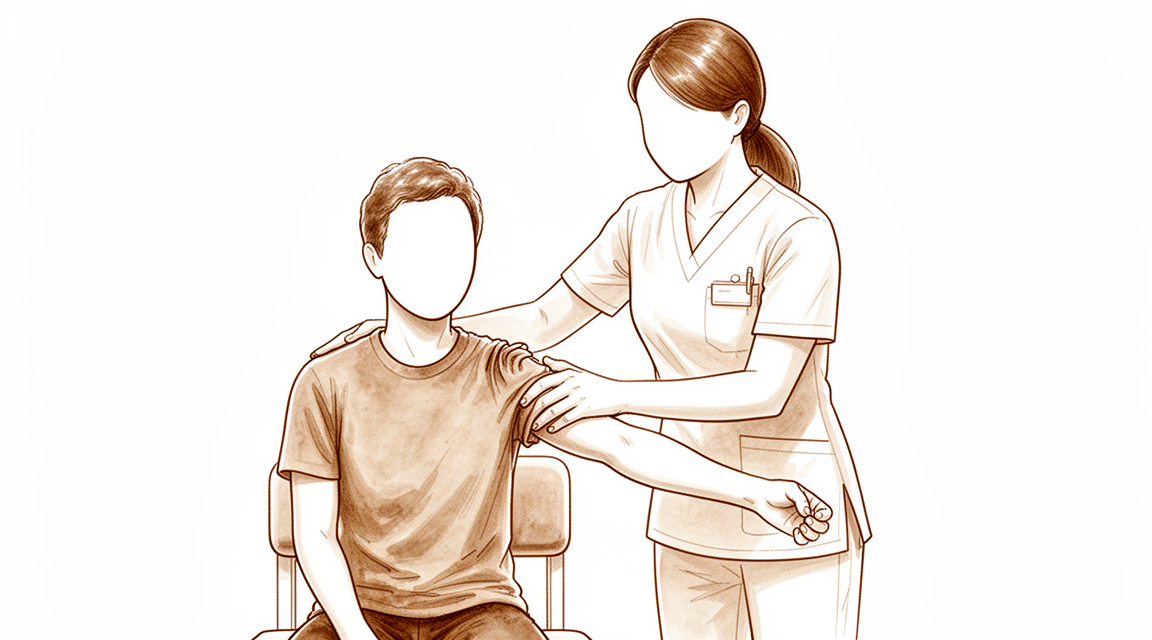
Subacromial impingement — causes of shoulder pain with overhead activity, diagnosis, and treatment options.
What you're feeling
Shoulder pain is the most common reason people seek care for this issue. You are likely experiencing subacromial impingement syndrome, a condition where structures in your shoulder get pinched. This often involves the rotator cuff tendons or the subacromial bursa, a small fluid-filled sac that cushions your joint. You may feel pain when moving your arm, especially when reaching overhead or behind your back. Simple tasks like tucking in your shirt or fastening a bra can become difficult and painful.
The pain often flares up at night, making it hard to sleep on the affected side. You might notice stiffness when you first wake up, which eases slightly as you move around. Activity tends to make the discomfort worse, particularly lifting objects or reaching for high shelves. In many cases, the inflammation is not just in the bursa but also extends into the main shoulder joint. This widespread inflammation can cause severe pain with even small movements.
While this condition is common, your surgeon will ensure other issues are not causing your symptoms. For example, they will check for instability or rare causes like small benign tumors or calcific deposits. Women between 30 and 60 years old with calcific deposits larger than 1.5 cm are at higher risk for significant symptoms. However, imaging may show signs of impingement even if the tendon thickness looks normal compared to your other shoulder.
The good news is that specific exercises are effective and can reduce the need for surgery. These results often last for many years. If conservative treatments like physical therapy do not help after at least 6 weeks, your surgeon may discuss other options. Injections can provide short-term relief by reducing inflammation. Your care plan will be tailored to your specific needs, focusing on getting you back to your daily activities with less pain.
What's actually happening
Your shoulder is a ball-and-socket joint wrapped in a tight sleeve called the joint capsule. Inside this space, tendons and a small fluid-filled sac called the bursa glide smoothly as you lift your arm. In subacromial impingement, these structures get squeezed against the bone above them. This pinching causes inflammation and pain when you move your arm overhead.
You might feel this squeeze because of how your shoulder muscles work together. Normally, your rotator cuff muscles keep the ball centered in the socket. If these muscles are weak or uncoordinated, the ball shifts upward. This reduces the space for your tendons to move. The result is friction that irritates the tissues. This irritation is what causes your sharp pain and stiffness.
Imaging helps your surgeon see exactly where the pinch is happening. It shows if there is swelling in the bursa or thickening of the tendons. However, not everyone with pain shows clear changes on scans. Some people have normal-looking tendons but still feel pain because of how their shoulder moves. This is why your surgeon looks at both your symptoms and your movement patterns.
Treatment focuses on fixing that movement. Physical therapy helps strengthen the muscles that stabilize the joint. This creates more space for your tendons to glide without getting pinched. Injections can also help by reducing inflammation quickly. This gives you a window of relief to start exercising. Most people improve with these non-surgical steps. Surgery is rarely needed and is only considered if other treatments fail after six weeks.
What we can do about it
Start with self-management and physical therapy. Your surgeon will likely recommend specific exercises to strengthen the muscles around your shoulder. This approach is effective and can reduce the need for surgery. The benefits of this exercise treatment are maintained for a long time, with results lasting after 10 years. You should give this conservative care a fair chance to work. If you have not improved after at least 6 weeks of nonoperative treatment, your surgeon may discuss other options. Younger age, lower body mass index, and having a shorter period of symptoms before starting treatment are good signs for recovery.
If exercises alone do not provide enough relief, your surgeon may suggest medical management. This often includes pain medication and anti-inflammatory drugs. Injections into the space under your shoulder blade (subacromial space) can also help. Corticosteroid injections are an effective short-term therapy for pain and function. Some patients may also benefit from hyaluronic acid injections, which provide similar pain relief to steroids in the short term. Another option is autologous conditioned plasma (ACP), which uses your own blood components and is a good alternative if you cannot take steroids. A single injection of ketorolac may offer greater improvement at four weeks than a standard steroid injection. While ultrasound guidance is not superior to blind injections for this area, accurate diagnosis and proper technique are important for good results.
Surgery is considered only when conservative care has reached its limit. It is indicated if you still have persistent pain and loss of function despite trying nonoperative treatments. Your surgeon will evaluate whether an arthroscopic subacromial decompression is a viable option for you, particularly if your rotator cuff is intact. Note that recent evidence suggests surgery may not offer discernible benefits for everyone with impingement and could potentially cause harm. Therefore, your surgeon will carefully weigh the risks and benefits before recommending an operation. Imaging tools like MRI help identify the extent of injury, but caution is needed when interpreting scans soon after steroid injections, as they can sometimes mimic a tear.
What to expect
Your shoulder pain often comes from swelling in the bursa, a small fluid-filled sac that cushions your joint. This condition is called subacromial impingement. The good news is that your body often heals this on its own. In fact, 94% of patients with spontaneous frozen shoulder recover to normal levels of function and motion without any treatment. Even if you do not have frozen shoulder, the natural history of this pain tends to improve over time. Many people find that specific exercise treatments are effective and reduce the need for surgery. These benefits are maintained for at least 10 years.
If your pain persists, your surgeon may suggest non-surgical options. Injections can provide short-term relief. Steroid injections into the shoulder are effective for reducing pain and improving function in the short term. You do not need ultrasound guidance for these injections; they work just as well without it. Other injections, such as those using human placenta hydrolysate or hyaluronate, also show significant improvements in pain and quality of life. Physical therapy is a key part of this process. It helps you regain strength and motion.
Surgery is generally not the first choice. The weight of evidence supports nonoperative management or no treatment for subacromial impingement. Arthroscopic treatment offers no discernible benefits and may result in harm. Even if you have calcific deposits, removing them does not require additional bone removal to achieve good short-term results. If you do require surgery, it is usually considered only after nonoperative treatment for at least 6 weeks. Your surgeon will review your progress carefully.
Some factors influence how quickly you recover. Younger age, a lower body mass index, and a shorter period of symptoms before starting treatment are good signs. Reversible changes on MRI also predict a better outcome. However, be aware that preoperative shoulder injections are associated with increased revision rates. This risk depends on how many injections you receive and when they were given. Overall, most patients improve with conservative care. Your surgeon will help you find the right balance of rest, exercise, and medication to get you back to your daily activities.
When to see someone
Shoulder pain is common, often caused by impingement or bursitis. See your GP if pain persists despite rest. Seek a specialist review if you experience weakness, instability, or if your shoulder locks or gives way. Contact your surgeon if symptoms interfere with sleep or work. Sudden worsening of pain also warrants prompt attention. While many cases improve with conservative care, some involve rare tumors or large bone deposits that require surgical removal. Your doctor will check for these specific issues if standard treatments fail. Early evaluation helps distinguish impingement from other conditions like joint instability. Proper diagnosis ensures you receive the right care to restore movement and reduce inflammation.
Evidence & references
title: "Subacromial Impingement and Bursitis" slug: subacromial-impingement region: shoulder audience: patient mesh_terms: ["Shoulder Impingement Syndrome", "Shoulder Pain", "Rotator Cuff", "Pain Measurement", "Tendinopathy", "Injections, Intra-Articular", "Glucocorticoids", "Bursa, Synovial"] article_count: 232 model_used: Qwen3.6-35B-A3B-Q8_0.gguf generated_at: '2026-06-13T11:14:48+00:00' key_articles: - title: "Ultrasound-Guided Versus Blind Subacromial Corticosteroid Injections for Subacromial Impingement Syndrome" ref_num: 1 evidence_tier: paper evidence_level: 1 doi: 10.1177/0363546515618653 year: 2015 - title: "Subacromial Impingement Syndrome" ref_num: 2 evidence_tier: paper evidence_level: 5 doi: 10.5435/00124635-201111000-00006 year: 2011 - title: "Effectiveness and safety of human placenta hydrolysate injection into subacromial space in patients with shoulder impingement syndrome: a single-blind, randomized trial" ref_num: 3 evidence_tier: paper evidence_level: 1 doi: 10.1186/s12891-024-08266-4 year: 2025 - title: "Ultrasound Guidance Is Not Superior in Subacromial Bursa and Intraarticular Injections but Superior in Bicipital Groove: A Meta-analysis of Randomized Controlled Trials" ref_num: 4 evidence_tier: paper evidence_level: 1 doi: 10.1016/j.arthro.2021.12.013 year: 2022 - title: "Bilateral ultrasonographic findings in patients with unilateral subacromial pain syndrome and intact rotator cuff tendons" ref_num: 5 evidence_tier: paper evidence_level: 3 doi: 10.1016/j.jse.2025.02.020 year: 2025 - title: "Efficacy of Pharmacological Therapies for Adhesive Capsulitis of the Shoulder: A Systematic Review and Network Meta-analysis" ref_num: 6 evidence_tier: paper evidence_level: 1 doi: 10.1177/0363546518823337 year: 2019 - title: "Population-based consultation patterns in patients with shoulder pain diagnoses" ref_num: 7 evidence_tier: paper evidence_level: 3 doi: 10.1186/1471-2474-13-238 year: 2012 - title: "Efficacy of Injections of Corticosteroids for Subacromial Impingement Syndrome*" ref_num: 8 evidence_tier: paper evidence_level: 1 doi: 10.2106/00004623-199611000-00007 year: 1996 - title: "Increased levels of inflammatory markers in the subscapularis tendon and joint capsule in patients with subacromial impingement" ref_num: 9 evidence_tier: paper evidence_level: 3 doi: 10.1007/s00167-020-05992-9 year: 2020 - title: "Short‐Term Outcome After Arthroscopic Bursectomy Debridement of Rotator Cuff Calcific Tendonopathy With and Without Subacromial Decompression: A Prospective Randomized Controlled Trial" ref_num: 10 evidence_tier: paper evidence_level: 1 doi: 10.1016/j.arthro.2015.05.015 year: 2015 - title: "Impact of hemodynamics in individual shoulder structures on pain intensity in patients with rotator cuff tear" ref_num: 11 evidence_tier: paper evidence_level: 4 doi: 10.1016/j.jse.2025.04.023 year: 2026 - title: "Comparison of glenohumeral and subacromial steroid injection in primary frozen shoulder: a prospective, randomized short-term comparison study" ref_num: 12 evidence_tier: paper evidence_level: 1 doi: 10.1016/j.jse.2011.04.029 year: 2011 - title: "A prospective study of shoulder pain in primary care: Prevalence of imaged pathology and response to guided diagnostic blocks" ref_num: 14 evidence_tier: paper evidence_level: 2 doi: 10.1186/1471-2474-12-119 year: 2011 - title: "Editorial Commentary : Arthroscopic Treatment Should No Longer Be Offered to People With Subacromial Impingement" ref_num: 15 evidence_tier: paper evidence_level: 5 doi: 10.1016/j.arthro.2022.03.017 year: 2022 - title: "Lipoma of the supraspinatus muscle causing impingement syndrome: A case report" ref_num: 16 evidence_tier: case_report evidence_level: 4 doi: 10.1016/j.jse.2008.09.017 year: 2009 - title: "Prevalence of calcific deposits within the rotator cuff tendons in adults with and without subacromial pain syndrome: clinical and radiologic analysis of 1219 patients" ref_num: 17 evidence_tier: paper evidence_level: 3 doi: 10.1016/j.jse.2015.02.024 year: 2015 - title: "No need for subacromial decompression in responders to specific exercise treatment: a 10-year follow-up of a randomized controlled trial" ref_num: 18 evidence_tier: paper evidence_level: 2 doi: 10.1016/j.jse.2024.10.027 year: 2025 - title: "Lack of uniformity in diagnostic labeling of shoulder pain: Time for a different approach" ref_num: 19 evidence_tier: paper evidence_level: 2 doi: 10.1016/j.math.2008.04.005 year: 2008 - title: "Does hyaluronate injection work in shoulder disease in early stage? A multicenter, randomized, single blind and open comparative clinical study" ref_num: 20 evidence_tier: paper evidence_level: 2 doi: 10.1016/j.jse.2011.11.009 year: 2012 - title: "Case Reports: Ossified Mass of the Rotator Cuff Tendon in the Subacromial Bursa" ref_num: 21 evidence_tier: paper evidence_level: 4 doi: 10.1097/01.blo.0000170720.91461.58 year: 2005 - title: "Medium-term natural history of subacromial impingement syndrome" ref_num: 22 evidence_tier: paper evidence_level: 2 doi: 10.1016/j.jse.2015.06.007 year: 2015 - title: "Relationship of radiographic acromial characteristics and rotator cuff disease: a prospective investigation of clinical, radiographic, and sonographic findings" ref_num: 23 evidence_tier: paper evidence_level: 3 doi: 10.1016/j.jse.2011.09.028 year: 2012 - title: "Indications for Arthroscopic Subacromial Decompression. A Level V Evidence Clinical Guideline" ref_num: 24 evidence_tier: paper evidence_level: 5 doi: 10.1016/j.arthro.2019.06.012 year: 2019 - title: "Subacromial corticosteroid injections" ref_num: 25 evidence_tier: paper evidence_level: 5 doi: 10.1016/j.jse.2007.07.009 year: 2008 - title: "Imaging of the Shoulder with Arthroscopic Correlation" ref_num: 26 evidence_tier: paper evidence_level: 4 doi: 10.1016/j.csm.2013.03.009 year: 2013 - title: "The Efficacy of Subacromial Corticosteroid Injection in the Treatment of Rotator Cuff Disease: A Systematic Review" ref_num: 27 evidence_tier: paper evidence_level: 1 doi: 10.5435/00124635-200701000-00002 year: 2007 - title: "Arthroscopic decompression not recommended in the treatment of rotator cuff tendinopathy" ref_num: 28 evidence_tier: paper evidence_level: 1 doi: 10.1302/0301-620x.99b6.bjj-2016-0569.r1 year: 2017 - title: "The Natural History of Idiopathic Frozen Shoulder: A 2- to 27-year Followup Study" ref_num: 29 evidence_tier: paper evidence_level: 4 doi: 10.1007/s11999-011-2176-4 year: 2012 - title: "Does acromioplasty result in favorable clinical and radiologic outcomes in the management of chronic subacromial pain syndrome? A double-blinded randomized clinical trial with 9 to 14 years' follow-up" ref_num: 30 evidence_tier: paper evidence_level: 2 doi: 10.1016/j.jse.2017.03.021 year: 2017 - title: "The intraoperative use of ultrasound facilitates significantly the arthroscopic debridement of calcific rotator cuff tendinitis" ref_num: 31 evidence_tier: paper evidence_level: 1 doi: 10.1007/s00402-014-1927-6 year: 2014 - title: "Anatomy, Function, Injuries, and Treatment of the Long Head of the Biceps Brachii Tendon" ref_num: 32 evidence_tier: paper evidence_level: 5 doi: 10.1016/j.arthro.2010.10.014 year: 2011 - title: "Shoulder kinematics in patients with full-thickness rotator cuff tears after a subacromial injection" ref_num: 33 evidence_tier: paper evidence_level: 3 doi: 10.1016/j.jse.2007.05.010 year: 2008 - title: "Electromyographic activity of the shoulder muscles during rehabilitation exercises in subjects with and without subacromial pain syndrome: a systematic review" ref_num: 34 evidence_tier: paper evidence_level: 1 doi: 10.1177/1758573216660038 year: 2016 - title: "Pain, motion and function comparison of two exercise protocols for the rotator cuff and scapular stabilizers in patients with subacromial syndrome" ref_num: 35 evidence_tier: paper evidence_level: 1 doi: 10.1016/j.jht.2017.11.041 year: 2018 - title: "Force steadiness, muscle activity, and maximal muscle strength in subjects with subacromial impingement syndrome" ref_num: 36 evidence_tier: paper evidence_level: 3 doi: 10.1002/mus.20636 year: 2006 - title: "Reproducibility of a 3-dimensional gyroscope in measuring shoulder anteflexion and abduction" ref_num: 37 evidence_tier: paper evidence_level: 3 doi: 10.1186/1471-2474-13-135 year: 2012 - title: "The development and validation of an appraisal method for rotator cuff disorders: The Korean Shoulder Scoring System" ref_num: 38 evidence_tier: paper evidence_level: 4 doi: 10.1016/j.jse.2008.11.019 year: 2009 - title: "The impact of rotator cuff pathology on isometric and isokinetic strength, function, and quality of life" ref_num: 39 evidence_tier: paper evidence_level: 3 doi: 10.1016/j.jse.2004.03.009 year: 2004 - title: "Difference in outcome of shoulder surgery between workers’ compensation and nonworkers’ compensation populations" ref_num: 40 evidence_tier: paper evidence_level: 1 doi: 10.1007/s00264-007-0493-8 year: 2007 - title: "Magnetic Resonance Imaging Appearance of the Shoulder After Subacromial Injection With Corticosteroids Can Mimic a Rotator Cuff Tear" ref_num: 41 evidence_tier: paper evidence_level: 4 doi: 10.1016/j.arthro.2007.01.024 year: 2007 - title: "The effect of subacromial injections of autologous conditioned plasma versus cortisone for the treatment of symptomatic partial rotator cuff tears" ref_num: 42 evidence_tier: paper evidence_level: 3 doi: 10.1007/s00167-015-3651-3 year: 2015 - title: "Atypical calcific tendinitis involving teres minor which affects overhead movement: A case report" ref_num: 43 evidence_tier: case_report evidence_level: 5 doi: 10.1016/j.jisako.2025.101055 year: 2026 - title: "A double-blind randomized controlled trial comparing the effects of subacromial injection with corticosteroid versus NSAID in patients with shoulder impingement syndrome" ref_num: 44 evidence_tier: paper evidence_level: 1 doi: 10.1016/j.jse.2012.08.026 year: 2013 - title: "An unusual cause of subacromial impingement: A collagenous fibroma in the bursa" ref_num: 45 evidence_tier: paper evidence_level: 4 doi: 10.1016/j.jse.2010.04.009 year: 2010 - title: "Shoulder function and work disability after decompression surgery for subacromial impingement syndrome: a randomised controlled trial of physiotherapy exercises and occupational medical assistance" ref_num: 47 evidence_tier: paper evidence_level: 1 doi: 10.1186/1471-2474-15-215 year: 2014 - title: "Subacromial shoulder pain" ref_num: 49 evidence_tier: paper evidence_level: 5 doi: 10.1177/1758573215576456 year: 2015 - title: "Evaluating the role of subacromial impingement in rotator cuff tendinopathy: development and analysis of a novel rat model" ref_num: 50 evidence_tier: paper evidence_level: 5 doi: 10.1016/j.jse.2022.02.041 year: 2022 - title: "The influence of induced shoulder muscle pain on rotator cuff and scapulothoracic muscle activity during elevation of the arm" ref_num: 51 evidence_tier: paper evidence_level: 5 doi: 10.1016/j.jse.2016.09.005 year: 2017 - title: "Which Is the Best Outcome Measure for Rotator Cuff Tears?" ref_num: 52 evidence_tier: paper evidence_level: 3 doi: 10.1097/corr.0000000000000800 year: 2019 - title: "Shoulder MRI features with clinical correlations in subacromial pain syndrome: a cross-sectional and prognostic study" ref_num: 53 evidence_tier: paper evidence_level: 2 doi: 10.1186/s12891-017-1827-3 year: 2017 - title: "Platelet-Rich Plasma Injection With Arthroscopic Acromioplasty for Chronic Rotator Cuff Tendinopathy" ref_num: 54 evidence_tier: paper evidence_level: 1 doi: 10.1177/0363546515608485 year: 2015 - title: "Injections Prior to Rotator Cuff Repair Are Associated With Increased Rotator Cuff Revision Rates" ref_num: 55 evidence_tier: paper evidence_level: 3 doi: 10.1016/j.arthro.2018.10.116 year: 2019 synthesis_version: "v2" verifier_status: skipped
Overview
- Blind subacromial corticosteroid injections are as effective as ultrasound-guided injections for improving pain and function in subacromial impingement syndrome after short-term follow-up [1].
- Ultrasound guidance is not superior to blind injection for subacromial bursa injections regarding pain or function outcomes [4].
- Ultrasound guidance is superior to blind injection for bicipital groove injections [4].
- Subacromial injections of human placenta hydrolysate show significant improvement in pain, functional level, and quality of life in patients with shoulder impingement syndrome [3].
- Subacromial injection of corticosteroids is an effective short-term therapy for symptomatic subacromial impingement syndrome [8].
- Subacromial steroid injection is an alternative modality for primary frozen shoulder, and treatment should be individualized [12].
- Management of subacromial impingement syndrome includes physical therapy, injections, and surgery for some patients [2].
- There remains a need for high-quality studies of the pathology, etiology, and management of subacromial impingement syndrome [2].
- In patients with isolated unilateral subacromial pain syndrome and intact rotator cuff tendons, there are more cases of ultrasonographic impingement in affected shoulders compared to unaffected shoulders [5].
- There are no significant differences in supraspinatus tendon thickness, subacromial bursa thickness, or acromio-humeral distance between affected and unaffected shoulders in patients with isolated unilateral subacromial pain syndrome [5].
- Arthroscopic bursectomy and debridement of calcific deposits for calcific tendonitis yields short-term functional outcomes that are not influenced by the addition of subacromial decompression [10].
- Arthroscopic treatment should no longer be offered to people with subacromial impingement as surgery offers no discernible benefits but may result in harm [15].
- The weight of evidence supports nonoperative management or no treatment for subacromial impingement [15].
- Specific exercise treatment for patients with subacromial pain is effective and reduces the need for surgery, with maintained results after 10 years [18].
- There is no uniform definition for any of the diagnostic labels for shoulder pain across different randomized controlled trials [19].
- Following nonoperative treatment for at least 6 weeks, subacromial decompression is a viable and good surgical option for shoulder impingement with an intact rotator cuff [24].
Anatomy & Pathophysiology
- Ultrasound guidance is not superior to non-guided injection for the subacromial bursa in terms of pain or function outcomes [4].
- Ultrasound guidance is not superior to non-guided injection for the glenohumeral joint in terms of pain or function outcomes [4].
- Ultrasound guidance is superior to non-guided injection for the bicipital groove [4].
- In patients with isolated unilateral subacromial pain syndrome and intact rotator cuff tendons, affected shoulders show more cases of ultrasonographic impingement compared to unaffected shoulders [5].
- In patients with isolated unilateral subacromial pain syndrome and intact rotator cuff tendons, there are no significant differences in supraspinatus tendon thickness between affected and unaffected shoulders [5].
- In patients with isolated unilateral subacromial pain syndrome and intact rotator cuff tendons, there are no significant differences in subacromial bursa thickness between affected and unaffected shoulders [5].
- In patients with isolated unilateral subacromial pain syndrome and intact rotator cuff tendons, there are no significant differences in acromio-humeral distance between affected and unaffected shoulders [5].
- Intra-articular corticosteroid intervention provides clinically meaningful short-term improvements in adhesive capsulitis [6].
- Intra-articular corticosteroid intervention administered after distension of the shoulder capsule provides clinically meaningful short-term improvements in adhesive capsulitis [6].
- The acromial morphology classification system is an unreliable method to assess the acromion [23].
- The acromial index shows no association with the presence of rotator cuff disease [23].
- Imaging is an essential tool for the evaluation of patients with shoulder pain [26].
- Understanding the extent of an injury with imaging is key to successful management of shoulder pain [26].
- 94% of patients with spontaneous frozen shoulder recover to normal levels of function and motion without treatment [29].
- Biomechanical studies indicate that the long head of the biceps contributes to stability of the glenohumeral joint in all directions [32].
- In vivo studies have not yet established the stabilizing effect of the long head of the biceps on the glenohumeral joint [32].
- The physiologic load required for the long head of the biceps to stabilize the glenohumeral joint remains unknown [32].
- Pain reduction from subacromial injection causes shifts in scapulohumeral rhythm in patients with full-thickness rotator cuff tears [33].
- Pain reduction from subacromial injection results in an increase in glenohumeral motion in patients with full-thickness rotator cuff tears [33].
- Pain reduction from subacromial injection results in reduced reliance on scapular rotation in patients with full-thickness rotator cuff tears [33].
- Addressing aberrant movement patterns and facilitating balanced activation of all shoulder muscles may be an appropriate treatment direction for subacromial pain syndrome [34].
- Exercise protocols targeting the rotator cuff and scapular stabilizers are effective in improving pain, function, and shoulder active range of motion in patients with subacromial syndrome [35].
- There are no between-group differences in shoulder maximal voluntary contraction (MVC) in subjects with subacromial impingement syndrome [36].
- The use of a triaxial gyroscope is a simple, non-invasive, and reproducible method for recording shoulder anteflexion and abduction [37].
- The Korean Shoulder Scoring System (KSS) is a useful measurement tool that combines subjective and objective evaluations for shoulder function related to rotator cuff disorders [38].
- Isometric measurement of shoulder rotation strength provides reliable information on the functional integrity of the rotator cuff muscles [39].
- Functional integrity of the rotator cuff muscles, as measured by isometric shoulder rotation strength, is significantly related to patients' function and quality of life [39].
- The majority of questions in commonly adopted shoulder-specific functional outcome measurement tools are subjective in nature [40].
- The Shoulder Intervention Project (SIP) presents the rationale, design, methods, and operational aspects of a new rehabilitation approach to evaluate shoulder function and work disability after decompression surgery for subacromial impingement syndrome [47].
- Acute experimental shoulder pain has an inhibitory effect on the activity of the infraspinatus during arm elevation [51].
- All upper extremity-specific scales have acceptable psychometric properties for measuring rotator cuff tears [52].
Classification
- Subacromial impingement syndrome is a specific diagnosis that must be differentiated from other conditions such as glenohumeral instability, particularly in younger athletes [13].
- Impingement and rotator cuff syndromes were the most frequent diagnoses in population-based consultation patterns for shoulder pain [7].
- There is no uniform definition for any of the diagnostic labels for shoulder pain, as revealed by the comparison of selection criteria from different randomised controlled trials [19].
- Rotator cuff and subacromial bursa pathology were the most common findings on ultrasound and MRA in a prospective study of shoulder pain in primary care [14].
- In patients with isolated unilateral subacromial pain syndrome and intact rotator cuff tendons, there were more cases of ultrasonographic impingement in affected shoulders compared to unaffected shoulders [5].
- There were no significant differences in supraspinatus tendon thickness, subacromial bursa thickness, or acromio-humeral distance between affected and unaffected shoulders in patients with unilateral subacromial pain syndrome [5].
- The acromial morphology classification system is an unreliable method to assess the acromion [23].
- The acromial index shows no association with the presence of rotator cuff disease [23].
- An extended inflammatory process is present in patients with subacromial impingement syndrome, involving not only the subacromial bursa but also the glenohumeral joint [9].
- Increased levels of inflammatory markers are present in the subscapularis tendon and joint capsule in patients with subacromial impingement [9].
- Abundant hemodynamic activity within the Bursa and AP resulted in severe motion pain that reflected focal bursitis, probably due to subacromial impingement and secondary glenohumeral synovitis [11].
- A novel rat model of subacromial impingement creates cellular and molecular changes consistent with the development of rotator cuff tendinopathy [50].
Clinical Presentation
- Impingement and rotator cuff syndromes are the most frequent diagnoses in patients with shoulder pain [7].
- Rotator cuff and subacromial bursa pathology are the most common findings on ultrasound and magnetic resonance arthrography in patients with shoulder pain [14].
- Subacromial impingement syndrome is a specific diagnosis that must be differentiated from other conditions such as glenohumeral instability, particularly in younger athletes [13].
- Subacromial lipoma should be included in the differential diagnosis of rotator cuff impingement when conservative treatments fail [16].
- A large ossified mass attached to the rotator cuff tendon in the subacromial bursa can cause impingement pain and restricted shoulder motion [21].
- Symptoms of subacromial impingement can be caused by a rare benign soft tissue tumor, such as a collagenous fibroma located in the subacromial bursa [45].
- Atypical presentations of calcific tendinitis, such as involvement of the teres minor, can affect overhead movement and present with isolated posterior shoulder pain [43].
- Women aged between 30 and 60 years with subacromial pain syndrome and a calcific deposit of >1.5 cm in length have the highest chance of suffering from symptomatic calcific tendinopathy of the rotator cuff [17].
- In patients with isolated unilateral subacromial pain syndrome and intact rotator cuff tendons, there are more cases of ultrasonographic impingement in affected shoulders compared to unaffected shoulders [5].
- There are no significant differences in supraspinatus tendon thickness, subacromial bursa thickness, or acromio-humeral distance between affected and unaffected shoulders in patients with isolated unilateral subacromial pain syndrome [5].
- Abundant hemodynamic activity within the bursa and anterior portal region results in severe motion pain that reflects focal bursitis, probably due to subacromial impingement and secondary glenohumeral synovitis [11].
- An extended inflammatory process is present not only in the subacromial bursa but also in the glenohumeral joint in patients with subacromial impingement syndrome [9].
Investigations
- Blind subacromial corticosteroid injections are as effective as ultrasound-guided injections for improving pain and function in subacromial impingement syndrome after short-term follow-up [1].
- Ultrasound guidance is not superior to blind injection for subacromial bursa and glenohumeral joint injections regarding pain or function [4].
- Ultrasound guidance is superior to blind injection for bicipital groove injections [4].
- Patients with isolated unilateral subacromial pain syndrome have more cases of ultrasonographic impingement in the affected shoulder compared to the unaffected shoulder [5].
- There are no significant differences in supraspinatus tendon thickness, subacromial bursa thickness, or acromio-humeral distance between affected and unaffected shoulders in patients with isolated unilateral subacromial pain syndrome [5].
- Impingement and rotator cuff syndromes are the most frequent diagnoses in patients with shoulder pain [7].
- An extended inflammatory process is present in the subscapularis tendon and joint capsule, in addition to the subacromial bursa, in patients with subacromial impingement syndrome [9].
- Abundant hemodynamic activity within the bursa and anterior portal results in severe motion pain reflecting focal bursitis, likely due to subacromial impingement and secondary glenohumeral synovitis [11].
- Subacromial impingement syndrome is a specific diagnosis that must be differentiated from other conditions such as glenohumeral instability, particularly in younger athletes [13].
- Rotator cuff and subacromial bursa pathology are the most common findings on ultrasound and magnetic resonance arthrography (MRA) in patients with shoulder pain [14].
- Subacromial lipoma should be included in the differential diagnosis of rotator cuff impingement when conservative treatments fail [16].
- A large ossified mass attached to the rotator cuff tendon in the subacromial bursa can cause impingement pain and loss of motion, which resolves after surgical excision and repair [21].
- Younger age is a good prognostic factor for the natural course of subacromial impingement syndrome [22].
- Lower BMI is a good prognostic factor for the natural course of subacromial impingement syndrome [22].
- More functional capacity is a good prognostic factor for the natural course of subacromial impingement syndrome [22].
- A shorter symptomatic period is a good prognostic factor for the natural course of subacromial impingement syndrome [22].
- Reversible changes on MRI are a good prognostic factor for the natural course of subacromial impingement syndrome [22].
- Higher Constant and ASES scores at the first evaluation are good prognostic factors for the natural course of subacromial impingement syndrome [22].
- Accurate diagnosis of the etiology of shoulder pain and proper injection technique are important in achieving satisfactory clinical outcomes with subacromial corticosteroid injections [25].
- Imaging is an essential tool for the evaluation of patients with shoulder pain [26].
- Understanding the extent of an injury with imaging is key to successful management of shoulder pain [26].
- Magnetic resonance imaging (MRI) appearance of the shoulder after subacromial injection with corticosteroids can mimic a rotator cuff tear [41].
- Caution should be used in the interpretation of MRI scans of the shoulder soon after the injection of corticosteroids [41].
- MRI findings are significantly associated with the change in SPADI score from baseline to one-year follow-up in subacromial pain syndrome [53].
- Patients with higher MRI total scores have a poorer outcome after treatment for subacromial pain syndrome [53].
- Patients with tendinosis on MRI have a poorer outcome after treatment for subacromial pain syndrome [53].
- Patients with bursitis on MRI have a poorer outcome after treatment for subacromial pain syndrome [53].
Treatment
Non-Operative Management
- Blind subacromial corticosteroid injections are as effective as ultrasound-guided injections for improving pain and function in subacromial impingement syndrome after short-term follow-up [1].
- Ultrasound guidance is not superior to blind injection for subacromial bursa injections regarding pain or function outcomes [4].
- Subacromial injections of human placenta hydrolysate show significant improvement in pain, functional level, and quality of life in patients with shoulder impingement syndrome [3].
- Subacromial injection of corticosteroids is an effective short-term therapy for symptomatic subacromial impingement syndrome [8].
- There is little reproducible evidence to support the efficacy of subacromial corticosteroid injection in managing rotator cuff disease [27].
- A single injection of 60 mg of ketorolac resulted in greater improvements in outcomes than a single injection of 40 mg triamcinolone for subacromial impingement at four weeks [44].
- Subacromial hyaluronate injection produces similar pain and functional improvement to corticosteroid at short-term follow-up for impingement syndrome [20].
- Subacromial autologous conditioned plasma (ACP) injections are a good alternative to subacromial cortisone injections, especially in patients with contraindications to cortisone [42].
- Subacromial steroid injection is an alternative modality for primary frozen shoulder, and treatment should be individualized [12].
- Specific exercise treatment for subacromial pain is effective and reduces the need for surgery, with maintained results after 10 years [18].
- Management of subacromial impingement syndrome includes physical therapy, injections, and surgery for some patients [2].
- The diagnostic labeling of shoulder pain lacks uniformity across randomized controlled trials [19].
Operative Management
- Arthroscopic treatment should no longer be offered to people with subacromial impingement as surgery offers no discernible benefits but may result in harm, with evidence supporting nonoperative management or no treatment [15].
- Following nonoperative treatment for at least 6 weeks, arthroscopic subacromial decompression (SAD) is a viable and good surgical option for shoulder impingement with an intact rotator cuff [24].
- Surgery is indicated for persistent pain and loss of function despite conservative treatment in the patient care pathway for subacromial shoulder pain [49].
- The short-term functional outcome of patients with calcific tendonitis after arthroscopic bursectomy and debridement is not influenced by whether it is performed in combination with or without subacromial decompression [10].
Differential Diagnosis
- Subacromial lipoma should be included in the differential diagnosis of rotator cuff impingement when conservative treatments fail [16].
Complications
- Arthroscopic treatment for subacromial impingement offers no discernible benefits and may result in harm [15].
- Abundant hemodynamic activity within the subacromial bursa and anterior portal resulted in severe motion pain, reflecting focal bursitis likely due to subacromial impingement and secondary glenohumeral synovitis [11].
- An extended inflammatory process is present not only in the subacromial bursa but also in the glenohumeral joint in patients with subacromial impingement syndrome [9].
- A large ossified mass attached to the rotator cuff tendon in the subacromial bursa can cause impingement pain and loss of shoulder motion, requiring surgical excision and repair [21].
Recovery
- Blind subacromial corticosteroid injections are as effective as ultrasound-guided injections for improving pain and function in subacromial impingement syndrome after short-term follow-up [1].
- Subacromial injections of human placenta hydrolysate show significant improvement in pain, functional level, and quality of life in patients with shoulder impingement syndrome [3].
- Intra-articular corticosteroid intervention, administered alone or after distension of the shoulder capsule, provides clinically meaningful short-term improvements in adhesive capsulitis of the shoulder [6].
- Subacromial injection of corticosteroids is an effective short-term therapy for symptomatic subacromial impingement syndrome [8].
- An extended inflammatory process is present in both the subacromial bursa and the glenohumeral joint capsule in patients with subacromial impingement syndrome [9].
- The short-term functional outcome of patients with calcific tendonitis after arthroscopic bursectomy and debridement is not influenced by the addition of subacromial decompression [10].
- Women aged 30 to 60 years with subacromial pain syndrome and a calcific deposit greater than 1.5 cm in length have the highest chance of suffering from symptomatic calcific tendinopathy of the rotator cuff [17].
- Specific exercise treatment for subacromial pain is effective and reduces the need for surgery, with maintained results after 10 years [18].
- Subacromial hyaluronate injection produces similar short-term pain and functional improvement to corticosteroid for impingement syndrome [20].
- Younger age, lower BMI, more functional capacity, a shorter symptomatic period, reversible changes on MRI, and higher Constant and ASES scores at initial evaluation are good prognostic factors for the natural course of subacromial impingement syndrome [22].
- The natural history of rotator cuff tendinopathy likely plays a significant role in long-term results, supporting the view that arthroscopic decompression is not recommended for its treatment [28].
- 94% of patients with spontaneous frozen shoulder recover to normal levels of function and motion without treatment [29].
- Arthroscopic acromioplasty provides no relevant additional clinical effects or impact on rotator cuff integrity compared to bursectomy alone at 12 years' follow-up for chronic subacromial pain syndrome [30].
- Intraoperative ultrasound facilitates arthroscopic debridement of calcific rotator cuff tendinitis, with highly significant clinical improvement observed 2 weeks post-surgery and excellent radiological results until 9 months follow-up [31].
- Arthroscopic acromioplasty significantly improves long-term clinical outcomes up to 2 years when combined with platelet-rich plasma injection for chronic rotator cuff tendinopathy [54].
- Preoperative shoulder injections are associated with increased rotator cuff revision rates, with a correlation observed that is dependent on injection frequency and time [55].
Key Evidence
- [L1] Blind injections into the subacromial bursa were as effective as ultrasound-guided injections for improving pain and function in subacromial impingement syndrome after a short-term follow-up. (10.1177/0363546515618653)
- [L5] Management of subacromial impingement syndrome includes physical therapy, injections, and surgery for some patients, but there remains a need for high-quality studies of the pathology, etiology, and management of the condition. (10.5435/00124635-201111000-00006)
- [L1] Subacromial injections showed significant improvement in pain, functional level, and quality of life in patients with shoulder impingement syndrome. (10.1186/s12891-024-08266-4)
- [L1] Ultrasound guidance is not superior in the subacromial bursa and glenohumeral joint injections in pain or function. (10.1016/j.arthro.2021.12.013)
- [L3] In this cohort of patients with isolated unilateral SAPS, we found more cases of ultrasonographic impingement in affected shoulders compared to unaffected, but no significant differences in supraspinatus tendon thickness, subacromial bursa thickness, or acromio-humeral distance. (10.1016/j.jse.2025.02.020)
- [L1] Intra-articular corticosteroid intervention, administered either alone or after distension of the shoulder capsule, provided clinically meaningful improvements in the short term. (10.1177/0363546518823337)
- [L3] Impingement and rotator cuff syndromes were the most frequent diagnoses. (10.1186/1471-2474-13-238)
- [L1] Subacromial injection of corticosteroids is an effective short-term therapy for the treatment of symptomatic subacromial impingement syndrome. (10.2106/00004623-199611000-00007)
- [L3] This study provides evidence that an extended inflammatory process is present, not only in the subacromial bursa but also in the glenohumeral joint in patients with subacromial impingement syndrome. (10.1007/s00167-020-05992-9)
- [L1] This study has demonstrated that the short-term functional outcome of patients with calcific tendonitis after arthroscopic bursectomy and debridement of the calcific deposit is not influenced if performed in combination with or without a subacromial decompression. (10.1016/j.arthro.2015.05.015)
- [L4] Abundant hemodynamic activity within the Bursa and AP resulted in severe motion pain that reflected focal bursitis, probably due to subacromial impingement and secondary glenohumeral synovitis. (10.1016/j.jse.2025.04.023)
- [L1] Subacromial steroid injection is an alternative modality, and treatment should be individualized. (10.1016/j.jse.2011.04.029)
- [L2] Rotator cuff and subacromial bursa pathology were the most common findings on ultrasound and MRA. (10.1186/1471-2474-12-119)
- [L5] Arthroscopic treatment should no longer be offered to people with subacromial impingement as surgery offers no discernible benefits but may result in harm, and the weight of evidence supports nonoperative management or no treatment. (10.1016/j.arthro.2022.03.017)
- [Case_report] Subacromial lipoma should be included in the differential diagnosis of rotator cuff impingement when conservative treatments fail. (10.1016/j.jse.2008.09.017)
- [L3] This study demonstrates that women aged between 30 and 60 years with subacromial pain syndrome and a calcific deposit of >1.5 cm in length have the highest chance of suffering from symptomatic calcific tendinopathy of the rotator cuff. (10.1016/j.jse.2015.02.024)
- [L2] Specific exercise treatment for patients with subacromial pain was effective and reduced the need for surgery with maintained results after 10 years. (10.1016/j.jse.2024.10.027)
- [L2] The comparison of selection criteria from different randomised controlled trials revealed no uniform definition for any of the diagnostic labels for shoulder pain. (10.1016/j.math.2008.04.005)
- [L2] A subacromial hyaluronate injection to treat impingement syndrome produces similar pain and functional improvement to corticosteroid at a short-term follow-up. (10.1016/j.jse.2011.11.009)
- [L4] A large ossified mass attached to the rotator cuff tendon in the subacromial bursa was successfully treated with surgical excision and repair, resulting in the resolution of impingement pain and restoration of shoulder motion by 12 months. (10.1097/01.blo.0000170720.91461.58)
- [L2] Younger age, lower BMI, more functional capacity, a shorter symptomatic period, reversible changes on MRI, and higher Constant and ASES scores at the first evaluation were good prognostic factors for the natural course of subacromial impingement syndrome. (10.1016/j.jse.2015.06.007)
- [L3] The acromial morphology classification system is an unreliable method to assess the acromion, and the acromial index shows no association with the presence of rotator cuff disease. (10.1016/j.jse.2011.09.028)
- [L5] Following nonoperative treatment for at least 6 weeks, SAD is a viable and good surgical option for the treatment of shoulder impingement with an intact rotator cuff. (10.1016/j.arthro.2019.06.012)
- [L5] Accurate diagnosis of the etiology of a patient's shoulder pain and proper injection technique are important in achieving satisfactory clinical outcomes. (10.1016/j.jse.2007.07.009)
- [L4] Imaging is an essential tool for evaluation of patients with shoulder pain; understanding the extent of an injury with imaging is key to successful management. (10.1016/j.csm.2013.03.009)
- [L1] This systematic review of the available literature indicates that there is little reproducible evidence to support the efficacy of subacromial corticosteroid injection in managing rotator cuff disease. (10.5435/00124635-200701000-00002)
- [L1] The natural history of rotator cuff tendinopathy probably plays a significant role in the results in the long-term. (10.1302/0301-620x.99b6.bjj-2016-0569.r1)
- [L4] We found 94% of patients with spontaneous frozen shoulder recovered to normal levels of function and motion without treatment. (10.1007/s11999-011-2176-4)
- [L2] There were no relevant additional effects of arthroscopic acromioplasty on bursectomy alone with respect to clinical outcomes and rotator cuff integrity at 12 years' follow-up. (10.1016/j.jse.2017.03.021)
- [L1] Highly significant clinical improvement of the shoulder was already observed in the entire population 2 weeks after surgery, with excellent radiological results observed until the 9 months follow-up. (10.1007/s00402-014-1927-6)
- [L5] Biomechanical studies indicate that the long head of the biceps contributes to stability of the glenohumeral joint in all directions, though in vivo studies have yet to establish this stabilizing effect and the physiologic load required remains unknown. (10.1016/j.arthro.2010.10.014)
- [L3] Pain reduction caused shifts in scapulohumeral rhythm resulting in an increase in glenohumeral motion and a reduced reliance on scapular rotation. (10.1016/j.jse.2007.05.010)
- [L1] Addressing aberrant movement patterns and facilitating balanced activation of all shoulder muscles may be a more appropriate treatment direction for the future. (10.1177/1758573216660038)
- [L1] Both interventions are effective in terms of pain, function, and shoulder active range of motion. (10.1016/j.jht.2017.11.041)
- [L3] No between-group differences in shoulder MVC were observed. (10.1002/mus.20636)
- [L3] The use of a tri axial gyroscope is a simple non invasive and reproducible method for the recording of shoulder anteflexion and abduction. (10.1186/1471-2474-13-135)
- [L4] The KSS is a useful measurement tool that combines subjective and objective evaluations for shoulder function related to rotator cuff disorders. (10.1016/j.jse.2008.11.019)
- [L3] Isometric measurement of shoulder rotation strength provides reliable information on the functional integrity of the rotator cuff muscles, which is significantly related to patients' function and quality of life. (10.1016/j.jse.2004.03.009)
- [L1] The majority of questions posed in the most commonly adopted shoulder-specific functional outcome measurement tools were subjective in nature and may account for part of the phenomenon. (10.1007/s00264-007-0493-8)
- [L4] One should use caution in the interpretation of magnetic resonance imaging scans of the shoulder soon after the injection of corticosteroids. (10.1016/j.arthro.2007.01.024)
- [L3] Therefore, subacromial ACP injections are a good alternative to subacromial cortisone injections, especially in patients with contraindication to cortisone. (10.1007/s00167-015-3651-3)
- [Case_report] This case highlights the importance of considering atypical presentations of calcific tendinitis, particularly in the context of isolated posterior shoulder pain. (10.1016/j.jisako.2025.101055)
- [L1] In this study, a single injection of 60 mg of ketorolac resulted in improvements in outcomes greater than a single injection of 40 mg triamcinolone for the treatment of subacromial impingement when assessed at four weeks. (10.1016/j.jse.2012.08.026)
- [L4] In this case, the symptoms were caused by a rare benign soft tissue tumor: a collagenous fibroma located in the subacromial bursa. (10.1016/j.jse.2010.04.009)
- [L1] The paper presents the rationale, design, methods, and operational aspects of the Shoulder Intervention Project (SIP) to evaluate a new rehabilitation approach. (10.1186/1471-2474-15-215)
- [L5] The document outlines a patient care pathway for subacromial shoulder pain emphasizing shared decision-making, continuity of care, and a stepwise approach from primary to secondary care, noting that surgery is indicated for persistent pain and loss of function despite conservative treatment. (10.1177/1758573215576456)
- [L5] This new rat subacromial impingement model creates cellular and molecular changes consistent with the development of rotator cuff tendinopathy. (10.1016/j.jse.2022.02.041)
- [L5] This study demonstrates that acute experimental shoulder pain has an inhibitory effect on the activity of the infraspinatus during arm elevation. (10.1016/j.jse.2016.09.005)
- [L3] All upper extremity-specific scales had acceptable psychometric properties. (10.1097/corr.0000000000000800)
- [L2] In this study, MRI findings were significantly associated with the change in the SPADI score from baseline and to one year follow-up, with a poorer outcome after treatment for the patients with higher MRI total score, tendinosis and bursitis on MRI. (10.1186/s12891-017-1827-3)
- [L1] Arthroscopic acromioplasty significantly improves long-term clinical outcomes up to 2 years. (10.1177/0363546515608485)
- [L3] This study strongly suggests a correlation between preoperative shoulder injections and revision rotator cuff repair, with frequency and time dependence observed. (10.1016/j.arthro.2018.10.116)
References
[1] Ultrasound-Guided Versus Blind Subacromial Corticosteroid Injections for Subacromial Impingement Syndrome. The American Journal of Sports Medicine. 2015. DOI: 10.1177/0363546515618653 [2] Subacromial Impingement Syndrome. American Academy of Orthopaedic Surgeon. 2011. DOI: 10.5435/00124635-201111000-00006 [3] Effectiveness and safety of human placenta hydrolysate injection into subacromial space in patients with shoulder impingement syndrome: a single-blind, randomized trial. BMC Musculoskeletal Disorders. 2025. DOI: 10.1186/s12891-024-08266-4 [4] Ultrasound Guidance Is Not Superior in Subacromial Bursa and Intraarticular Injections but Superior in Bicipital Groove: A Meta-analysis of Randomized Controlled Trials. Arthroscopy: The Journal of Arthroscopic & Related Surgery. 2022. DOI: 10.1016/j.arthro.2021.12.013 [5] Bilateral ultrasonographic findings in patients with unilateral subacromial pain syndrome and intact rotator cuff tendons. Journal of Shoulder and Elbow Surgery. 2025. DOI: 10.1016/j.jse.2025.02.020 [6] Efficacy of Pharmacological Therapies for Adhesive Capsulitis of the Shoulder: A Systematic Review and Network Meta-analysis. The American Journal of Sports Medicine. 2019. DOI: 10.1177/0363546518823337 [7] Population-based consultation patterns in patients with shoulder pain diagnoses. BMC Musculoskeletal Disorders. 2012. DOI: 10.1186/1471-2474-13-238 [8] Efficacy of Injections of Corticosteroids for Subacromial Impingement Syndrome. The Journal of Bone & Joint Surgery. 1996. DOI: 10.2106/00004623-199611000-00007 [9] Increased levels of inflammatory markers in the subscapularis tendon and joint capsule in patients with subacromial impingement. Knee Surgery, Sports Traumatology, Arthroscopy. 2020. DOI: 10.1007/s00167-020-05992-9 [10] Short‐Term Outcome After Arthroscopic Bursectomy Debridement of Rotator Cuff Calcific Tendonopathy With and Without Subacromial Decompression: A Prospective Randomized Controlled Trial. Arthroscopy. 2015. DOI: 10.1016/j.arthro.2015.05.015 [11] Impact of hemodynamics in individual shoulder structures on pain intensity in patients with rotator cuff tear. Journal of Shoulder and Elbow Surgery. 2026. DOI: 10.1016/j.jse.2025.04.023 [12] Comparison of glenohumeral and subacromial steroid injection in primary frozen shoulder: a prospective, randomized short-term comparison study. Journal of Shoulder and Elbow Surgery. 2011. DOI: 10.1016/j.jse.2011.04.029 [13] BIGLIANI, LOUIS U. M.D.+, NEW YORK, N.Y.; LEVINE, WILLIAM N. M.D.++, BALTIMORE, MARYLAND. The Journal of Bone and Joint Surgery. American Volume. 1997. [14] A prospective study of shoulder pain in primary care: Prevalence of imaged pathology and response to guided diagnostic blocks. BMC Musculoskeletal Disorders. 2011. DOI: 10.1186/1471-2474-12-119 [15] Editorial Commentary : Arthroscopic Treatment Should No Longer Be Offered to People With Subacromial Impingement. Arthroscopy. 2022. DOI: 10.1016/j.arthro.2022.03.017 [16] Lipoma of the supraspinatus muscle causing impingement syndrome: A case report. Journal of Shoulder and Elbow Surgery. 2009. DOI: 10.1016/j.jse.2008.09.017 [17] Prevalence of calcific deposits within the rotator cuff tendons in adults with and without subacromial pain syndrome: clinical and radiologic analysis of 1219 patients. Journal of Shoulder and Elbow Surgery. 2015. DOI: 10.1016/j.jse.2015.02.024 [18] No need for subacromial decompression in responders to specific exercise treatment: a 10-year follow-up of a randomized controlled trial. Journal of Shoulder and Elbow Surgery. 2025. DOI: 10.1016/j.jse.2024.10.027 [19] Lack of uniformity in diagnostic labeling of shoulder pain: Time for a different approach. Manual Therapy. 2008. DOI: 10.1016/j.math.2008.04.005 [20] Does hyaluronate injection work in shoulder disease in early stage? A multicenter, randomized, single blind and open comparative clinical study. Journal of Shoulder and Elbow Surgery. 2012. DOI: 10.1016/j.jse.2011.11.009 [21] Case Reports: Ossified Mass of the Rotator Cuff Tendon in the Subacromial Bursa. Clinical Orthopaedics and Related Research. 2005. DOI: 10.1097/01.blo.0000170720.91461.58 [22] Medium-term natural history of subacromial impingement syndrome. Journal of Shoulder and Elbow Surgery. 2015. DOI: 10.1016/j.jse.2015.06.007 [23] Relationship of radiographic acromial characteristics and rotator cuff disease: a prospective investigation of clinical, radiographic, and sonographic findings. Journal of Shoulder and Elbow Surgery. 2012. DOI: 10.1016/j.jse.2011.09.028 [24] Indications for Arthroscopic Subacromial Decompression. A Level V Evidence Clinical Guideline. Arthroscopy. 2019. DOI: 10.1016/j.arthro.2019.06.012 [25] Subacromial corticosteroid injections. Journal of Shoulder and Elbow Surgery. 2008. DOI: 10.1016/j.jse.2007.07.009 [26] Imaging of the Shoulder with Arthroscopic Correlation. Clinics in Sports Medicine. 2013. DOI: 10.1016/j.csm.2013.03.009 [27] The Efficacy of Subacromial Corticosteroid Injection in the Treatment of Rotator Cuff Disease: A Systematic Review. Journal of the American Academy of Orthopaedic Surgeons. 2007. DOI: 10.5435/00124635-200701000-00002 [28] Arthroscopic decompression not recommended in the treatment of rotator cuff tendinopathy. The Bone & Joint Journal. 2017. DOI: 10.1302/0301-620x.99b6.bjj-2016-0569.r1 [29] The Natural History of Idiopathic Frozen Shoulder: A 2- to 27-year Followup Study. Clinical Orthopaedics & Related Research. 2012. DOI: 10.1007/s11999-011-2176-4 [30] Does acromioplasty result in favorable clinical and radiologic outcomes in the management of chronic subacromial pain syndrome? A double-blinded randomized clinical trial with 9 to 14 years' follow-up. Journal of Shoulder and Elbow Surgery. 2017. DOI: 10.1016/j.jse.2017.03.021 [31] The intraoperative use of ultrasound facilitates significantly the arthroscopic debridement of calcific rotator cuff tendinitis. Archives of Orthopaedic and Trauma Surgery. 2014. DOI: 10.1007/s00402-014-1927-6 [32] Anatomy, Function, Injuries, and Treatment of the Long Head of the Biceps Brachii Tendon. Arthroscopy. 2011. DOI: 10.1016/j.arthro.2010.10.014 [33] Shoulder kinematics in patients with full-thickness rotator cuff tears after a subacromial injection. Journal of Shoulder and Elbow Surgery. 2008. DOI: 10.1016/j.jse.2007.05.010 [34] Electromyographic activity of the shoulder muscles during rehabilitation exercises in subjects with and without subacromial pain syndrome: a systematic review. Shoulder & Elbow. 2016. DOI: 10.1177/1758573216660038 [35] Pain, motion and function comparison of two exercise protocols for the rotator cuff and scapular stabilizers in patients with subacromial syndrome. Journal of Hand Therapy. 2018. DOI: 10.1016/j.jht.2017.11.041 [36] Force steadiness, muscle activity, and maximal muscle strength in subjects with subacromial impingement syndrome. Muscle & Nerve. 2006. DOI: 10.1002/mus.20636 [37] Reproducibility of a 3-dimensional gyroscope in measuring shoulder anteflexion and abduction. BMC Musculoskeletal Disorders. 2012. DOI: 10.1186/1471-2474-13-135 [38] The development and validation of an appraisal method for rotator cuff disorders: The Korean Shoulder Scoring System. Journal of Shoulder and Elbow Surgery. 2009. DOI: 10.1016/j.jse.2008.11.019 [39] The impact of rotator cuff pathology on isometric and isokinetic strength, function, and quality of life. Journal of Shoulder and Elbow Surgery. 2004. DOI: 10.1016/j.jse.2004.03.009 [40] Difference in outcome of shoulder surgery between workers’ compensation and nonworkers’ compensation populations. International Orthopaedics. 2007. DOI: 10.1007/s00264-007-0493-8 [41] Magnetic Resonance Imaging Appearance of the Shoulder After Subacromial Injection With Corticosteroids Can Mimic a Rotator Cuff Tear. Arthroscopy. 2007. DOI: 10.1016/j.arthro.2007.01.024 [42] The effect of subacromial injections of autologous conditioned plasma versus cortisone for the treatment of symptomatic partial rotator cuff tears. Knee Surgery, Sports Traumatology, Arthroscopy. 2015. DOI: 10.1007/s00167-015-3651-3 [43] Atypical calcific tendinitis involving teres minor which affects overhead movement: A case report. Journal of ISAKOS. 2026. DOI: 10.1016/j.jisako.2025.101055 [44] A double-blind randomized controlled trial comparing the effects of subacromial injection with corticosteroid versus NSAID in patients with shoulder impingement syndrome. Journal of Shoulder and Elbow Surgery. 2013. DOI: 10.1016/j.jse.2012.08.026 [45] An unusual cause of subacromial impingement: A collagenous fibroma in the bursa. Journal of Shoulder and Elbow Surgery. 2010. DOI: 10.1016/j.jse.2010.04.009 [47] Shoulder function and work disability after decompression surgery for subacromial impingement syndrome: a randomised controlled trial of physiotherapy exercises and occupational medical assistance. BMC Musculoskeletal Disorders. 2014. DOI: 10.1186/1471-2474-15-215 [49] Subacromial shoulder pain. Shoulder & Elbow. 2015. DOI: 10.1177/1758573215576456 [50] Evaluating the role of subacromial impingement in rotator cuff tendinopathy: development and analysis of a novel rat model. Journal of Shoulder and Elbow Surgery. 2022. DOI: 10.1016/j.jse.2022.02.041 [51] The influence of induced shoulder muscle pain on rotator cuff and scapulothoracic muscle activity during elevation of the arm. Journal of Shoulder and Elbow Surgery. 2017. DOI: 10.1016/j.jse.2016.09.005 [52] Which Is the Best Outcome Measure for Rotator Cuff Tears?. Clinical Orthopaedics & Related Research. 2019. DOI: 10.1097/corr.0000000000000800 [53] Shoulder MRI features with clinical correlations in subacromial pain syndrome: a cross-sectional and prognostic study. BMC Musculoskeletal Disorders. 2017. DOI: 10.1186/s12891-017-1827-3 [54] Platelet-Rich Plasma Injection With Arthroscopic Acromioplasty for Chronic Rotator Cuff Tendinopathy. The American Journal of Sports Medicine. 2015. DOI: 10.1177/0363546515608485 [55] Injections Prior to Rotator Cuff Repair Are Associated With Increased Rotator Cuff Revision Rates. Arthroscopy*. 2019. DOI: 10.1016/j.arthro.2018.10.116