Shoulder Arthritis PDF Evidence
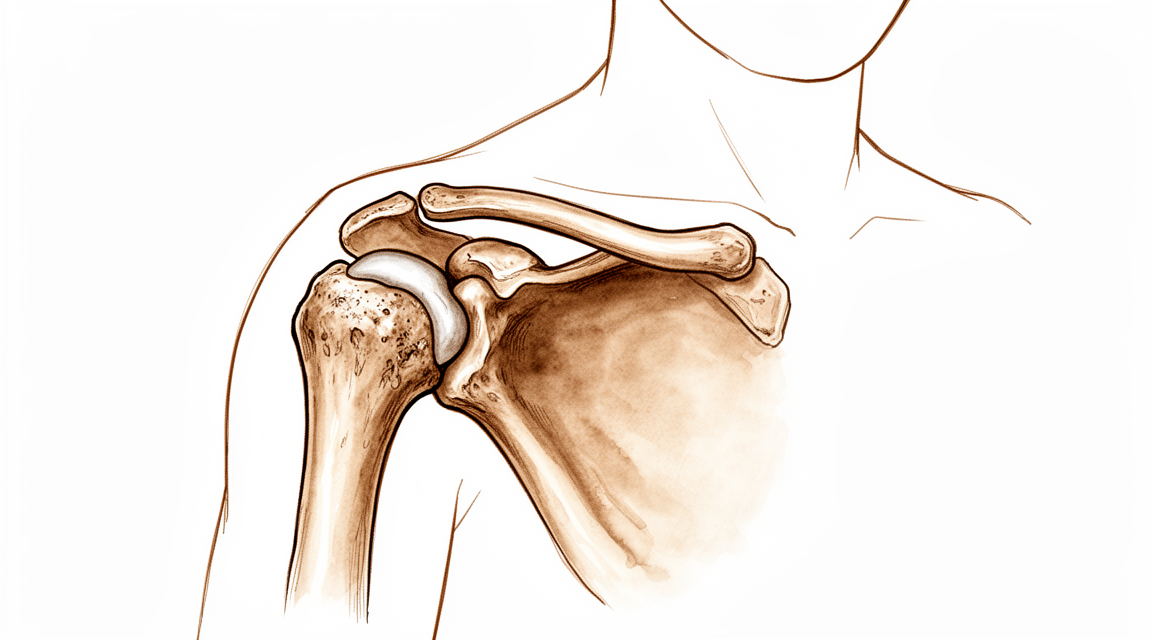
Shoulder arthritis causes pain, stiffness, and reduced range of motion — diagnosis and treatment options explored.
What you're feeling
Shoulder arthritis is a common condition that affects how your joint moves and feels. As you age, wear-and-tear on the cartilage increases. This wear-and-tear often leads to pain and stiffness. You may notice that your symptoms worsen as time goes on. The pain is usually deep inside the shoulder. It can also radiate down your upper arm.
Daily tasks become difficult when the joint stiffens. You might struggle to reach behind your back to fasten a bra. Tucking in a shirt can feel impossible or painful. Reaching for items on high shelves may cause sharp discomfort. Simple movements like lifting a grocery bag or pouring coffee can trigger pain. Your shoulder may feel like it is locking up or catching.
Pain often flares at specific times. Many patients report increased pain at night. This can make it hard to fall asleep or stay asleep. Lying on the affected side is usually very uncomfortable. You may also feel stiff when you first wake up in the morning. This stiffness often eases slightly as you move around, but activity can bring the pain back later in the day.
In some cases, the arthritis develops rapidly. This is more common in elderly women. The pain may start insidiously, meaning it comes on slowly and subtly at first. If you have severe arthritis, you are more likely to feel significant relief after treatment compared to those with mild signs. However, if your arthritis is mild, you might not feel a major difference even after surgery.
Your surgeon will look for specific patterns in your pain. For example, some types of arthritis cause the ball of the joint to slip backward. This can lead to a specific type of wear on the socket. Understanding these patterns helps your surgeon choose the right treatment. Whether you need a standard replacement or a reverse joint replacement, the goal is to reduce this pain and restore your ability to move freely.
What's actually happening
Shoulder arthritis is a common wear-and-tear condition. It happens when the smooth coating on your bone ends, called cartilage, breaks down. Think of this cartilage as a shock absorber. When it wears thin, your bones begin to rub against each other. This causes pain and stiffness. Your surgeon may refer to this as glenohumeral osteoarthritis. It is simply arthritis in the main ball-and-socket joint of your shoulder.
The joint is held together by a sleeve called the joint capsule. Inside, your rotator cuff tendons act like ropes to stabilize the arm. In many cases, these tendons stay intact. However, the joint surface itself becomes rough. This changes how your shoulder moves. You might feel grinding or catching. Your body tries to compensate by moving your shoulder blade differently. This extra movement can lead to more wear over time.
If the rotator cuff tears, the problem gets more complex. The shoulder loses its main stabilizers. Your deltoid muscle, the large muscle on the outside of your arm, must work much harder. It tries to lift your arm without the help of the torn tendons. This compensation prevents you from losing all movement, but it puts extra strain on the joint.
Your surgeon chooses a treatment based on how severe this damage is. For joints with an intact rotator cuff, an anatomic total shoulder replacement is often the standard choice. It restores the natural ball-and-socket shape. If the cuff is torn, a reverse total shoulder replacement may be better. This design changes the joint mechanics to let your deltoid muscle do the lifting.
Implant designs have improved significantly. Modern prosthetics aim to mimic your natural shoulder motion more closely. However, implant longevity remains a concern for active patients. Younger patients or those with high activity levels may face higher risks of wear. Even with mild signs of arthritis on X-rays, outcomes can vary. Some patients may not feel a significant improvement compared to those with severe damage. Understanding exactly what is happening in your joint helps your surgeon pick the right path for you.
What we can do about it
We start with non-surgical care, especially if your disease is moderate or mild. Your surgeon will likely recommend self-management and physiotherapy first. These steps aim to keep your shoulder moving and reduce stiffness. You will learn gentle exercises to strengthen the muscles around the joint. This support helps take pressure off the worn cartilage. Give these conservative treatments time to work. They are the standard first line of defense before considering any invasive procedures.
If exercise alone does not provide enough relief, we move to medical management. Your surgeon may suggest pain medication or anti-inflammatories to help you manage daily discomfort. For more targeted relief, we can offer injections into the shoulder joint. Cortisone injections reduce inflammation and pain for a limited time. Hyaluronic acid injections aim to lubricate the joint to improve movement. Platelet-rich plasma (PRP) injections use your own blood components to promote healing. The duration of relief varies by person and injection type, but these options can buy you time and improve your quality of life while you continue with physical therapy.
Surgery is considered only when conservative care has reached its limit and pain remains severe. If your arthritis is end-stage, joint replacement becomes a viable option. For patients with an intact rotator cuff, anatomic total shoulder replacement is the benchmark treatment. It restores the natural ball-and-socket anatomy. If your rotator cuff is damaged, a reverse total shoulder replacement may be recommended. This design changes how the joint moves to compensate for cuff weakness. Both options provide significant pain relief and functional improvement for severe cases. Your surgeon will determine which procedure fits your specific anatomy and activity level.
What to expect
Shoulder arthritis is a common condition. It typically involves wear-and-tear of the joint surfaces. This wear causes pain and stiffness that often persists over time. The condition does not usually settle on its own. Without treatment, symptoms tend to continue or worsen. In some cases, significant bone erosion can occur after ten years if only the ball of the joint is replaced.
When managed well, treatment aims to reduce pain and improve function. Your surgeon will choose the best approach for your specific anatomy. For many patients with an intact rotator cuff, anatomic total shoulder replacement is the standard care. This procedure often provides significant pain relief and functional improvement. Some patients may undergo a reverse shoulder replacement instead. This option also offers optimal outcomes with low complication rates in the short term.
Recovery feels different for everyone. Most patients notice significant improvements in pain and function within the first two years after surgery. However, strength does not always return to normal. Subscapularis strength returns to normal in only a minority of patients at two years. You may still feel some limitations in daily activities.
Implant longevity is a key consideration. This remains a concern for more active patients. If you are younger than fifty, surface replacement arthroplasty provides good long-term results in 81.6% of patients. For those with bone loss, specialized implants can offer adequate pain relief and functional results at two-year follow-up.
It is important to have realistic expectations. Patients with mild signs of arthritis on X-ray have about sevenfold higher odds of failing to achieve meaningful improvement after anatomic total shoulder replacement compared to those with severe arthritis. Your surgeon will discuss which outcomes are realistic for you based on your imaging and health. While many patients are satisfied, some may continue to experience pain or require further intervention. Regular follow-up helps monitor the joint and address any changes early.
When to see someone
Shoulder arthritis is common. See your GP if you have persistent pain that does not improve with rest. Ask for a specialist review if you experience weakness, instability, or locking. Symptoms that interfere with sleep or work warrant attention. Sudden worsening of pain is also a reason to seek care. Rapidly destructive arthritis can cause insidious pain in elderly women. Severe erosion may indicate gout in those with a history of the condition. Atypical symptoms or lack of response to treatment may suggest other causes. Your surgeon will evaluate these signs to determine the best path forward for your shoulder health.
Evidence & references
title: "Shoulder Arthritis" slug: shoulder-arthritis region: shoulder audience: patient mesh_terms: ["Arthroplasty, Replacement, Shoulder", "Osteoarthritis", "Humeral Head", "Arthroplasty, Replacement", "Shoulder", "Arthritis, Infectious", "Arthritis", "Scapula"] article_count: 267 model_used: Qwen3.6-35B-A3B-Q8_0.gguf generated_at: '2026-06-13T11:05:32+00:00' key_articles: - title: "Is there sufficient evidence to support intervention to manage shoulder arthritis?" ref_num: 1 evidence_tier: paper evidence_level: 1 doi: 10.1177/1758573215622385 year: 2016 - title: "Shoulder Arthritis in the Young and Active Patient" ref_num: 2 evidence_tier: paper evidence_level: 5 doi: 10.1016/j.csm.2018.07.001 year: 2018 - title: "Outcome and value of reverse shoulder arthroplasty for treatment of glenohumeral osteoarthritis: a matched cohort" ref_num: 3 evidence_tier: paper evidence_level: 3 doi: 10.1016/j.jse.2015.01.005 year: 2015 - title: "Glenohumeral osteoarthritis with intact rotator cuff treated with reverse shoulder arthroplasty: a systematic review" ref_num: 4 evidence_tier: paper evidence_level: 4 doi: 10.1016/j.jse.2021.06.010 year: 2021 - title: "Editor’s Spotlight/Take 5: Patients With Mild Osteoarthritis Are Less Likely to Achieve a Clinically Important Improvement in Pain or Function After Anatomic Total Shoulder Arthroplasty" ref_num: 5 evidence_tier: paper doi: 10.1097/corr.0000000000002747 year: 2023 - title: "Identification of threshold pathoanatomic metrics in primary glenohumeral osteoarthritis" ref_num: 6 evidence_tier: paper evidence_level: 4 doi: 10.1016/j.jse.2021.03.140 year: 2021 - title: "Western Ontario Osteoarthritis of the Shoulder Index (WOOS) - a validation for use in proximal humerus fractures treated with arthroplasty" ref_num: 7 evidence_tier: paper evidence_level: 4 doi: 10.1186/s12891-023-06578-5 year: 2023 - title: "Towards standardised definitions of shoulder arthroplasty complications: a systematic review of terms and definitions" ref_num: 8 evidence_tier: paper evidence_level: 1 doi: 10.1007/s00402-017-2635-9 year: 2017 - title: "Surface replacement arthroplasty for glenohumeral arthropathy in patients aged younger than fifty years: results after a minimum ten-year follow-up" ref_num: 9 evidence_tier: paper evidence_level: 4 doi: 10.1016/j.jse.2014.11.035 year: 2015 - title: "Rapidly destructive arthrosis of the shoulder joints: radiographic, magnetic resonance imaging, and histopathologic findings" ref_num: 10 evidence_tier: paper evidence_level: 4 doi: 10.1016/j.jse.2014.10.020 year: 2015 - title: "Shoulder Arthroplasty: Prosthetic Options and Indications" ref_num: 11 evidence_tier: paper evidence_level: 5 doi: 10.5435/00124635-200907000-00002 year: 2009 - title: "Radiological changes in shoulder osteoarthritis and pain sensation correlate with patients’ age" ref_num: 12 evidence_tier: paper evidence_level: 3 doi: 10.1186/s13018-022-03137-x year: 2022 - title: "Quantitative assessment and characterization of glenoid bone loss in a spectrum of patients with glenohumeral osteoarthritis" ref_num: 14 evidence_tier: paper evidence_level: 4 doi: 10.1007/s12306-016-0406-3 year: 2016 - title: "Comprehensive Arthroscopic Management of Shoulder Arthritis" ref_num: 15 evidence_tier: paper evidence_level: 4 doi: 10.1016/j.arthro.2022.01.033 year: 2022 - title: "Shoulder Osteoarthritis" ref_num: 16 evidence_tier: paper evidence_level: 5 doi: 10.1155/2013/370231 year: 2013 - title: "Natural history of glenoid bone loss in primary glenohumeral osteoarthritis: how does bone loss progress over a decade?" ref_num: 17 evidence_tier: paper evidence_level: 4 doi: 10.1016/j.jse.2020.05.021 year: 2021 - title: "Revision arthroplasty with a hip-inspired computer-assisted design/computer-assisted manufacturing implant for glenoid-deficient shoulders" ref_num: 20 evidence_tier: paper evidence_level: 4 doi: 10.1016/j.jse.2013.05.004 year: 2014 - title: "18F-FDG PET/CT for the diagnosis of septic shoulder arthritis: metabolic uptake pattern and diagnostic performance" ref_num: 21 evidence_tier: paper evidence_level: 3 doi: 10.1016/j.jse.2025.01.047 year: 2025 - title: "Comparison of Reverse and Anatomic Total Shoulder Arthroplasty in Patients With an Intact Rotator Cuff and No Previous Surgery" ref_num: 22 evidence_tier: paper evidence_level: 3 doi: 10.5435/jaaos-d-22-00014 year: 2022 - title: "Cochrane in CORR®: Shoulder Replacement Surgery For Osteoarthritis And Rotator Cuff Tear Arthropathy" ref_num: 23 evidence_tier: paper evidence_level: 1 doi: 10.1097/corr.0000000000001523 year: 2020 - title: "Mid- to long-term outcomes of augmented and nonaugmented anatomic shoulder arthroplasty in Walch B3 glenoids" ref_num: 25 evidence_tier: paper evidence_level: 3 doi: 10.1016/j.jse.2021.12.016 year: 2022 - title: "Midterm results of a total shoulder prosthesis fixed with a cementless glenoid component" ref_num: 26 evidence_tier: paper evidence_level: 4 doi: 10.1016/j.jse.2012.07.005 year: 2013 - title: "One and two-year clinical outcomes for a polyethylene glenoid with a fluted peg: one thousand two hundred seventy individual patients from eleven centers" ref_num: 27 evidence_tier: paper evidence_level: 4 doi: 10.1007/s00264-018-4213-3 year: 2018 - title: "Interest in the glenoid hull method for analyzing humeral subluxation in primary glenohumeral osteoarthritis" ref_num: 28 evidence_tier: paper evidence_level: 4 doi: 10.1016/j.jse.2017.01.027 year: 2017 - title: "Effect of glenoid cementation on total shoulder arthroplasty for degenerative arthritis of the shoulder: a review of the New Zealand National Joint Registry" ref_num: 29 evidence_tier: paper evidence_level: 3 doi: 10.1016/j.jse.2013.08.022 year: 2014 - title: "The association between critical shoulder angle and revision following anatomic total shoulder arthroplasty: a matched case-control study" ref_num: 30 evidence_tier: paper evidence_level: 3 doi: 10.1016/j.jse.2021.08.003 year: 2022 - title: "Shoulder arthritis as a lung metastatic carcinoma revealer. A case report" ref_num: 31 evidence_tier: case_report evidence_level: 4 doi: 10.1016/j.otsr.2009.03.019 year: 2009 - title: "Three-dimensional evaluation of the transverse rotator cuff muscle's resultant force angle in relation to scapulohumeral subluxation and glenoid vault morphology in nonpathological shoulders" ref_num: 32 evidence_tier: paper evidence_level: 4 doi: 10.1016/j.jse.2023.09.031 year: 2024 - title: "Assessing the Value to the Patient of New Technologies in Anatomic Total Shoulder Arthroplasty" ref_num: 33 evidence_tier: paper evidence_level: 4 doi: 10.2106/jbjs.20.01853 year: 2021 - title: "PROMIS Global-10 performs poorly relative to legacy shoulder instruments in patients undergoing total shoulder arthroplasty for glenohumeral arthritis" ref_num: 34 evidence_tier: paper evidence_level: 3 doi: 10.1016/j.jse.2020.10.021 year: 2021 - title: "Kinematic evaluation of patients with total and reverse shoulder arthroplasty during rehabilitation exercises with different loads" ref_num: 35 evidence_tier: paper evidence_level: 4 doi: 10.1016/j.clinbiomech.2012.04.009 year: 2012 - title: "Scaption kinematics of reverse shoulder arthroplasty do not change after the sixth postoperative month" ref_num: 36 evidence_tier: paper evidence_level: 4 doi: 10.1016/j.clinbiomech.2018.07.005 year: 2018 - title: "A 3-Dimensional Classification for Degenerative Glenohumeral Arthritis Based on Humeroscapular Alignment" ref_num: 37 evidence_tier: paper evidence_level: 3 doi: 10.1177/23259671221110512 year: 2022 - title: "Elliptical and spherical heads show similar obligate glenohumeral translation during axial rotation in total shoulder arthroplasty" ref_num: 38 evidence_tier: paper evidence_level: 5 doi: 10.1186/s12891-023-06273-5 year: 2023 - title: "Precision of novel radiological methods in relation to resurfacing humeral head implants: assessment by radiostereometric analysis, DXA, and geometrical analysis" ref_num: 39 evidence_tier: paper evidence_level: 2 doi: 10.1007/s00402-012-1580-x year: 2012 - title: "Determination of predisposing scapular anatomy with a statistical shape model—Part II: shoulder osteoarthritis" ref_num: 41 evidence_tier: paper evidence_level: 3 doi: 10.1016/j.jse.2021.01.018 year: 2021 - title: "How do deltoid muscle moment arms change after reverse total shoulder arthroplasty?" ref_num: 42 evidence_tier: paper evidence_level: 5 doi: 10.1016/j.jse.2015.09.015 year: 2016 - title: "The effect of humeral version on teres minor muscle moment arm, length, and impingement in reverse shoulder arthroplasty during activities of daily living" ref_num: 43 evidence_tier: paper evidence_level: 5 doi: 10.1016/j.jse.2014.08.019 year: 2015 - title: "CORR Insights®: Reverse Total Shoulder Arthroplasty Alters Humerothoracic, Scapulothoracic, and Glenohumeral Motion During Weighted Scaption" ref_num: 44 evidence_tier: paper evidence_level: 5 doi: 10.1097/corr.0000000000002383 year: 2022 - title: "The effects of prosthetic humeral head shape on glenohumeral joint kinematics: a comparison of non-spherical and spherical prosthetic heads to the native humeral head" ref_num: 45 evidence_tier: paper evidence_level: 5 doi: 10.1016/j.jse.2013.01.002 year: 2013 - title: "Current concepts in the surgical management of primary glenohumeral arthritis with a biconcave glenoid" ref_num: 46 evidence_tier: paper evidence_level: 5 doi: 10.1016/j.jse.2013.06.017 year: 2013 - title: "Involvement of the scapulothoracic articulation after well-functioning reverse total shoulder arthroplasty" ref_num: 48 evidence_tier: paper evidence_level: 4 doi: 10.1016/j.jse.2024.12.018 year: 2025 - title: "Quantification of B2 glenoid morphology in total shoulder arthroplasty" ref_num: 49 evidence_tier: paper evidence_level: 4 doi: 10.1016/j.jse.2015.01.007 year: 2015 - title: "Augmented Glenoid Component for Bone Deficiency in Shoulder Arthroplasty" ref_num: 51 evidence_tier: paper evidence_level: 4 doi: 10.1007/s11999-007-0104-4 year: 2008 - title: "Relationship Between Deltoid and Rotator Cuff Muscles During Dynamic Shoulder Abduction: A Biomechanical Study of Rotator Cuff Tear Progression" ref_num: 52 evidence_tier: paper evidence_level: 5 doi: 10.1177/0363546518768276 year: 2018 - title: "Rotator cuff contact pressures at the tendon-implant interface after anatomic total shoulder arthroplasty using a metal-backed glenoid component" ref_num: 53 evidence_tier: paper evidence_level: 5 doi: 10.1016/j.jse.2018.04.017 year: 2018 - title: "High and low performers in internal rotation after reverse total shoulder arthroplasty: a biplane fluoroscopic study" ref_num: 55 evidence_tier: paper evidence_level: 4 doi: 10.1016/j.jse.2022.10.009 year: 2023 - title: "Glenosphere design affects range of movement and risk of friction-type scapular impingement in reverse shoulder arthroplasty" ref_num: 56 evidence_tier: paper evidence_level: 5 doi: 10.1302/0301-620x.100b9.bjj-2018-0264.r1 year: 2018 - title: "Magnetic resonance scanning vs axillary radiography in the assessment of glenoid version for osteoarthritis" ref_num: 57 evidence_tier: paper evidence_level: 3 doi: 10.1016/j.jse.2012.10.036 year: 2013 - title: "A comparison of normal and osteoarthritic humeral head size and morphology" ref_num: 58 evidence_tier: paper evidence_level: 4 doi: 10.1016/j.jse.2015.08.047 year: 2016 - title: "Total shoulder arthroplasty using an inlay mini-glenoid component for glenoid deficiency: a 2-year follow-up of 9 shoulders in 7 patients" ref_num: 59 evidence_tier: paper evidence_level: 4 doi: 10.1016/j.jse.2015.12.010 year: 2016 - title: "The return of subscapularis strength after shoulder arthroplasty" ref_num: 60 evidence_tier: paper evidence_level: 4 doi: 10.1016/j.jse.2014.06.042 year: 2015 - title: "Severe erosive lesion of the glenoid in gouty shoulder arthritis: a case report and review of the literature" ref_num: 61 evidence_tier: case_report evidence_level: 4 doi: 10.1186/s12891-021-04217-5 year: 2021 - title: "Critical shoulder angle is an effective radiographic parameter that is associated with rotator cuff tears and osteoarthritis: a systematic review" ref_num: 62 evidence_tier: paper evidence_level: 4 doi: 10.1136/jisakos-2018-000255 year: 2019 - title: "A three-dimensional comparative study on the scapulohumeral relationship in normal and osteoarthritic shoulders" ref_num: 63 evidence_tier: paper evidence_level: 4 doi: 10.1016/j.jse.2016.02.035 year: 2016 - title: "Economic Decision Model Suggests Total Shoulder Arthroplasty is Superior to Hemiarthroplasty in Young Patients with End-stage Shoulder Arthritis" ref_num: 64 evidence_tier: paper evidence_level: 2 doi: 10.1007/s11999-016-4991-0 year: 2016 - title: "A quantitative method for determining medial migration of the humeral head after shoulder arthroplasty: preliminary results in assessing glenoid wear at a minimum of two years after hemiarthroplasty with concentric glenoid reaming" ref_num: 66 evidence_tier: paper evidence_level: 3 doi: 10.1016/j.jse.2010.03.010 year: 2011 - title: "Total shoulder arthroplasty with minimum 5-year follow-up: does the presence of subchondral cysts in the glenoid increase risk of failure?" ref_num: 67 evidence_tier: paper evidence_level: 3 doi: 10.1016/j.jse.2017.10.035 year: 2018 - title: "Biconcave glenoids show 3 differently oriented posterior erosion patterns" ref_num: 68 evidence_tier: paper evidence_level: 4 doi: 10.1016/j.jse.2021.04.028 year: 2021 - title: "Long-term outcomes of humeral head replacement for the treatment of osteoarthritis; a report of 44 arthroplasties with minimum 10-year follow-up" ref_num: 69 evidence_tier: paper evidence_level: 4 doi: 10.1016/j.jse.2017.10.017 year: 2018 synthesis_version: "v2" verifier_status: skipped
Overview
- Standardization of outcome assessment following treatment of shoulder arthritis is needed [1].
- Shoulder arthritis is common [2].
- Management strategies for shoulder arthritis, especially in young patients, continue to evolve [2].
- Significant improvements in implant design have occurred for shoulder arthritis management [2].
- Implant longevity remains a concern in more active patients with shoulder arthritis [2].
- Reverse shoulder arthroplasty (RSA) provides optimal outcomes with low complication rates across a short term of follow-up for glenohumeral osteoarthritis with an intact rotator cuff [4].
- Patients with glenohumeral osteoarthritis converted intraoperatively to RSA had outcomes comparable to those who underwent total shoulder arthroplasty [3].
- Patients with mild radiographic signs of arthritis have about sevenfold higher odds of failing to achieve the minimum clinically important difference (MCID) after anatomic total shoulder replacement compared to patients with severe arthritis [5].
- The Western Ontario Osteoarthritis of the Shoulder Index (WOOS) is recommended for continued use in shoulder arthroplasty registries and observational studies [7].
- A clear standardized set of shoulder arthroplasty complication definitions is lacking [8].
- Knowledge of the array of shoulder prostheses currently available and their indications, as well as the use of treatment algorithms, can lead to optimized patient outcomes [11].
- Anatomic total shoulder arthroplasty (ATSA) is the benchmark for surgical treatment of glenohumeral arthritis with an intact cuff [18].
- Reverse total shoulder arthroplasty (RTSA) has gained popularity for rotator cuff arthropathy and other complex indications [18].
- Total shoulder arthroplasty did not provide a clinically important advantage over hemiarthroplasty in terms of patient-reported pain, function, nor adverse effects [23].
- The evidence comparing total shoulder arthroplasty to hemiarthroplasty was of low quality [23].
- Both augmented and standard anatomic total shoulder arthroplasty can provide satisfactory and sustained improvements in patient-reported outcomes in patients with acquired glenoid retroversion due to glenohumeral osteoarthritis [25].
Anatomy & Pathophysiology
- Pathoanatomic metrics with identified threshold values can discriminate glenoid types in shoulders with primary glenohumeral osteoarthritis [6].
- Measurement of humeral subluxation in the glenoid hull plane may be more accurate than measurement in the scapular plane [28].
- Scapular kinematics in patients with shoulder arthroplasty are influenced by the implementation of external loads, but not by the type of load [35].
- Scaption kinematics in reverse shoulder arthroplasty do not change after the sixth postoperative month [36].
- Elliptical and spherical humeral heads show similar obligate glenohumeral translation during axial rotation in total shoulder arthroplasty [38].
- Geometric analysis of the prosthetic shoulder is precise [39].
- Reverse total shoulder arthroplasty (RTSA) shoulders maintain the same anterior and posterior deltoid muscle moment-arm patterns as healthy shoulders but exhibit greater intersubject variation and larger moment-arm magnitudes [42].
- In RTSA, a decreased teres minor length could impair force generation even if the external rotation moment arm is higher than in a normal shoulder [43].
- Reverse total shoulder arthroplasty alters humerothoracic, scapulothoracic, and glenohumeral motion during weighted scaption [44].
- Custom, non-spherical prosthetic heads more accurately replicate head shape, rotational range of motion, and glenohumeral joint kinematics compared with commercially available spherical prosthetic heads when compared to the native humeral head [45].
- The scapulothoracic (ST) contribution to overall shoulder movement is significantly increased in patients with well-functioning reverse total shoulder arthroplasty compared with a healthy shoulder [48].
- Shoulders with rotator cuff tears require considerable compensatory deltoid function to prevent abduction motion loss [52].
- Anatomic total shoulder arthroplasty results in tendon-metal contact and higher tendon contact pressures compared to the native shoulder [53].
- The combination of altered resting scapular posture and restricted scapulothoracic range of motion could prohibit glenohumeral rotation required to reach internal rotation in adduction [55].
- Glenosphere configuration can be modified to increase range of movement in reverse shoulder arthroplasty [56].
Classification
- Pathoanatomic metrics with identified threshold values can be used to discriminate glenoid types in shoulders with primary glenohumeral osteoarthritis [6].
- An anatomic pattern of glenoid bone loss exists for different classes of glenohumeral arthritis [14].
- Shoulders presenting with posterior subluxation (B types) remained posteriorly subluxed over a decade [17].
- Concentric arthritis developed an eccentric pattern 20% of the time over a decade [17].
- A 3-dimensional classification system using combined humeroscapular alignment and glenoid erosion can be applied to describe degenerative glenohumeral arthritis comprehensively [37].
- A small lateral extension and less posterior rotation of the acromion is associated with shoulder osteoarthritis and is present in almost all types and subtypes of glenoid morphology [41].
- Osteoarthritic humeral head morphology varies significantly from normal, characterized by larger spherical diameters [58].
- Osteoarthritic humeral head morphology does not vary as a function of the Walch classification between symmetric and asymmetric glenoids [58].
Clinical Presentation
- Shoulder arthritis is a common condition [2].
- Management strategies for shoulder arthritis, particularly in young and active patients, continue to evolve with improvements in implant design, although longevity remains a concern for more active patients [2].
- Patients with mild radiographic signs of arthritis have approximately sevenfold higher odds of failing to achieve the minimum clinically important difference (MCID) after anatomic total shoulder replacement compared to patients with severe arthritis [5].
- Pathoanatomic metrics with identified threshold values can be used to discriminate glenoid types in shoulders with primary glenohumeral osteoarthritis [6].
- Increased age is the main determinant of radiological changes in shoulder osteoarthritis as well as pain [12].
- Rapidly destructive arthrosis of the shoulder joints should be considered in the differential diagnosis of elderly women with insidious shoulder pain [10].
- Shoulders presenting with posterior subluxation (B types) remained posteriorly subluxed, while concentric arthritis developed an eccentric pattern 20% of the time over a decade [17].
- Arthritic B2 glenoids are common, and their maximal erosion is usually posteroinferior [49].
- F-18-FDG PET/CT effectively differentiates septic shoulder arthritis from varying stages of osteoarthritis [21].
Investigations
- Standardization of outcome assessment is needed following treatment of shoulder arthritis [1].
- Pathoanatomic metrics with identified threshold values can discriminate glenoid types in shoulders with primary glenohumeral osteoarthritis [6].
- Rapidly destructive arthrosis should be considered in the differential diagnosis of elderly women with insidious shoulder pain [10].
- Increased age is the main determinant of radiological changes in shoulder osteoarthritis [12].
- Increased age is the main determinant of pain in shoulder osteoarthritis [12].
- There is an anatomic pattern of glenoid bone loss for different classes of glenohumeral arthritis [14].
- F-18-FDG PET/CT effectively differentiates septic shoulder arthritis from varying stages of osteoarthritis [21].
- In healthy/nonosteoarthritic shoulders, increased glenoid retroversion is associated with decreased anterior glenoid offset [32].
- Additional research is required to document the clinical value of new technologies to patients with glenohumeral arthritis [33].
- MRI offers a more precise method of determining glenoid version compared with x-ray imaging for preoperative osseous imaging in total shoulder arthroplasty [57].
- The critical shoulder angle is an effective radiographic parameter associated with rotator cuff tears and osteoarthritis [62].
- Three-dimensional CT reconstruction allows for reliable evaluation of the scapulohumeral relationship in osteoarthritic shoulders [63].
- Osteoarthritic shoulders exhibit significant posterior translation of the humeral head compared to nonpathologic controls [63].
- Posterior translation of the humeral head in osteoarthritic shoulders supports the pathomechanism of glenoid component loosening [63].
- A quantitative method exists to determine the rate of medial migration of the humeral head on plain radiographs after shoulder arthroplasty [66].
- This method for determining medial migration of the humeral head is inexpensive, practical, and reproducible [66].
- Cystic disease in the glenoid did not affect functional outcome after total shoulder arthroplasty with minimum 5-year follow-up [67].
- Cystic disease in the glenoid did not affect the presence of radiographic glenoid loosening after total shoulder arthroplasty with minimum 5-year follow-up [67].
- Three significantly differently oriented posterior erosion patterns (posterior-superior, posterior-central, and posterior-inferior) were distinguished in shoulders demonstrating posterior wear on axillary imaging [68].
Treatment
- Management strategies for shoulder arthritis, particularly in young patients, continue to evolve with significant improvements in implant design, although longevity remains a concern in more active patients [2].
- Nonoperative modalities should be utilized before surgical options for shoulder osteoarthritis, particularly for patients with moderate-to-mild disease [16].
- Surgical treatments like arthroplasty are considered effective for severe cases of shoulder osteoarthritis [16].
- Anatomic total shoulder arthroplasty (ATSA) is the benchmark for surgical treatment of glenohumeral arthritis with an intact rotator cuff [18].
- Reverse total shoulder arthroplasty (RTSA) has gained popularity for rotator cuff arthropathy and other complex indications [18].
- Knowledge of the array of shoulder prostheses currently available, their indications, and the use of treatment algorithms can lead to optimized patient outcomes [11].
- The Comprehensive Arthroscopic Management (CAM) procedure is recommended as a systematic, inclusive approach to the array of pathologies encountered in early glenohumeral arthritis [15].
- Surface replacement arthroplasty (CSRA) provides good long-term symptomatic and functional results in 81.6% of patients aged younger than 50 years with glenohumeral arthropathy [9].
- Total shoulder arthroplasty (TSA) is superior to hemiarthroplasty for treating end-stage glenohumeral arthritis refractory to conservative treatment in patients aged 30 to 50 years, resulting in greater cost savings, fewer revision procedures, and greater quality-adjusted life years (QALYs) gained [64].
- Patients with glenohumeral osteoarthritis converted intraoperatively to reverse shoulder arthroplasty (RSA) had outcomes comparable to those who underwent total shoulder arthroplasty [3].
- Reverse shoulder arthroplasty provides optimal outcomes with low complication rates across a short term of follow-up for glenohumeral osteoarthritis with an intact rotator cuff [4].
- Both augmented and standard anatomic total shoulder arthroplasty can provide satisfactory and sustained improvements in patient-reported outcomes in patients with acquired glenoid retroversion due to glenohumeral osteoarthritis [25].
- Patients undergoing total shoulder arthroplasty with an asymmetric (augmented) glenoid component for osteoarthritis achieve satisfactory mid-term pain relief and improvement in function, although instability is not always corrected [51].
- There was no clinically or statistically significant difference in Oxford Shoulder Score results between groups with and without glenoid cementation in total shoulder arthroplasty for degenerative arthritis [29].
- A polyethylene glenoid with a fluted peg demonstrates significant improvement in patient-reported outcomes at 1 and 2 years post-surgery [27].
- Patients with mild radiographic signs of arthritis have about sevenfold higher odds of failing to achieve the minimum clinically important difference (MCID) after anatomic total shoulder replacement compared to patients with severe arthritis [5].
- The PROMIS Global-10 has limited utility in the evaluation of patients with shoulder arthritis both preoperatively and after total shoulder arthroplasty [34].
- The Western Ontario Osteoarthritis of the Shoulder Index (WOOS) is recommended for continued use in shoulder arthroplasty registries and observational studies [7].
- A clear standardized set of shoulder arthroplasty complication definitions is lacking [8].
- There is a need for standardization of outcome assessment following treatment of shoulder arthritis [1].
Complications
- Longevity of shoulder arthritis implants remains a concern in more active patients [2].
- Total shoulder arthroplasty is associated with high mid-term complication rates due to instability and loosening in B2 glenoids [46].
- Cementless glenoid components are associated with complications such as radiolucent lines, component loosening, and polyethylene wear [26].
- Reverse shoulder arthroplasty provides optimal outcomes with low complication rates across a short term of follow-up for glenohumeral osteoarthritis with an intact rotator cuff [4].
- No case of glenoid loosening occurred at 3 years' follow-up with revision arthroplasty using a hip-inspired computer-assisted design/computer-assisted manufacturing implant for glenoid-deficient shoulders [20].
- Carcinomatous arthritis should be considered when the clinical history is long, symptomatology is atypical, response to treatment is lacking, and X-ray suggests a destructive process [31].
- Physicians and orthopedic surgeons should consider gouty shoulder arthritis when severe erosion is present in patients with a history of gout [61].
Recovery
- Standardization of outcome assessment is needed following treatment of shoulder arthritis [1].
- Implant longevity remains a concern in more active patients with shoulder arthritis [2].
- Patients with glenohumeral osteoarthritis converted intraoperatively to reverse shoulder arthroplasty (RSA) had outcomes comparable to those who underwent total shoulder arthroplasty (TSA) [3].
- Primary anatomic total shoulder arthroplasty (aTSA) and reverse total shoulder arthroplasty (rTSA) patients with osteoarthritis and an intact rotator cuff with no previous history of shoulder surgery had similar clinical and radiographic outcomes at a mean of 41 months follow-up [22].
- Reverse shoulder arthroplasty provides optimal outcomes with low complication rates across a short term of follow-up for glenohumeral osteoarthritis with an intact rotator cuff [4].
- Surface replacement arthroplasty provides good long-term symptomatic and functional results in the treatment of glenohumeral arthropathy in patients aged younger than 50 years in 81.6% of the patients [9].
- Revision arthroplasty with a hip-inspired computer-assisted design/computer-assisted manufacturing implant for glenoid-deficient shoulders resulted in significant improvement in pain and clinical scores at 3 years' follow-up, with no case of glenoid loosening [20].
- Total shoulder arthroplasty with a cementless glenoid component resulted in significant functional improvement but was associated with complications such as radiolucent lines, component loosening, and polyethylene wear [26].
- A polyethylene glenoid with a fluted peg demonstrated significant improvement in patient-reported outcomes at 1 and 2 years post-surgery across a large multicenter cohort of 1,270 individual patients from eleven centers [27].
- Surgeons may consider using reverse arthroplasty in cases of primary shoulder arthritis with a critical shoulder angle of 35 degrees or greater [30].
- Total shoulder arthroplasty with a mini-glenoid component can offer adequate pain relief and functional results at 2-year follow-up in the setting of glenoid bone loss or severe retroversion [59].
- Although significant strength improvement from baseline was observed at 2 years after shoulder arthroplasty, subscapularis strength returned to normal in only a minority of patients [60].
- There is a substantive subgroup with continuing pain and a high rate of glenoid bone erosion after 10 years following humeral head replacement for the treatment of osteoarthritis [69].
- The PROMIS Global-10 has limited utility in the evaluation of patients with shoulder arthritis both preoperatively and after total shoulder arthroplasty [34].
Key Evidence
- [L1] The present review highlights the need for standardization of outcome assessment following treatment of shoulder arthritis. (10.1177/1758573215622385)
- [L5] Shoulder arthritis is common, and management strategies, especially in young patients, continue to evolve with significant improvements in implant design, though longevity remains a concern in more active patients. (10.1016/j.csm.2018.07.001)
- [L3] Patients with glenohumeral osteoarthritis converted intraoperatively to RSA had outcomes comparable to those who underwent total shoulder arthroplasty. (10.1016/j.jse.2015.01.005)
- [L4] Reverse shoulder arthroplasty provides optimal outcomes with low complication rates across a short term of follow-up for glenohumeral osteoarthritis with an intact rotator cuff. (10.1016/j.jse.2021.06.010)
- [Paper] Patients with mild radiographic signs of arthritis have about sevenfold higher odds of failing to achieve the minimum clinically important difference (MCID) after anatomic total shoulder replacement compared to patients with severe arthritis. (10.1097/corr.0000000000002747)
- [L4] Pathoanatomic metrics with the identified threshold values can be used to discriminate glenoid types in shoulders with primary glenohumeral osteoarthritis. (10.1016/j.jse.2021.03.140)
- [L4] The authors recommend the continued use of WOOS in shoulder arthroplasty registries and observational studies. (10.1186/s12891-023-06578-5)
- [L1] A clear standardised set of shoulder arthroplasty complication definitions is lacking. (10.1007/s00402-017-2635-9)
- [L4] CSRA provides good long-term symptomatic and functional results in the treatment of glenohumeral arthropathy in patients aged younger than 50 years in 81.6% of the patients. (10.1016/j.jse.2014.11.035)
- [L4] This condition should be considered in the differential diagnosis of elderly women with insidious shoulder pain. (10.1016/j.jse.2014.10.020)
- [L5] Knowledge of the array of shoulder prostheses currently available and the indications for each, as well as the use of treatment algorithms, can lead to optimized patient outcomes. (10.5435/00124635-200907000-00002)
- [L3] This study shows that increased age is the main determinant of radiological changes in shoulder OA, as well as pain. (10.1186/s13018-022-03137-x)
- [L4] These data demonstrate an anatomic pattern of glenoid bone loss for different classes of glenohumeral arthritis. (10.1007/s12306-016-0406-3)
- [L4] The authors recommend a systematic, inclusive approach to the array of pathologies encountered in the setting of early glenohumeral arthritis: the Comprehensive Arthroscopic Management (CAM) procedure. (10.1016/j.arthro.2022.01.033)
- [L5] The article provides an overview of available treatments for shoulder osteoarthritis, noting that nonoperative modalities should be utilized before surgical options, particularly for patients with moderate-to-mild disease, while surgical treatments like arthroplasty are considered effective for severe cases. (10.1155/2013/370231)
- [L4] Shoulders presenting with posterior subluxation (B types) remained posteriorly subluxed, while concentric arthritis developed an eccentric pattern 20% of the time. (10.1016/j.jse.2020.05.021)
- [L4] At 3 years' follow-up, pain and clinical scores improved significantly and no case of glenoid loosening occurred. (10.1016/j.jse.2013.05.004)
- [L3] F-18-FDG PET/CT effectively differentiates septic shoulder arthritis from varying stages of osteoarthritis. (10.1016/j.jse.2025.01.047)
- [L3] At a mean of 41 month follow-up, primary aTSA and rTSA patients with OA and an intact rotator cuff with no previous history of shoulder surgery had similar clinical and radiographic outcomes. (10.5435/jaaos-d-22-00014)
- [L1] Total shoulder arthroplasty did not provide a clinically important advantage over hemiarthroplasty in terms of patient-reported pain, function, nor adverse effects; however, the evidence on this topic was of low quality. (10.1097/corr.0000000000001523)
- [L3] Both augmented and standard anatomic total shoulder arthroplasty can provide satisfactory and sustained improvements in patient-reported outcomes in patients with acquired glenoid retroversion due to glenohumeral osteoarthritis. (10.1016/j.jse.2021.12.016)
- [L4] The study evaluated midterm clinical and radiographic outcomes of a cementless glenoid component, noting significant functional improvement but highlighting complications such as radiolucent lines, component loosening, and PE wear. (10.1016/j.jse.2012.07.005)
- [L4] The study establishes a benchmark for early clinical value of new glenoid components by demonstrating significant improvement in patient-reported outcomes at 1 and 2 years post-surgery across a large multicenter cohort. (10.1007/s00264-018-4213-3)
- [L4] Measurement in the glenoid hull plane may be more accurate than in the scapular plane. (10.1016/j.jse.2017.01.027)
- [L3] There was no clinically or statistically significant difference in the Oxford Shoulder Score results between the two groups. (10.1016/j.jse.2013.08.022)
- [L3] These data suggest that surgeons may consider using reverse arthroplasty in cases of primary shoulder arthritis with a critical shoulder angle of 35 degrees or greater. (10.1016/j.jse.2021.08.003)
- [Case_report] Carcinomatous arthritis should be considered, even in the absence of any history of cancer, when the clinical history is long, symptomatology is atypical, response to treatment is lacking and X-ray suggests a destructive process. (10.1016/j.otsr.2009.03.019)
- [L4] In healthy/nonosteoarthritic shoulders, an increased glenoid retroversion is associated with a decreased anterior glenoid offset. (10.1016/j.jse.2023.09.031)
- [L4] Additional research is required to document the clinical value of these new technologies to patients with glenohumeral arthritis. (10.2106/jbjs.20.01853)
- [L3] The Global-10 appears to have limited utility in the evaluation of patients with shoulder arthritis both preoperatively and after TSA. (10.1016/j.jse.2020.10.021)
- [L4] Scapular kinematics of patients with shoulder arthroplasty was influenced by implementation of external loads, but not by the type of load. (10.1016/j.clinbiomech.2012.04.009)
- [L4] Scaption kinematics of reverse shoulder arthroplasty do not change after the sixth postoperative month. (10.1016/j.clinbiomech.2018.07.005)
- [L3] The 3D classification system using combined humeroscapular alignment and glenoid erosion can be applied to describe the disease comprehensively. (10.1177/23259671221110512)
- [L5] A gained understanding of the consequences of implant head shape in TSA may guide future surgical implant choice for better recreation of native shoulder kinematics and potentially improved patient outcomes. (10.1186/s12891-023-06273-5)
- [L2] Geometric analysis of the prosthetic shoulder is precise. (10.1007/s00402-012-1580-x)
- [L3] A small lateral extension and less posterior rotation of the acromion is associated with shoulder osteoarthritis and is present in almost all types and subtypes of glenoid morphology. (10.1016/j.jse.2021.01.018)
- [L5] RTSA shoulders maintain the same anterior and posterior deltoid muscle moment-arm patterns as healthy shoulders but show much greater intersubject variation and larger moment-arm magnitudes. (10.1016/j.jse.2015.09.015)
- [L5] Even if TM external rotation moment arm is higher in RTSA than in a normal shoulder, the decreased length could impair its force generation. (10.1016/j.jse.2014.08.019)
- [L5] This commentary highlights that reverse total shoulder arthroplasty alters humerothoracic, scapulothoracic, and glenohumeral motion during weighted scaption, emphasizing the need to integrate biomechanical studies, computer modeling, and dynamic clinical evaluations to develop a roadmap for precision rTSA. (10.1097/corr.0000000000002383)
- [L5] The custom, non-spherical prosthetic head more accurately replicated the head shape, rotational range of motion, and glenohumeral joint kinematics than the commercially available, spherical prosthetic head compared with the native humeral head. (10.1016/j.jse.2013.01.002)
- [L5] Total shoulder arthroplasty may have reasonable short-term results but is associated with high mid-term complication rates due to instability and loosening in B2 glenoids. (10.1016/j.jse.2013.06.017)
- [L4] The ST contribution to overall shoulder movement is significantly increased in patients with an rTSA compared with a healthy shoulder. (10.1016/j.jse.2024.12.018)
- [L4] Arthritic B2 glenoids are common, and their maximal erosion is usually posteroinferior. (10.1016/j.jse.2015.01.007)
- [L4] Patients undergoing total shoulder arthroplasty with an asymmetric glenoid component for osteoarthritis achieve satisfactory mid-term pain relief and improvement in function; however, instability is not always corrected. (10.1007/s11999-007-0104-4)
- [L5] Shoulders with rotator cuff tears require considerable compensatory deltoid function to prevent abduction motion loss. (10.1177/0363546518768276)
- [L5] Anatomic total shoulder arthroplasty results in tendon-metal contact and higher tendon contact pressures compared to the native shoulder. (10.1016/j.jse.2018.04.017)
- [L4] The combination of altered resting scapular posture and restricted scapulothoracic range of motion could prohibit glenohumeral rotation required to reach internal rotation in adduction. (10.1016/j.jse.2022.10.009)
- [L5] Glenosphere configuration can be modified to increase range of movement in reverse shoulder arthroplasty. (10.1302/0301-620x.100b9.bjj-2018-0264.r1)
- [L3] MRI is useful for preoperative osseous imaging for total shoulder arthroplasty because it offers a more precise method of determining glenoid version compared with x-ray imaging. (10.1016/j.jse.2012.10.036)
- [L4] Osteoarthritic humeral head morphology varies significantly from normal, with larger spherical diameters, but does not vary as a function of the Walch classification between symmetric and asymmetric glenoids. (10.1016/j.jse.2015.08.047)
- [L4] At 2-year follow-up, total shoulder arthroplasty with a mini-glenoid component can offer adequate pain relief and functional results in the setting of glenoid bone loss or severe retroversion. (10.1016/j.jse.2015.12.010)
- [L4] Although significant strength improvement from baseline was observed at 2 years after shoulder arthroplasty, subscapularis strength returned to normal in only a minority of patients. (10.1016/j.jse.2014.06.042)
- [Case_report] Physicians and orthopedic surgeons should consider gouty shoulder arthritis when severe erosion is present in patients with a history of gout. (10.1186/s12891-021-04217-5)
- [L4] The CSA is an effective radiographic parameter that is associated with rotator cuff tears and osteoarthritis. (10.1136/jisakos-2018-000255)
- [L4] The study demonstrates that 3D CT reconstruction allows for reliable evaluation of the scapulohumeral relationship, revealing significant posterior translation of the humeral head in osteoarthritic shoulders compared to nonpathologic controls, which supports the pathomechanism of glenoid component loosening. (10.1016/j.jse.2016.02.035)
- [L2] Treatment of end-stage glenohumeral arthritis refractory to conservative treatment in patients 30 to 50 years old in the United States with TSA, instead of hemiarthroplasty, would result in greater cost savings, avoid a substantial number of revision procedures, and result in greater years of satisfactory or excellent patient outcomes and greater QALYs gained. (10.1007/s11999-016-4991-0)
- [L3] This is an inexpensive, practical, and reproducible method that can be used to determine the rate of medial migration of the humeral head on plain radiographs after shoulder arthroplasty. (10.1016/j.jse.2010.03.010)
- [L3] Cystic disease did not affect functional outcome or the presence of radiographic glenoid loosening. (10.1016/j.jse.2017.10.035)
- [L4] Three significantly differently oriented wear patterns (posterior-superior, posterior-central, and posterior-inferior) were distinguished in shoulders demonstrating posterior wear on axillary imaging. (10.1016/j.jse.2021.04.028)
- [L4] However, there is a substantive subgroup with continuing pain and a high rate of glenoid bone erosion after 10 years. (10.1016/j.jse.2017.10.017)
References
[1] Is there sufficient evidence to support intervention to manage shoulder arthritis?. Shoulder & Elbow. 2016. DOI: 10.1177/1758573215622385 [2] Shoulder Arthritis in the Young and Active Patient. Clinics in Sports Medicine. 2018. DOI: 10.1016/j.csm.2018.07.001 [3] Outcome and value of reverse shoulder arthroplasty for treatment of glenohumeral osteoarthritis: a matched cohort. Journal of Shoulder and Elbow Surgery. 2015. DOI: 10.1016/j.jse.2015.01.005 [4] Glenohumeral osteoarthritis with intact rotator cuff treated with reverse shoulder arthroplasty: a systematic review. Journal of Shoulder and Elbow Surgery. 2021. DOI: 10.1016/j.jse.2021.06.010 [5] Editor’s Spotlight/Take 5: Patients With Mild Osteoarthritis Are Less Likely to Achieve a Clinically Important Improvement in Pain or Function After Anatomic Total Shoulder Arthroplasty. Clinical Orthopaedics & Related Research. 2023. DOI: 10.1097/corr.0000000000002747 [6] Identification of threshold pathoanatomic metrics in primary glenohumeral osteoarthritis. Journal of Shoulder and Elbow Surgery. 2021. DOI: 10.1016/j.jse.2021.03.140 [7] Western Ontario Osteoarthritis of the Shoulder Index (WOOS) - a validation for use in proximal humerus fractures treated with arthroplasty. BMC Musculoskeletal Disorders. 2023. DOI: 10.1186/s12891-023-06578-5 [8] Towards standardised definitions of shoulder arthroplasty complications: a systematic review of terms and definitions. Archives of Orthopaedic and Trauma Surgery. 2017. DOI: 10.1007/s00402-017-2635-9 [9] Surface replacement arthroplasty for glenohumeral arthropathy in patients aged younger than fifty years: results after a minimum ten-year follow-up. Journal of Shoulder and Elbow Surgery. 2015. DOI: 10.1016/j.jse.2014.11.035 [10] Rapidly destructive arthrosis of the shoulder joints: radiographic, magnetic resonance imaging, and histopathologic findings. Journal of Shoulder and Elbow Surgery. 2015. DOI: 10.1016/j.jse.2014.10.020 [11] Shoulder Arthroplasty: Prosthetic Options and Indications. Journal of the American Academy of Orthopaedic Surgeons. 2009. DOI: 10.5435/00124635-200907000-00002 [12] Radiological changes in shoulder osteoarthritis and pain sensation correlate with patients’ age. Journal of Orthopaedic Surgery and Research. 2022. DOI: 10.1186/s13018-022-03137-x [14] Quantitative assessment and characterization of glenoid bone loss in a spectrum of patients with glenohumeral osteoarthritis. MUSCULOSKELETAL SURGERY. 2016. DOI: 10.1007/s12306-016-0406-3 [15] Comprehensive Arthroscopic Management of Shoulder Arthritis. Arthroscopy. 2022. DOI: 10.1016/j.arthro.2022.01.033 [16] Shoulder Osteoarthritis. Arthritis. 2013. DOI: 10.1155/2013/370231 [17] Natural history of glenoid bone loss in primary glenohumeral osteoarthritis: how does bone loss progress over a decade?. Journal of Shoulder and Elbow Surgery. 2021. DOI: 10.1016/j.jse.2020.05.021 [18] Chapter 25 Shoulder Arthritis and Arthroplasty. 2020. [20] Revision arthroplasty with a hip-inspired computer-assisted design/computer-assisted manufacturing implant for glenoid-deficient shoulders. Journal of Shoulder and Elbow Surgery. 2014. DOI: 10.1016/j.jse.2013.05.004 [21] 18F-FDG PET/CT for the diagnosis of septic shoulder arthritis: metabolic uptake pattern and diagnostic performance. Journal of Shoulder and Elbow Surgery. 2025. DOI: 10.1016/j.jse.2025.01.047 [22] Comparison of Reverse and Anatomic Total Shoulder Arthroplasty in Patients With an Intact Rotator Cuff and No Previous Surgery. Journal of the American Academy of Orthopaedic Surgeons. 2022. DOI: 10.5435/jaaos-d-22-00014 [23] Cochrane in CORR®: Shoulder Replacement Surgery For Osteoarthritis And Rotator Cuff Tear Arthropathy. Clinical Orthopaedics & Related Research. 2020. DOI: 10.1097/corr.0000000000001523 [25] Mid- to long-term outcomes of augmented and nonaugmented anatomic shoulder arthroplasty in Walch B3 glenoids. Journal of Shoulder and Elbow Surgery. 2022. DOI: 10.1016/j.jse.2021.12.016 [26] Midterm results of a total shoulder prosthesis fixed with a cementless glenoid component. Journal of Shoulder and Elbow Surgery. 2013. DOI: 10.1016/j.jse.2012.07.005 [27] One and two-year clinical outcomes for a polyethylene glenoid with a fluted peg: one thousand two hundred seventy individual patients from eleven centers. International Orthopaedics. 2018. DOI: 10.1007/s00264-018-4213-3 [28] Interest in the glenoid hull method for analyzing humeral subluxation in primary glenohumeral osteoarthritis. Journal of Shoulder and Elbow Surgery. 2017. DOI: 10.1016/j.jse.2017.01.027 [29] Effect of glenoid cementation on total shoulder arthroplasty for degenerative arthritis of the shoulder: a review of the New Zealand National Joint Registry. Journal of Shoulder and Elbow Surgery. 2014. DOI: 10.1016/j.jse.2013.08.022 [30] The association between critical shoulder angle and revision following anatomic total shoulder arthroplasty: a matched case-control study. Journal of Shoulder and Elbow Surgery. 2022. DOI: 10.1016/j.jse.2021.08.003 [31] Shoulder arthritis as a lung metastatic carcinoma revealer. A case report. Orthopaedics & Traumatology: Surgery & Research. 2009. DOI: 10.1016/j.otsr.2009.03.019 [32] Three-dimensional evaluation of the transverse rotator cuff muscle's resultant force angle in relation to scapulohumeral subluxation and glenoid vault morphology in nonpathological shoulders. Journal of Shoulder and Elbow Surgery. 2024. DOI: 10.1016/j.jse.2023.09.031 [33] Assessing the Value to the Patient of New Technologies in Anatomic Total Shoulder Arthroplasty. Journal of Bone and Joint Surgery. 2021. DOI: 10.2106/jbjs.20.01853 [34] PROMIS Global-10 performs poorly relative to legacy shoulder instruments in patients undergoing total shoulder arthroplasty for glenohumeral arthritis. Journal of Shoulder and Elbow Surgery. 2021. DOI: 10.1016/j.jse.2020.10.021 [35] Kinematic evaluation of patients with total and reverse shoulder arthroplasty during rehabilitation exercises with different loads. Clinical Biomechanics. 2012. DOI: 10.1016/j.clinbiomech.2012.04.009 [36] Scaption kinematics of reverse shoulder arthroplasty do not change after the sixth postoperative month. Clinical Biomechanics. 2018. DOI: 10.1016/j.clinbiomech.2018.07.005 [37] A 3-Dimensional Classification for Degenerative Glenohumeral Arthritis Based on Humeroscapular Alignment. Orthopaedic Journal of Sports Medicine. 2022. DOI: 10.1177/23259671221110512 [38] Elliptical and spherical heads show similar obligate glenohumeral translation during axial rotation in total shoulder arthroplasty. BMC Musculoskeletal Disorders. 2023. DOI: 10.1186/s12891-023-06273-5 [39] Precision of novel radiological methods in relation to resurfacing humeral head implants: assessment by radiostereometric analysis, DXA, and geometrical analysis. Archives of Orthopaedic and Trauma Surgery. 2012. DOI: 10.1007/s00402-012-1580-x [41] Determination of predisposing scapular anatomy with a statistical shape model—Part II: shoulder osteoarthritis. Journal of Shoulder and Elbow Surgery. 2021. DOI: 10.1016/j.jse.2021.01.018 [42] How do deltoid muscle moment arms change after reverse total shoulder arthroplasty?. Journal of Shoulder and Elbow Surgery. 2016. DOI: 10.1016/j.jse.2015.09.015 [43] The effect of humeral version on teres minor muscle moment arm, length, and impingement in reverse shoulder arthroplasty during activities of daily living. Journal of Shoulder and Elbow Surgery. 2015. DOI: 10.1016/j.jse.2014.08.019 [44] CORR Insights®: Reverse Total Shoulder Arthroplasty Alters Humerothoracic, Scapulothoracic, and Glenohumeral Motion During Weighted Scaption. Clinical Orthopaedics & Related Research. 2022. DOI: 10.1097/corr.0000000000002383 [45] The effects of prosthetic humeral head shape on glenohumeral joint kinematics: a comparison of non-spherical and spherical prosthetic heads to the native humeral head. Journal of Shoulder and Elbow Surgery. 2013. DOI: 10.1016/j.jse.2013.01.002 [46] Current concepts in the surgical management of primary glenohumeral arthritis with a biconcave glenoid. Journal of Shoulder and Elbow Surgery. 2013. DOI: 10.1016/j.jse.2013.06.017 [48] Involvement of the scapulothoracic articulation after well-functioning reverse total shoulder arthroplasty. Journal of Shoulder and Elbow Surgery. 2025. DOI: 10.1016/j.jse.2024.12.018 [49] Quantification of B2 glenoid morphology in total shoulder arthroplasty. Journal of Shoulder and Elbow Surgery. 2015. DOI: 10.1016/j.jse.2015.01.007 [51] Augmented Glenoid Component for Bone Deficiency in Shoulder Arthroplasty. Clinical Orthopaedics & Related Research. 2008. DOI: 10.1007/s11999-007-0104-4 [52] Relationship Between Deltoid and Rotator Cuff Muscles During Dynamic Shoulder Abduction: A Biomechanical Study of Rotator Cuff Tear Progression. The American Journal of Sports Medicine. 2018. DOI: 10.1177/0363546518768276 [53] Rotator cuff contact pressures at the tendon-implant interface after anatomic total shoulder arthroplasty using a metal-backed glenoid component. Journal of Shoulder and Elbow Surgery. 2018. DOI: 10.1016/j.jse.2018.04.017 [55] High and low performers in internal rotation after reverse total shoulder arthroplasty: a biplane fluoroscopic study. Journal of Shoulder and Elbow Surgery. 2023. DOI: 10.1016/j.jse.2022.10.009 [56] Glenosphere design affects range of movement and risk of friction-type scapular impingement in reverse shoulder arthroplasty. The Bone & Joint Journal. 2018. DOI: 10.1302/0301-620x.100b9.bjj-2018-0264.r1 [57] Magnetic resonance scanning vs axillary radiography in the assessment of glenoid version for osteoarthritis. Journal of Shoulder and Elbow Surgery. 2013. DOI: 10.1016/j.jse.2012.10.036 [58] A comparison of normal and osteoarthritic humeral head size and morphology. Journal of Shoulder and Elbow Surgery. 2016. DOI: 10.1016/j.jse.2015.08.047 [59] Total shoulder arthroplasty using an inlay mini-glenoid component for glenoid deficiency: a 2-year follow-up of 9 shoulders in 7 patients. Journal of Shoulder and Elbow Surgery. 2016. DOI: 10.1016/j.jse.2015.12.010 [60] The return of subscapularis strength after shoulder arthroplasty. Journal of Shoulder and Elbow Surgery. 2015. DOI: 10.1016/j.jse.2014.06.042 [61] Severe erosive lesion of the glenoid in gouty shoulder arthritis: a case report and review of the literature. BMC Musculoskeletal Disorders. 2021. DOI: 10.1186/s12891-021-04217-5 [62] Critical shoulder angle is an effective radiographic parameter that is associated with rotator cuff tears and osteoarthritis: a systematic review. Journal of ISAKOS. 2019. DOI: 10.1136/jisakos-2018-000255 [63] A three-dimensional comparative study on the scapulohumeral relationship in normal and osteoarthritic shoulders. Journal of Shoulder and Elbow Surgery. 2016. DOI: 10.1016/j.jse.2016.02.035 [64] Economic Decision Model Suggests Total Shoulder Arthroplasty is Superior to Hemiarthroplasty in Young Patients with End-stage Shoulder Arthritis. Clinical Orthopaedics & Related Research. 2016. DOI: 10.1007/s11999-016-4991-0 [66] A quantitative method for determining medial migration of the humeral head after shoulder arthroplasty: preliminary results in assessing glenoid wear at a minimum of two years after hemiarthroplasty with concentric glenoid reaming. Journal of Shoulder and Elbow Surgery. 2011. DOI: 10.1016/j.jse.2010.03.010 [67] Total shoulder arthroplasty with minimum 5-year follow-up: does the presence of subchondral cysts in the glenoid increase risk of failure?. Journal of Shoulder and Elbow Surgery. 2018. DOI: 10.1016/j.jse.2017.10.035 [68] Biconcave glenoids show 3 differently oriented posterior erosion patterns. Journal of Shoulder and Elbow Surgery. 2021. DOI: 10.1016/j.jse.2021.04.028 [69] Long-term outcomes of humeral head replacement for the treatment of osteoarthritis; a report of 44 arthroplasties with minimum 10-year follow-up. Journal of Shoulder and Elbow Surgery. 2018. DOI: 10.1016/j.jse.2017.10.017