Proximal Humerus Fracture PDF Evidence
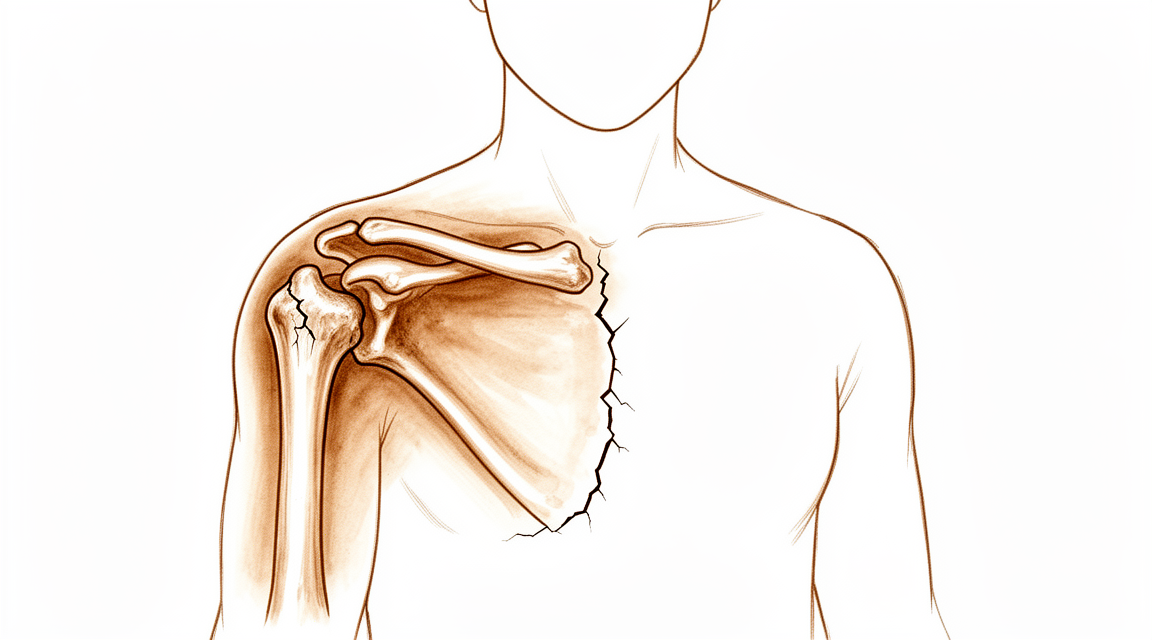
Proximal humerus fractures — Neer classification, sling management, and surgical options.
What you're feeling
You will likely feel pain in your upper arm and shoulder area. This pain often comes from a break in the bone near the shoulder joint. If your fracture is linked to weak bones, known as osteoporosis, the pain may be part of a larger pattern of fragility injuries. Nondisplaced fractures, where the bone pieces stay in place, are common in this group. Even when the bone does not shift, these breaks can still cause significant disability and lower your overall sense of health.
The pain tends to worsen with movement. You may find it difficult to lift your arm or reach overhead. Simple daily tasks become challenging. You might struggle to tuck in your shirt or reach behind your back to fasten a bra. Lifting objects, even light ones, can trigger sharp discomfort. Because the shoulder is unstable, any effort to use the arm can aggravate the injury.
Resting the arm usually helps reduce the pain. However, you may still experience flare-ups at night. Many patients report that sleeping on the affected side is painful or impossible. Waking up with a stiff or aching shoulder is common. Your surgeon will guide you on how to position yourself for comfort while protecting the healing bone.
If you are under 65, your surgeon may discuss whether surgery offers clear benefits over non-surgical care. For many adults in this age group, the evidence does not show a strong advantage for operation. Most one-part fractures heal well without surgery. Older adults also frequently receive nonoperative treatment. Regardless of your age, the goal is to manage your pain and protect the bone while it heals. Complications can occur at different stages, so your team will monitor you closely. You are not alone in this process; your care team is there to support your recovery and help you regain function safely.
What's actually happening
Your shoulder is a ball-and-socket joint where the upper arm bone meets your shoulder blade. The top of your arm bone has two small bumps called tuberosities. These bumps act like anchor points for the rotator cuff tendons. These tendons are strong ropes of fibers that lift and rotate your arm. When you fracture the top of your arm bone, these anchor points can shift out of place.
If the tuberosities move downward, the tendons lose their proper tension. This pulls the joint mechanics out of alignment. Even a small shift of 15 degrees can change how the joint moves and bears weight. This misalignment causes pain and limits your movement. It also makes it harder for the joint to heal in the correct position.
The joint capsule is the sleeve around the shoulder. It holds the joint together and produces fluid to keep things slippery. After a fracture, this capsule can become stiff or scarred. This stiffness, along with any damage to the tendons, reduces your strength and range of motion. Your surgeon needs to restore the anatomy so these tissues can work together again.
For many people, especially older adults, the bone fragments are too broken to fix with plates and screws. In these cases, your surgeon may recommend a joint replacement. This procedure replaces the damaged ball with a metal and plastic implant. This option is often chosen when getting your arm moving again is the top priority. It provides stable support and allows you to regain function even if the original bone structure is severely compromised.
What we can do about it
Most one-part fractures heal well without surgery. In fact, nonsurgical management is the standard for the vast majority of cases. Your surgeon will likely recommend a period of immobilization to let the bone knit. You can expect short and long periods of rest to yield similar results, regardless of the fracture pattern. This approach is especially common for older adults and children, whose bones have tremendous potential for remodeling.
During this time, physiotherapy plays a key role. Your therapist will guide you through gentle movements to restore range of motion. The goal is to prevent stiffness while protecting the healing bone. For displaced two-part fractures in patients aged 60 or older, studies show no significant difference in outcomes at two years between surgery and non-operative treatment. Therefore, your surgeon may advise you to give conservative care a fair chance before considering more invasive options.
Pain management is essential for your comfort. Your surgeon may prescribe pain medication or anti-inflammatories to control swelling and discomfort. While the evidence highlights the success of non-operative care, it does not detail specific injection protocols like cortisone or PRP for this fracture type. Instead, focus on adhering to your immobilization schedule and attending physiotherapy sessions. Consistent effort during these early weeks sets the foundation for your recovery.
Surgery is considered only when conservative care reaches its limit or when the fracture pattern is complex. This typically involves more severe breaks, such as three- or four-part fractures in older patients, where the bone fragments are significantly displaced. In these cases, your surgeon might recommend a procedure to stabilize the bone, such as using a nail and plate system or, in some instances, a reverse total shoulder replacement. These options aim to restore function and provide long-term durability when the bone cannot heal properly on its own. The decision depends on your age, the specific fracture pattern, and your overall health.
What to expect
Your outlook depends largely on your age and how many bone fragments are involved. Most one-part fractures heal well without surgery. For older adults, nonoperative treatment often leads to good functional results. However, if you are over sixty, your surgeon may recommend surgery for complex three- or four-part fractures. In these cases, a new nail and plate system or a reverse shoulder replacement can provide better long-term function than leaving the fracture alone.
Recovery is a gradual process. For nonoperative cases, short and long periods of immobilization yield similar results. You do not need to worry about the exact length of rest changing your final outcome. If you have surgery, the timing of the operation beyond five days does not impact your final results. This gives your care team flexibility to plan safely. Most patients with complex fractures treated with surgery achieve good long-term outcomes, even though complication rates are high.
Be aware that your risk of serious health events is higher after this injury. The risk of death within one year is 9.8%. This risk continues to increase to 28.2% at five years. This elevated mortality risk exists regardless of other health factors. It is important to stay active and follow your surgeon’s advice to maintain your overall health during recovery.
If you undergo a reverse shoulder replacement, your function may improve significantly compared to nonoperative treatment. However, some patients notice a decrease in functionality and quality of life over time. This change occurs after the two-year mark but is generally not considered clinically relevant. Most pediatric patients recover fully with few complications. For adults under sixty-five, surgery does not always offer a clear benefit over nonoperative management. Your surgeon will weigh these factors to choose the path that best supports your daily life.
When to see someone
See your GP if pain does not improve with rest. Ask for a specialist review if you feel weakness or instability in your shoulder. Contact your surgeon if your arm locks or gives way. Seek care if symptoms interfere with your sleep or work. Sudden worsening of pain requires immediate attention. Most one-part fractures heal well without surgery. However, complications can occur at any stage. Mortality risk is high for fragility fractures in older adults. One-year mortality is 9.8%. Five-year mortality rises to 28.2%. Nonunion risk is higher than once thought. Do not ignore persistent symptoms. Early evaluation helps your surgeon choose the right path.
Evidence & references
title: "Proximal Humerus Fracture" slug: proximal-humerus-fracture region: shoulder audience: patient mesh_terms: ["Shoulder Fractures", "Bone Plates", "Humerus", "Humeral Fractures", "Fracture Fixation, Intramedullary", "Fracture Fixation", "Bone Nails", "Fracture Healing"] article_count: 1090 model_used: Qwen3.6-35B-A3B-Q8_0.gguf generated_at: '2026-06-16T19:38:31+00:00' key_articles: - title: "Management of proximal humerus fractures in adults" ref_num: 1 evidence_tier: paper evidence_level: 4 doi: 10.5312/wjo.v5.i5.685 year: 2014 - title: "Evaluation and Management of Proximal Humerus Fractures" ref_num: 2 evidence_tier: paper evidence_level: 4 doi: 10.1155/2012/861598 year: 2012 - title: "How age and gender influence proximal humerus fracture management in patients older than fifty years" ref_num: 3 evidence_tier: paper evidence_level: 3 doi: 10.1016/j.jseint.2021.11.007 year: 2022 - title: "Trending a decade of proximal humerus fracture management in older adults" ref_num: 4 evidence_tier: paper evidence_level: 4 doi: 10.1016/j.jseint.2021.08.006 year: 2022 - title: "Long-term outcome of a proximal humerus fracture predicted after 1 year" ref_num: 6 evidence_tier: paper evidence_level: 3 doi: 10.1080/17453670510041295 year: 2005 - title: "Consensus statement on the treatment of proximal humerus fractures: a Delphi approach by the Neer Circle of the American Shoulder and Elbow Surgeons" ref_num: 7 evidence_tier: paper evidence_level: 5 doi: 10.1016/j.jse.2024.12.005 year: 2025 - title: "Low arthroplasty survival after treatment for proximal humerus fracture sequelae: 3,245 shoulder replacements from the Nordic Arthroplasty Register Association" ref_num: 9 evidence_tier: paper evidence_level: 3 doi: 10.1080/17453674.2020.1793548 year: 2020 - title: "Evaluation and Management of Pediatric Proximal Humerus Fractures" ref_num: 12 evidence_tier: paper evidence_level: 5 doi: 10.5435/jaaos-d-14-00033 year: 2015 - title: "Proximal humerus fracture management and outcomes are distinctly different for individuals 60 years of age or younger: a systematic review" ref_num: 13 evidence_tier: paper evidence_level: 4 doi: 10.1016/j.xrrt.2023.01.002 year: 2023 - title: "Morbidity and mortality of fragility proximal humerus fractures: a retrospective cohort study of patients presenting to a level one trauma center" ref_num: 14 evidence_tier: paper evidence_level: 3 doi: 10.1016/j.jse.2022.03.006 year: 2022 - title: "Analyzing outcomes after proximal humerus fractures in patients <65 years: a systematic review and meta-analysis" ref_num: 15 evidence_tier: paper evidence_level: 1 doi: 10.1016/j.xrrt.2021.04.014 year: 2021 - title: "Randomized controlled trials investigating proximal humerus fractures lack consensus in inclusion criteria" ref_num: 16 evidence_tier: paper evidence_level: 2 doi: 10.1016/j.xrrt.2025.07.023 year: 2025 - title: "A comprehensive update on current fixation options for two-part proximal humerus fractures" ref_num: 17 evidence_tier: paper evidence_level: 3 doi: 10.1016/j.injury.2013.08.024 year: 2014 - title: "Computed tomography improves the diagnostic accuracy but not the interobserver reliability of the Boileau classification of proximal humerus fracture sequelae" ref_num: 18 evidence_tier: paper evidence_level: 2 doi: 10.1177/17585732221150785 year: 2023 - title: "Epidemiology of proximal humerus fractures managed in a trauma center" ref_num: 19 evidence_tier: paper evidence_level: 2 doi: 10.1016/j.otsr.2012.05.013 year: 2012 - title: "No change in outcome ten years following locking plate repair of displaced proximal humerus fractures" ref_num: 20 evidence_tier: paper evidence_level: 3 doi: 10.1007/s00590-021-03099-6 year: 2021 - title: "Three or four parts complex proximal humerus fractures: Hemiarthroplasty versus reverse prosthesis: A comparative study of 40 cases" ref_num: 21 evidence_tier: paper evidence_level: 4 doi: 10.1016/j.otsr.2008.09.002 year: 2009 - title: "Rehabilitation progress following reverse total shoulder replacement and internal fixation for geriatric three and four-part proximal humerus fractures – a propensity score matched comparison" ref_num: 22 evidence_tier: paper evidence_level: 3 doi: 10.1186/s12891-023-06669-3 year: 2023 - title: "Results of 131 consecutive operated patients with a displaced proximal humerus fracture: an analysis with more than two years follow-up" ref_num: 23 evidence_tier: paper evidence_level: 4 doi: 10.1007/s00590-010-0655-z year: 2010 - title: "Reducing resource utilization during non-operative treatment of pediatric proximal humerus fractures" ref_num: 24 evidence_tier: paper doi: 10.1016/j.otsr.2016.09.022 year: 2017 - title: "CORR Insights®: Short-term Complications for Proximal Humerus Fracture Surgery Have Decreased: An Analysis of the National Surgical Quality Improvement Program Database" ref_num: 25 evidence_tier: paper evidence_level: 5 doi: 10.1097/corr.0000000000002430 year: 2022 - title: "Outcomes after percutaneous reduction and fixation of proximal humeral fractures" ref_num: 26 evidence_tier: paper evidence_level: 4 doi: 10.1016/j.jse.2006.09.006 year: 2007 - title: "Proximal Humeral Fracture Treatment in Adults" ref_num: 27 evidence_tier: paper evidence_level: 5 doi: 10.2106/jbjs.l.01293 year: 2014 - title: "Automated detection and classification of the proximal humerus fracture by using deep learning algorithm" ref_num: 28 evidence_tier: paper evidence_level: 4 doi: 10.1080/17453674.2018.1453714 year: 2018 - title: "Morbidity and mortality of surgically treated pathologic humerus fractures compared to native humerus fractures" ref_num: 29 evidence_tier: paper evidence_level: 3 doi: 10.1016/j.jse.2020.10.024 year: 2021 - title: "Reverse Shoulder Arthroplasty for Proximal Humerus Fracture" ref_num: 30 evidence_tier: paper evidence_level: 4 doi: 10.1007/s12178-020-09597-0 year: 2020 - title: "Midterm outcome and complications after minimally invasive treatment of displaced proximal humeral fractures in patients younger than 70 years using the Humerusblock" ref_num: 31 evidence_tier: paper evidence_level: 4 doi: 10.1016/j.injury.2015.05.017 year: 2015 - title: "Classification and Imaging of Proximal Humerus Fractures" ref_num: 32 evidence_tier: paper evidence_level: 5 doi: 10.1016/j.ocl.2008.05.002 year: 2008 - title: "Biomechanical Assessment Of Inferior Tuberosity Placement During Hemiarthroplasty For 4-Part Proximal Humerus Fractures G." ref_num: 33 evidence_tier: paper evidence_level: 5 doi: 10.1016/j.jse.2007.02.110 year: 2007 - title: "Cost-Minimization Analysis and Treatment Trends of Surgical and Nonsurgical Treatment of Proximal Humerus Fractures" ref_num: 35 evidence_tier: paper evidence_level: 4 doi: 10.1016/j.jhsa.2020.03.022 year: 2020 - title: "Does objective shoulder impairment explain patient-reported functional outcome? A study of proximal humerus fractures" ref_num: 36 evidence_tier: paper evidence_level: 3 doi: 10.1016/j.jse.2010.06.005 year: 2011 - title: "CORR Insights®: What Factors Are Associated With Poor Shoulder Function and Serious Complications After Internal Fixation of Three-part and Four-part Proximal Humerus Fracture-dislocations?" ref_num: 37 evidence_tier: paper evidence_level: 5 doi: 10.1097/corr.0000000000002242 year: 2022 - title: "New trends in fixation of proximal humeral fractures: A review" ref_num: 38 evidence_tier: paper evidence_level: 4 doi: 10.1016/j.injury.2010.10.016 year: 2011 - title: "Operative versus non-operative treatment for 2-part proximal humerus fracture: A multicenter randomized controlled trial" ref_num: 39 evidence_tier: paper evidence_level: 1 doi: 10.1371/journal.pmed.1002855 year: 2019 - title: "Biomechanical Assessment Of Inferior Tuberosity Placement During Hemiarthroplasty For 4-Part Proximal Humerus Fractures" ref_num: 40 evidence_tier: abstract evidence_level: 5 doi: 10.1016/j.jse.2007.02.027 year: 2007 - title: "Readmissions, revisions, and mortality after treatment for proximal humeral fractures in three large states" ref_num: 41 evidence_tier: paper evidence_level: 3 doi: 10.1186/s12891-019-2812-9 year: 2019 - title: "Long-term outcomes of reverse shoulder arthroplasty versus nonoperative treatment for 3- or 4-part proximal humerus fractures in elderly patients: results from a prior randomized clinical trial" ref_num: 44 evidence_tier: paper evidence_level: 1 doi: 10.1016/j.jse.2024.09.032 year: 2025 - title: "The Mayo-FJD Classification System For Proximal Humerus Fractures: Intra And Interobserver Agreement" ref_num: 45 evidence_tier: paper evidence_level: 4 doi: 10.1016/j.jse.2023.02.035 year: 2023 - title: "Biomechanical investigation of arm position on deforming muscular forces in proximal humerus fractures" ref_num: 46 evidence_tier: paper evidence_level: 5 doi: 10.5397/cise.2022.00885 year: 2022 - title: "Locking plate versus nonsurgical treatment for proximal humeral fractures: better midterm outcome with nonsurgical treatment" ref_num: 48 evidence_tier: paper evidence_level: 3 doi: 10.1016/j.jse.2011.01.025 year: 2011 - title: "Minimally invasive plate osteosynthesis with PHILOS plate for proximal humerus fractures" ref_num: 49 evidence_tier: paper evidence_level: 4 doi: 10.1016/j.aott.2016.10.003 year: 2020 - title: "The reliability of the Neer classification for proximal humerus fractures: a survey of orthopedic shoulder surgeons" ref_num: 50 evidence_tier: paper evidence_level: 2 doi: 10.1016/j.jseint.2022.02.006 year: 2022 - title: "Standard compared with fracture-specific components in reverse shoulder arthroplasty for proximal humerus fractures" ref_num: 51 evidence_tier: paper evidence_level: 1 doi: 10.1302/0301-620x.107b9.bjj-2024-1508.r2 year: 2025 - title: "What Are the Long-term Outcomes of Locking Plates for Nonosteoporotic Three-part and Four-part Proximal Humeral Fractures With a Minimum 10-year Follow-up Period?" ref_num: 52 evidence_tier: paper evidence_level: 3 doi: 10.1097/corr.0000000000002895 year: 2023 - title: "Relationship between the functional outcomes and radiological results of conservatively treated displaced proximal humerus fractures in the elderly: A prospective study" ref_num: 54 evidence_tier: paper evidence_level: 2 doi: 10.4103/0973-6042.118911 year: 2013 - title: "Achieving satisfactory functional outcomes in conservatively treated proximal humerus fractures: relationship between shoulder range of motion and patient-reported clinical outcome scores" ref_num: 57 evidence_tier: paper evidence_level: 3 doi: 10.1016/j.jseint.2024.02.003 year: 2024 - title: "Biology and Biomechanics in Osteosynthesis of Proximal Humerus Fractures" ref_num: 58 evidence_tier: paper evidence_level: 4 doi: 10.1007/s00068-007-7089-2 year: 2007 - title: "Preoperative factors predict prolonged length of stay, serious adverse complications, and readmission following operative intervention of proximal humerus fractures: a machine learning analysis of a national database" ref_num: 59 evidence_tier: paper evidence_level: 3 doi: 10.1016/j.jseint.2024.02.005 year: 2024 - title: "Proximal humeral fractures with minimal displacement treated conservatively" ref_num: 63 evidence_tier: paper doi: 10.1007/s00264-004-0552-3 year: 2004 - title: "Biomechanical study of two different fixation methods for the treatment of Neer III proximal humerus fractures" ref_num: 64 evidence_tier: paper evidence_level: 5 doi: 10.1186/s12891-024-08216-0 year: 2024 - title: "Open Reduction and Internal Fixation of Proximal Humerus Fractures" ref_num: 65 evidence_tier: paper evidence_level: 4 doi: 10.1016/j.ocl.2008.06.003 year: 2008 - title: "Reverse Total Shoulder Arthroplasty Patients with a Proximal Humerus Fracture Have Significantly Worse Perioperative Outcomes than Other Indications: An Analysis of 5644 Cases" ref_num: 67 evidence_tier: abstract evidence_level: 3 doi: 10.1016/j.jse.2015.05.005 year: 2015 - title: "Proximal third humeral shaft fractures—A fracture entity not fully characterized by conventional AO classification" ref_num: 69 evidence_tier: paper evidence_level: 4 doi: 10.1016/j.injury.2013.10.030 year: 2014 - title: "Does primary treatment of proximal humerus fractures show favourable functional outcomes over secondary treatment with reverse shoulder arthroplasty?" ref_num: 72 evidence_tier: paper evidence_level: 3 doi: 10.1177/17585732231190038 year: 2023 - title: "Reverse shoulder arthroplasty for proximal humerus fractures: Is the glenoid implant problematic?" ref_num: 74 evidence_tier: paper evidence_level: 4 doi: 10.1016/j.otsr.2018.06.008 year: 2018 - title: "ICD-10 diagnosis codes in electronic health records do not adequately capture fracture complexity for proximal humerus fractures" ref_num: 75 evidence_tier: paper evidence_level: 3 doi: 10.1016/j.jse.2023.08.022 year: 2024 - title: "Detection, classification, and characterization of proximal humerus fractures on plain radiographs" ref_num: 76 evidence_tier: paper evidence_level: 3 doi: 10.1302/0301-620x.106b11.bjj-2024-0264.r1 year: 2024 - title: "CORR Insights®: 3D-printed Handheld Models Do Not Improve Recognition of Specific Characteristics and Patterns of Three-part and Four-part Proximal Humerus Fractures" ref_num: 79 evidence_tier: paper evidence_level: 5 doi: 10.1097/corr.0000000000002017 year: 2021 - title: "Shoulder dislocation combined with proximal humerus fracture in children" ref_num: 83 evidence_tier: paper evidence_level: 5 doi: 10.1097/md.0000000000008977 year: 2017 - title: "Delays beyond 5 days to surgery does not affect outcome following plate and screw fixation of proximal humerus fractures" ref_num: 84 evidence_tier: paper evidence_level: 3 doi: 10.1016/j.jse.2025.02.019 year: 2025 synthesis_version: "v2" verifier_status: skipped
Overview
- Non-operative management is associated with good outcomes in the majority of proximal humerus fractures in adults [1].
- Most older adults who sustain proximal humerus fractures continue to receive nonoperative treatment [4].
- Most one-part proximal humerus fractures are amenable to non-operative treatment with positive outcomes reported in the vast majority of cases [8].
- The available literature does not demonstrate a clear clinical benefit of operative treatment over nonoperative management of proximal humeral fractures in adult patients younger than 65 years [15].
- Both age and gender have an association with the definitive treatment patients received for proximal humerus fractures over the last decade [3].
- Most pediatric patients with proximal humerus fractures have favorable results, and complications are infrequent [12].
- Patients with pathologic humerus fractures had significantly higher complication rates compared with native humerus fractures after surgical treatment [29].
- Guidelines and treatment algorithms for native humerus fractures may not be generalizable for those of pathologic origin [29].
- The selection of reverse total shoulder arthroplasty (RTSA) over other surgical options is a current, reasonable, and safe option to treat proximal humerus fractures, particularly in those with higher Neer grades and/or in older patients [25].
- Patients with a proximal humerus fracture undergoing reverse total shoulder arthroplasty have significantly worse perioperative outcomes, including higher rates of complications, longer hospital stays, and higher costs, compared to patients with other indications [67].
- Prospective clinical trials with longer-term follow-up are required for definitive assessment of the ideal fixation construct for surgical management of two-part proximal humerus fractures [17].
- Besides age, most randomized controlled trials on surgical management of proximal humerus fractures do not include patient-specific variables within their inclusion and exclusion criteria [16].
Anatomy & Pathophysiology
- Inferior tuberosity displacement after prosthetic reconstruction of shoulder fractures is associated with diminished functional results [33].
- Inferior tuberosity positioning after hemiarthroplasty for proximal humerus fractures is associated with diminished function [40].
- Range of motion and strength thresholds can identify subjects with normal shoulder function [36].
- Shoulder flexion, extension, and abduction are only moderately correlated with patient-reported outcome measures (PROMs) [57].
- Holistic assessment of outcomes requires both subjective and objective outcomes [57].
- The changed position of the humeral head on the coronal plane does not affect final functional results in conservatively treated displaced proximal humerus fractures in the elderly [54].
- Bone quality significantly impacts implant anchorage in osteosynthesis for proximal humerus fractures [58].
- Positioning the arm in abduction and internal rotation may help mitigate deforming muscular forces in proximal humerus fractures [46].
- Rotator cuff tears are a detrimental factor and a major cause of painful shoulders in proximal humeral fractures with minimal displacement treated conservatively [63].
- The double plate strategy can increase the stability of the medial column of the proximal humerus and enhance the overall biomechanical property of the repaired proximal humerus [64].
- Reverse shoulder arthroplasty could be considered primary treatment for proximal humerus fractures, especially when optimal range of motion is of great importance to the patient [72].
- Glenoid loosening and severe scapular notching in reverse shoulder arthroplasty for proximal humerus fractures are related to poor positioning and/or incorrect orientation of the glenosphere [74].
Classification
- Proximal humerus fractures are osteoporotic injuries with increasing incidence due to aging populations [5].
- Accurate clinical evaluation, imaging, and classification are paramount for informed treatment decisions [5].
- Evaluation of classification systems for fractures of the proximal humerus with plain radiographs has yielded low interobserver reliability [32].
- The Mayo-FJD classification system for proximal humerus fractures allows high intraobserver and interobserver agreement using both radiographs and computed tomography [45].
- The use of artificial intelligence can accurately detect and classify proximal humerus fractures on plain shoulder AP radiographs [28].
- Morphologic classification of proximal humerus fractures as the sole basis for treatment algorithms and surgical success should be scrutinized [50].
- Current diagnosis coding practices (ICD-10) do not adequately capture the fracture complexity needed to conduct subgroup analysis for proximal humerus fractures [75].
- There is clear evidence of specific characteristics which differentiate proximal third humeral shaft fractures from those of midshaft and distal third [69].
Clinical Presentation
- Proximal humerus fractures are osteoporotic injuries with increasing incidence due to aging populations [5].
- Proximal humerus fractures are now typically osteoporotic fractures in women over 70, with prevalence increasing due to an aging population in poor general condition [19].
- There is a substantial mortality in patients with a proximal humerus fracture [6].
- Mortality at 1 year for fragility proximal humerus fractures is universally high regardless of risk factors [14].
- Surviving patients frequently have persistent symptoms that can be predicted as early as after 1 year [6].
- Complications associated with proximal humerus fractures are varied and can be categorized as occurring at the time of initial injury, during operative management, or as delayed sequelae [11].
- Most pediatric patients with proximal humerus fractures have favorable results, and complications are infrequent [12].
- Treatment algorithms and outcomes following proximal humerus fractures in patients less than or equal to 60 years of age are distinctly different from that of a more elderly population [13].
- Both age and gender have an association with the definitive treatment patients received for proximal humerus fractures over the last decade [3].
- Surgical treatment of proximal humerus fractures remains far from straightforward, with unpredictable outcomes where factors associated with poor results include being a woman, four-part fracture dislocation, and absence of metaphyseal head extension [37].
- Computed tomography improves the diagnostic accuracy but not the interobserver reliability of the Boileau classification of proximal humerus fracture sequelae [18].
- Computed tomography scan was more specific than radiographs in the assessment of proximal humerus fracture sequelae [18].
Investigations
- Proximal humerus fractures are osteoporotic injuries with increasing incidence due to aging populations [5].
- Accurate clinical evaluation, imaging, and classification are paramount for informed treatment decisions in proximal humerus fractures [5].
- Computed tomography improves the diagnostic accuracy of the Boileau classification of proximal humerus fracture sequelae [18].
- Computed tomography does not improve the interobserver reliability of the Boileau classification of proximal humerus fracture sequelae [18].
- Computed tomography scan is more specific than radiographs in the assessment of proximal humerus fracture sequelae [18].
- Artificial intelligence can accurately detect and classify proximal humerus fractures on plain shoulder AP radiographs [28].
- Convolutional neural networks proficiently rule out proximal humerus fractures on plain radiographs [76].
- The routine use of 3D-printed models may not be beneficial for classifying proximal humeral fracture patterns beyond the information gained from currently available imaging modalities [79].
- The routine use of 3D-printed models should be avoided as the sole determinant for recommending surgical intervention in proximal humeral fractures [79].
- In children with shoulder dislocation combined with proximal humerus fracture, bilateral anteroposterior shoulders x-ray is suggested routinely to confirm shoulder location in addition to palpation and anteroposterior and lateral humeral x-ray [83].
Treatment
Non-Operative Management
- Non-operative management is associated with good outcomes in the majority of proximal humerus fractures in adults [1].
- In the vast majority of cases, proximal humerus fractures may be treated nonoperatively [2].
- Over the past decade, most older adults who sustain proximal humerus fractures continue to receive nonoperative treatment [4].
- Most one-part proximal humerus fractures are amenable to non-operative treatment with positive outcomes reported in the vast majority of cases [8].
- Non-operative treatment of proximal humerus fractures seldom results in displacement that warrants operative intervention [24].
- There is little utility to the routine use of postoperative radiographs in follow-up of pediatric proximal humerus fractures [24].
- Proximal humerus fractures in children have tremendous potential for remodeling, making non-operative management the treatment of choice for most fractures [56].
- Most proximal humeral fractures in elderly patients can be treated nonoperatively with good functional outcomes [27].
- A majority of patients with proximal humeral fractures underwent non-operative treatment [41].
- Nonsurgical management of proximal humerus fractures decreased during the study period [35].
- Nonsurgical treatment should have a more prominent role in the treatment of proximal humeral fractures [48].
- Nonsurgical treatment provides better midterm outcomes compared to locking plate fixation for proximal humeral fractures [48].
- There is no significant difference in clinical outcomes at 2 years between surgery and non-operative treatment in patients 60 years of age or older with displaced 2-part fractures of the proximal humerus [39].
- The available literature does not demonstrate a clear clinical benefit of operative treatment over nonoperative management of proximal humeral fractures in adult patients younger than 65 years [15].
- Evidence-based recommendations to guide treatment of proximal humerus fractures are lacking, and no good evidence exists whether surgery is clearly superior to nonoperative treatment [65].
Operative Management
- Treatment algorithms and outcomes following proximal humerus fractures in patients less than or equal to 60 years of age are distinctly different from that of a more elderly population [13].
- Consensus when managing proximal humerus fractures is limited to specific scenarios, whereas lack of consensus still exists in others [7].
- Most RCTs on surgical management of proximal humerus fractures do not include patient-specific variables within their inclusion and exclusion criteria [16].
- Hemiarthroplasty and reverse prosthesis are indicated for complex proximal humerus fractures in patients no younger than 70 years of age [21].
- Reverse total shoulder replacement is a promising treatment for geriatrics with three- and four-part proximal humerus fractures aiming for a better long-term functional outcome [22].
- The selection of RTSA over other surgical options is a current, reasonable, and safe option to treat proximal humerus fractures, particularly in those with higher Neer grades and/or in older patients [25].
- Percutaneous treatment of selected proximal humeral fractures results in predictable union and good clinical results with a low rate of complications [26].
- No single fixation method is a panacea for proximal humeral fractures; choice of implant and method should be selected according to individual patient and fracture pattern characteristics based on clearly defined indications and contraindications [38].
- Minimally invasive plate osteosynthesis (MIPO) with PHILOS plate is a safe and effective option for the treatment of proximal humerus fractures, with good functional recovery and fewer complications, which are typically technique dependent [49].
- There are no significant differences in clinical outcomes or complication rates between standard components and fracture-specific components in reverse shoulder arthroplasty (RSA) for proximal humerus fractures [51].
Complications
- Proximal humerus fractures are associated with substantial mortality [6].
- Mortality at 1 year for fragility proximal humerus fractures is universally high regardless of risk factors [14].
- Surviving patients with proximal humerus fractures frequently have persistent symptoms that can be predicted as early as after 1 year [6].
- Complications associated with proximal humerus fractures are varied and can be categorized as occurring at the time of initial injury, during operative management, or as delayed sequelae [11].
- Low arthroplasty survival is observed after treatment for proximal humerus fracture sequelae [9].
- Patients with pathologic humerus fractures have significantly higher complication rates compared with native humerus fractures after surgical treatment [29].
- Guidelines and treatment algorithms for native humerus fractures may not be generalizable for those of pathologic origin [29].
- Predictive models using machine learning techniques demonstrate favorable discrimination and satisfactory-to-excellent performance in forecasting prolonged length of stay and serious adverse complications occurring within 30 days of surgical intervention for proximal humerus fracture [59].
- Most pediatric patients with proximal humerus fractures have favorable results, and complications are infrequent [12].
Recovery
- Both age and gender are associated with the definitive treatment received for proximal humerus fractures in patients older than fifty years [3].
- Most older adults who sustain proximal humerus fractures continue to receive nonoperative treatment [4].
- Treatment algorithms and outcomes for proximal humerus fractures in patients aged 60 years or younger are distinctly different from those in a more elderly population [13].
- Most proximal humeral fractures in elderly patients can be treated nonoperatively with good functional outcomes [27].
- Long-term treatment with reverse shoulder arthroplasty (RSA) for displaced 3- or 4-part proximal humerus fractures provides better functional outcomes compared to nonoperative treatment, a difference attributed to the deterioration of functional outcomes of the nonoperative treatment over time [44].
- There is substantial mortality in patients with a proximal humerus fracture, and surviving patients frequently have persistent symptoms that can be predicted as early as after 1 year [6].
- Mortality at 1 year for fragility proximal humerus fractures is universally high regardless of risk factors [14].
- Complications associated with proximal humerus fractures are varied and can be categorized as occurring at the time of initial injury, during operative management, or as delayed sequelae [11].
- Low arthroplasty survival is observed after treatment for proximal humerus fracture sequelae [9].
- Prospective clinical trials with longer-term follow-up are required for definitive assessment of the ideal fixation construct for surgical management of two-part proximal humerus fractures [17].
- After one year, long-term follow-up of fixed proximal humerus fractures may be unnecessary for those without symptoms [20].
- Reverse shoulder arthroplasty is used for the treatment of complex, displaced proximal humerus fractures in older individuals (≥ 65 years old) [30].
- It is a promising treatment for geriatrics with three- and four-part proximal humerus fractures aiming for a better long-term functional outcome [22].
- The locking plate provides satisfactory functional outcomes after a mid-term follow-up in patients with displaced proximal humerus fractures [23].
- ORIF of nonosteoporotic proximal humeral fractures with locking plates led to favorable functional and radiologic outcomes at a minimum of 10 years of follow-up [52].
- Percutaneous treatment of selected proximal humeral fractures results in predictable union and good clinical results with a low rate of complications [26].
- Minimally invasive treatment of displaced proximal humeral fractures in patients younger than 70 years using the Humerusblock yields good midterm clinical and radiological results [31].
- Timing of surgery does not impact outcomes of patients who underwent ORIF for proximal humerus fractures, with delays beyond 5 days not affecting outcome [84].
Key Evidence
- [L4] Non-operative management is associated with good outcomes in the majority of proximal humerus fractures in adults. (10.5312/wjo.v5.i5.685)
- [L4] In the vast majority of cases, proximal humerus fractures may be treated nonoperatively. (10.1155/2012/861598)
- [L3] Both age and gender have an association with the definitive treatment patients received for proximal humerus fractures over the last decade. (10.1016/j.jseint.2021.11.007)
- [L4] Over the past decade, most older adults who sustain proximal humerus fractures continue to receive nonoperative treatment. (10.1016/j.jseint.2021.08.006)
- [L3] Our results suggest that there is a substantial mortality in patients with a proximal humerus fracture, as we have previously reported, and that surviving patients frequently have persistent symptoms that can be predicted as early as after 1 year. (10.1080/17453670510041295)
- [L5] Consensus when managing proximal humerus fractures is limited to specific scenarios, whereas lack of consensus still exists in others. (10.1016/j.jse.2024.12.005)
- [L3] These results are pertinent when deciding on the treatment of proximal humerus fracture sequelae. (10.1080/17453674.2020.1793548)
- [L5] Most pediatric patients with proximal humerus fractures have favorable results, and complications are infrequent. (10.5435/jaaos-d-14-00033)
- [L4] Treatment algorithms and outcomes following proximal humerus fractures in patients less than or equal to 60 years of age are distinctly different from that of a more elderly population. (10.1016/j.xrrt.2023.01.002)
- [L3] Mortality at 1 year for fragility proximal humerus fractures is universally high regardless of risk factors. (10.1016/j.jse.2022.03.006)
- [L1] The available literature does not demonstrate a clear clinical benefit of operative treatment over nonoperative management of proximal humeral fractures in adult patients younger than 65 years. (10.1016/j.xrrt.2021.04.014)
- [L2] Besides age, most RCTs on surgical management of proximal humerus fractures do not include patient-specific variables within their inclusion and exclusion criteria. (10.1016/j.xrrt.2025.07.023)
- [L3] However, prospective clinical trials with longer-term follow-up are required for definitive assessment of the ideal fixation construct for surgical management of two-part proximal humerus fractures. (10.1016/j.injury.2013.08.024)
- [L2] Computed tomography scan was more specific than radiographs in the assessment of proximal humerus fracture sequelae. (10.1177/17585732221150785)
- [L2] Proximal humerus fractures are now typically osteoporotic fractures in women over 70, with prevalence increasing due to an aging population in poor general condition. (10.1016/j.otsr.2012.05.013)
- [L3] After one-year, long-term follow-up of fixed proximal humerus fractures may be unnecessary for those without symptoms. (10.1007/s00590-021-03099-6)
- [L4] They are indicated for complex proximal humerus fractures in patients no younger than 70 years of age. (10.1016/j.otsr.2008.09.002)
- [L3] It is a promising treatment for geriatrics with three- and four-part proximal humerus fractures aiming for a better long-term functional outcome. (10.1186/s12891-023-06669-3)
- [L4] The locking plate provides satisfactory functional outcomes after a mid-term follow-up in patients with displaced proximal humerus fractures. (10.1007/s00590-010-0655-z)
- [Paper] Non-operative treatment of proximal humerus fractures seldom results in displacement that warrants operative intervention, and there is little utility to the routine use of postoperative radiographs in follow-up of these patients. (10.1016/j.otsr.2016.09.022)
- [L5] The selection of RTSA over other surgical options is a current, reasonable, and safe option to treat proximal humerus fractures, particularly in those with higher Neer grades and/or in older patients. (10.1097/corr.0000000000002430)
- [L4] Percutaneous treatment of selected proximal humeral fractures results in predictable union and good clinical results with a low rate of complications. (10.1016/j.jse.2006.09.006)
- [L5] Most proximal humeral fractures in elderly patients can be treated nonoperatively with good functional outcomes. (10.2106/jbjs.l.01293)
- [L4] The use of artificial intelligence can accurately detect and classify proximal humerus fractures on plain shoulder AP radiographs. (10.1080/17453674.2018.1453714)
- [L3] After surgical treatment, patients with pathologic humerus fractures had significantly higher complication rates compared with native humerus fractures, suggesting that guidelines and treatment algorithms for native humerus fractures may not be generalizable for those of pathologic origin. (10.1016/j.jse.2020.10.024)
- [L4] We report current and historical treatments, outcomes, and principles in reverse shoulder arthroplasty for treatment of complex, displaced proximal humerus fractures in older individuals ( ≥ 65 years old). (10.1007/s12178-020-09597-0)
- [L4] Minimally invasive treatment of displaced proximal humeral fractures in patients younger than 70 years using the Humerusblock yields good midterm clinical and radiological results. (10.1016/j.injury.2015.05.017)
- [L5] Evaluation of the classification systems for fractures of the proximal humerus with plain radiographs has yielded low interobserver reliability. (10.1016/j.ocl.2008.05.002)
- [L5] These biomechanical observations may explain diminished functional results observed in patients treated with inferior tuberosity displacement after prosthetic reconstruction of shoulder fractures. (10.1016/j.jse.2007.02.110)
- [L4] Nonsurgical management of proximal humerus fractures decreased during the study period. (10.1016/j.jhsa.2020.03.022)
- [L3] Range of motion and strength thresholds can identify subjects with normal shoulder function. (10.1016/j.jse.2010.06.005)
- [L5] Surgical treatment of proximal humerus fractures remains far from straightforward, with unpredictable outcomes where factors associated with poor results include being a woman, four-part fracture dislocation, and absence of metaphyseal head extension. (10.1097/corr.0000000000002242)
- [L4] No single fixation method is a panacea for proximal humeral fractures; choice of implant and method should be selected according to individual patient and fracture pattern characteristics based on clearly defined indications and contraindications. (10.1016/j.injury.2010.10.016)
- [L1] This trial found no significant difference in clinical outcomes at 2 years between surgery and non-operative treatment in patients 60 years of age or older with displaced 2-part fractures of the proximal humerus. (10.1371/journal.pmed.1002855)
- [Abstract] These biomechanical changes may explain diminished function in patients with inferior tuberosity positioning after hemiarthroplasty for proximal humerus fractures. (10.1016/j.jse.2007.02.027)
- [L3] A majority of patients with proximal humeral fractures underwent non-operative treatment. (10.1186/s12891-019-2812-9)
- [L1] Long-term treatment with RSA for displaced 3- or 4-part proximal humerus fractures provides better functional outcomes compared to nonoperative treatment, a difference attributed to the deterioration of functional outcomes of the nonoperative treatment over time. (10.1016/j.jse.2024.09.032)
- [L4] The Mayo-FJD classification system for proximal humerus fractures seems to allow high intraobserver and interobserver agreement using both radiographs and computed tomography. (10.1016/j.jse.2023.02.035)
- [L5] These findings suggest that positioning the arm in abduction and internal rotation may help mitigate deforming muscular forces in proximal humerus fractures. (10.5397/cise.2022.00885)
- [L3] Nonsurgical treatment should have a more prominent role in the treatment of proximal humeral fractures. (10.1016/j.jse.2011.01.025)
- [L4] MIPO is a safe and effective option for the treatment of proximal humerus fractures, with good functional recovery and fewer complications, which are typically technique dependent. (10.1016/j.aott.2016.10.003)
- [L2] Morphologic classification of proximal humerus fractures as the sole basis for treatment algorithms and surgical success should be scrutinized. (10.1016/j.jseint.2022.02.006)
- [L1] This meta-analysis demonstrates no significant differences in clinical outcomes or complication rates between standard components and fracture-specific components in RSA, suggesting comparable performance in the treatment of proximal humerus fractures. (10.1302/0301-620x.107b9.bjj-2024-1508.r2)
- [L3] ORIF of nonosteoporotic proximal humeral fractures with locking plates led to favorable functional and radiologic outcomes at a minimum of 10 years of follow-up. (10.1097/corr.0000000000002895)
- [L2] However, the changed position of the humeral head on coronal plane does not affect the final functional results. (10.4103/0973-6042.118911)
- [L3] Holistic assessment of outcomes with both subjective and objective outcomes are necessary, as shoulder flexion, extension, and abduction are only moderately correlated with PROMs. (10.1016/j.jseint.2024.02.003)
- [L4] The paper reviews the biology and biomechanics of osteosynthesis for proximal humerus fractures, emphasizing that bone quality significantly impacts implant anchorage. (10.1007/s00068-007-7089-2)
- [L3] Predictive models constructed using ML techniques demonstrated favorable discrimination and satisfactory-to-excellent performance in forecasting prolonged LOS and serious adverse complications occurring within 30 days of surgical intervention for proximal humerus fracture. (10.1016/j.jseint.2024.02.005)
- [Paper] Rotator cuff tears are a detrimental factor and a major cause of painful shoulders. (10.1007/s00264-004-0552-3)
- [L5] The double plate strategy can increase the stability of the medial column of the proximal humerus, and enhance the overall biomechanical property of the repaired proximal humerus. (10.1186/s12891-024-08216-0)
- [L4] Evidence-based recommendations to guide treatment of proximal humerus fractures are lacking, and no good evidence exists whether surgery is clearly superior to nonoperative treatment. (10.1016/j.ocl.2008.06.003)
- [Abstract] Patients with a proximal humerus fracture undergoing reverse total shoulder arthroplasty have significantly worse perioperative outcomes, including higher rates of complications, longer hospital stays, and higher costs, compared to patients with other indications. (10.1016/j.jse.2015.05.005)
- [L4] There is clear evidence of specific characteristics which differentiate proximal third humeral shaft fractures from those of midshaft and distal third. (10.1016/j.injury.2013.10.030)
- [L3] Therefore, reverse shoulder arthroplasty could be considered primary treatment, especially when optimal range of motion is of great importance to the patient. (10.1177/17585732231190038)
- [L4] Glenoid loosening and severe scapular notching are related to poor positioning and/or incorrect orientation of the glenosphere. (10.1016/j.otsr.2018.06.008)
- [L3] Current diagnosis coding practices do not adequately capture the fracture complexity needed to conduct subgroup analysis for proximal humerus fractures. (10.1016/j.jse.2023.08.022)
- [L3] CNNs proficiently rule out proximal humerus fractures on plain radiographs. (10.1302/0301-620x.106b11.bjj-2024-0264.r1)
- [L5] The routine use of 3D-printed models may not be beneficial for classifying proximal humeral fracture patterns beyond the information gained from currently available imaging modalities, and their use as the sole determinant for recommending surgical intervention should be avoided at this time. (10.1097/corr.0000000000002017)
- [L5] In addition to palpation and anteroposterior and lateral humeral x-ray, we suggest adding bilateral anteroposterior shoulders xray routinely to confirm the shoulder location. (10.1097/md.0000000000008977)
- [L3] Timing of surgery did not impact outcomes of patients who underwent ORIF for proximal humerus fractures. (10.1016/j.jse.2025.02.019)
References
[1] Management of proximal humerus fractures in adults. World Journal of Orthopedics. 2014. DOI: 10.5312/wjo.v5.i5.685 [2] Evaluation and Management of Proximal Humerus Fractures. Advances in Orthopedics. 2012. DOI: 10.1155/2012/861598 [3] How age and gender influence proximal humerus fracture management in patients older than fifty years. JSES International. 2022. DOI: 10.1016/j.jseint.2021.11.007 [4] Trending a decade of proximal humerus fracture management in older adults. JSES International. 2022. DOI: 10.1016/j.jseint.2021.08.006 [5] 1. Clinical Evaluation, Imaging, and Classification of Proximal Humerus Fractures. n.d.. [6] Long-term outcome of a proximal humerus fracture predicted after 1 year. Acta Orthopaedica. 2005. DOI: 10.1080/17453670510041295 [7] Consensus statement on the treatment of proximal humerus fractures: a Delphi approach by the Neer Circle of the American Shoulder and Elbow Surgeons. Journal of Shoulder and Elbow Surgery. 2025. DOI: 10.1016/j.jse.2024.12.005 [8] 2. Non-operative Management of Proximal Humerus Fractures: Indications, Protocols, and Outcomes. n.d.. [9] Low arthroplasty survival after treatment for proximal humerus fracture sequelae: 3,245 shoulder replacements from the Nordic Arthroplasty Register Association. Acta Orthopaedica. 2020. DOI: 10.1080/17453674.2020.1793548 [11] 6. Complications of Proximal Humerus Fractures: Evaluation and Management. n.d.. [12] Evaluation and Management of Pediatric Proximal Humerus Fractures. Journal of the American Academy of Orthopaedic Surgeons. 2015. DOI: 10.5435/jaaos-d-14-00033 [13] Proximal humerus fracture management and outcomes are distinctly different for individuals 60 years of age or younger: a systematic review. JSES Reviews, Reports, and Techniques. 2023. DOI: 10.1016/j.xrrt.2023.01.002 [14] Morbidity and mortality of fragility proximal humerus fractures: a retrospective cohort study of patients presenting to a level one trauma center. Journal of Shoulder and Elbow Surgery. 2022. DOI: 10.1016/j.jse.2022.03.006 [15] Analyzing outcomes after proximal humerus fractures in patients <65 years: a systematic review and meta-analysis. JSES Reviews, Reports, and Techniques. 2021. DOI: 10.1016/j.xrrt.2021.04.014 [16] Randomized controlled trials investigating proximal humerus fractures lack consensus in inclusion criteria. JSES Reviews, Reports, and Techniques. 2025. DOI: 10.1016/j.xrrt.2025.07.023 [17] A comprehensive update on current fixation options for two-part proximal humerus fractures. Injury. 2014. DOI: 10.1016/j.injury.2013.08.024 [18] Computed tomography improves the diagnostic accuracy but not the interobserver reliability of the Boileau classification of proximal humerus fracture sequelae. Shoulder & Elbow. 2023. DOI: 10.1177/17585732221150785 [19] Epidemiology of proximal humerus fractures managed in a trauma center. Orthopaedics & Traumatology: Surgery & Research. 2012. DOI: 10.1016/j.otsr.2012.05.013 [20] No change in outcome ten years following locking plate repair of displaced proximal humerus fractures. European Journal of Orthopaedic Surgery & Traumatology. 2021. DOI: 10.1007/s00590-021-03099-6 [21] Three or four parts complex proximal humerus fractures: Hemiarthroplasty versus reverse prosthesis: A comparative study of 40 cases. Orthopaedics & Traumatology: Surgery & Research. 2009. DOI: 10.1016/j.otsr.2008.09.002 [22] Rehabilitation progress following reverse total shoulder replacement and internal fixation for geriatric three and four-part proximal humerus fractures – a propensity score matched comparison. BMC Musculoskeletal Disorders. 2023. DOI: 10.1186/s12891-023-06669-3 [23] Results of 131 consecutive operated patients with a displaced proximal humerus fracture: an analysis with more than two years follow-up. European Journal of Orthopaedic Surgery & Traumatology. 2010. DOI: 10.1007/s00590-010-0655-z [24] Reducing resource utilization during non-operative treatment of pediatric proximal humerus fractures. Orthopaedics & Traumatology: Surgery & Research. 2017. DOI: 10.1016/j.otsr.2016.09.022 [25] CORR Insights®: Short-term Complications for Proximal Humerus Fracture Surgery Have Decreased: An Analysis of the National Surgical Quality Improvement Program Database. Clinical Orthopaedics & Related Research. 2022. DOI: 10.1097/corr.0000000000002430 [26] Outcomes after percutaneous reduction and fixation of proximal humeral fractures. Journal of Shoulder and Elbow Surgery. 2007. DOI: 10.1016/j.jse.2006.09.006 [27] Proximal Humeral Fracture Treatment in Adults. Journal of Bone and Joint Surgery. 2014. DOI: 10.2106/jbjs.l.01293 [28] Automated detection and classification of the proximal humerus fracture by using deep learning algorithm. Acta Orthopaedica. 2018. DOI: 10.1080/17453674.2018.1453714 [29] Morbidity and mortality of surgically treated pathologic humerus fractures compared to native humerus fractures. Journal of Shoulder and Elbow Surgery. 2021. DOI: 10.1016/j.jse.2020.10.024 [30] Reverse Shoulder Arthroplasty for Proximal Humerus Fracture. Current Reviews in Musculoskeletal Medicine. 2020. DOI: 10.1007/s12178-020-09597-0 [31] Midterm outcome and complications after minimally invasive treatment of displaced proximal humeral fractures in patients younger than 70 years using the Humerusblock. Injury. 2015. DOI: 10.1016/j.injury.2015.05.017 [32] Classification and Imaging of Proximal Humerus Fractures. Orthopedic Clinics of North America. 2008. DOI: 10.1016/j.ocl.2008.05.002 [33] Biomechanical Assessment Of Inferior Tuberosity Placement During Hemiarthroplasty For 4-Part Proximal Humerus Fractures G.. Journal of Shoulder and Elbow Surgery. 2007. DOI: 10.1016/j.jse.2007.02.110 [35] Cost-Minimization Analysis and Treatment Trends of Surgical and Nonsurgical Treatment of Proximal Humerus Fractures. The Journal of Hand Surgery. 2020. DOI: 10.1016/j.jhsa.2020.03.022 [36] Does objective shoulder impairment explain patient-reported functional outcome? A study of proximal humerus fractures. Journal of Shoulder and Elbow Surgery. 2011. DOI: 10.1016/j.jse.2010.06.005 [37] CORR Insights®: What Factors Are Associated With Poor Shoulder Function and Serious Complications After Internal Fixation of Three-part and Four-part Proximal Humerus Fracture-dislocations?. Clinical Orthopaedics & Related Research. 2022. DOI: 10.1097/corr.0000000000002242 [38] New trends in fixation of proximal humeral fractures: A review. Injury. 2011. DOI: 10.1016/j.injury.2010.10.016 [39] Operative versus non-operative treatment for 2-part proximal humerus fracture: A multicenter randomized controlled trial. PLOS Medicine. 2019. DOI: 10.1371/journal.pmed.1002855 [40] Biomechanical Assessment Of Inferior Tuberosity Placement During Hemiarthroplasty For 4-Part Proximal Humerus Fractures. Journal of Shoulder and Elbow Surgery. 2007. DOI: 10.1016/j.jse.2007.02.027 [41] Readmissions, revisions, and mortality after treatment for proximal humeral fractures in three large states. BMC Musculoskeletal Disorders. 2019. DOI: 10.1186/s12891-019-2812-9 [44] Long-term outcomes of reverse shoulder arthroplasty versus nonoperative treatment for 3- or 4-part proximal humerus fractures in elderly patients: results from a prior randomized clinical trial. Journal of Shoulder and Elbow Surgery. 2025. DOI: 10.1016/j.jse.2024.09.032 [45] The Mayo-FJD Classification System For Proximal Humerus Fractures: Intra And Interobserver Agreement. Journal of Shoulder and Elbow Surgery. 2023. DOI: 10.1016/j.jse.2023.02.035 [46] Biomechanical investigation of arm position on deforming muscular forces in proximal humerus fractures. Clinics in Shoulder and Elbow. 2022. DOI: 10.5397/cise.2022.00885 [48] Locking plate versus nonsurgical treatment for proximal humeral fractures: better midterm outcome with nonsurgical treatment. Journal of Shoulder and Elbow Surgery. 2011. DOI: 10.1016/j.jse.2011.01.025 [49] Minimally invasive plate osteosynthesis with PHILOS plate for proximal humerus fractures. Acta Orthopaedica et Traumatologica Turcica. 2020. DOI: 10.1016/j.aott.2016.10.003 [50] The reliability of the Neer classification for proximal humerus fractures: a survey of orthopedic shoulder surgeons. JSES International. 2022. DOI: 10.1016/j.jseint.2022.02.006 [51] Standard compared with fracture-specific components in reverse shoulder arthroplasty for proximal humerus fractures. The Bone & Joint Journal. 2025. DOI: 10.1302/0301-620x.107b9.bjj-2024-1508.r2 [52] What Are the Long-term Outcomes of Locking Plates for Nonosteoporotic Three-part and Four-part Proximal Humeral Fractures With a Minimum 10-year Follow-up Period?. Clinical Orthopaedics & Related Research. 2023. DOI: 10.1097/corr.0000000000002895 [54] Relationship between the functional outcomes and radiological results of conservatively treated displaced proximal humerus fractures in the elderly: A prospective study. International Journal of Shoulder Surgery. 2013. DOI: 10.4103/0973-6042.118911 [56] 24. Proximal Humerus Fractures in the Adolescent Patient: Diagnosis, Management, and Complications. n.d.. [57] Achieving satisfactory functional outcomes in conservatively treated proximal humerus fractures: relationship between shoulder range of motion and patient-reported clinical outcome scores. JSES International. 2024. DOI: 10.1016/j.jseint.2024.02.003 [58] Biology and Biomechanics in Osteosynthesis of Proximal Humerus Fractures. European Journal of Trauma and Emergency Surgery. 2007. DOI: 10.1007/s00068-007-7089-2 [59] Preoperative factors predict prolonged length of stay, serious adverse complications, and readmission following operative intervention of proximal humerus fractures: a machine learning analysis of a national database. JSES International. 2024. DOI: 10.1016/j.jseint.2024.02.005 [63] Proximal humeral fractures with minimal displacement treated conservatively. International Orthopaedics. 2004. DOI: 10.1007/s00264-004-0552-3 [64] Biomechanical study of two different fixation methods for the treatment of Neer III proximal humerus fractures. BMC Musculoskeletal Disorders. 2024. DOI: 10.1186/s12891-024-08216-0 [65] Open Reduction and Internal Fixation of Proximal Humerus Fractures. Orthopedic Clinics of North America. 2008. DOI: 10.1016/j.ocl.2008.06.003 [67] Reverse Total Shoulder Arthroplasty Patients with a Proximal Humerus Fracture Have Significantly Worse Perioperative Outcomes than Other Indications: An Analysis of 5644 Cases. Journal of Shoulder and Elbow Surgery. 2015. DOI: 10.1016/j.jse.2015.05.005 [69] Proximal third humeral shaft fractures—A fracture entity not fully characterized by conventional AO classification. Injury. 2014. DOI: 10.1016/j.injury.2013.10.030 [72] Does primary treatment of proximal humerus fractures show favourable functional outcomes over secondary treatment with reverse shoulder arthroplasty?. Shoulder & Elbow. 2023. DOI: 10.1177/17585732231190038 [74] Reverse shoulder arthroplasty for proximal humerus fractures: Is the glenoid implant problematic?. Orthopaedics & Traumatology: Surgery & Research. 2018. DOI: 10.1016/j.otsr.2018.06.008 [75] ICD-10 diagnosis codes in electronic health records do not adequately capture fracture complexity for proximal humerus fractures. Journal of Shoulder and Elbow Surgery. 2024. DOI: 10.1016/j.jse.2023.08.022 [76] Detection, classification, and characterization of proximal humerus fractures on plain radiographs. The Bone & Joint Journal. 2024. DOI: 10.1302/0301-620x.106b11.bjj-2024-0264.r1 [79] CORR Insights®: 3D-printed Handheld Models Do Not Improve Recognition of Specific Characteristics and Patterns of Three-part and Four-part Proximal Humerus Fractures. Clinical Orthopaedics & Related Research. 2021. DOI: 10.1097/corr.0000000000002017 [83] Shoulder dislocation combined with proximal humerus fracture in children. Medicine. 2017. DOI: 10.1097/md.0000000000008977 [84] Delays beyond 5 days to surgery does not affect outcome following plate and screw fixation of proximal humerus fractures. Journal of Shoulder and Elbow Surgery. 2025. DOI: 10.1016/j.jse.2025.02.019