Olecranon Fracture PDF Evidence
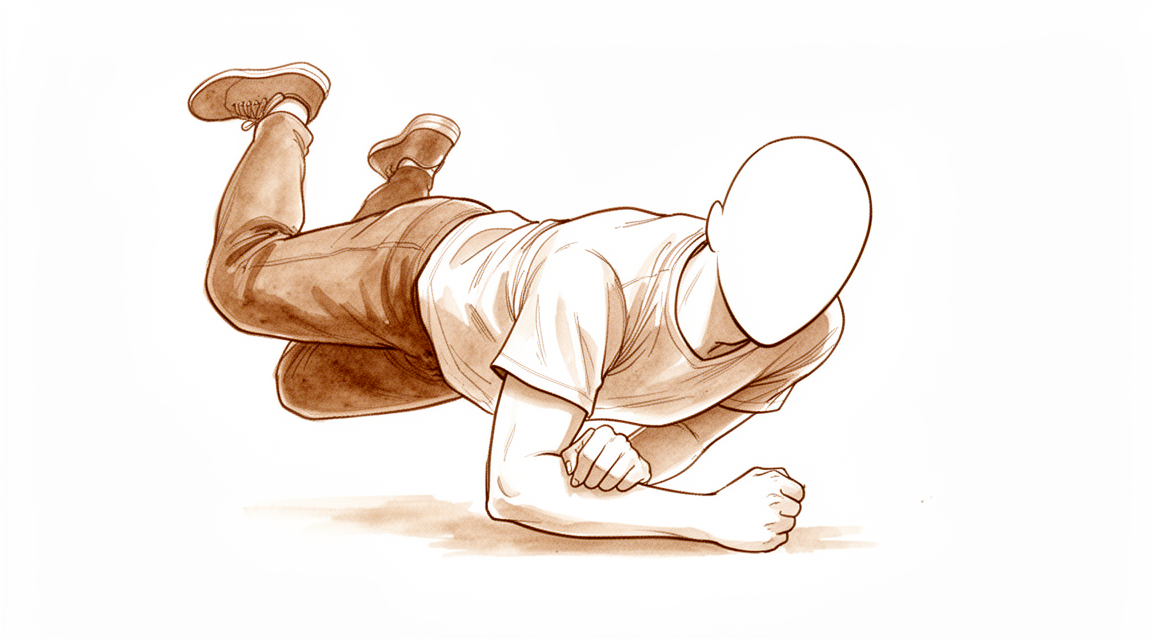
Olecranon fractures — patterns, non-operative care, and tension-band or plate fixation.
What you're feeling
You will feel sharp pain at the back of your elbow. This is where the pointy bone of your upper arm meets your forearm. The pain often flares up when you try to straighten your arm against resistance. You might notice swelling and bruising around the joint. It can be difficult to lift anything heavier than a cup of coffee. Simple tasks like reaching behind your back to fasten a bra or tucking in a shirt become very challenging.
Your elbow may feel stiff, especially when you first wake up in the morning. Moving the joint through its full range of motion can be painful. You might find it hard to sleep on the side of the injury. The pain can also worsen after you have been using your arm for daily activities. Resting with your arm supported often brings some relief. However, keeping the arm completely still for too long can make the stiffness worse.
Because the fracture involves the joint surface, you may feel a grinding sensation or hear clicking sounds when you move. This is due to the bones rubbing together where they should slide smoothly. In older adults, this wear-and-tear arthritis affects about 19% of patients within a few years. You might experience occasional aches that linger long after the initial injury has healed. These symptoms can come and go, often triggered by weather changes or heavy use.
If you are over 70, your surgeon may discuss non-surgical options. These approaches focus on managing pain and maintaining function rather than perfect bone alignment. Many patients report high satisfaction with this method, even if the bone does not heal in a perfect position. The goal is to help you perform daily tasks with minimal discomfort. Your surgeon will tailor the plan to your specific needs and activity level.
What's actually happening
The olecranon is the bony tip of your elbow that you rest on a table. It is part of the ulna, one of the two bones in your forearm. When this bone breaks, it often disrupts the triceps tendon, which acts like a strong rope attached to the bone. This connection allows you to straighten your arm against gravity. If the break is displaced, that rope may pull away from the bone fragment, making it difficult or impossible to lift your hand or hold objects up.
Your surgeon’s main goal is to restore the smooth surface where your upper arm bone meets your forearm bone. This joint surface must be even so the bones can glide past each other without grinding. If the break is not fixed securely, your elbow may become stiff. Early motion is critical to prevent this stiffness. Your surgeon will choose a fixation method that holds the bone steady enough to let you move your arm soon after surgery, while still protecting the healing bone.
Sometimes, the break is too complex or the bone quality is too poor for standard repair. In these cases, your surgeon might remove the broken fragment entirely and reattach the triceps tendon directly to the forearm bone. This approach avoids the complications of hardware and often leads to better function with less pain. For older patients with lower activity demands, non-surgical treatment may also be a safe and effective option.
Even with successful treatment, wear-and-tear arthritis can develop in the elbow joint over time. Data shows that 19% of patients develop this condition, with a median follow-up of 41 months. This means that for some, the smooth cartilage coating the bone ends wears down, potentially causing pain or stiffness later in life. However, most patients achieve good long-term function and satisfaction, regardless of whether they undergo surgery or conservative management.
What we can do about it
For many patients, especially older adults or those with lower physical demands, non-operative management is a safe and effective choice. Your surgeon may recommend rest, ice, and a splint to keep the elbow still while the bone heals. This approach focuses on comfort and allowing natural healing without surgery. Studies show that isolated displaced fractures in the elderly often result in satisfactory short-term and long-term outcomes with this method. You can expect to maintain a functional range of motion and experience minimal pain. Even if the bone does not fully knit together (non-union), many patients still achieve reasonable elbow function and rarely request surgery later. For younger patients or those with significant displacement, surgery is often the standard to restore stability.
Pain management is a key part of your recovery. Your surgeon may prescribe pain medication or anti-inflammatory drugs to help you stay comfortable during the healing process. While injections like cortisone, hyaluronic acid, or PRP are common for joint pain, the evidence for olecranon fractures primarily focuses on structural healing rather than these specific injections. The goal is to control pain so you can begin gentle movement as soon as it is safe. Early motion is critical to prevent the elbow joint from becoming stiff. If surgery is performed, the fixation must be secure enough to allow this early movement. Most patients keep their implants after surgery, and only 3% experience implant migration. Technical factors of the implant are less important than personal factors in deciding if a second surgery for removal is needed.
Surgery is considered when conservative care is not suitable or has failed. This is common for displaced fractures in younger, active patients or those with complex injury patterns. The operation aims to hold the bone fragments in place so they can heal correctly. Your surgeon will choose the method that best fits your specific fracture type and health status. Whether using plates, wires, or anchors, the goal is to restore the triceps mechanism and elbow function. In some cases with severe damage, removing the broken fragment and repairing the muscle may be preferred to reduce complications. If you have other injuries, the risk of limited motion is higher, so your surgeon will discuss this openly. The timing of surgery does not significantly increase early complications, so you can proceed when you are ready.
What to expect
Your outlook depends largely on your age, activity level, and whether you choose surgery or rest. For older adults or those with lower activity demands, nonoperative management often leads to satisfactory short-term and long-term outcomes. You can expect reasonable elbow function even if the bone does not fully knit together. Most patients in this group do not request further surgery.
If you are younger and active, surgery is typically recommended to restore strength and motion. Operative fixation generally provides excellent functional results. You can expect to keep your implants in place; only 3% of patients experience implant migration. Technical factors matter less than personal choices when deciding if you want the hardware removed later.
Recovery is a gradual process. You may notice stiffness or aching as the joint heals. About 19% of patients develop post-traumatic osteoarthritis, a wear-and-tear condition, at a median follow-up of 41 months. This means you might feel occasional discomfort during weather changes or heavy use. Despite these changes, good long-term function is still possible.
Be aware that olecranon fractures in the elderly carry higher than expected one-year mortality rates. This risk is important to discuss with your surgeon when weighing treatment options. If you choose nonoperative care for a displaced fracture, you might face a non-union, but many patients remain satisfied with their results.
Timing of surgery does not significantly increase early complications or the need for reoperation. You do not need to rush into the operating room for safety reasons, though earlier fixation may help with comfort. Overall, most patients maintain their implants and achieve good function, whether treated with surgery or careful rest.
When to see someone
See your GP if you have persistent pain that does not improve with rest. Ask for a specialist review if you feel weakness or instability in the elbow. Watch for locking or giving way of the joint. Seek care if symptoms interfere with your sleep or work. Contact your surgeon if you notice a sudden worsening of your condition. Be aware that the incidence of these fractures increased by 29% over a 20-year study period. Post-traumatic wear-and-tear arthritis occurs in 19% of cases at a median follow-up of 41 months. Elderly patients face higher than expected one-year mortality rates. Early evaluation helps manage these risks effectively.
Evidence & references
title: "Olecranon Fracture" slug: olecranon-fracture region: elbow audience: patient mesh_terms: ["Olecranon Process", "Ulna Fractures", "Elbow Joint", "Elbow Injuries", "Olecranon Fracture", "Bone Plates", "Bone Wires", "Humeral Fractures"] article_count: 474 model_used: Qwen3.6-35B-A3B-Q8_0.gguf generated_at: '2026-06-16T19:37:15+00:00' key_articles: - title: "Results of non-operative treatment of olecranon fracture in over 75-year-olds" ref_num: 1 evidence_tier: paper evidence_level: 4 doi: 10.1016/j.otsr.2017.10.015 year: 2018 - title: "Clinical evaluation of double-plate osteosynthesis for olecranon fractures: A retrospective case-control study" ref_num: 2 evidence_tier: paper evidence_level: 3 doi: 10.1016/j.otsr.2019.08.019 year: 2019 - title: "Epidemiology and Treatment of Olecranon Fractures: a nationwide register-based analysis of 27,880 cases in Denmark from 1999 to 2018" ref_num: 3 evidence_tier: paper evidence_level: 3 doi: 10.1186/s13018-025-05970-2 year: 2025 - title: "Nonoperative Management of Displaced Olecranon Fractures in Low-Demand Elderly Patients" ref_num: 4 evidence_tier: paper evidence_level: 4 doi: 10.2106/jbjs.l.01137 year: 2014 - title: "Treatment of Displaced Olecranon Fractures in the Elderly: Should the Pendulum Swing?" ref_num: 5 evidence_tier: paper evidence_level: 2 doi: 10.2106/jbjs.24.01097 year: 2025 - title: "Efficacy evaluation of Kirschner wire tension band combined with anatomical locking plate in the treatment of Mayo type II olecranon fractures" ref_num: 6 evidence_tier: paper evidence_level: 3 doi: 10.1186/s12891-025-08843-1 year: 2025 - title: "Mortality and subsequent fractures of patients with olecranon fractures compared to other upper extremity osteoporotic fractures" ref_num: 7 evidence_tier: paper evidence_level: 3 doi: 10.1177/17585732221124301 year: 2022 - title: "Outcomes after plating of olecranon fractures: A multicenter evaluation" ref_num: 8 evidence_tier: paper evidence_level: 3 doi: 10.1016/j.injury.2016.04.015 year: 2016 - title: "Olecranon Fractures" ref_num: 9 evidence_tier: paper evidence_level: 4 doi: 10.1016/j.hcl.2015.07.003 year: 2015 - title: "Prospective randomised trial of non-operativeversusoperative management of olecranon fractures in the elderly" ref_num: 10 evidence_tier: paper evidence_level: 1 doi: 10.1302/0301-620x.99b7.bjj-2016-1112.r2 year: 2017 - title: "Midterm outcomes of suture anchor fixation for displaced olecranon fractures" ref_num: 11 evidence_tier: paper evidence_level: 4 doi: 10.5397/cise.2023.00528 year: 2024 - title: "Trends and projection of forearm fractures including elbow fractures of the Olecranon in Sweden: an analysis of 363 968 fractures using public aggregated data" ref_num: 12 evidence_tier: paper evidence_level: 3 doi: 10.1186/s12891-023-07162-7 year: 2024 - title: "Timing of Olecranon Fracture Fixation Does Not Affect Early Complication or Reoperation Rates" ref_num: 13 evidence_tier: paper evidence_level: 3 doi: 10.1016/j.jhsg.2023.09.002 year: 2024 - title: "Complications and mortality associated with olecranon fractures in the elderly: a retrospective cohort comparison from a large level one trauma centre" ref_num: 14 evidence_tier: paper evidence_level: 3 doi: 10.1177/1758573221994860 year: 2021 - title: "Nonoperative treatment of olecranon fractures in the elderly—a systematic review" ref_num: 15 evidence_tier: paper evidence_level: 4 doi: 10.1007/s11678-018-0488-7 year: 2018 - title: "Epidemiology, classification and treatment of olecranon fractures in adults: an observational study on 2462 fractures from the Swedish Fracture Register" ref_num: 16 evidence_tier: paper evidence_level: 4 doi: 10.1007/s00068-021-01765-2 year: 2021 - title: "Olecranon fractures" ref_num: 17 evidence_tier: paper doi: 10.1016/j.injury.2008.12.013 year: 2009 - title: "SOFIE: Surgery for Olecranon Fractures in the Elderly: a randomised controlled trial of operative versus non-operative treatment" ref_num: 18 evidence_tier: paper evidence_level: 2 doi: 10.1186/s12891-015-0789-6 year: 2015 - title: "Incidence and Management of Articular Impaction in Geriatric Olecranon Fractures" ref_num: 19 evidence_tier: paper evidence_level: 4 doi: 10.5435/jaaos-d-20-01293 year: 2021 - title: "Incidence of Post-traumatic Osteoarthritis in Olecranon Fractures and the Role of Instability and Comminution in its Development: A Systematic Review" ref_num: 20 evidence_tier: paper evidence_level: 4 doi: 10.1016/j.jse.2026.02.024 year: 2026 - title: "Pilot report: non-operative treatment of Mayo Type II olecranon fractures in any-age adult patient" ref_num: 21 evidence_tier: paper evidence_level: 4 doi: 10.1177/1758573217711889 year: 2017 - title: "Results of open reduction and plate osteosynthesis in comminuted fracture of the olecranon" ref_num: 23 evidence_tier: paper evidence_level: 4 doi: 10.1016/j.jse.2010.11.023 year: 2011 - title: "Double Tension Band Wiring for Treatment of Olecranon Fractures" ref_num: 24 evidence_tier: paper evidence_level: 4 doi: 10.1016/j.jhsa.2014.09.020 year: 2014 - title: "Outcome after olecranon fracture repair: Does construct type matter?" ref_num: 25 evidence_tier: paper evidence_level: 4 doi: 10.1007/s00590-015-1724-0 year: 2015 - title: "Locking-plate osteosynthesis versus intramedullary nailing for fixation of olecranon fractures: a biomechanical study" ref_num: 26 evidence_tier: paper evidence_level: 3 doi: 10.1007/s00264-013-1854-0 year: 2013 - title: "Non-union of Non-operatively Treated Displaced Olecranon Fractures" ref_num: 27 evidence_tier: paper evidence_level: 4 doi: 10.1111/j.1758-5740.2012.00194.x year: 2012 - title: "Tension band suture fixation for olecranon fractures" ref_num: 28 evidence_tier: paper evidence_level: 4 doi: 10.1177/1758573216687305 year: 2017 - title: "Terrible Triad Injury of the Elbow: Current Concepts" ref_num: 29 evidence_tier: paper evidence_level: 5 doi: 10.5435/00124635-200903000-00003 year: 2009 - title: "Elbow rotation affects the accuracy of rotational formulas: validation of a modified method" ref_num: 30 evidence_tier: paper evidence_level: 5 doi: 10.1186/s12891-024-08240-0 year: 2025 - title: "Classifications in Brief: Mayo Classification of Olecranon Fractures" ref_num: 31 evidence_tier: paper evidence_level: 5 doi: 10.1097/corr.0000000000000614 year: 2018 - title: "Efficacy and safety of tension band wire versus plate for Mayo II olecranon fractures: a systematic review and meta-analysis" ref_num: 32 evidence_tier: paper evidence_level: 1 doi: 10.1186/s13018-022-03262-7 year: 2022 - title: "Creation of a replicable anatomic model of terrible triad of the elbow" ref_num: 33 evidence_tier: paper evidence_level: 5 doi: 10.1186/s13018-024-05069-0 year: 2024 - title: "Long-term outcomes after different types of Horne and Tanzer olecranon fractures" ref_num: 34 evidence_tier: paper evidence_level: 3 doi: 10.1007/s00402-020-03453-z year: 2020 - title: "Hemiarthroplasty for the treatment of distal humeral fractures: midterm clinical results" ref_num: 35 evidence_tier: paper evidence_level: 4 doi: 10.1016/j.jse.2016.09.057 year: 2017 - title: "The spin move to facilitate antegrade coronoid fixation in terrible triad injuries" ref_num: 36 evidence_tier: paper evidence_level: 5 doi: 10.1016/j.jse.2022.11.020 year: 2023 - title: "The Posttraumatic Stiff Elbow: A Review of the Literature" ref_num: 37 evidence_tier: paper evidence_level: 4 doi: 10.1016/j.jhsa.2007.09.015 year: 2007 - title: "Design and application of Nickel-Titanium olecranon memory connector in treatment of olecranon fractures: a prospective randomized controlled trial" ref_num: 38 evidence_tier: paper evidence_level: 2 doi: 10.1007/s00264-013-1878-5 year: 2013 - title: "Letter Regarding “Olecranon Fractures”" ref_num: 39 evidence_tier: letter evidence_level: 5 doi: 10.1016/j.jhsa.2013.04.013 year: 2013 - title: "Surgery for Olecranon Fractures in the Elderly (SOFIE)" ref_num: 40 evidence_tier: paper evidence_level: 1 doi: 10.2106/jbjs.24.00655 year: 2025 - title: "Lateral Trochlear Ridge" ref_num: 41 evidence_tier: paper evidence_level: 5 doi: 10.2106/jbjs.18.01270 year: 2019 - title: "Paediatric olecranon fractures: a systematic review" ref_num: 42 evidence_tier: paper evidence_level: 4 doi: 10.1302/2058-5241.5.190082 year: 2020 - title: "Long Term Outcome Of Surgically Treated Complex Olecranon Fractures" ref_num: 43 evidence_tier: abstract evidence_level: 4 doi: 10.1016/j.jse.2007.02.092 year: 2007 - title: "Pediatric Sports Elbow Injuries" ref_num: 44 evidence_tier: paper evidence_level: 5 doi: 10.1016/j.csm.2010.06.010 year: 2010 - title: "Reconstruction of the coronoid process with iliac crest bone graft in complex fracture-dislocation of elbow" ref_num: 45 evidence_tier: paper evidence_level: 4 doi: 10.1007/s00402-006-0198-2 year: 2006 - title: "Results of parallel plate fixation of comminuted intra-articular distal humeral fractures" ref_num: 46 evidence_tier: paper evidence_level: 4 doi: 10.1016/j.jse.2014.01.017 year: 2014 - title: "Standard Surgical Protocol to Treat Elbow Dislocations with Radial Head and Coronoid Fractures" ref_num: 47 evidence_tier: paper evidence_level: 4 doi: 10.2106/jbjs.d.02933 year: 2005 - title: "Forearm Instability: Anatomy, Biomechanics, and Treatment Options" ref_num: 48 evidence_tier: paper evidence_level: 5 doi: 10.1016/j.jhsa.2016.10.017 year: 2017 - title: "Nonoperative Management of Olecranon Fractures in Elderly Patients: A Systematic Review" ref_num: 49 evidence_tier: paper evidence_level: 4 doi: 10.1177/1558944720944261 year: 2020 - title: "Management of type IIB and IIIB olecranon fractures. Case series" ref_num: 50 evidence_tier: paper evidence_level: 4 doi: 10.1016/j.ijscr.2017.10.052 year: 2017 - title: "Three-dimensional quantitative study and functional outcome analysis of coronoid fracture in different elbow injury patterns" ref_num: 51 evidence_tier: paper evidence_level: 3 doi: 10.1016/j.jse.2024.06.004 year: 2025 - title: "Fractures of the coronoid process" ref_num: 52 evidence_tier: paper evidence_level: 5 doi: 10.1016/j.hcl.2004.07.004 year: 2004 - title: "Surgical outcomes after reoperation of intra-articular proximal ulna fractures" ref_num: 53 evidence_tier: paper evidence_level: 4 doi: 10.1016/j.jseint.2024.12.017 year: 2025 - title: "Risk factors for dysfunctional elbow stiffness following operative fixation of distal humerus fractures" ref_num: 54 evidence_tier: paper evidence_level: 3 doi: 10.1016/j.jse.2024.06.010 year: 2024 - title: "Distribution of Coronoid Fracture Lines by Specific Patterns of Traumatic Elbow Instability" ref_num: 55 evidence_tier: paper evidence_level: 4 doi: 10.1016/j.jhsa.2014.06.123 year: 2014 - title: "Olecranon Fractures" ref_num: 56 evidence_tier: paper evidence_level: 4 doi: 10.1016/j.ocl.2008.01.002 year: 2008 - title: "Quantitative 3-dimensional computed tomography analysis of olecranon fractures" ref_num: 57 evidence_tier: paper evidence_level: 4 doi: 10.1016/j.jse.2015.10.002 year: 2016 - title: "Risk factors for complications and poor function after open reduction and fixation of olecranon fractures" ref_num: 58 evidence_tier: paper evidence_level: 4 doi: 10.1016/j.xrrt.2025.08.004 year: 2025 - title: "Factors Associated With Reoperation After Fixation of Displaced Olecranon Fractures" ref_num: 61 evidence_tier: paper evidence_level: 3 doi: 10.1007/s11999-015-4488-2 year: 2016 - title: "Plate Versus Tension-Band Wire Fixation for Olecranon Fractures" ref_num: 63 evidence_tier: paper evidence_level: 1 doi: 10.2106/jbjs.16.00773 year: 2017 synthesis_version: "v2" verifier_status: skipped
Overview
- Non-operative treatment of olecranon fractures in patients aged ≥75 years provided excellent functional results at 6 months without associated complications [1].
- Nonoperative management of isolated displaced olecranon fractures in older, lower-demand patients yields satisfactory short-term and long-term outcomes [4].
- Evidence offers valuable data for developing personalized treatment plans for olecranon fractures in patients over 75, though it does not definitively settle the debate on operative versus non-operative management [5].
- The SOFIE trial is a study protocol aiming to test for superiority of operative versus non-operative treatment for displaced olecranon fractures in the elderly by comparing pain and function up to one year after injury, but it does not report results or conclusions [18].
- Low-profile double-plate osteosynthesis is a safe and effective alternative treatment for olecranon fractures with excellent subjective and objective clinical outcome measures [2].
- Both Kirschner wire tension band combined with anatomical locking plate and other operative procedures effectively treat Mayo type II olecranon fractures [6].
- Plating of the olecranon leads to predictable union, although the most common complication was lack of full extension in 39% of patients [8].
- A majority of olecranon fractures heal uneventfully with good/excellent results, with a small loss of motion to be expected [9].
- The timing of fixation for displaced olecranon fractures does not significantly increase the rate of early complications or reoperation [13].
- Tension band wiring (TBW) remains an effective treatment for appropriately selected olecranon fractures and outperformed plate osteosynthesis in the studied cohort [25].
- Suture fixation is the mainstay of treatment for all simple olecranon fractures, with no re-operations or wound complications observed in the series [28].
- Surgical treatment of olecranon fractures is associated with a high rate of complications, and patients undergoing revisions beyond implant removal had poorer functional outcomes [58].
- No significant differences in functional outcomes or secondary operations were found with respect to fracture type, gender, or surgical method in the context of surgical treatment complications [58].
Anatomy & Pathophysiology
- Concomitant injuries in olecranon fractures are associated with a high risk of limited elbow motion [23].
- Understanding relevant elbow anatomy and factors associated with stability allows for systematic treatment algorithms that ensure sufficient stability for early motion, leading to improved outcomes [29].
- The modified rotational formula (MRCF) provides stable and accurate measurements of rotational displacement despite varying elbow rotations, addressing limitations of the previous method (PRCF) [30].
- An anatomic model of terrible triad injury can be created by exerting axial compression on an elbow in 15° flexion and maximal pronation at speeds of 100 and 10 mm/min [33].
- Individuals with elbow degenerative changes have no inferior subjective elbow function compared to those with normal radiographs, except in cases with joint space reduction [34].
- Elbow range of motion and functional use are maintained in the midterm compared to short-term studies following hemiarthroplasty for distal humeral fractures [35].
- The "spin move" is a maneuver that improves exposure of the coronoid process regardless of the degree of elbow instability [36].
- Restoration of joint motion in posttraumatic stiff elbows is a difficult, time-consuming, and costly challenge [37].
- A portion of the anterior lateral trochlear ridge (aLTR) is covered with articular cartilage but is non-articulating throughout the normal elbow range of motion [41].
- Evaluation and management of elbow injuries in young athletes requires knowledge of immature developing anatomy, injury pathophysiology, and established treatment algorithms [44].
- Reconstruction of the anterior capsule and ligamentous structures is important for providing stability to the elbow joint in complex fracture-dislocations [45].
- Good elbow function can be restored in most cases of comminuted intra-articular distal humeral fractures with minor impairments that do not worsen quality of life [46].
- Use of a standard surgical protocol for elbow dislocations with radial head and coronoid fractures restores sufficient stability to allow early postoperative motion, enhancing functional outcomes [47].
- Disruptions in forearm structures may lead to forearm instability with consequences at the remaining structures [48].
- Open fracture-dislocation (OFD) patterns have the worst functional outcomes among complex elbow injury patterns [51].
- Proper treatment of coronoid fractures requires an understanding of the bony and soft tissue anatomy of the elbow and various injury mechanisms [52].
- While range of motion is typically preserved after reoperation for intra-articular proximal ulna fractures, 35% of patients experience subsequent complications [53].
- Orthogonal plate configuration, olecranon osteotomy, and longer operative time are associated with increased odds of dysfunctional elbow stiffness following operative fixation of distal humerus fractures [54].
- Specific patterns of traumatic elbow instability have correspondingly specific coronoid fracture patterns [55].
Classification
- The Mayo classification was designed to simplify categorization of olecranon fractures [31].
- The Mayo classification does not achieve its goal of simplification due to poor reproducibility [31].
- Quantitative 3-dimensional computed tomography analysis clarified the fracture morphology of Mayo type I, II, and III fractures [57].
Clinical Presentation
- Olecranon fractures are commonly seen in orthopedic practice [56].
- Isolated olecranon fractures occur after low-energy trauma, especially in older women (> 65 years) [16].
- Articular impaction is a common feature of geriatric olecranon fractures [19].
- Patients with olecranon fractures have essentially similar demographic characteristics compared to patients with distal radius fractures [7].
- The incidence of olecranon fractures increased by 29% over the 20-year study period (1999–2018) in Denmark [3].
- Olecranon fractures in the elderly have higher than expected 1 year mortality rates [14].
- More precise studies are needed to properly quantify the specific incidence of various subtypes of forearm and olecranon fractures and associated risk factors [12].
Investigations
- The incidence of olecranon fractures increased by 29% over a 20-year study period in Denmark [3].
- More precise studies are needed to properly quantify the specific incidence of various subtypes of forearm and olecranon fractures and associated risk factors [12].
- Isolated fractures of the olecranon occur after low-energy trauma, especially in older women (> 65 years) [16].
- Patients with olecranon fractures have essentially similar demographic characteristics compared to patients with distal radius fractures [7].
- Olecranon fractures in the elderly have higher than expected 1-year mortality rates [14].
- Articular impaction is a common feature of geriatric olecranon fractures [19].
Treatment
Non-Operative Management
- Non-operative treatment of olecranon fractures in patients aged ≥75 years provided excellent functional results at 6 months, without associated complications [1].
- Nonoperative management of isolated displaced olecranon fractures in older, lower-demand patients yields satisfactory short-term and long-term outcomes [4].
- Primary non-operative management is supported for isolated displaced fractures of the olecranon in the elderly [10].
- Non-operative treatment of Mayo Type II olecranon fractures may be successful, extending the age range for which such treatment of displaced olecranon fractures can be considered [21].
- Patients who present with a non-union after a displaced olecranon fracture managed non-operatively have reasonable elbow function and uncommonly request operative treatment [27].
- Nonoperative treatment as a reasonable option is supported for displaced stable olecranon fractures in elderly patients [40].
- Displaced olecranon fractures in patients older than 70 years may be effectively managed with nonoperative measures to produce high satisfaction and functional range of motion [49].
- Aggregate data support the non-operative treatment of isolated undisplaced olecranon fractures with good results [42].
- The literature on the treatment of olecranon fractures in elderly patients is limited [15].
- More precise studies are needed in order to properly quantify the specific incidence of various subtypes of forearm and olecranon fractures and associated risk factors [12].
- While data offer valuable information for personalized treatment plans, it is not definitively settled whether olecranon fractures should be managed nonoperatively in patients over 75 [5].
- The SOFIE study is a protocol testing for superiority of operative versus non-operative treatment and does not report results or conclusions [18].
- Surgical management remains the standard of care for displaced olecranon fractures until more convincing evidence supports nonsurgical treatment [39].
Operative Management
- Low-profile double-plate osteosynthesis is a safe and effective alternative treatment of olecranon fractures with excellent subjective and objective clinical outcome measures [2].
- Both Kirschner wire tension band combined with anatomical locking plate and other operative procedures effectively treat Mayo type II olecranon fractures [6].
- Suture anchor fixation of displaced olecranon fractures resulted in excellent midterm functional outcomes [11].
- In cases with concomitant injuries, the risk of limited elbow motion is high following open reduction and plate osteosynthesis [23].
- Double tension band wiring (DTBW) produced good clinical and radiological outcomes and could be an effective option for the treatment of olecranon fractures by providing additional stability through a second tension band wire [24].
- Tension band wiring (TBW) remains an effective treatment for appropriately selected olecranon fractures and outperformed plate osteosynthesis in the studied cohort [25].
- Both locking-plate osteosynthesis and intramedullary nailing could be appropriate surgical techniques for fixation of selected olecranon fractures and osteotomies [26].
- Plate has better efficacy and safety than tension band wire for Mayo II olecranon fractures [32].
- The Nickel-Titanium olecranon memory connector (OMC) could be an effective alternative to treat olecranon fractures [38].
- Plate fixation of complex olecranon fractures is an effective, reliable method of treatment with low risk of non-union [50].
- No one technique is suitable for the management of all olecranon fractures [17].
Complications
- Non-operative treatment of olecranon fracture in patients aged ≥75 years provided excellent functional results at 6 months without associated complications [1].
- Low-profile double-plate osteosynthesis is a safe and effective alternative treatment of olecranon fractures with excellent subjective and objective clinical outcome measures [2].
- Nonoperative management of isolated displaced olecranon fractures in older, lower-demand patients yields satisfactory short-term and long-term outcomes [4].
- Plating of the olecranon leads to predictable union, though the most common complication was lack of full extension in 39% of patients [8].
- A majority of olecranon fractures heal uneventfully with good/excellent results, with a small loss of motion to be expected [9].
- Suture anchor fixation of displaced olecranon fractures resulted in excellent midterm functional outcomes [11].
- The timing of fixation of displaced olecranon fractures does not significantly increase the rate of early complications or reoperation [13].
- Olecranon fractures in the elderly have higher than expected 1 year mortality rates [14].
- The median incidence of post-traumatic osteoarthritis following isolated olecranon fractures is 19% at a median follow-up of 41 months [20].
- Suture fixation for simple olecranon fractures resulted in no re-operations or wound complications in the studied series [28].
- Patients who have operative fixation of a fracture of the olecranon can be counseled that most patients keep their implants [61].
- Only 3% of patients experience implant migration after operative fixation of a fracture of the olecranon [61].
- Technical factors such as the type or configuration of an implant seem less important than personal factors in determining who requests a second surgery for implant removal after olecranon fracture fixation [61].
Recovery
- Non-operative treatment of olecranon fractures in patients aged ≥75 years provided excellent functional results at 6 months, without associated complications [1].
- Nonoperative management of isolated displaced olecranon fractures in older, lower-demand patients yields satisfactory short-term and long-term outcomes [4].
- Non-operative treatment of Mayo Type II olecranon fractures may be successful, extending the age range for which such treatment of displaced olecranon fractures can be considered [21].
- The literature on the treatment of olecranon fractures in elderly patients is limited [15].
- Low-profile double-plate osteosynthesis is a safe and effective alternative treatment of olecranon fractures with excellent subjective and objective clinical outcome measures [2].
- Plating of the olecranon leads to predictable union, though the most common complication was lack of full extension in 39% of patients [8].
- Suture anchor fixation of displaced olecranon fractures resulted in excellent midterm functional outcomes [11].
- Good functional long-term results are to be expected in patients with complex olecranon fractures treated with open reduction and internal fixation, despite arthritic changes in the elbow joint [43].
- A majority of olecranon fractures heal uneventfully with good/excellent results with a small loss of motion to be expected [9].
- Among active patients with a simple isolated, displaced fracture of the olecranon, no difference was found between tension-band wire (TBW) and plate fixation in the patient-reported outcome at 1 year following surgery [63].
- The timing of fixation of displaced olecranon fractures does not significantly increase the rate of early complications or reoperation [13].
- Patients with olecranon fractures have essentially similar demographic characteristics compared to patients with distal radius fractures [7].
- Olecranon fractures in the elderly have higher than expected 1 year mortality rates [14].
- The incidence of post-traumatic osteoarthritis following isolated olecranon fractures has a median incidence of 19% at a median follow-up of 41 months [20].
Key Evidence
- [L4] Non-operative treatment of olecranon fracture in patients aged ≥75 years provided excellent functional results at 6 months, without associated complications. (10.1016/j.otsr.2017.10.015)
- [L3] Low-profile double-plate osteosynthesis is a safe and effective alternative treatment of olecranon fractures with excellent subjective and objective clinical outcome measures. (10.1016/j.otsr.2019.08.019)
- [L3] The incidence of olecranon fractures increased by 29% over the 20-year study period. (10.1186/s13018-025-05970-2)
- [L4] We found satisfactory short-term and long-term outcomes following the nonoperative management of isolated displaced olecranon fractures in older, lower-demand patients. (10.2106/jbjs.l.01137)
- [L2] While they did not definitively settle the debate about whether we should manage olecranon fractures nonoperatively in patients over 75, they did offer valuable data that surgeons and patients can use to develop personalized treatment plans tailored to each patient's needs. (10.2106/jbjs.24.01097)
- [L3] Both operative procedures effectively treat Mayo type II olecranon fractures. (10.1186/s12891-025-08843-1)
- [L3] Patients with olecranon fractures have essentially similar demographic characteristics compared to patients with distal radius fractures. (10.1177/17585732221124301)
- [L3] Plating of the olecranon leads to predictable union, though the most common complication was lack of full extension in 39% of patients. (10.1016/j.injury.2016.04.015)
- [L4] A majority of olecranon fractures heal uneventfully with good/excellent results with a small loss of motion to be expected. (10.1016/j.hcl.2015.07.003)
- [L1] These data further support the role of primary non-operative management of isolated displaced fractures of the olecranon in the elderly. (10.1302/0301-620x.99b7.bjj-2016-1112.r2)
- [L4] Suture anchor fixation of displaced olecranon fractures resulted in excellent midterm functional outcomes. (10.5397/cise.2023.00528)
- [L3] More precise studies are needed in order to properly quantify the specific incidence of various subtypes of forearm and olecranon fractures and associated risk factors. (10.1186/s12891-023-07162-7)
- [L3] The timing of fixation of displaced olecranon fractures does not significantly increase the rate of early complications or reoperation. (10.1016/j.jhsg.2023.09.002)
- [L3] Olecranon fractures in the elderly have higher than expected 1 year mortality rates. (10.1177/1758573221994860)
- [L4] The literature on the treatment of olecranon fractures in elderly patients is limited. (10.1007/s11678-018-0488-7)
- [L4] Isolated fractures of the olecranon occur after a low-energy trauma, especially in older women (> 65 years). (10.1007/s00068-021-01765-2)
- [Paper] No one technique is suitable for the management of all olecranon fractures. (10.1016/j.injury.2008.12.013)
- [L2] This document is a study protocol and does not report results or conclusions; the study aims to test for superiority of operative treatment versus non-operative treatment for displaced olecranon fractures in the elderly by comparing pain and function up to one year after injury. (10.1186/s12891-015-0789-6)
- [L4] Articular impaction is a common feature of geriatric olecranon fractures. (10.5435/jaaos-d-20-01293)
- [L4] This review identified a median OA incidence of 19% at a median follow-up of 41 months following isolated olecranon fractures. (10.1016/j.jse.2026.02.024)
- [L4] Non-operative treatment of Mayo Type II olecranon fractures may be successful, extending the age range for which such treatment of displaced olecranon fractures can be considered. (10.1177/1758573217711889)
- [L4] In cases with concomitant injuries, the risk of limited elbow motion is high. (10.1016/j.jse.2010.11.023)
- [L4] DTBW produced good clinical and radiological outcomes and could be an effective option for the treatment of olecranon fractures by providing additional stability through a second TBW. (10.1016/j.jhsa.2014.09.020)
- [L4] TBW remains an effective treatment for appropriately selected olecranon fractures and in this cohort outperformed plate osteosynthesis. (10.1007/s00590-015-1724-0)
- [L3] Both implant types could be appropriate surgical techniques for fixation of selected olecranon fractures and osteotomies. (10.1007/s00264-013-1854-0)
- [L4] Patients who present with a non-union after a displaced olecranon fracture managed non-operatively have reasonable elbow function and uncommonly request operative treatment. (10.1111/j.1758-5740.2012.00194.x)
- [L4] Suture fixation is now the mainstay of treatment for all simple olecranon fractures, with no re-operations or wound complications observed in this series. (10.1177/1758573216687305)
- [L5] Despite the complexities of this injury, an understanding of the relevant anatomy and the factors associated with elbow stability allows the application of a systematic algorithm for treatment that can help ensure sufficient elbow stability to allow early motion, thereby leading to improved outcomes in most patients. (10.5435/00124635-200903000-00003)
- [L5] MRCF effectively addresses the limitations of PRCF and provides stable, accurate measurements of rotational displacement even with varying elbow rotations. (10.1186/s12891-024-08240-0)
- [L5] The Mayo classification was designed to simplify categorization of olecranon fractures but does not achieve this goal due to poor reproducibility. (10.1097/corr.0000000000000614)
- [L1] Plate has better efficacy and safety for Mayo II olecranon fractures. (10.1186/s13018-022-03262-7)
- [L5] The study successfully created and validated an anatomic model of terrible triad of the elbow by exerting axial compression on an elbow in 15° flexion and maximal pronation at speeds of 100 and 10 mm/min. (10.1186/s13018-024-05069-0)
- [L3] Individuals with elbow degenerative changes had no inferior subjective elbow function compared to those with normal radiographs, except for those with joint space reduction. (10.1007/s00402-020-03453-z)
- [L4] The data suggest that elbow range of motion and functional use are maintained from comparison with short-term studies. (10.1016/j.jse.2016.09.057)
- [L5] The spin move is a simple maneuver that can improve exposure of the coronoid process regardless of the degree of elbow instability. (10.1016/j.jse.2022.11.020)
- [L4] Restoration of joint motion in the posttraumatic stiff elbow can be a difficult, time-consuming, and costly challenge. (10.1016/j.jhsa.2007.09.015)
- [L2] The study showed that OMC could be an effective alternative to treat olecranon fractures. (10.1007/s00264-013-1878-5)
- [Letter] The authors of the original review acknowledge that nonsurgical management was limited to nondisplaced fractures due to editorial constraints but maintain that surgical management remains the standard of care for displaced olecranon fractures until more convincing evidence supports nonsurgical treatment. (10.1016/j.jhsa.2013.04.013)
- [L1] This supports nonoperative treatment as a reasonable option for displaced stable olecranon fractures in elderly patients. (10.2106/jbjs.24.00655)
- [L5] Our results suggest that there is a portion of the aLTR that, despite being covered with articular cartilage, is non-articulating throughout normal elbow range of motion. (10.2106/jbjs.18.01270)
- [L4] Aggregate data support the non-operative treatment of isolated undisplaced olecranon fractures with good results, and support the operative treatment of fractures displaced ≥4 mm. (10.1302/2058-5241.5.190082)
- [Abstract] Good functional long-term results are to be expected in patients with complex olecranon fractures treated with open reduction and internal fixation, despite arthritic changes in the elbow joint. (10.1016/j.jse.2007.02.092)
- [L5] Evaluation and management of elbow injuries in young athletes requires knowledge of the immature developing anatomy, injury pathophysiology, and established treatment algorithms for each diagnosis. (10.1016/j.csm.2010.06.010)
- [L4] It is important to reconstruct the anterior capsule and ligamentous structures for providing stability to the elbow joint. (10.1007/s00402-006-0198-2)
- [L4] Good elbow function can be restored in most cases with minor impairments that do not worsen quality of life. (10.1016/j.jse.2014.01.017)
- [L4] Use of the surgical protocol restored sufficient elbow stability to allow early motion postoperatively, enhancing the functional outcome. (10.2106/jbjs.d.02933)
- [L5] Disruptions in any of these structures may lead to forearm instability with consequences at the remaining structures. (10.1016/j.jhsa.2016.10.017)
- [L4] Displaced olecranon fractures in patients older than 70 years may be effectively managed with nonoperative measures to produce high satisfaction and functional range of motion. (10.1177/1558944720944261)
- [L4] Plate fixation of complex olecranon fracture is an effective, reliable method of treatment with low risk of non-union. (10.1016/j.ijscr.2017.10.052)
- [L3] OFD has the worst functional outcomes among complex elbow injury patterns. (10.1016/j.jse.2024.06.004)
- [L5] Proper treatment of coronoid fractures requires an understanding of the bony and soft tissue anatomy of the elbow and the various injury mechanisms that occur. (10.1016/j.hcl.2004.07.004)
- [L4] While ROM is typically preserved after reoperation and improved when the indication for reoperation is elbow stiffness, a significant proportion of patients (35%) experience subsequent complications. (10.1016/j.jseint.2024.12.017)
- [L3] Orthogonal plate configuration, olecranon osteotomy, and longer operative time were associated with increased odds of dysfunctional elbow stiffness. (10.1016/j.jse.2024.06.010)
- [L4] Specific patterns of traumatic elbow instability have correspondingly specific coronoid fracture patterns. (10.1016/j.jhsa.2014.06.123)
- [L4] Olecranon fractures are commonly seen in orthopedic practice and have good to excellent outcomes with adherence to a treatment algorithm based on displacement, comminution, and joint stability. (10.1016/j.ocl.2008.01.002)
- [L4] Quantitative analysis of olecranon fractures further clarified fracture morphology of Mayo type I, II, and III fractures. (10.1016/j.jse.2015.10.002)
- [L4] Surgical treatment of olecranon fractures is associated with a high rate of complications, and patients undergoing revisions beyond implant removal had poorer functional outcomes; however, no significant differences in functional outcomes or secondary operations were found with respect to fracture type, gender, or surgical method. (10.1016/j.xrrt.2025.08.004)
- [L3] Patients who have operative fixation of a fracture of the olecranon can be counseled that most patients keep their implants, that only 3% experience implant migration, and that technical factors such as the type or configuration of an implant seem less important than personal factors in determining who requests a second surgery for implant removal. (10.1007/s11999-015-4488-2)
- [L1] Among active patients with a simple isolated, displaced fracture of the olecranon, no difference was found between TBW and plate fixation in the patient-reported outcome at 1 year following surgery. (10.2106/jbjs.16.00773)
References
[1] Results of non-operative treatment of olecranon fracture in over 75-year-olds. Orthopaedics & Traumatology: Surgery & Research. 2018. DOI: 10.1016/j.otsr.2017.10.015 [2] Clinical evaluation of double-plate osteosynthesis for olecranon fractures: A retrospective case-control study. Orthopaedics & Traumatology: Surgery & Research. 2019. DOI: 10.1016/j.otsr.2019.08.019 [3] Epidemiology and Treatment of Olecranon Fractures: a nationwide register-based analysis of 27,880 cases in Denmark from 1999 to 2018. Journal of Orthopaedic Surgery and Research. 2025. DOI: 10.1186/s13018-025-05970-2 [4] Nonoperative Management of Displaced Olecranon Fractures in Low-Demand Elderly Patients. Journal of Bone and Joint Surgery. 2014. DOI: 10.2106/jbjs.l.01137 [5] Treatment of Displaced Olecranon Fractures in the Elderly: Should the Pendulum Swing?. Journal of Bone and Joint Surgery. 2025. DOI: 10.2106/jbjs.24.01097 [6] Efficacy evaluation of Kirschner wire tension band combined with anatomical locking plate in the treatment of Mayo type II olecranon fractures. BMC Musculoskeletal Disorders. 2025. DOI: 10.1186/s12891-025-08843-1 [7] Mortality and subsequent fractures of patients with olecranon fractures compared to other upper extremity osteoporotic fractures. Shoulder & Elbow. 2022. DOI: 10.1177/17585732221124301 [8] Outcomes after plating of olecranon fractures: A multicenter evaluation. Injury. 2016. DOI: 10.1016/j.injury.2016.04.015 [9] Olecranon Fractures. Hand Clinics. 2015. DOI: 10.1016/j.hcl.2015.07.003 [10] Prospective randomised trial of non-operativeversusoperative management of olecranon fractures in the elderly. The Bone & Joint Journal. 2017. DOI: 10.1302/0301-620x.99b7.bjj-2016-1112.r2 [11] Midterm outcomes of suture anchor fixation for displaced olecranon fractures. Clinics in Shoulder and Elbow. 2024. DOI: 10.5397/cise.2023.00528 [12] Trends and projection of forearm fractures including elbow fractures of the Olecranon in Sweden: an analysis of 363 968 fractures using public aggregated data. BMC Musculoskeletal Disorders. 2024. DOI: 10.1186/s12891-023-07162-7 [13] Timing of Olecranon Fracture Fixation Does Not Affect Early Complication or Reoperation Rates. Journal of Hand Surgery Global Online. 2024. DOI: 10.1016/j.jhsg.2023.09.002 [14] Complications and mortality associated with olecranon fractures in the elderly: a retrospective cohort comparison from a large level one trauma centre. Shoulder & Elbow. 2021. DOI: 10.1177/1758573221994860 [15] Nonoperative treatment of olecranon fractures in the elderly—a systematic review. Obere Extremität. 2018. DOI: 10.1007/s11678-018-0488-7 [16] Epidemiology, classification and treatment of olecranon fractures in adults: an observational study on 2462 fractures from the Swedish Fracture Register. European Journal of Trauma and Emergency Surgery. 2021. DOI: 10.1007/s00068-021-01765-2 [17] Olecranon fractures. Injury. 2009. DOI: 10.1016/j.injury.2008.12.013 [18] SOFIE: Surgery for Olecranon Fractures in the Elderly: a randomised controlled trial of operative versus non-operative treatment. BMC Musculoskeletal Disorders. 2015. DOI: 10.1186/s12891-015-0789-6 [19] Incidence and Management of Articular Impaction in Geriatric Olecranon Fractures. Journal of the American Academy of Orthopaedic Surgeons. 2021. DOI: 10.5435/jaaos-d-20-01293 [20] Incidence of Post-traumatic Osteoarthritis in Olecranon Fractures and the Role of Instability and Comminution in its Development: A Systematic Review. Journal of Shoulder and Elbow Surgery. 2026. DOI: 10.1016/j.jse.2026.02.024 [21] Pilot report: non-operative treatment of Mayo Type II olecranon fractures in any-age adult patient. Shoulder & Elbow. 2017. DOI: 10.1177/1758573217711889 [23] Results of open reduction and plate osteosynthesis in comminuted fracture of the olecranon. Journal of Shoulder and Elbow Surgery. 2011. DOI: 10.1016/j.jse.2010.11.023 [24] Double Tension Band Wiring for Treatment of Olecranon Fractures. The Journal of Hand Surgery. 2014. DOI: 10.1016/j.jhsa.2014.09.020 [25] Outcome after olecranon fracture repair: Does construct type matter?. European Journal of Orthopaedic Surgery & Traumatology. 2015. DOI: 10.1007/s00590-015-1724-0 [26] Locking-plate osteosynthesis versus intramedullary nailing for fixation of olecranon fractures: a biomechanical study. International Orthopaedics. 2013. DOI: 10.1007/s00264-013-1854-0 [27] Non-union of Non-operatively Treated Displaced Olecranon Fractures. Shoulder & Elbow. 2012. DOI: 10.1111/j.1758-5740.2012.00194.x [28] Tension band suture fixation for olecranon fractures. Shoulder & Elbow. 2017. DOI: 10.1177/1758573216687305 [29] Terrible Triad Injury of the Elbow: Current Concepts. Journal of the American Academy of Orthopaedic Surgeons. 2009. DOI: 10.5435/00124635-200903000-00003 [30] Elbow rotation affects the accuracy of rotational formulas: validation of a modified method. BMC Musculoskeletal Disorders. 2025. DOI: 10.1186/s12891-024-08240-0 [31] Classifications in Brief: Mayo Classification of Olecranon Fractures. Clinical Orthopaedics & Related Research. 2018. DOI: 10.1097/corr.0000000000000614 [32] Efficacy and safety of tension band wire versus plate for Mayo II olecranon fractures: a systematic review and meta-analysis. Journal of Orthopaedic Surgery and Research. 2022. DOI: 10.1186/s13018-022-03262-7 [33] Creation of a replicable anatomic model of terrible triad of the elbow. Journal of Orthopaedic Surgery and Research. 2024. DOI: 10.1186/s13018-024-05069-0 [34] Long-term outcomes after different types of Horne and Tanzer olecranon fractures. Archives of Orthopaedic and Trauma Surgery. 2020. DOI: 10.1007/s00402-020-03453-z [35] Hemiarthroplasty for the treatment of distal humeral fractures: midterm clinical results. Journal of Shoulder and Elbow Surgery. 2017. DOI: 10.1016/j.jse.2016.09.057 [36] The spin move to facilitate antegrade coronoid fixation in terrible triad injuries. Journal of Shoulder and Elbow Surgery. 2023. DOI: 10.1016/j.jse.2022.11.020 [37] The Posttraumatic Stiff Elbow: A Review of the Literature. The Journal of Hand Surgery. 2007. DOI: 10.1016/j.jhsa.2007.09.015 [38] Design and application of Nickel-Titanium olecranon memory connector in treatment of olecranon fractures: a prospective randomized controlled trial. International Orthopaedics. 2013. DOI: 10.1007/s00264-013-1878-5 [39] Letter Regarding “Olecranon Fractures”. The Journal of Hand Surgery. 2013. DOI: 10.1016/j.jhsa.2013.04.013 [40] Surgery for Olecranon Fractures in the Elderly (SOFIE). Journal of Bone and Joint Surgery. 2025. DOI: 10.2106/jbjs.24.00655 [41] Lateral Trochlear Ridge. Journal of Bone and Joint Surgery. 2019. DOI: 10.2106/jbjs.18.01270 [42] Paediatric olecranon fractures: a systematic review. EFORT Open Reviews. 2020. DOI: 10.1302/2058-5241.5.190082 [43] Long Term Outcome Of Surgically Treated Complex Olecranon Fractures. Journal of Shoulder and Elbow Surgery. 2007. DOI: 10.1016/j.jse.2007.02.092 [44] Pediatric Sports Elbow Injuries. Clinics in Sports Medicine. 2010. DOI: 10.1016/j.csm.2010.06.010 [45] Reconstruction of the coronoid process with iliac crest bone graft in complex fracture-dislocation of elbow. Archives of Orthopaedic and Trauma Surgery. 2006. DOI: 10.1007/s00402-006-0198-2 [46] Results of parallel plate fixation of comminuted intra-articular distal humeral fractures. Journal of Shoulder and Elbow Surgery. 2014. DOI: 10.1016/j.jse.2014.01.017 [47] Standard Surgical Protocol to Treat Elbow Dislocations with Radial Head and Coronoid Fractures. Journal of Bone and Joint Surgery. 2005. DOI: 10.2106/jbjs.d.02933 [48] Forearm Instability: Anatomy, Biomechanics, and Treatment Options. The Journal of Hand Surgery. 2017. DOI: 10.1016/j.jhsa.2016.10.017 [49] Nonoperative Management of Olecranon Fractures in Elderly Patients: A Systematic Review. HAND. 2020. DOI: 10.1177/1558944720944261 [50] Management of type IIB and IIIB olecranon fractures. Case series. International Journal of Surgery Case Reports. 2017. DOI: 10.1016/j.ijscr.2017.10.052 [51] Three-dimensional quantitative study and functional outcome analysis of coronoid fracture in different elbow injury patterns. Journal of Shoulder and Elbow Surgery. 2025. DOI: 10.1016/j.jse.2024.06.004 [52] Fractures of the coronoid process. Hand Clinics. 2004. DOI: 10.1016/j.hcl.2004.07.004 [53] Surgical outcomes after reoperation of intra-articular proximal ulna fractures. JSES International. 2025. DOI: 10.1016/j.jseint.2024.12.017 [54] Risk factors for dysfunctional elbow stiffness following operative fixation of distal humerus fractures. Journal of Shoulder and Elbow Surgery. 2024. DOI: 10.1016/j.jse.2024.06.010 [55] Distribution of Coronoid Fracture Lines by Specific Patterns of Traumatic Elbow Instability. The Journal of Hand Surgery. 2014. DOI: 10.1016/j.jhsa.2014.06.123 [56] Olecranon Fractures. Orthopedic Clinics of North America. 2008. DOI: 10.1016/j.ocl.2008.01.002 [57] Quantitative 3-dimensional computed tomography analysis of olecranon fractures. Journal of Shoulder and Elbow Surgery. 2016. DOI: 10.1016/j.jse.2015.10.002 [58] Risk factors for complications and poor function after open reduction and fixation of olecranon fractures. JSES Reviews, Reports, and Techniques. 2025. DOI: 10.1016/j.xrrt.2025.08.004 [61] Factors Associated With Reoperation After Fixation of Displaced Olecranon Fractures. Clinical Orthopaedics & Related Research. 2016. DOI: 10.1007/s11999-015-4488-2 [63] Plate Versus Tension-Band Wire Fixation for Olecranon Fractures. Journal of Bone and Joint Surgery. 2017. DOI: 10.2106/jbjs.16.00773