Frozen Shoulder PDF Evidence
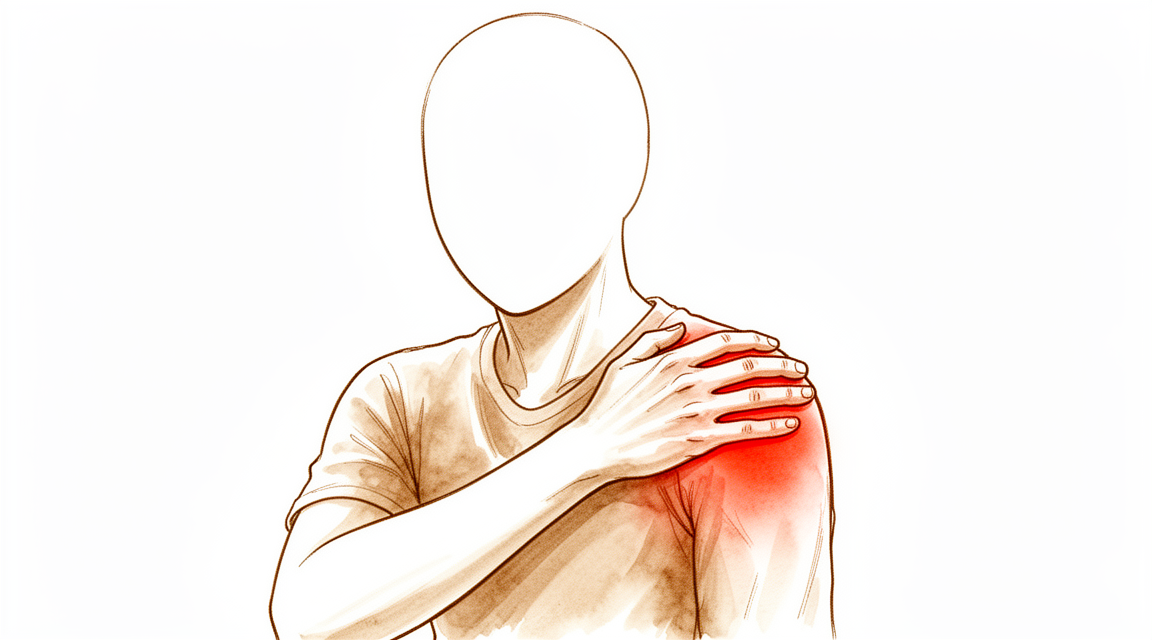
Frozen shoulder (adhesive capsulitis) causes pain and stiffness, progressing through freezing, frozen, and thawing phases.
What you're feeling
You likely have a gradual onset of diffuse shoulder pain that worsens over weeks to months. The pain is usually worse at night and is exacerbated by lying on the affected side. As you use your arm less, pain leads to stiffness. You may seek pain relief by restricting movement, which heralds the beginning of the stiffness phase.
The stiffness phase of primary frozen shoulder usually lasts 4 to 12 months. As stiffness progresses, a dull ache is present nearly all the time, especially at night. Sharp pain during range of motion at or near the new endpoints of motion often accompanies the dull ache. You may describe difficulty with activities of daily living, such as men having trouble getting to their wallets in their back pockets and women having trouble with fastening brassieres.
The thawing phase of frozen shoulder lasts for weeks or months. As motion increases during the thawing phase, pain diminishes. Without treatment other than benign neglect, motion return is gradual in most patients but may never objectively return to normal. Most patients subjectively feel near normal after the thawing phase, perhaps as a result of compensation or adjustment in ways of performing activities of daily living.
What's actually happening
Frozen shoulder is a condition where the joint capsule—the flexible sleeve that wraps around your shoulder joint—becomes thick, tight, and inflamed. This tightening restricts your movement and causes significant pain. It can happen on its own without any prior injury or existing shoulder problems. It can also occur after an injury, such as a fracture or soft tissue damage, though the pattern of symptoms may differ.
In the most common form, the condition progresses through three distinct phases. The first phase is pain. You will feel a gradual, diffuse ache that worsens over weeks to months. This pain is often worse at night and makes it difficult to sleep on the affected side. This painful stage typically lasts 10 to 36 weeks.
The second phase is stiffness. You may naturally move less to avoid pain, which leads to further tightening. This phase usually lasts 4 to 12 months. During this time, you might struggle with daily tasks, such as reaching into back pockets or fastening a bra. A dull ache may be present nearly all the time, especially at night. You may also feel sharp pain when you try to move your arm near its new, limited range.
The third phase is thawing. Over weeks or months, your motion gradually increases and the pain diminishes. Without specific treatment, this natural recovery process can take about 18 months in total. While most patients feel near normal by this stage, your motion may not fully return to how it was before.
The tightening is caused by changes in the tissue itself. Cells that build scar tissue become overactive in the structures around your shoulder joint. This leads to a loss of elasticity and increased stiffness. While X-rays usually look normal, this internal thickening is what limits your movement. Your surgeon diagnoses this by observing that no other injury or disease explains your specific loss of motion.
What we can do about it
Your journey through frozen shoulder usually follows three phases: pain, stiffness, and thawing. In the first phase, you may feel a gradual, diffuse pain that worsens at night or when lying on the affected side. Your surgeon will likely recommend starting with self-management and physiotherapy. Gentle movement and supervised exercises help maintain what motion you have and prevent further tightening. Most patients experience resolution with these nonoperative measures in a relatively short period. However, be aware that without treatment other than benign neglect, motion return is gradual and may never objectively return to normal. You might feel near normal eventually, often by adjusting how you perform daily tasks.
If gentle movement does not provide enough relief, your surgeon may suggest medical management to control pain and inflammation. Intra-articular steroid injections are effective and safe for frozen shoulder. They relieve pain, improve functional performance, and increase your range of motion. These injections can be given as a single shot or at multiple sites within the shoulder joint. For some patients, hydrodilatation (injecting fluid to stretch the capsule) is also used. If you cannot tolerate more than 20 mL of injection during this procedure, further treatment may be indicated in 41% of cases. Recurrence is more common in primary frozen shoulder (33%) compared to secondary frozen shoulder (16%). Your surgeon will choose the best option based on your specific symptoms and phase of the condition.
Surgery is considered only when conservative care has reached its limit and symptoms persist. Early surgical intervention might shorten the overall duration of your symptoms. Options may include manipulation under anesthesia, where your surgeon gently moves your arm to break up scar tissue, or arthroscopic capsular release, which involves carefully cutting tight parts of the shoulder capsule. A combination of limited capsular release and manipulation is a safe and effective procedure that results in marked improvement in pain, function, and range of motion. These interventions are suitable for patients with refractory frozen shoulder who have not responded to other treatments. Your surgeon will discuss whether these steps are appropriate for you based on your progress and the severity of your stiffness.
What to expect
Frozen shoulder is a painful and stiffening condition that typically unfolds in three phases: pain, stiffness, and thawing. In the first phase, you will likely feel a gradual, diffuse ache that worsens at night or when lying on the affected side. This pain often lasts for weeks to months. As the condition moves into the stiffness phase, you may restrict your movement to avoid pain. This phase usually lasts 4 to 12 months. During this time, you might find daily tasks difficult, such as reaching into a back pocket or fastening a bra. You may also feel a dull ache nearly all the time, along with sharp pain when you try to move your shoulder near its limit.
The final phase is the thawing stage, which lasts for weeks or months. As your motion gradually increases, the pain diminishes. Most patients subjectively feel near normal during this time, often because they have adjusted how they perform daily activities. However, without treatment, the return of motion is slow. In some cases, motion may never objectively return to normal. The condition generally resolves gradually over 1 to 3 years. Despite this natural resolution, persistent limitation occurs in 50% to 60% of patients. In the long term, 59% of patients have normal or near-normal shoulders, while 41% report some ongoing symptoms.
Treatment can help manage your symptoms and improve function. Early surgical intervention might shorten the overall duration of your symptoms and does not lead to worse outcomes compared to waiting. Procedures like manipulation under anaesthesia or arthroscopic capsular release can improve motion and function, with benefits maintained in the long term. If you have diabetes, your surgeon may discuss specific considerations, as high blood glucose levels are a likely risk factor. While most patients improve significantly, a high percentage still present with some impaired range of movement even at long-term follow-up. Your surgeon will work with you to choose the best path forward based on your specific needs and symptom duration.
When to see someone
See your GP if you have progressive shoulder pain that worsens at night or prevents sleep. Ask for a specialist review if stiffness limits daily tasks, such as fastening clothing or reaching your back pocket. Symptoms typically last 1 to 3 years, but untreated stiffness may persist for another 6–12 months before gradually improving. Most patients feel near normal after this period, though motion may never fully return to normal. Seek care if you experience weakness, locking, or sudden worsening. Persistent limitation occurs in 50% to 60% of cases. Early intervention can shorten symptom duration. Your surgeon will check for underlying conditions like diabetes, which is a likely risk factor.
Evidence & references
title: "Frozen Shoulder" slug: frozen-shoulder region: shoulder audience: patient mesh_terms: ["Bursitis", "Shoulder Pain", "Injections, Intra-Articular", "Adrenal Cortex Hormones", "Diabetes Mellitus", "Manipulation, Orthopedic", "Rotator Cuff", "Triamcinolone"] article_count: 353 model_used: Qwen3.6-35B-A3B-Q8_0.gguf generated_at: '2026-06-16T19:22:59+00:00' key_articles: - title: "Lessons learnt from the painful shoulder; a case series of malignant shoulder girdle tumours misdiagnosed as frozen shoulder" ref_num: 1 evidence_tier: paper evidence_level: 4 doi: 10.1186/1477-7800-2-2 year: 2005 - title: "British Elbow and Shoulder Society patient care pathway: Frozen shoulder" ref_num: 2 evidence_tier: paper evidence_level: 1 doi: 10.1177/17585732251335955 year: 2025 - title: "Is the Frozen Shoulder Classification a Reliable Assessment?" ref_num: 5 evidence_tier: paper evidence_level: 4 doi: 10.5397/cise.2018.21.2.82 year: 2018 - title: "Frozen shoulder – A stiff problem that requires a flexible approach" ref_num: 6 evidence_tier: paper doi: 10.1016/j.maturitas.2014.02.009 year: 2014 - title: "Correlations of magnetic resonance imaging findings with clinical symptom severity and prognosis of frozen shoulder" ref_num: 7 evidence_tier: paper evidence_level: 4 doi: 10.1007/s00167-015-3887-y year: 2015 - title: "Diabetes as a Prognostic Factor in Frozen Shoulder: A Systematic Review" ref_num: 8 evidence_tier: paper evidence_level: 2 doi: 10.1016/j.arrct.2021.100141 year: 2021 - title: "Comparative proteome analysis of the capsule from patients with frozen shoulder" ref_num: 9 evidence_tier: paper evidence_level: 5 doi: 10.1016/j.jse.2018.03.010 year: 2018 - title: "What Is the Right Timing for Arthroscopic Capsular Release of a Frozen Shoulder? Letter to the Editor" ref_num: 10 evidence_tier: paper evidence_level: 5 doi: 10.1177/2325967120903710 year: 2020 - title: "The role of 18F‐FDG PET/CT in the diagnosis of frozen shoulder" ref_num: 11 evidence_tier: paper evidence_level: 2 doi: 10.1007/s00167-020-05937-2 year: 2020 - title: "Frozen shoulder contracture syndrome – Aetiology, diagnosis and management" ref_num: 12 evidence_tier: paper evidence_level: 5 doi: 10.1016/j.math.2014.07.006 year: 2015 - title: "Clinical effectiveness of non-surgical interventions for primary frozen shoulder: A systematic review" ref_num: 14 evidence_tier: paper evidence_level: 1 doi: 10.2340/16501977-2578 year: 2019 - title: "Frozen Shoulder: Current Concepts" ref_num: 15 evidence_tier: paper evidence_level: 4 doi: 10.3109/03009749009096786 year: 1990 - title: "Managing Idiopathic Frozen Shoulder: A Survey of Health Professionals' Current Practice and Research Priorities" ref_num: 16 evidence_tier: paper evidence_level: 4 doi: 10.1111/j.1758-5740.2010.00073.x year: 2010 - title: "Recurrence of frozen shoulder after manipulation under anaesthetic (MUA)" ref_num: 17 evidence_tier: paper evidence_level: 4 doi: 10.1302/0301-620x.99b6.bjj-2016-1133.r1 year: 2017 - title: "Does the timing of surgical intervention impact the clinical outcomes and overall duration of symptoms in frozen shoulder?" ref_num: 19 evidence_tier: paper evidence_level: 3 doi: 10.1016/j.jse.2020.07.023 year: 2021 - title: "Frozen shoulder: A systematic review of therapeutic options" ref_num: 21 evidence_tier: paper evidence_level: 4 doi: 10.5312/wjo.v6.i2.263 year: 2015 - title: "Long-Term Outcomes Following Manipulation Under Anaesthetic for Patients with Primary and Secondary Frozen Shoulder" ref_num: 22 evidence_tier: paper evidence_level: 3 doi: 10.1177/17585732211070007 year: 2021 - title: "Subscapularis pyomyositis presenting as shoulder stiffness mistaken as frozen shoulder in young female: a case report" ref_num: 23 evidence_tier: paper evidence_level: 5 doi: 10.1016/j.radcr.2020.08.006 year: 2020 - title: "The pathophysiology associated with primary (idiopathic) frozen shoulder: A systematic review" ref_num: 25 evidence_tier: paper evidence_level: 1 doi: 10.1186/s12891-016-1190-9 year: 2016 - title: "Frozen Shoulder" ref_num: 28 evidence_tier: paper evidence_level: 4 doi: 10.1177/1758573215601779 year: 2015 - title: "Frozen shoulder after simple arthroscopic shoulder procedures" ref_num: 29 evidence_tier: paper evidence_level: 3 doi: 10.1302/0301-620x.97b7.35387 year: 2015 - title: "Long-term outcome of frozen shoulder" ref_num: 30 evidence_tier: paper evidence_level: 3 doi: 10.1016/j.jse.2007.05.009 year: 2008 - title: "Is routine magnetic resonance imaging necessary in patients with clinically diagnosed frozen shoulder? Utility of magnetic resonance imaging in frozen shoulder" ref_num: 31 evidence_tier: paper evidence_level: 4 doi: 10.1016/j.jseint.2022.05.009 year: 2022 - title: "What is the most effective treatment for frozen shoulder?" ref_num: 32 evidence_tier: paper evidence_level: 1 doi: 10.1136/bmj.i4162 year: 2016 - title: "Effect of Preoperative Frozen Shoulder on Clinical Outcomes After Arthroscopic Rotator Cuff Repair" ref_num: 33 evidence_tier: paper evidence_level: 3 doi: 10.1177/2325967120934449 year: 2020 - title: "Recurrence of the frozen shoulder after hydrodilatation, what is the true incidence?" ref_num: 34 evidence_tier: paper evidence_level: 4 doi: 10.1177/17585732221124914 year: 2022 - title: "Primary Frozen Shoulder Syndrome: Arthroscopic Capsular Release" ref_num: 35 evidence_tier: paper doi: 10.1016/j.eats.2015.06.004 year: 2015 - title: "Clinical outcome of arthroscopic capsular release for frozen shoulder: essential technical points in 255 patients" ref_num: 36 evidence_tier: paper evidence_level: 4 doi: 10.1186/s13018-018-0758-5 year: 2018 - title: "Imaging of the Shoulder with Arthroscopic Correlation" ref_num: 37 evidence_tier: paper evidence_level: 4 doi: 10.1016/j.csm.2013.03.009 year: 2013 - title: "Definition, Diagnosis, Treatment, and Prognosis of Frozen Shoulder: A Consensus Survey of Shoulder Specialists" ref_num: 38 evidence_tier: paper evidence_level: 4 doi: 10.4055/cios.2020.12.1.60 year: 2020 - title: "Frozen shoulder after COVID-19 vaccination versus idiopathic frozen shoulder: similar clinical features and functional improvement at 1-year follow-up" ref_num: 39 evidence_tier: paper evidence_level: 4 doi: 10.1016/j.xrrt.2023.09.013 year: 2024 - title: "Tumors masked as frozen shoulders: A retrospective analysis" ref_num: 40 evidence_tier: paper evidence_level: 2 doi: 10.1016/j.jse.2009.05.010 year: 2010 - title: "Frozen shoulder after COVID-19 vaccination" ref_num: 41 evidence_tier: paper evidence_level: 4 doi: 10.1016/j.jseint.2022.02.013 year: 2022 - title: "A central nervous system-focused treatment approach for people with frozen shoulder: protocol for a randomized clinical trial" ref_num: 42 evidence_tier: paper doi: 10.1186/s13063-019-3585-z year: 2019 - title: "Representative survey of frozen shoulder questionnaire responses from the Japan Shoulder Society: What are the appropriate diagnostic terms for primary idiopathic frozen shoulder, stiff shoulder or frozen shoulder?" ref_num: 43 evidence_tier: paper evidence_level: 4 doi: 10.1016/j.jos.2018.12.012 year: 2019 - title: "Shoulder kinematics in subjects with frozen shoulder11No commercial party having a direct financial interest in the results of the research supporting this article has or will confer a benefit upon the author(s) or upon any organization with which the author(s) is/are associated." ref_num: 44 evidence_tier: paper evidence_level: 4 doi: 10.1016/s0003-9993(03)00359-9 year: 2003 - title: "Conservative Treatment for Frozen Shoulder Is Effective Regardless of the Severity of Symptoms" ref_num: 45 evidence_tier: paper evidence_level: 3 doi: 10.1016/j.asmr.2025.101149 year: 2025 - title: "Editorial Commentary: Corticosteroid Injections and Physical Therapy Are Effective First-Line Treatments for Frozen Shoulder" ref_num: 46 evidence_tier: commentary evidence_level: 5 doi: 10.1016/j.arthro.2021.02.028 year: 2021 - title: "Comparative effectiveness of low-level laser therapy versus muscle energy technique among diabetic patients with frozen shoulder: a study protocol for a parallel group randomised controlled trial" ref_num: 47 evidence_tier: paper evidence_level: 2 doi: 10.1186/s13018-024-04735-7 year: 2024 - title: "Intra-articular Steroid Injection for Frozen Shoulder: A Systematic Review and Meta-analysis of Randomized Controlled Trials With Trial Sequential Analysis" ref_num: 48 evidence_tier: paper evidence_level: 1 doi: 10.1177/0363546516669944 year: 2016 - title: "A Multisite Injection Is More Effective Than a Single Glenohumeral Injection of Corticosteroid in the Treatment of Primary Frozen Shoulder: A Randomized Controlled Trial" ref_num: 49 evidence_tier: paper evidence_level: 1 doi: 10.1016/j.arthro.2021.01.069 year: 2021 - title: "Mid-term outcomes of prospective clinical trial of transcatheter arterial micro embolization (TAME) for resistant frozen shoulder" ref_num: 50 evidence_tier: abstract evidence_level: 2 doi: 10.1016/j.jse.2016.11.031 year: 2017 - title: "Manipulation under anesthesia versus physiotherapy treatment in stage two of a frozen shoulder: a study protocol for a randomized controlled trial" ref_num: 51 evidence_tier: paper evidence_level: 2 doi: 10.1186/s12891-017-1763-2 year: 2017 - title: "In Frozen Shoulder, US-Guided Versus Blind Administration of Intra-Articular Corticosteroid Injections Increased Accuracy of Injections but Did Not Improve Clinical Outcomes at 12 Weeks" ref_num: 52 evidence_tier: paper evidence_level: 1 doi: 10.2106/jbjs.21.01007 year: 2021 - title: "The clinical course and outcomes following arthroscopic frozen shoulder 360° release" ref_num: 53 evidence_tier: paper evidence_level: 4 doi: 10.1016/j.jseint.2024.07.006 year: 2024 - title: "Incidence and prognostic factors for postoperative frozen shoulder after shoulder surgery: a prospective cohort study" ref_num: 54 evidence_tier: paper evidence_level: 2 doi: 10.1007/s00402-016-2589-3 year: 2017 - title: "Limited capsular release and controlled manipulation under anaesthesia for the treatment of frozen shoulder" ref_num: 55 evidence_tier: paper evidence_level: 4 doi: 10.1177/1758573215578590 year: 2015 - title: "Glenohumeral joint tuberculosis that mimics frozen shoulder: a retrospective analysis" ref_num: 56 evidence_tier: paper evidence_level: 4 doi: 10.1016/j.jse.2011.07.026 year: 2012 - title: "Trends in Practice Among Shoulder Specialists in the Management of Frozen Shoulder: A Consensus Survey" ref_num: 57 evidence_tier: paper evidence_level: 4 doi: 10.1177/23259671221118834 year: 2022 - title: "Frozen Shoulder: MR Arthrographic Findings" ref_num: 58 evidence_tier: paper evidence_level: 4 doi: 10.1148/radiol.2332031219 year: 2004 - title: "Shoulder proprioception – lessons we learned from idiopathic frozen shoulder" ref_num: 59 evidence_tier: paper evidence_level: 3 doi: 10.1186/s12891-016-0971-5 year: 2016 - title: "Indications for hydrodilatation for frozen shoulder" ref_num: 60 evidence_tier: paper evidence_level: 5 doi: 10.1302/2058-5241.2.160061 year: 2017 - title: "The puzzling pathophysiology of frozen shoulders – a scoping review" ref_num: 62 evidence_tier: paper evidence_level: 5 doi: 10.1186/s40634-020-00307-w year: 2020 - title: "The management of secondary frozen shoulder after anterior shoulder dislocation – The results of manipulation under anaesthesia and injection" ref_num: 64 evidence_tier: paper evidence_level: 4 doi: 10.1016/j.jor.2015.01.030 year: 2016 - title: "The effectiveness of ultrasound guided hydrodistension and physiotherapy in the treatment of frozen shoulder/adhesive capsulitis in primary care: a single centre service evaluation" ref_num: 66 evidence_tier: paper evidence_level: 4 doi: 10.1177/1758573217701063 year: 2017 - title: "Improved range of motion after manipulation under anesthesia versus physiotherapy for stage two frozen shoulder: a randomized controlled trial" ref_num: 68 evidence_tier: paper evidence_level: 1 doi: 10.1016/j.jseint.2023.11.004 year: 2024 - title: "The Natural History of Idiopathic Frozen Shoulder: A 2- to 27-year Followup Study" ref_num: 69 evidence_tier: paper evidence_level: 4 doi: 10.1007/s11999-011-2176-4 year: 2012 - title: "Arthroscopic capsular release versus manipulation under anesthesia for primary frozen shoulder" ref_num: 70 evidence_tier: paper evidence_level: 5 doi: 10.5397/cise.2020.00311 year: 2020 - title: "Can magnetic resonance imaging distinguish clinical stages of frozen shoulder? A state-of-the-art review" ref_num: 71 evidence_tier: paper evidence_level: 5 doi: 10.1016/j.xrrt.2024.05.002 year: 2024 - title: "Ultrasound Guıded Multisıte Injectıon Technıque in the Treatment of Frozen Shoulder" ref_num: 72 evidence_tier: paper evidence_level: 5 doi: 10.1016/j.eats.2022.06.020 year: 2022 - title: "Characteristics of dynamic magnetic resonance imaging of idiopathic severe frozen shoulder" ref_num: 73 evidence_tier: paper evidence_level: 4 doi: 10.1016/j.jse.2016.06.003 year: 2017 - title: "An Overview of Factors Relevant to Undertaking Research and Reviews on the Effectiveness of Treatment for Frozen Shoulder" ref_num: 74 evidence_tier: paper evidence_level: 2 doi: 10.1111/j.1758-5740.2010.00067.x year: 2010 - title: "Pathomechanics of glenohumeral capsule and scapula in idiopathic frozen shoulder: a study using a three-dimensional finite element model" ref_num: 75 evidence_tier: paper evidence_level: 5 doi: 10.1016/j.jseint.2025.04.003 year: 2025 - title: "Reduction of abnormal blood flow in frozen shoulder after shoulder manipulation under ultrasound-guided cervical nerve root block: semiquantitative analysis using dynamic magnetic resonance imaging" ref_num: 77 evidence_tier: paper evidence_level: 4 doi: 10.1016/j.jseint.2021.12.007 year: 2022 - title: "The immediate effect of muscle release intervention on muscle activity and shoulder kinematics in patients with frozen shoulder: a cross-sectional, exploratory study" ref_num: 78 evidence_tier: paper evidence_level: 4 doi: 10.1186/s12891-017-1867-8 year: 2017 - title: "Inferior glenohumeral joint capsule thickness in frozen shoulder via ultrasonography" ref_num: 79 evidence_tier: paper evidence_level: 3 doi: 10.1016/j.jseint.2024.06.004 year: 2024 - title: "Three-dimensional scapular kinematics and scapulohumeral rhythm in patients with glenohumeral osteoarthritis or frozen shoulder" ref_num: 80 evidence_tier: paper evidence_level: 4 doi: 10.1016/j.jbiomech.2007.09.004 year: 2008 - title: "Synovial response to intraarticular injections of hyaluronate in frozen shoulder: a quantitative assessment with dynamic magnetic resonance imaging" ref_num: 81 evidence_tier: paper evidence_level: 4 doi: 10.1007/s00776-004-0766-7 year: 2004 - title: "Is frozen shoulder completely resolved at 2 years after the onset of disease?" ref_num: 82 evidence_tier: paper evidence_level: 2 doi: 10.1016/j.jos.2019.03.011 year: 2020 - title: "Causal associations of hypothyroidism with frozen shoulder: a two-sample bidirectional Mendelian randomization study" ref_num: 85 evidence_tier: paper evidence_level: 2 doi: 10.1186/s12891-024-07826-y year: 2024 - title: "Image-guided versus blind corticosteroid injections in adults with shoulder pain: A systematic review" ref_num: 86 evidence_tier: paper evidence_level: 1 doi: 10.1186/1471-2474-12-137 year: 2011 - title: "Magnetic resonance imaging and short-term clinical results of severe frozen shoulder treated with manipulation under ultrasound-guided cervical nerve root block" ref_num: 87 evidence_tier: paper evidence_level: 4 doi: 10.1016/j.jse.2015.06.019 year: 2016 - title: "Brief Note The Natural History of 'Idiopathic' Frozen Shoulder" ref_num: 88 evidence_tier: paper evidence_level: 4 doi: 10.2106/00004623-197860040-00030 year: 1978 - title: "The natural history of 'idiopathic' frozen shoulder." ref_num: 89 evidence_tier: paper evidence_level: 4 doi: 10.2106/00004623-197860040-00029 year: 1978 - title: "Does the timing of shoulder manipulation under ultrasound-guided cervical nerve root block for frozen shoulder affect the clinical outcome?" ref_num: 90 evidence_tier: paper evidence_level: 4 doi: 10.1016/j.jos.2020.11.002 year: 2022 synthesis_version: "v2" verifier_status: skipped
Overview
- Frozen shoulder management guidelines provide evidence-based guidance and identify key areas for future research [2].
- Magnetic resonance imaging findings in frozen shoulder should not replace clinical judgments regarding prognosis and treatment decisions [7].
- Clinicians should monitor frozen shoulder patients with diabetes more closely and offer further treatment if pain or lack of function persist long-term [8].
- Different treatment strategies for frozen shoulder may be appropriate depending on the location [9].
- A strict definition of recalcitrant idiopathic frozen shoulder is needed to prevent unnecessary interventions, as current data should not be interpreted as a plea for surgery in patients with a mean symptom duration of 4 months [10].
- The variety of participants, methods, interventions, and outcomes across trials provides limited new evidence to inform the non-surgical management and treatment of frozen shoulder [14].
- Patients with a poor outcome or recurrent symptoms after manipulation under anaesthetic (MUA) should be offered a further MUA, with an expectation of a good outcome and a low complication rate [17].
- Early surgical intervention might shorten the overall duration of symptoms in frozen shoulder and is not associated with inferior clinical outcomes compared with late surgical intervention [19].
- There is insufficient evidence to reliably recommend a single treatment approach for frozen shoulder [32].
- Further treatment was indicated in 41% of patients who could not tolerate more than 20 mL of injection during hydrodilatation [34].
- Recurrence of frozen shoulder was more common in primary (33%) versus secondary (16%) cases [34].
- Arthroscopic capsular release is a suitable option for refractory primary frozen shoulder syndrome, leading to faster and long-lasting recovery [35].
- Manipulation under anaesthetic (MUA) and arthroscopic capsular release (ACR) are both good treatment options for primary frozen shoulder [70].
- MUA is simpler but carries risks of serious complications, whereas ACR may be safer if performed by experienced surgeons and is convenient for patients with combined rotator cuff tears [70].
Anatomy & Pathophysiology
- Primary (idiopathic) frozen shoulder consists of three phases: pain, stiffness, and thawing [3].
- Secondary frozen shoulders may not exhibit all three phases and may not follow the exact chronology of primary frozen shoulder [3].
- The pain phase of primary frozen shoulder involves a gradual onset of diffuse shoulder pain that is progressive over weeks to months [3].
- Pain in the initial phase is usually worse at night and exacerbated by lying on the affected side [3].
- Reduced arm use due to pain leads to stiffness [3].
- The stiffness phase begins when patients restrict movement to seek pain relief and usually lasts 4 to 12 months [3].
- During the stiffness phase, patients experience difficulty with activities of daily living, such as men accessing back pockets or women fastening brassieres [3].
- A dull ache is present nearly all time during the stiffness phase, especially at night, often accompanied by sharp pain during range of motion at or near new endpoints [3].
- The thawing phase lasts for weeks or months, during which motion increases and pain diminishes [3].
- Without treatment, motion return in the thawing phase is gradual and may never objectively return to normal, although most patients subjectively feel near normal [3].
- Frozen shoulder is characterized by progressive pain and stiffness that usually resolves spontaneously after about 18 months [4].
- Histological features of frozen shoulder are reminiscent of Dupuytren’s disease, with active fibroblastic and myofibroblastic proliferation in the rotator interval, anterior capsule, and coracohumeral ligament [4].
- Conditions particularly associated with frozen shoulder include diabetes, Dupuytren’s disease, hyperlipidaemia, hyperthyroidism, cardiac disease, and hemiplegia [4].
- The etiology of frozen shoulder is still not known and understanding of the pathogenesis is limited [15].
- Frozen shoulder is a poorly understood condition that typically involves substantial pain, movement restriction, and considerable morbidity [12].
- The pathophysiology of frozen shoulder is complex, involving various pathophysiologic mechanisms [62].
- A systematic review summarizes the tissue pathophysiology of primary frozen shoulder [25].
- Primary frozen shoulder is defined by total elevation restricted to 135° or less [20].
- In primary frozen shoulder, motion restriction is localized to the humero-scapular joint [20].
- Primary frozen shoulder excludes cases with post-traumatic conditions, rheumatoid arthritis, osteoarthritis, hemiplegia, or other obvious changes explaining the range of motion decrease [20].
- Secondary frozen shoulder involves decreased range of motion following a traumatic lesion, including soft tissue injury, intra- and juxtaarticular fractures, and other upper limb fractures [20].
- Symptomatic subjects with frozen shoulder demonstrate substantial kinematic deficits during humeral range of motion [44].
- Patients with frozen shoulder present with altered shoulder muscle activity and kinematics [78].
- Pathomechanics of frozen shoulder are characterized by glenohumeral motion limitations, high tension in the anteroinferior glenohumeral capsule, and altered scapular motion [75].
- The scapulohumeral rhythm (SHR) of the affected shoulder is inversely related to the severity of limitation of shoulder range of motion, suggesting a compensatory pattern [80].
- The anatomical structure of passive shoulder restraints has no impact on the difference in passive joint position sense values between external and internal rotation in frozen shoulder [59].
- The thickness of the inferior glenohumeral joint capsule in the 80° scapular plane elevated arm position is a highly reliable and valid method for assessment [79].
- Imaging is an essential tool for evaluation of patients with shoulder pain to understand the extent of injury [37].
- X-rays in frozen shoulder are normal, and their main role is to exclude other causes of pain and stiffness [4].
- Post-traumatic stiffness may persist for some months after severe shoulder injury but is maximal at the start and gradually lessens, unlike the pattern of frozen shoulder [4].
- Disuse stiffness can occur if the arm is nursed overcautiously, such as following a wrist fracture, but lacks the characteristic pain pattern of frozen shoulder [4].
- Complex regional pain syndrome may follow acute trauma or be seen in patients with myocardial infarction or stroke, presenting features similar to frozen shoulder [4].
- Rheumatoid arthritis and osteoarthritis can affect the shoulder and develop bilaterally, with diagnosis usually obvious on X-ray [4].
- Shoulder stiffness is a typical outcome after bone or soft tissue injuries around the shoulder, including contusions, subluxations, dislocations, acromioclavicular joint injuries, clavicle and scapula fractures, and proximal humerus fractures in the elderly [61].
- Repetitive, low-level trauma can cause localized contractures leading to motion loss in specific patterns [61].
- Isolated posterior capsular contracture is the most commonly described localized contracture causing motion loss [61].
- Surgical procedures such as anterior or posterior capsulorrhaphy, inferior capsular shift, and rotator cuff surgery can result in limitation of motion [61].
Classification
- Frozen shoulder is a specific, painful, and debilitating condition affecting patients mainly in middle age [6].
- Frozen shoulder is a poorly understood condition that typically involves substantial pain, movement restriction, and considerable morbidity [12].
- Most patients clinically diagnosed with primary frozen shoulder had undiagnosed systemic abnormalities and/or intra-articular pathologies [5].
- Different treatment strategies for frozen shoulder may be appropriate depending on the location [9].
- 18F-FDG PET/CT is clinically relevant in diagnostically challenging cases, such as distinguishing the first phase of frozen shoulder from subacromial impingement [11].
- Health professionals manage frozen shoulders differently for different phases of the condition [16].
- Primary frozen shoulders are defined by total elevation restricted to 135° or less [20].
- In primary frozen shoulder, the restriction of motion is localized to the humero-scapular joint [20].
- Primary frozen shoulder is diagnosed when no findings in case history, clinical examination, or radiological examination explain the decrease in range of motion [20].
- Cases with post-traumatic conditions, rheumatoid arthritis, osteoarthritis, hemiplegia, and other obvious changes are excluded from primary frozen shoulder classification [20].
- Secondary frozen shoulder is characterized by decreased range of motion following a traumatic lesion [20].
- Associated injuries in secondary frozen shoulder include soft tissue injury to the shoulder region, intra- and juxtaarticular fractures, and other fractures of the upper limb [20].
- Frozen shoulder is classified into three consecutive stages according to Reeves [20].
- Stage 1 of frozen shoulder is characterized by pain [20].
- Stage 1 of frozen shoulder has a duration of 10 to 36 weeks [20].
- In Stage 1 of frozen shoulder, there is no difference between men and women, no difference between affected dominant and nondominant shoulders, and no correlation with age [20].
- In the early stages of frozen shoulder, there is a full range of movement under anesthesia [20].
- Classification of frozen shoulder was found to be controversial [38].
- There are lower rates of agreement among Japan Shoulder Society (JSS) members than American Shoulder and Elbow Surgeons (ASES) members for the definition of primary frozen shoulder [43].
- There are lower rates of agreement among JSS members than ASES members for the classification of primary and secondary frozen shoulder [43].
- There are lower rates of agreement among JSS members than ASES members for the divisions of secondary frozen shoulder [43].
- There is disagreement among shoulder specialists regarding terminology for frozen shoulder [57].
Clinical Presentation
- Frozen shoulder is a specific, painful, and debilitating condition that primarily affects patients in middle age [6].
- Frozen shoulder is a common disease that causes significant morbidity [21].
- Frozen shoulder is characterized by severe shoulder pain and functional restriction [24].
- Frozen shoulder has considerable economic impact [28].
- Frozen shoulder typically involves substantial pain, movement restriction, and considerable morbidity [12].
- Frozen shoulder affects approximately 4% of the general population [24].
- Frozen shoulder affects up to 59% of patients with diabetes mellitus [24].
- The disease duration of frozen shoulder varies between 1 and 3 years [24].
- The clinical course of primary (idiopathic) frozen shoulder consists of three phases: pain, stiffness, and thawing [3].
- Secondary frozen shoulders may not exhibit all three phases and may not follow the exact chronology of primary frozen shoulder [3].
- Primary frozen shoulder is characterized by progressive pain and stiffness which usually resolves spontaneously after about 18 months [4].
- In Phase I (Pain), patients experience a gradual onset of diffuse shoulder pain that is progressive over weeks to months [3].
- The pain in Phase I is usually worse at night and exacerbated by lying on the affected side [3].
- In Phase II (Stiffness), patients restrict movement to seek pain relief, leading to stiffness that usually lasts 4 to 12 months [3].
- During Phase II, patients have difficulty with activities of daily living, such as men reaching back pockets or women fastening brassieres [3].
- In Phase II, a dull ache is present nearly all the time, especially at night, often accompanied by sharp pain during range of motion at or near new endpoints [3].
- In Phase III (Thawing), motion increases and pain diminishes over weeks or months [3].
- Without treatment, motion return in Phase III is gradual and may never objectively return to normal, though patients often subjectively feel near normal [3].
- The natural history of frozen shoulder involves pain that increases in severity, prevents sleeping on the affected side, and subsides after several months [4].
- As pain subsides in frozen shoulder, stiffness becomes more prominent and persists for another 6–12 months if untreated [4].
- Movement is gradually regained in frozen shoulder but may not return to normal [4].
- Patients with frozen shoulder are typically aged 40–60 years [4].
- Patients with frozen shoulder may give a history of trauma, often trivial, followed by pain [4].
- Physical examination of frozen shoulder usually reveals slight muscle wasting and tenderness [4].
- Movements in frozen shoulder are always limited, and the shoulder may be extremely stiff in severe cases [4].
- X-rays in frozen shoulder are normal; their main role is to exclude other causes of pain and stiffness [4].
- Post-traumatic stiffness is characterized by stiffness without much pain that is maximal at the start and gradually lessens, unlike the pattern of frozen shoulder [4].
- Disuse stiffness occurs if the arm is nursed overcautiously and lacks the characteristic pain pattern of frozen shoulder [4].
- Complex regional pain syndrome may follow acute trauma or occur in patients with myocardial infarction or stroke, presenting features similar to frozen shoulder [4].
- Rheumatoid arthritis and osteoarthritis can affect the shoulder bilaterally and are usually obvious on X-ray [4].
- Primary frozen shoulder is defined by total elevation restricted to 135° or less [20].
- In primary frozen shoulder, motion restriction is localized to the humero-scapular joint [20].
- Primary frozen shoulder excludes cases with post-traumatic conditions, rheumatoid arthritis, osteoarthritis, hemiplegia, or other obvious changes in history or examination [20].
- Secondary frozen shoulder involves decreased range of motion following a traumatic lesion, such as soft tissue injury or fractures of the upper limb [20].
- Stage 1 (pain) of frozen shoulder lasts 10 to 36 weeks [20].
- In Stage 1 of frozen shoulder, there is no difference in presentation between men and women, affected dominant and nondominant shoulders, or correlation with age [20].
- In the early stages of frozen shoulder, there is a full range of movement under anesthesia [20].
- Frozen shoulder following COVID-19 vaccination may present with clinical features similar to idiopathic frozen shoulder [39].
- Frozen shoulder can occur after COVID-19 vaccination [41].
- Frozen shoulder is particularly associated with diabetes, Dupuytren’s disease, hyperlipidaemia, hyperthyroidism, cardiac disease, and hemiplegia [4].
- Most patients clinically diagnosed with primary frozen shoulder had undiagnosed systemic abnormalities and/or intra-articular pathologies [5].
- MR findings in frozen shoulder should not replace clinical judgments regarding further prognosis and treatment decisions [7].
- 18F-FDG PET/CT is clinically relevant in diagnostically challenging cases, such as distinguishing the first phase of frozen shoulder from subacromial impingement [11].
- Unusual stiffness and pain in the shoulder of a young female patient suggests a wide range of disease entities, including infection [23].
- Misdiagnosing shoulder tumors as frozen shoulder syndrome is likely to cause a significant delay in making a correct diagnosis [40].
- A detailed clinical history and examination is critical in the assessment of a painful, stiff shoulder to avoid misdiagnosis of conditions like malignant shoulder girdle tumours [1].
Investigations
- A detailed clinical history and examination is critical in the assessment of a painful, stiff shoulder [1].
- Frozen shoulder is a specific, painful and debilitating condition affecting patients mainly in middle age [6].
- The term frozen shoulder should be reserved for a well-defined disorder characterized by progressive pain and stiffness which usually resolves spontaneously after about 18 months [4].
- The histological features of frozen shoulder are reminiscent of Dupuytren’s disease, with active fibroblastic and myofibroblastic proliferation in the rotator interval, anterior capsule and coracohumeral ligament [4].
- Conditions particularly associated with frozen shoulder include diabetes, Dupuytren’s disease, hyperlipidaemia, hyperthyroidism, cardiac disease, and hemiplegia [4].
- Patients with frozen shoulder are typically aged 40–60 years [4].
- Patients may give a history of trauma, often trivial, followed by pain that gradually increases in severity and often prevents sleeping on the affected side [4].
- Pain begins to subside after several months, but stiffness becomes more problematic; untreated stiffness persists for another 6–12 months before movement is gradually regained, which may not return to normal [4].
- Clinical examination usually reveals slight muscle wasting and tenderness, with always limited movements and extreme stiffness in severe cases [4].
- X-rays are normal in frozen shoulder, and their main role is to exclude other causes of pain and stiffness [4].
- Post-traumatic stiffness may persist for some months after severe shoulder injury but is maximal at the start and gradually lessens, unlike the pattern of frozen shoulder [4].
- Disuse stiffness may occur if the arm is nursed overcautiously, such as following a wrist fracture, and lacks the characteristic pain pattern of frozen shoulder [4].
- Complex regional pain syndrome may follow acute trauma or be seen in patients with myocardial infarction or stroke, and its features can be similar to those of frozen shoulder [4].
- Both rheumatoid arthritis and osteoarthritis can affect the shoulder, with diagnosis usually obvious on X-ray, and rheumatoid arthritis may present with characteristic generalized symptoms and signs [4].
- Most patients clinically diagnosed with primary frozen shoulder had undiagnosed systemic abnormalities and/or intra-articular pathologies [5].
- MR findings in frozen shoulder should not replace clinical judgments regarding further prognosis and treatment decisions [7].
- 18F-FDG PET/CT is clinically relevant in diagnostically challenging cases, such as distinguishing the first phase of frozen shoulder from subacromial impingement [11].
- Unusual stiffness and pain in the shoulder of a young female patient suggests a wide range of disease entities, from simple frozen shoulder to infection [23].
- Routine use of shoulder MRI scans in patients with frozen shoulder but without suspicion of additional pathology may not be indicated [31].
- Imaging is an essential tool for evaluation of patients with shoulder pain, and understanding the extent of an injury with imaging is key to successful management [37].
- Physicians should re-examine frozen shoulder patients with repeated plain radiographs and further imaging, especially MRI, if conservative therapy fails [56].
- MR arthrography reveals characteristic findings in patients with frozen shoulder [58].
- T2 signal hyperintensity and axillary capsule thickening are characteristic of the early stages of frozen shoulder, although MRI alone cannot completely define the disease stage [71].
- The burning sign is an abnormal finding that appears in dynamic MRI of severe frozen shoulder [73].
- Dynamic MRI semiquantitatively demonstrated a reduction in abnormal blood flow and improvement in clinical results after manipulation under cervical nerve root block (MUC) in patients with frozen shoulder [77].
- Clinical improvement in patients with frozen shoulder was associated with a decrease in the coefficient of enhancement (CE) in the glenohumeral synovium following intraarticular injections of hyaluronate [81].
- There may be a causal relationship between hypothyroidism and frozen shoulder [85].
- Patients who underwent image-guided (ultrasound) injections had statistically significant greater improvement in shoulder pain and function at 6 weeks after injection compared to blind injections [86].
- MR imaging of patients with severe frozen shoulder after MUC showed 29 capsule tears, 4 labrum tears, and 15 bone bruises of the humeral head [87].
Treatment
Non-Operative Management
- Treatment for frozen shoulder aims to improve pain and function through a shared decision-making process, utilizing a step-up approach from conservative measures to invasive treatments if symptoms persist [28].
- Health professionals manage frozen shoulders differently depending on the phase of the condition [16].
- There is insufficient evidence to reliably recommend a single treatment approach for frozen shoulder [32].
- There is limited evidence of the effectiveness of different forms of treatment used for frozen shoulder, with many studies carrying a moderate to high risk of bias and omitting details of symptom duration or condition phase [74].
- The variety of participants, methods, interventions, and outcomes across trials provides limited new evidence to inform non-surgical management [14].
- Conservative treatment is effective for the treatment of frozen shoulder regardless of the severity of symptoms [45].
- Intra-articular steroid injection is effective and safe for frozen shoulder, relieving pain, improving functional performance, and increasing range of motion [48].
- Multisite corticosteroid injection therapy is more effective than single intra-articular injection in terms of pain relief, restoration of motion, and functional status for primary frozen shoulder [46].
- Both multisite and single glenohumeral injections of corticosteroid are effective in patients with primary frozen shoulder [49].
- Ultrasound-guided administration of corticosteroid injections into the glenohumeral joint increases the likelihood of successful injection but does not improve clinical outcomes at 12 weeks compared with blind administration [52].
- Ultrasound-guided multisite injection is a nonsurgical treatment technique for frozen shoulder that emphasizes correct injection sites [72].
- Hydrodilatation has emerged as a potential nonsurgical option in the management of frozen shoulder, but its role has yet to be fully clarified [60].
- Management of frozen shoulder stage II to III using hydrodistension and a guided exercise programme by physiotherapists in primary care is an effective non-operative treatment strategy [66].
- Further treatment was indicated in 41% of patients who could not tolerate more than 20 mL of injection during hydrodilatation [34].
- Recurrence of frozen shoulder after hydrodilatation was more common in primary (33%) versus secondary (16%) frozen shoulder [34].
- A central nervous system-focused treatment approach is being evaluated in a randomized clinical trial to compare effectiveness against standard medical and physical therapy care [42].
- The comparative effectiveness of low-level laser therapy versus muscle energy technique is being evaluated in a randomized controlled trial to determine the optimal treatment approach for frozen shoulder related to diabetes [47].
Operative and Procedural Management
- Secondary frozen shoulder may be more recalcitrant to conventional conservative treatment [64].
- The study on arthroscopic capsular release timing adds information for shared decision-making but should not be a plea for surgery for patients with a mean duration of symptoms of 4 months; a strict definition of recalcitrant idiopathic frozen shoulder is needed to prevent unnecessary interventions [10].
- The arthroscopic 360° release is an effective and safe treatment modality for severe or recalcitrant frozen shoulder [53].
- A combination of limited capsular release and manipulation under anaesthesia (MUA) for primary frozen shoulder is a safe and effective procedure resulting in marked improvement in pain, function, and range of motion [55].
- The mid-term outcomes of transcatheter arterial micro embolization (TAME) for frozen shoulders resistant to conservative treatments are encouraging and warrant further evaluation [50].
- Manipulation under anesthesia versus physiotherapy treatment in stage two of a frozen shoulder is being evaluated in a randomized controlled trial to provide evidence on the best treatment strategy [51].
- Different treatment strategies for frozen shoulder may be appropriate depending on the location of pathology [9].
Complications
- Frozen shoulder is a painful and debilitating condition [6].
- Frozen shoulder causes significant morbidity [21].
- The natural history of primary frozen shoulder consists of three phases: pain, stiffness, and thawing [3].
- Primary frozen shoulder usually resolves spontaneously after about 18 months [4].
- Without treatment, motion return in primary frozen shoulder is gradual and may never objectively return to normal [3].
- In the long term, 41% of patients with frozen shoulder report some ongoing symptoms [30].
- Postoperative frozen shoulder is a serious complication after shoulder surgery with an incidence of 11% [54].
- Preoperative frozen shoulder negatively affects functional outcomes, including range of motion, at 6 months and 1 year postoperatively following arthroscopic rotator cuff repair [33].
- Preoperative frozen shoulder positively affects rotator cuff healing [33].
- Patients with diabetes should be monitored more closely for frozen shoulder, as they may experience persistent pain or lack of function long-term [8].
- An age between 46 and 60 years is a statistically significant risk factor for developing frozen shoulder after simple arthroscopic shoulder procedures [29].
- A previous history of contralateral frozen shoulder is a statistically significant risk factor for developing frozen shoulder after simple arthroscopic shoulder procedures [29].
- Most patients clinically diagnosed with primary frozen shoulder have undiagnosed systemic abnormalities and/or intra-articular pathologies [5].
- Recurrence of frozen shoulder after manipulation under anaesthetic (MUA) can occur, but late recurrence is uncommon [22].
- Patients with poor outcomes or recurrent symptoms after MUA can be offered a further MUA with an expectation of good outcome and low complication rate [17].
Recovery
- Primary (idiopathic) frozen shoulder consists of three phases: Pain, Stiffness, and Thawing [3].
- Secondary frozen shoulders may not exhibit all three phases and may not follow the exact chronology of primary frozen shoulder [3].
- Phase I (Pain) involves a gradual onset of diffuse shoulder pain that is progressive over weeks to months [3].
- Pain in Phase I is usually worse at night and exacerbated by lying on the affected side [3].
- Phase II (Stiffness) usually lasts 4 to 12 months [3].
- During Phase II, patients restrict movement to seek pain relief, leading to difficulty with activities of daily living such as reaching back pockets or fastening brassieres [3].
- Phase II is accompanied by a dull ache present nearly all the time, especially at night, and sharp pain during range of motion at or near new endpoints [3].
- Phase III (Thawing) lasts for weeks or months, during which motion increases and pain diminishes [3].
- Without treatment, motion return in Phase III is gradual in most patients [3].
- Objective motion may never return to normal, although most patients subjectively feel near normal due to compensation or adjustment in activities of daily living [3].
- Frozen shoulder affects approximately 4% of the general population and up to 59% in patients with diabetes mellitus [24].
- The disease duration of frozen shoulder varies between 1 and 3 years [24].
- In the long term, 59% of patients with frozen shoulder have normal or near normal shoulders [30].
- In the long term, 41% of patients with frozen shoulder report some ongoing symptoms [30].
- 94% of patients with spontaneous frozen shoulder recover to normal levels of function and motion without treatment [69].
- Idiopathic frozen shoulder is a self-limiting condition in which symptoms subside and full shoulder movement returns within a maximum of two years from the onset of symptoms [88].
- Idiopathic frozen shoulder is a self-limiting condition in which symptoms subside and full shoulder movement returns within a maximum of two years from the onset of symptoms [89].
- Long-term outcome after manipulation under anaesthetic (MUA) for frozen shoulder is favourable with late recurrence being uncommon [22].
- Patients with poor outcome or recurrent symptoms after MUA should be offered a further MUA with the expectation of a good outcome and a low complication rate [17].
- Arthroscopic capsular release leads to a faster and long-lasting recovery in patients with refractory primary frozen shoulder syndrome [35].
- The long-term results of arthroscopic capsular release in frozen shoulder were confirmed in 255 patients [36].
- MUA in stage 2 frozen shoulder results in a faster recovery of range of motion and improved functional outcome compared to physiotherapy alone in the short term [68].
- MUA in stage 2 frozen shoulder can be considered safe compared to physiotherapy alone in the short term [68].
- Early surgical intervention might shorten the overall duration of symptoms in frozen shoulder [19].
- Early surgical intervention is not associated with inferior clinical outcomes when compared with late surgical intervention [19].
- Timing has a significant influence on the outcome of manipulation for frozen shoulders [90].
- Diabetes is a poor prognostic factor for the conservative treatment of frozen shoulder [82].
- Male sex is a poor prognostic factor for the conservative treatment of frozen shoulder [82].
- Simultaneous bilateral involvement is a poor prognostic factor for the conservative treatment of frozen shoulder [82].
- Subsequent bilateral involvement is a poor prognostic factor for the conservative treatment of frozen shoulder [82].
- A longer duration of symptoms recorded at the first visit is a poor prognostic factor for the conservative treatment of frozen shoulder [82].
- Clinicians should monitor frozen shoulder patients with diabetes more closely and offer further treatment if pain or lack of function persist long-term [8].
- Preoperative frozen shoulder negatively affected most functional outcomes, including range of motion, at 6 months and 1 year postoperatively after arthroscopic rotator cuff repair [33].
- Preoperative frozen shoulder positively affected rotator cuff healing after arthroscopic rotator cuff repair [33].
Key Evidence
- [L4] A detailed clinical history and examination is critical in the assessment of a painful, stiff shoulder. (10.1186/1477-7800-2-2)
- [L1] This updated guideline provides evidence-based guidance for managing frozen shoulder and identifies key areas for future research. (10.1177/17585732251335955)
- [L4] Most patients clinically diagnosed with primary frozen shoulder had undiagnosed systemic abnormalities and/or intra-articular pathologies. (10.5397/cise.2018.21.2.82)
- [Paper] Frozen shoulder is a specific, painful and debilitating condition effecting patients mainly in middle age. (10.1016/j.maturitas.2014.02.009)
- [L4] MR findings in frozen shoulder should not replace clinical judgments regarding further prognosis and treatment decisions. (10.1007/s00167-015-3887-y)
- [L2] If high-quality studies can confirm the findings of this review, then clinicians should monitor frozen shoulder patients with diabetes more closely and offer further treatment if pain or lack of function persist long-term. (10.1016/j.arrct.2021.100141)
- [L5] Different treatment strategies for frozen shoulder may be appropriate, depending on the location. (10.1016/j.jse.2018.03.010)
- [L5] The study adds information for shared decision-making but should not be a plea for surgery for patients with a mean duration of symptoms of 4 months; a strict definition of recalcitrant idiopathic frozen shoulder is needed to prevent unnecessary interventions. (10.1177/2325967120903710)
- [L2] This is clinically relevant in diagnostically challenging cases, for instance in the first phase of frozen shoulder, which can be difficult to distinguish from subacromial impingement. (10.1007/s00167-020-05937-2)
- [L5] Frozen shoulder is a poorly understood condition that typically involves substantial pain, movement restriction, and considerable morbidity. (10.1016/j.math.2014.07.006)
- [L1] The variety of participants included/excluded in trials and the variety of methods, interventions and outcomes used across the trials provided limited new evidence to inform the non-surgical management and treatment of people with frozen shoulder. (10.2340/16501977-2578)
- [L4] The etiology of frozen shoulder is still not known and our understanding of the pathogenesis is limited. (10.3109/03009749009096786)
- [L4] Health professionals manage frozen shoulders differently for different phases of the condition. (10.1111/j.1758-5740.2010.00073.x)
- [L4] Patients with a poor outcome or recurrent symptoms of a frozen shoulder after a MUA should be offered a further MUA with the expectation of a good outcome and a low complication rate. (10.1302/0301-620x.99b6.bjj-2016-1133.r1)
- [L3] Early surgical intervention might shorten the overall duration of symptoms in frozen shoulder and is not associated with inferior clinical outcomes when compared with late surgical intervention. (10.1016/j.jse.2020.07.023)
- [L4] Frozen shoulder is a common disease which causes significant morbidity. (10.5312/wjo.v6.i2.263)
- [L3] Long-term outcome after MUA for frozen shoulder is favourable with late recurrence being uncommon. (10.1177/17585732211070007)
- [L5] Unusual stiffness and pain in the shoulder of a young female patients suggests a wide range of disease entities, from simple frozen shoulder to (albeit rarely) infection. (10.1016/j.radcr.2020.08.006)
- [L1] This systematic review presents a summary of what is currently known about the tissue pathophysiology of primary frozen shoulder. (10.1186/s12891-016-1190-9)
- [L4] Frozen shoulder is a painful and debilitating condition with considerable economic impact; treatment aims to improve pain and function through a shared decision-making process, with a step-up approach from conservative measures to invasive treatments if symptoms persist. (10.1177/1758573215601779)
- [L3] An age of between 46 and 60 years and a previous history of contralateral frozen shoulder were statistically significant risk factors. (10.1302/0301-620x.97b7.35387)
- [L3] In the long term, 59% of patients had normal or near normal shoulders and 41% reported some ongoing symptoms. (10.1016/j.jse.2007.05.009)
- [L4] Therefore, routine use of shoulder MRI scans in patients with FS but without suspicion of an additional pathology may not be indicated. (10.1016/j.jseint.2022.05.009)
- [L1] There is insufficient evidence to reliably recommend a treatment approach for frozen shoulder. (10.1136/bmj.i4162)
- [L3] Preoperative frozen shoulder positively affected rotator cuff healing but negatively affected most functional outcomes, including ROM, at 6 months and 1 year postoperatively. (10.1177/2325967120934449)
- [L4] Further treatment was indicated in 41% of patients who could not tolerate more than 20 mL of injection, and recurrence was more common in primary (33%) versus secondary (16%) frozen shoulder. (10.1177/17585732221124914)
- [Paper] In patients with refractory primary frozen shoulder syndrome, arthroscopic capsular release emerges as a suitable option that leads to a faster and long-lasting recovery. (10.1016/j.eats.2015.06.004)
- [L4] The long-term results of arthroscopic capsular release in frozen shoulder were confirmed in 255 patients. (10.1186/s13018-018-0758-5)
- [L4] Imaging is an essential tool for evaluation of patients with shoulder pain; understanding the extent of an injury with imaging is key to successful management. (10.1016/j.csm.2013.03.009)
- [L4] However, classification of frozen shoulder was found to be controversial. (10.4055/cios.2020.12.1.60)
- [L4] Frozen shoulder following COVID-19 vaccination may present with clinical features similar to those of idiopathic frozen shoulder. (10.1016/j.xrrt.2023.09.013)
- [L2] Misdiagnosing shoulder tumors as frozen shoulder syndrome is likely to cause a significant delay in making a correct diagnosis. (10.1016/j.jse.2009.05.010)
- [L4] Frozen shoulder can occur after COVID-19 vaccination, and musculoskeletal specialists should be aware of this diagnosis to identify and treat such patients early. (10.1016/j.jseint.2022.02.013)
- [Paper] The trial aims to compare the effectiveness of a CNS-directed treatment program versus standard medical and physical therapy care on outcomes in participants with frozen shoulder. (10.1186/s13063-019-3585-z)
- [L4] The survey shows lower rates of agreement among the JSS members than the ASES members for the definition of primary frozen shoulder, the classification of primary and secondary frozen shoulder, and the divisions of secondary frozen shoulder. (10.1016/j.jos.2018.12.012)
- [L4] Symptomatic subjects demonstrated substantial kinematic deficits during humeral range of motion. (10.1016/s0003-9993(03)00359-9)
- [L3] Conservative treatment is effective for the treatment of frozen shoulder. (10.1016/j.asmr.2025.101149)
- [Commentary] Multisite corticosteroid injection therapy is more effective in terms of pain relief, restoration of motion, and functional status than single intra-articular injection for the treatment of primary frozen shoulder. (10.1016/j.arthro.2021.02.028)
- [L2] The findings of the study may provide evidence on the efficacy of these interventions and most likely, the optimal treatment approach for frozen shoulder related to diabetes, which may guide clinical practice. (10.1186/s13018-024-04735-7)
- [L1] Intra-articular steroid injection is effective and safe for frozen shoulder, relieving pain, improving functional performance, and increasing range of motion. (10.1177/0363546516669944)
- [L1] Both treatments were effective in patients with primary frozen shoulder. (10.1016/j.arthro.2021.01.069)
- [Abstract] The mid-term outcomes of TAME for frozen shoulders that were resistant to conservative treatments are encouraging and warrant further evaluation. (10.1016/j.jse.2016.11.031)
- [L2] Successful completion of this trial will provide evidence on the best treatment strategy for patients with a stage two frozen shoulder. (10.1186/s12891-017-1763-2)
- [L1] In patients with frozen shoulder, US-guided administration of corticosteroid injections into the glenohumeral joint increased the likelihood of successful injection but did not improve clinical outcomes at 12 weeks compared with blind administration. (10.2106/jbjs.21.01007)
- [L4] The arthroscopic 360° release is an effective and safe treatment modality for severe or recalcitrant frozen shoulder. (10.1016/j.jseint.2024.07.006)
- [L2] Postoperative frozen shoulder is a serious complication after shoulder surgery, with an incidence of 11%. (10.1007/s00402-016-2589-3)
- [L4] A combination of limited capsular release and MUA for the treatment of primary frozen shoulder is a safe and effective procedure resulting in marked improvement in pain, function and range of motion. (10.1177/1758573215578590)
- [L4] Physicians should re-examine frozen shoulder patients with repeated plain radiographs and further imaging, especially MRI, if conservative therapy fails. (10.1016/j.jse.2011.07.026)
- [L4] This survey summarized the trend in prevalent practices regarding frozen shoulder among shoulder specialists and senior shoulder surgeons of SESI, revealing strong consensus on imaging and nonoperative management but disagreement on terminology and specific surgical complications. (10.1177/23259671221118834)
- [L4] MR arthrography reveals characteristic findings in patients with frozen shoulder. (10.1148/radiol.2332031219)
- [L3] The anatomical structure of passive shoulder restraints has no impact on the difference in passive joint position sense values between external and internal rotation. (10.1186/s12891-016-0971-5)
- [L5] Hydrodilatation has emerged as a potential nonsurgical option in the management of frozen shoulder, but its role has yet to be fully clarified. (10.1302/2058-5241.2.160061)
- [L5] This scoping review outlines the complexity of the pathophysiology of frozen shoulder and provides a comprehensive overview of pathophysiologic mechanisms. (10.1186/s40634-020-00307-w)
- [L4] Secondary frozen shoulder may be more recalcitrant to conventional conservative treatment. (10.1016/j.jor.2015.01.030)
- [L4] This service evaluation demonstrates that management of frozen shoulder stage II to III, as conducted by physiotherapists in a primary care setting utilizing hydrodistension and a guided exercise programme, represents an effective non-operative treatment strategy. (10.1177/1758573217701063)
- [L1] MUA in stage 2 frozen shoulder can be considered safe and results in a faster recovery of range of motion and improved functional outcome compared to physiotherapy alone in the short term. (10.1016/j.jseint.2023.11.004)
- [L4] We found 94% of patients with spontaneous frozen shoulder recovered to normal levels of function and motion without treatment. (10.1007/s11999-011-2176-4)
- [L5] MUA and ACR are good treatment options for primary frozen shoulder; MUA is simpler but carries risks of serious complications, while ACR may be safer if performed by experienced surgeons and is convenient for patients with combined rotator cuff tears. (10.5397/cise.2020.00311)
- [L5] T2 signal hyperintensity and axillary capsule thickening are characteristic of the early stages of frozen shoulder, although MRI alone cannot completely define the disease stage. (10.1016/j.xrrt.2024.05.002)
- [L5] This technique is presented for the nonsurgical treatment of frozen shoulder, emphasizing correct injection sites. (10.1016/j.eats.2022.06.020)
- [L4] The burning sign is an abnormal finding that appears in dynamic MRI of severe frozen shoulder. (10.1016/j.jse.2016.06.003)
- [L2] There is limited evidence of the effectiveness of different forms of treatment used for frozen shoulder, with many studies evaluating treatment effects carrying a moderate to high risk of bias and omitting details of the duration of symptoms or the phase of the condition. (10.1111/j.1758-5740.2010.00067.x)
- [L5] Pathomechanics of the frozen shoulder characterised by glenohumeral motion limitations should be considered complicated, as confirmed by high tension in the anteroinferior glenohumeral capsule and altered scapular motion. (10.1016/j.jseint.2025.04.003)
- [L4] Dynamic MRI semiquantitatively demonstrated a reduction in abnormal blood flow and improvement in clinical results after MUC in patients with frozen shoulder. (10.1016/j.jseint.2021.12.007)
- [L4] Patients with frozen shoulder presented with altered shoulder muscle activity and kinematics, and one-session of heat and manual muscle release showed beneficial effects on shoulder muscle performance, kinematics, mobility, and pain. (10.1186/s12891-017-1867-8)
- [L3] The thickness of the inferior glenohumeral joint capsule in the 80° scapular plane elevated arm position was shown to be a highly reliable and valid method. (10.1016/j.jseint.2024.06.004)
- [L4] SHR of the affected shoulder is inversely related to severity of limitation of shoulder range of motion, which suggests a compensatory pattern. (10.1016/j.jbiomech.2007.09.004)
- [L4] Clinical improvement in patients with frozen shoulder was associated with a decrease in the coefficient of enhancement (CE) in the glenohumeral synovium. (10.1007/s00776-004-0766-7)
- [L2] Diabetes, male sex, simultaneous bilateral involvement, subsequent bilateral involvement, and a longer duration of symptoms recorded at the first visit were identified as poor prognostic factors for the conservative treatment of frozen shoulder. (10.1016/j.jos.2019.03.011)
- [L2] Our MR analysis suggests that there may be a causal relationship between hypothyroidism and frozen shoulder. (10.1186/s12891-024-07826-y)
- [L1] Patients who underwent image-guided (ultrasound) injections had statistically significant greater improvement in shoulder pain and function at 6 weeks after injection compared to blind injections. (10.1186/1471-2474-12-137)
- [L4] MR imaging of patients with severe frozen shoulder after MUC showed 29 capsule tears, 4 labrum tears, and 15 bone bruises of the humeral head. (10.1016/j.jse.2015.06.019)
- [L4] In the great majority of patients idiopathic frozen shoulder is a self-limiting condition, in which symptoms subside and full shoulder movement returns within a maximum of two years from the onset of symptoms. (10.2106/00004623-197860040-00030)
- [L4] In the great majority of patients idiopathic frozen shoulder is a self-limiting condition, in which symptoms subside and full shoulder movement returns within a maximum of two years from the onset of symptoms. (10.2106/00004623-197860040-00029)
- [L4] Timing has a significant influence on the outcome of manipulation for frozen shoulders. (10.1016/j.jos.2020.11.002)
References
[1] Lessons learnt from the painful shoulder; a case series of malignant shoulder girdle tumours misdiagnosed as frozen shoulder. International Seminars in Surgical Oncology. 2005. DOI: 10.1186/1477-7800-2-2 [2] British Elbow and Shoulder Society patient care pathway: Frozen shoulder. Shoulder & Elbow. 2025. DOI: 10.1177/17585732251335955 [3] Campbell S Operative Orthopaedics 4 Volume Set. ANTERIOR CRUCIATE LIGAMENT RECONSTRUCTION WITH BONE-PATELLAR TENDON-BONE GRAFT > PRIMARY FROZEN SHOULDER. [4] Apley And Solomon S Concise System Of Orthopaedics And Trauma. ADHESIVE CAPSULITIS (FROZEN SHOULDER). [5] Is the Frozen Shoulder Classification a Reliable Assessment?. Clinics in Shoulder and Elbow. 2018. DOI: 10.5397/cise.2018.21.2.82 [6] Frozen shoulder – A stiff problem that requires a flexible approach. Maturitas. 2014. DOI: 10.1016/j.maturitas.2014.02.009 [7] Correlations of magnetic resonance imaging findings with clinical symptom severity and prognosis of frozen shoulder. Knee Surgery, Sports Traumatology, Arthroscopy. 2015. DOI: 10.1007/s00167-015-3887-y [8] Diabetes as a Prognostic Factor in Frozen Shoulder: A Systematic Review. Archives of Rehabilitation Research and Clinical Translation. 2021. DOI: 10.1016/j.arrct.2021.100141 [9] Comparative proteome analysis of the capsule from patients with frozen shoulder. Journal of Shoulder and Elbow Surgery. 2018. DOI: 10.1016/j.jse.2018.03.010 [10] What Is the Right Timing for Arthroscopic Capsular Release of a Frozen Shoulder? Letter to the Editor. Orthopaedic Journal of Sports Medicine. 2020. DOI: 10.1177/2325967120903710 [11] The role of 18F‐FDG PET/CT in the diagnosis of frozen shoulder. Knee Surgery, Sports Traumatology, Arthroscopy. 2020. DOI: 10.1007/s00167-020-05937-2 [12] Frozen shoulder contracture syndrome – Aetiology, diagnosis and management. Manual Therapy. 2015. DOI: 10.1016/j.math.2014.07.006 [14] Clinical effectiveness of non-surgical interventions for primary frozen shoulder: A systematic review. Journal of Rehabilitation Medicine. 2019. DOI: 10.2340/16501977-2578 [15] Frozen Shoulder: Current Concepts. Scandinavian Journal of Rheumatology. 1990. DOI: 10.3109/03009749009096786 [16] Managing Idiopathic Frozen Shoulder: A Survey of Health Professionals' Current Practice and Research Priorities. Shoulder & Elbow. 2010. DOI: 10.1111/j.1758-5740.2010.00073.x [17] Recurrence of frozen shoulder after manipulation under anaesthetic (MUA). The Bone & Joint Journal. 2017. DOI: 10.1302/0301-620x.99b6.bjj-2016-1133.r1 [19] Does the timing of surgical intervention impact the clinical outcomes and overall duration of symptoms in frozen shoulder?. Journal of Shoulder and Elbow Surgery. 2021. DOI: 10.1016/j.jse.2020.07.023 [20] Classifications And Scores Of The Shoulder. Classifications of frozen shoulder. [21] Frozen shoulder: A systematic review of therapeutic options. World Journal of Orthopedics. 2015. DOI: 10.5312/wjo.v6.i2.263 [22] Long-Term Outcomes Following Manipulation Under Anaesthetic for Patients with Primary and Secondary Frozen Shoulder. Shoulder & Elbow. 2021. DOI: 10.1177/17585732211070007 [23] Subscapularis pyomyositis presenting as shoulder stiffness mistaken as frozen shoulder in young female: a case report. Radiology Case Reports. 2020. DOI: 10.1016/j.radcr.2020.08.006 [24] Frozen Shoulder. 2024. [25] The pathophysiology associated with primary (idiopathic) frozen shoulder: A systematic review. BMC Musculoskeletal Disorders. 2016. DOI: 10.1186/s12891-016-1190-9 [28] Frozen Shoulder. Shoulder & Elbow. 2015. DOI: 10.1177/1758573215601779 [29] Frozen shoulder after simple arthroscopic shoulder procedures. The Bone & Joint Journal. 2015. DOI: 10.1302/0301-620x.97b7.35387 [30] Long-term outcome of frozen shoulder. Journal of Shoulder and Elbow Surgery. 2008. DOI: 10.1016/j.jse.2007.05.009 [31] Is routine magnetic resonance imaging necessary in patients with clinically diagnosed frozen shoulder? Utility of magnetic resonance imaging in frozen shoulder. JSES International. 2022. DOI: 10.1016/j.jseint.2022.05.009 [32] What is the most effective treatment for frozen shoulder?. BMJ. 2016. DOI: 10.1136/bmj.i4162 [33] Effect of Preoperative Frozen Shoulder on Clinical Outcomes After Arthroscopic Rotator Cuff Repair. Orthopaedic Journal of Sports Medicine. 2020. DOI: 10.1177/2325967120934449 [34] Recurrence of the frozen shoulder after hydrodilatation, what is the true incidence?. Shoulder & Elbow. 2022. DOI: 10.1177/17585732221124914 [35] Primary Frozen Shoulder Syndrome: Arthroscopic Capsular Release. Arthroscopy Techniques. 2015. DOI: 10.1016/j.eats.2015.06.004 [36] Clinical outcome of arthroscopic capsular release for frozen shoulder: essential technical points in 255 patients. Journal of Orthopaedic Surgery and Research. 2018. DOI: 10.1186/s13018-018-0758-5 [37] Imaging of the Shoulder with Arthroscopic Correlation. Clinics in Sports Medicine. 2013. DOI: 10.1016/j.csm.2013.03.009 [38] Definition, Diagnosis, Treatment, and Prognosis of Frozen Shoulder: A Consensus Survey of Shoulder Specialists. Clinics in Orthopedic Surgery. 2020. DOI: 10.4055/cios.2020.12.1.60 [39] Frozen shoulder after COVID-19 vaccination versus idiopathic frozen shoulder: similar clinical features and functional improvement at 1-year follow-up. JSES Reviews, Reports, and Techniques. 2024. DOI: 10.1016/j.xrrt.2023.09.013 [40] Tumors masked as frozen shoulders: A retrospective analysis. Journal of Shoulder and Elbow Surgery. 2010. DOI: 10.1016/j.jse.2009.05.010 [41] Frozen shoulder after COVID-19 vaccination. JSES International. 2022. DOI: 10.1016/j.jseint.2022.02.013 [42] A central nervous system-focused treatment approach for people with frozen shoulder: protocol for a randomized clinical trial. Trials. 2019. DOI: 10.1186/s13063-019-3585-z [43] Representative survey of frozen shoulder questionnaire responses from the Japan Shoulder Society: What are the appropriate diagnostic terms for primary idiopathic frozen shoulder, stiff shoulder or frozen shoulder?. Journal of Orthopaedic Science. 2019. DOI: 10.1016/j.jos.2018.12.012 [44] Shoulder kinematics in subjects with frozen shoulder11No commercial party having a direct financial interest in the results of the research supporting this article has or will confer a benefit upon the author(s) or upon any organization with which the author(s) is/are associated.. Archives of Physical Medicine and Rehabilitation. 2003. DOI: 10.1016/s0003-9993(03)00359-9 [45] Conservative Treatment for Frozen Shoulder Is Effective Regardless of the Severity of Symptoms. Arthroscopy, Sports Medicine, and Rehabilitation. 2025. DOI: 10.1016/j.asmr.2025.101149 [46] Editorial Commentary: Corticosteroid Injections and Physical Therapy Are Effective First-Line Treatments for Frozen Shoulder. Arthroscopy: The Journal of Arthroscopic & Related Surgery. 2021. DOI: 10.1016/j.arthro.2021.02.028 [47] Comparative effectiveness of low-level laser therapy versus muscle energy technique among diabetic patients with frozen shoulder: a study protocol for a parallel group randomised controlled trial. Journal of Orthopaedic Surgery and Research. 2024. DOI: 10.1186/s13018-024-04735-7 [48] Intra-articular Steroid Injection for Frozen Shoulder: A Systematic Review and Meta-analysis of Randomized Controlled Trials With Trial Sequential Analysis. The American Journal of Sports Medicine. 2016. DOI: 10.1177/0363546516669944 [49] A Multisite Injection Is More Effective Than a Single Glenohumeral Injection of Corticosteroid in the Treatment of Primary Frozen Shoulder: A Randomized Controlled Trial. Arthroscopy: The Journal of Arthroscopic & Related Surgery. 2021. DOI: 10.1016/j.arthro.2021.01.069 [50] Mid-term outcomes of prospective clinical trial of transcatheter arterial micro embolization (TAME) for resistant frozen shoulder. Journal of Shoulder and Elbow Surgery. 2017. DOI: 10.1016/j.jse.2016.11.031 [51] Manipulation under anesthesia versus physiotherapy treatment in stage two of a frozen shoulder: a study protocol for a randomized controlled trial. BMC Musculoskeletal Disorders. 2017. DOI: 10.1186/s12891-017-1763-2 [52] In Frozen Shoulder, US-Guided Versus Blind Administration of Intra-Articular Corticosteroid Injections Increased Accuracy of Injections but Did Not Improve Clinical Outcomes at 12 Weeks. Journal of Bone and Joint Surgery. 2021. DOI: 10.2106/jbjs.21.01007 [53] The clinical course and outcomes following arthroscopic frozen shoulder 360° release. JSES International. 2024. DOI: 10.1016/j.jseint.2024.07.006 [54] Incidence and prognostic factors for postoperative frozen shoulder after shoulder surgery: a prospective cohort study. Archives of Orthopaedic and Trauma Surgery. 2017. DOI: 10.1007/s00402-016-2589-3 [55] Limited capsular release and controlled manipulation under anaesthesia for the treatment of frozen shoulder. Shoulder & Elbow. 2015. DOI: 10.1177/1758573215578590 [56] Glenohumeral joint tuberculosis that mimics frozen shoulder: a retrospective analysis. Journal of Shoulder and Elbow Surgery. 2012. DOI: 10.1016/j.jse.2011.07.026 [57] Trends in Practice Among Shoulder Specialists in the Management of Frozen Shoulder: A Consensus Survey. Orthopaedic Journal of Sports Medicine. 2022. DOI: 10.1177/23259671221118834 [58] Frozen Shoulder: MR Arthrographic Findings. Radiology. 2004. DOI: 10.1148/radiol.2332031219 [59] Shoulder proprioception – lessons we learned from idiopathic frozen shoulder. BMC Musculoskeletal Disorders. 2016. DOI: 10.1186/s12891-016-0971-5 [60] Indications for hydrodilatation for frozen shoulder. EFORT Open Reviews. 2017. DOI: 10.1302/2058-5241.2.160061 [61] Rockwood And Matsen S The Shoulder. Arthroscopic Management of Prearthritic and Arthritic Conditions of the Shoulder and the Postarthroplasty Shoulder > Secondary Frozen Shoulder. [62] The puzzling pathophysiology of frozen shoulders – a scoping review. Journal of Experimental Orthopaedics. 2020. DOI: 10.1186/s40634-020-00307-w [64] The management of secondary frozen shoulder after anterior shoulder dislocation – The results of manipulation under anaesthesia and injection. Journal of Orthopaedics. 2016. DOI: 10.1016/j.jor.2015.01.030 [66] The effectiveness of ultrasound guided hydrodistension and physiotherapy in the treatment of frozen shoulder/adhesive capsulitis in primary care: a single centre service evaluation. Shoulder & Elbow. 2017. DOI: 10.1177/1758573217701063 [68] Improved range of motion after manipulation under anesthesia versus physiotherapy for stage two frozen shoulder: a randomized controlled trial. JSES International. 2024. DOI: 10.1016/j.jseint.2023.11.004 [69] The Natural History of Idiopathic Frozen Shoulder: A 2- to 27-year Followup Study. Clinical Orthopaedics & Related Research. 2012. DOI: 10.1007/s11999-011-2176-4 [70] Arthroscopic capsular release versus manipulation under anesthesia for primary frozen shoulder. Clinics in Shoulder and Elbow. 2020. DOI: 10.5397/cise.2020.00311 [71] Can magnetic resonance imaging distinguish clinical stages of frozen shoulder? A state-of-the-art review. JSES Reviews, Reports, and Techniques. 2024. DOI: 10.1016/j.xrrt.2024.05.002 [72] Ultrasound Guıded Multisıte Injectıon Technıque in the Treatment of Frozen Shoulder. Arthroscopy Techniques. 2022. DOI: 10.1016/j.eats.2022.06.020 [73] Characteristics of dynamic magnetic resonance imaging of idiopathic severe frozen shoulder. Journal of Shoulder and Elbow Surgery. 2017. DOI: 10.1016/j.jse.2016.06.003 [74] An Overview of Factors Relevant to Undertaking Research and Reviews on the Effectiveness of Treatment for Frozen Shoulder. Shoulder & Elbow. 2010. DOI: 10.1111/j.1758-5740.2010.00067.x [75] Pathomechanics of glenohumeral capsule and scapula in idiopathic frozen shoulder: a study using a three-dimensional finite element model. JSES International. 2025. DOI: 10.1016/j.jseint.2025.04.003 [77] Reduction of abnormal blood flow in frozen shoulder after shoulder manipulation under ultrasound-guided cervical nerve root block: semiquantitative analysis using dynamic magnetic resonance imaging. JSES International. 2022. DOI: 10.1016/j.jseint.2021.12.007 [78] The immediate effect of muscle release intervention on muscle activity and shoulder kinematics in patients with frozen shoulder: a cross-sectional, exploratory study. BMC Musculoskeletal Disorders. 2017. DOI: 10.1186/s12891-017-1867-8 [79] Inferior glenohumeral joint capsule thickness in frozen shoulder via ultrasonography. JSES International. 2024. DOI: 10.1016/j.jseint.2024.06.004 [80] Three-dimensional scapular kinematics and scapulohumeral rhythm in patients with glenohumeral osteoarthritis or frozen shoulder. Journal of Biomechanics. 2008. DOI: 10.1016/j.jbiomech.2007.09.004 [81] Synovial response to intraarticular injections of hyaluronate in frozen shoulder: a quantitative assessment with dynamic magnetic resonance imaging. Journal of Orthopaedic Science. 2004. DOI: 10.1007/s00776-004-0766-7 [82] Is frozen shoulder completely resolved at 2 years after the onset of disease?. Journal of Orthopaedic Science. 2020. DOI: 10.1016/j.jos.2019.03.011 [85] Causal associations of hypothyroidism with frozen shoulder: a two-sample bidirectional Mendelian randomization study. BMC Musculoskeletal Disorders. 2024. DOI: 10.1186/s12891-024-07826-y [86] Image-guided versus blind corticosteroid injections in adults with shoulder pain: A systematic review. BMC Musculoskeletal Disorders. 2011. DOI: 10.1186/1471-2474-12-137 [87] Magnetic resonance imaging and short-term clinical results of severe frozen shoulder treated with manipulation under ultrasound-guided cervical nerve root block. Journal of Shoulder and Elbow Surgery. 2016. DOI: 10.1016/j.jse.2015.06.019 [88] Brief Note The Natural History of 'Idiopathic' Frozen Shoulder. The Journal of Bone & Joint Surgery. 1978. DOI: 10.2106/00004623-197860040-00030 [89] The natural history of 'idiopathic' frozen shoulder.. The Journal of Bone & Joint Surgery. 1978. DOI: 10.2106/00004623-197860040-00029 [90] Does the timing of shoulder manipulation under ultrasound-guided cervical nerve root block for frozen shoulder affect the clinical outcome?. Journal of Orthopaedic Science. 2022. DOI: 10.1016/j.jos.2020.11.002