SLAC and SNAC Wrist PDF Evidence
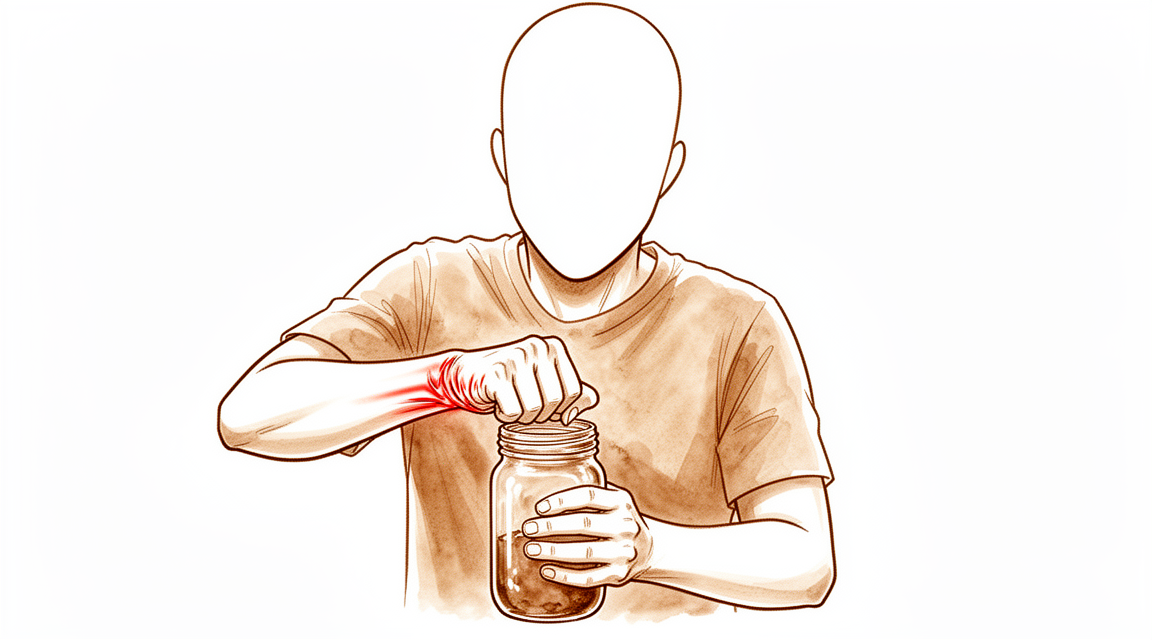
SLAC/SNAC wrist – understanding pain from arthritis at the wrist, often after injury.
What you're feeling
Your pain likely starts in the wrist after an old injury. This is called wear-and-tear arthritis. It happens when the bones in your wrist shift out of place. You may feel a deep ache on the top of your wrist. The pain often gets worse when you push against something or twist your hand. Simple tasks like opening a jar or turning a doorknob can become difficult.
You might notice stiffness when you first wake up. This usually fades after you move around for a bit. However, the pain can return after you have been using your hand all day. Many patients find that resting the hand helps. Some people feel pain at night, especially if they sleep on that side. This can disrupt your sleep and leave you feeling tired.
Daily activities may feel harder than before. Reaching behind your back to fasten a bra can be painful. Tucking in a shirt might require you to lift your arm in a way that hurts. Lifting objects, even light ones, can cause sharp discomfort. You may avoid using your hand for fear of triggering pain. This can make simple routines feel like a challenge.
The condition affects how the bones in your wrist move. The main bones may not align correctly anymore. This misalignment causes extra wear on the joints. You might feel a grinding sensation or hear a clicking sound when you move your wrist. This is not always painful, but it can be annoying.
It is important to know that not all wrist injuries lead to this problem. If you had a ligament tear in the past but your X-rays looked normal, you might not develop this arthritis. However, if you have had long-term instability, the risk is higher. Your surgeon will look at your specific history and symptoms. They will determine if your pain matches this pattern. Understanding what you are feeling helps your surgeon choose the right treatment to relieve your pain and improve your function.
What's actually happening
Your wrist is a complex cluster of eight small bones called carpals. In SLAC and SNAC wrists, the normal sliding motion between these bones breaks down. This usually starts with damage to the ligaments that hold the bones together or with a bone that fails to heal after a fracture. When these supports weaken, the bones shift out of their proper alignment.
Think of your wrist like a well-oiled hinge. The cartilage is the smooth coating on the ends of the bones that allows them to glide without friction. As the bones misalign, this coating wears away unevenly. This wear-and-tear arthritis creates bone-on-bone contact. The result is pain, stiffness, and a grinding sensation when you move your hand. The joint capsule, which acts like a sleeve around the joint, may also become inflamed and tight.
This misalignment changes how force travels through your hand. Normally, the load is shared evenly. Now, certain spots take too much pressure. This accelerates the damage and leads to the specific symptoms you feel. Your surgeon can see these changes on imaging. They look for signs that the bones are no longer moving in a smooth, coordinated way.
The goal of treatment is to stop this abnormal motion. By stabilizing the bones or removing the damaged parts, we aim to restore a smoother path for movement. This reduces the grinding and takes pressure off the sensitive nerve endings in the joint. While we cannot fully reverse the arthritis, we can significantly improve how your wrist functions and reduce your pain.
What we can do about it
Your surgeon will likely start with self-management and physiotherapy. This approach aims to reduce pain and keep your wrist moving. You will learn gentle exercises to strengthen the muscles around your wrist. These movements help support the joint and improve daily function. You should give this conservative care a fair chance to work. Most patients try these non-surgical options first to see if symptoms improve without an operation.
If simple exercises are not enough, your surgeon may discuss medical management. This usually involves pain medication and anti-inflammatory drugs to help you feel more comfortable. Your surgeon might also suggest injections. Cortisone injections can reduce swelling and pain for a period of time. Hyaluronic acid or platelet-rich plasma (PRP) injections may also be options to lubricate the joint or promote healing. These treatments do not cure the arthritis, but they can provide relief while you continue with your daily activities. The duration of relief varies from person to person.
When conservative care no longer controls your pain, surgery may be considered. This is typically recommended when your quality of life is significantly affected. Surgical options depend on the stage of your arthritis and the condition of your wrist bones. For early-stage wear-and-tear, your surgeon might remove a row of small bones (proximal row carpectomy) or fuse four specific bones together after removing the scaphoid (four-corner fusion). These procedures aim to relieve pain while preserving as much wrist motion as possible. In some cases, a procedure called wrist denervation may be used to reduce pain signals while keeping the joint mobile. Your surgeon will choose the best option based on your specific injury pattern and goals.
What to expect
Your wrist pain and stiffness are likely to persist without treatment. These conditions are caused by wear-and-tear arthritis following an old injury. The damage usually progresses over time. Without intervention, you may experience ongoing discomfort and reduced ability to use your hand for daily tasks.
With appropriate treatment, you can expect significant relief. Surgical options like proximal row carpectomy or four-corner fusion are designed to improve your pain and overall wrist function. Most patients report better subjective outcomes and less pain after these procedures. Your surgeon will choose the best option based on the specific stage of your arthritis and the condition of your joint surfaces.
Recovery is a process, not an instant fix. You may need more than one operation to achieve long-term pain improvement and good function. A second or even third surgery can still result in lasting benefits, allowing you to return to work and daily activities. This is especially true if your arthritis is in the early stages.
Even if you require a salvage procedure later, such as wrist denervation, you can still preserve motion and decrease pain. These options have a low failure rate over the mid- to long term. While some patients may experience mild to moderate arthritis symptoms after certain corrective surgeries, most maintain acceptable long-term function.
It is important to have realistic expectations. You will not regain the exact same wrist mechanics as before your injury. However, you can expect a durable result that allows you to perform everyday tasks with less pain. Your surgeon will guide you through this journey, focusing on preserving as much motion and strength as possible for your specific situation.
When to see someone
Ask for a specialist review if you have persistent wrist pain that does not improve with rest. Seek care if you notice weakness, instability, or a feeling of locking or giving way. These symptoms may interfere with your sleep or work. Contact your doctor if you experience a sudden worsening of your condition. This is especially important if you are male and have a history of wrist trauma. Early evaluation helps determine if you have wear-and-tear arthritis linked to past injury. Your surgeon can assess whether simple rest is enough or if further treatment is needed to preserve your wrist motion and function.
Evidence & references
title: "SLAC and SNAC Wrist" slug: slac-snac-wrist region: wrist audience: patient mesh_terms: ["Wrist Joint", "Arthrodesis", "Scaphoid Bone", "Carpal Bones", "Osteoarthritis", "Lunate Bone", "Hand Strength", "Fractures, Ununited"] article_count: 580 model_used: Qwen3.6-35B-A3B-Q8_0.gguf generated_at: '2026-06-13T11:31:35+00:00' key_articles: - title: "Proximal Row Carpectomy vs Four Corner Fusion for Scapholunate (Slac) or Scaphoid Nonunion Advanced Collapse (Snac) Wrists: A Systematic Review of Outcomes" ref_num: 1 evidence_tier: paper evidence_level: 4 doi: 10.1177/1753193408100954 year: 2009 - title: "Scaphoid Excision with Four-Corner Fusion" ref_num: 3 evidence_tier: paper doi: 10.1016/j.hcl.2005.08.012 year: 2005 - title: "Patient reported and functional outcome measures after surgical salvage procedures for posttraumatic radiocarpal osteoarthritis – a systematic review" ref_num: 4 evidence_tier: paper evidence_level: 1 doi: 10.1186/s12891-024-07527-6 year: 2024 - title: "Scapholunate Advanced Collapse: Nomenclature and Differential Diagnosis" ref_num: 5 evidence_tier: paper evidence_level: 5 doi: 10.1016/j.jhsa.2015.06.110 year: 2015 - title: "Wrist osteoarthritis" ref_num: 6 evidence_tier: paper evidence_level: 4 doi: 10.1016/j.otsr.2014.06.025 year: 2015 - title: "Computer-aided three-dimensional analysis of carpal alignment in scaphoid nonunion advanced collapse wrists: A comparative study with scapholunate advanced collapse and healthy wrists" ref_num: 7 evidence_tier: paper evidence_level: 4 doi: 10.1186/s12891-025-08652-6 year: 2025 - title: "Four-Corner Fusion: A Retrospective Comparative Study of Fixation with a Circular Plate versus Compression Screws" ref_num: 8 evidence_tier: paper evidence_level: 3 doi: 10.1016/s0363-5023(09)60084-8 year: 2009 - title: "Quantitative 3-D CT Demonstrates Distal Row Pronation and Translation and Radiolunate Arthritis in the SNAC Wrist" ref_num: 9 evidence_tier: paper evidence_level: 3 doi: 10.2106/jbjs.22.01350 year: 2023 - title: "Proximal Row Carpectomy and Intercarpal Arthrodesis for the Management of Wrist Arthritis" ref_num: 10 evidence_tier: paper evidence_level: 4 doi: 10.5435/00124635-200307000-00007 year: 2003 - title: "Is revision bone grafting worthwhile after failed surgery for scaphoid nonunion? Minimum 8 year follow-up of 18 patients" ref_num: 11 evidence_tier: paper evidence_level: 4 doi: 10.1177/1753193409346093 year: 2009 - title: "The Epidemiology of Scapholunate Advanced Collapse" ref_num: 12 evidence_tier: paper evidence_level: 3 doi: 10.1177/1558944718788672 year: 2018 - title: "Midterm Patient-Reported Outcomes in Wrist Denervation for Post-Traumatic Arthritis" ref_num: 13 evidence_tier: paper evidence_level: 4 doi: 10.1016/j.jhsa.2021.02.023 year: 2021 - title: "Reproducibility of radiographic classification of scapholunate advanced collapse (SLAC) and scaphoid nonunion advanced collapse (SNAC) wrist" ref_num: 14 evidence_tier: paper evidence_level: 4 doi: 10.1177/1753193413484629 year: 2013 - title: "Scapholunate Advanced Collapse and Scaphoid Nonunion Advanced Collapse Arthritis—Update on Evaluation and Treatment" ref_num: 15 evidence_tier: paper evidence_level: 5 doi: 10.1016/j.jhsa.2011.01.018 year: 2011 - title: "Comparative Computer-Aided Analysis of Three-Dimensional Carpal Alignment in Scapholunate Advanced Collapse and Healthy Wrists" ref_num: 16 evidence_tier: paper evidence_level: 3 doi: 10.1016/j.jhsa.2024.09.021 year: 2025 - title: "Lunate-capitate arthrodesis for scaphoid nonunion: a comparative study" ref_num: 19 evidence_tier: paper evidence_level: 4 doi: 10.1186/s12891-024-07755-w year: 2024 - title: "Long-term results of dorsal intercarpal ligament capsulodesis for the treatment of chronic scapholunate instability" ref_num: 21 evidence_tier: paper evidence_level: 3 doi: 10.1302/0301-620x.94b12.30007 year: 2012 - title: "Scapholunate ligament reconstruction using a part of the extensor carpi radialis brevis tendon through a dorsal approach" ref_num: 22 evidence_tier: paper evidence_level: 4 doi: 10.1177/17531934221143679 year: 2023 - title: "Arthroscopic Wrist Debridement and Radial Styloidectomy for Advanced Scapholunate Advanced Collapse Wrist: Long-term Follow-up" ref_num: 23 evidence_tier: paper evidence_level: 4 doi: 10.1177/1558944717725383 year: 2017 - title: "Surgical Treatments for Scapholunate Advanced Collapse Wrist: Kinematics and Functional Performance" ref_num: 24 evidence_tier: paper evidence_level: 2 doi: 10.1016/j.jhsa.2015.04.035 year: 2015 - title: "The Effect of Lunate Morphology on the 3-Dimensional Kinematics of the Carpus" ref_num: 25 evidence_tier: paper evidence_level: 5 doi: 10.1016/j.jhsa.2014.09.019 year: 2015 - title: "Comparison of the Clinical and Functional Outcomes Following 3- and 4-Corner Fusions" ref_num: 26 evidence_tier: paper evidence_level: 3 doi: 10.1016/j.jhsa.2015.02.027 year: 2015 - title: "Elongation of the Dorsal Carpal Ligaments: A Computational Study of In Vivo Carpal Kinematics" ref_num: 27 evidence_tier: paper evidence_level: 5 doi: 10.1016/j.jhsa.2012.04.025 year: 2012 - title: "Dynamic wrist imaging: How it works and how to assess kinematic changes in wrists with scapholunate instability" ref_num: 28 evidence_tier: paper evidence_level: 5 doi: 10.1177/17531934251326028 year: 2025 - title: "Force in the Scapholunate Interosseous Ligament During Active Wrist Motion" ref_num: 29 evidence_tier: paper evidence_level: 5 doi: 10.1016/j.jhsa.2015.04.007 year: 2015 - title: "Radiocarpal and midcarpal kinematics in scapholunate instability: a four-dimensional CT study in vivo" ref_num: 30 evidence_tier: paper evidence_level: 3 doi: 10.1177/17531934241242676 year: 2024 - title: "Interfragmentary Motion in Patients With Scaphoid Nonunion" ref_num: 31 evidence_tier: paper evidence_level: 4 doi: 10.1016/j.jhsa.2008.03.008 year: 2008 - title: "Radiographic Evaluation of Carpal Mechanics and the Scapholunate Angle in a Clenched Fist with Dynamic Computed Tomography Imaging" ref_num: 32 evidence_tier: paper evidence_level: 4 doi: 10.1016/j.jhsg.2022.10.001 year: 2023 - title: "Three-dimensional carpal alignment: computer-aided CT analysis of carpal axes and normal ranges" ref_num: 33 evidence_tier: paper evidence_level: 4 doi: 10.1177/17531934231160100 year: 2023 - title: "In Vivo Kinematics of the Scaphoid, Lunate, Capitate, and Third Metacarpal in Extreme Wrist Flexion and Extension" ref_num: 34 evidence_tier: paper evidence_level: 4 doi: 10.1016/j.jhsa.2012.10.035 year: 2013 - title: "Contact areas of the scaphoid and lunate with the distal radius in neutral and extension: correlation of falling strategies and distal radial anatomy" ref_num: 36 evidence_tier: paper evidence_level: 5 doi: 10.1177/1753193413507810 year: 2013 - title: "Tendon ball arthroplasty and proximal carpal stabilization with tendon graft for advanced Kienböck’s disease" ref_num: 37 evidence_tier: paper evidence_level: 4 doi: 10.1177/17531934241238939 year: 2024 - title: "Treatment of Scapholunate Dissociation With a Bioresorbable Polymer Plate: A Biomechanical Study" ref_num: 38 evidence_tier: paper evidence_level: 5 doi: 10.1016/j.jhsa.2008.01.016 year: 2008 - title: "Electrogoniometric and radiologic evaluation of scapho-trapezo-trapezoid arthrodesis" ref_num: 39 evidence_tier: paper evidence_level: 4 doi: 10.1016/s0749-0712(03)00008-8 year: 2003 - title: "Assessment of Wrist Function After Simulated Total Wrist Arthrodesis" ref_num: 40 evidence_tier: paper evidence_level: 4 doi: 10.1177/1558944715626930 year: 2016 - title: "The Advantage of Throwing the First Stone: How Understanding the Evolutionary Demands of Homo sapiens Is Helping Us Understand Carpal Motion" ref_num: 41 evidence_tier: paper evidence_level: 5 doi: 10.5435/00124635-201001000-00007 year: 2010 - title: "Radiographic Evaluation of the Modified Brunelli Technique Versus the Blatt Capsulodesis for Scapholunate Dissociation in a Cadaver Model" ref_num: 42 evidence_tier: paper evidence_level: 5 doi: 10.1016/j.jhsa.2010.06.029 year: 2010 - title: "Bilateral scapholunate widening may have a nontraumatic aetiology and progress to carpal instability and osteoarthritis with advancing age" ref_num: 44 evidence_tier: paper evidence_level: 4 doi: 10.1177/1753193418819653 year: 2019 - title: "Does a Comparison View Improve the Reliability of Staging Wrist Osteoarthritis?" ref_num: 45 evidence_tier: paper evidence_level: 4 doi: 10.1177/1558944716677541 year: 2016 - title: "Proximal Row Carpectomy Versus Four-Corner Arthrodesis as a Treatment for SLAC (Scapholunate Advanced Collapse) Wrist" ref_num: 46 evidence_tier: paper evidence_level: 3 doi: 10.1177/1753193408087116 year: 2008 - title: "The diagnostic accuracy of wrist cineradiography in diagnosing scapholunate dissociation" ref_num: 49 evidence_tier: paper evidence_level: 3 doi: 10.1177/1753193413489056 year: 2013 - title: "Dynamic CT Scan of the Normal Scapholunate Joint in a Clenched Fist and Radial and Ulnar Deviation" ref_num: 51 evidence_tier: paper evidence_level: 4 doi: 10.1177/1558944717726372 year: 2017 - title: "Distal Scaphoid Resection for Degenerative Arthritis Secondary to Scaphoid Nonunion: A 20-Year Experience" ref_num: 52 evidence_tier: paper evidence_level: 4 doi: 10.1016/j.jhsa.2014.05.031 year: 2014 - title: "Residual flexion deformity after scaphoid nonunion surgery: 7-year follow-up study" ref_num: 53 evidence_tier: paper evidence_level: 4 doi: 10.1177/17531934221125355 year: 2022 - title: "Long-Term Outcomes of Corrective Osteotomy for the Treatment of Distal Radius Malunion" ref_num: 54 evidence_tier: paper evidence_level: 4 doi: 10.1177/1753193409357373 year: 2010 - title: "Reduction and Association of the Scaphoid and Lunate Procedure: Short-Term Clinical and Radiographic Outcomes" ref_num: 56 evidence_tier: paper evidence_level: 4 doi: 10.1016/j.jhsa.2014.07.014 year: 2014 synthesis_version: "v2" verifier_status: skipped
Overview
- Proximal row carpectomy and four-corner fusion with scaphoid bone excision are the most widely used surgical procedures for stage II wrist osteoarthritis secondary to SLAC or SNAC wrist [6].
- Both proximal row carpectomy and four-corner fusion provide improvements in pain and subjective outcome measures for patients with symptomatic and appropriately staged SLAC or SNAC wrists [1].
- Scaphoid excision and four-corner fusion is an increasingly popular treatment option for patients with stage II or III SLAC/SNAC arthritis that preserves wrist motion through the radiolunate and ulnocarpal joints [3].
- Scaphoid excision and four-corner fusion are effective treatments for SLAC and SNAC patterns of wrist arthritis [8].
- For stage II SLAC wrist with a preserved capitolunate joint, proximal row carpectomy is preferred because it is technically less demanding and yields durable results [10].
- The authors prefer proximal row carpectomy for SLAC wrists with preserved capitate head cartilage due to socio-economic benefits, lower complication rates, and procedural ease [46].
- In patients with SLAC/SNAC II, proximal row carpectomy might be favourable to a midcarpal arthrodesis solely based on better flexion-extension range of motion of the radiocarpal joint after proximal row carpectomy [4].
- Wrist denervation is a viable salvage option for patients with symptomatic SLAC wrist osteoarthritis to preserve motion, decrease pain, and increase function with a low absolute failure rate at mid- to long-term follow-up [13].
- Arthroscopic wrist debridement and radial styloidectomy may have advantages in relieving pain while preserving wrist motion for SLAC stage 2 or 3 disease [23].
- It is mostly indicated as a palliative procedure in elderly patients with posttraumatic SNAC or SLAC wrist with limited functional demands [18].
- A second and even a third operation can result in long-term pain improvement, good function and capacity for work, and re-operation is recommended in symptomatic cases with minor osteoarthritis of the wrist (SNAC stage 0 or 1) [11].
- Further data in a larger cohort with longer follow-up is required to determine the effect on SLAC-wrist deterioration [2].
Anatomy & Pathophysiology
- Surgical treatments for scapholunate advanced collapse (SLAC) wrist result in decreased wrist kinematic motion and functional performance compared with individuals with normal wrists [24].
- Lunate morphology affects the 3-dimensional kinematics of the carpus during wrist flexion and extension [25].
- Three-corner fusions produce motion that is smoother and more closely replicates the normal axis and functional motion of the wrist compared with four-corner fusions [26].
- Computed fiber elongations of the dorsal carpal ligaments vary linearly with wrist position [27].
- Four-dimensional computed tomography (4DCT) is a non-invasive and affordable method to assess and quantify wrist kinematics by incorporating the temporal dimension [28].
- During simple unresisted wrist motions, force in the scapholunate interosseous ligament does not exceed 20 N [29].
- Kinematic changes in scapholunate instability may predict the development of radioscaphoid arthritis and help identify a kinematically abnormal wrist [30].
- Scaphoid nonunions have a dramatic impact on carpal kinematics by partially uncoupling the proximal and distal carpal rows [31].
- Dynamic imaging allows for the derivation of standardized protocols for mapping carpal motion that are clinically applicable and reproducible [32].
- Computer-aided CT analysis provides guidelines for measuring and quantifying carpal alignment three-dimensionally and establishes a database for normal values [33].
- More than half the motion of the carpus when the wrist is loaded in extension occurs at the midcarpal joint [34].
- Radioscapholunate fusion shows the most biomechanically similar behavior to the healthy wrist among three compared fusion types [35].
- Contact areas between the scaphoid and distal radius are maximized during full extension of the wrist, which helps stabilize the radiocarpal joint [36].
- Tendon ball arthroplasty and proximal carpal stabilization with tendon graft restore the integrity of the proximal carpal row [37].
- In unstable wrists, dorsally applied polylactic acid (PLA) plates restore carpal kinematics for 1,000 cycles of motion when fixation is not compromised by carpal size or osteoporosis [38].
- Electrogoniometric and radiologic evaluation characterizes the modification of the wrist center of rotation during flexion and extension [39].
- Wrist arthrodesis may only compromise select wrist functions [40].
- The 'dart thrower's motion' of the wrist, from radial extension to ulnar flexion, may be a unifying concept of functional wrist motion that is uniquely human [41].
- Correction of scapholunate dissociation via modified Brunelli technique or Blatt capsulodesis might correlate with improved carpal dynamics and improved clinical outcomes [42].
Classification
- SLAC wrist diagnosis should be reserved for patients in whom traumatic disruption of the proximal carpal row initiates the defined sequence of arthritic change outlined by Watson and Ballet [5].
- Radiographic classification of SLAC wrist has moderate reliability and reproducibility [14].
- Radiographic classification of SNAC wrist has limited reliability [14].
- SNAC wrists differ from SLAC wrists by exhibiting a decreased sagittal lunotriquetral angle, indicating a distinct pathomechanism of carpal instability [7].
- Bone density is greater at the capitolunate joint, the radial styloid, and the radiolunate joint in SNAC wrists compared to controls [9].
- Carpal malalignment in SLAC wrists affects the radio- and midcarpal joints and extends to the third carpometacarpal joint, with malalignment evident in both sagittal and coronal planes [16].
- Patients with SLAC wrist are more likely to be male and have a history of trauma compared to patients with first CMC OA [12].
Clinical Presentation
- SLAC wrist diagnosis is reserved for patients in whom traumatic disruption of the proximal carpal row initiates a defined sequence of arthritic changes [5].
- Patients with SLAC wrist are more likely to be male and have a history of trauma compared to patients with first CMC OA [12].
- SNAC wrists differ from SLAC wrists by exhibiting a decreased sagittal lunotriquetral angle, indicating a distinct pathomechanism of carpal instability [7].
- Bone density is greater at the capitolunate joint, the radial styloid, and the radiolunate joint in SNAC wrists compared to controls [9].
- Carpal malalignment in SLAC wrists affects the radio- and midcarpal joints and extends to the third carpometacarpal joint, with malalignment evident in both sagittal and coronal planes [16].
- Distal row pronation and translation and radiolunate arthritis are demonstrated in the SNAC wrist via quantitative 3-D CT [9].
- Radiographic classification of SLAC wrist has moderate reliability and reproducibility [14].
- Radiographic classification of SNAC wrist has limited reliability [14].
- There is room for improvement in the assessment of patients with SNAC wrists [45].
- A scapholunate ligament injury visualized arthroscopically, without static x-ray changes, does not inevitably lead to SLAC wrist [15].
- Isolated lunocapitate osteoarthritis presents differently from SLAC wrist and is not related to scapholunate instability [20].
- Bilateral scapholunate widening may have a nontraumatic aetiology and progress to carpal instability and osteoarthritis with advancing age [44].
- Patients without carpal instability or osteoarthritis were younger than those with bilateral SLAC wrists [44].
- There is no absolute evidence to confirm that bilateral wide gaps inexorably progress to carpal instability and osteoarthritis [44].
Investigations
- The diagnosis of SLAC wrist should be reserved for patients in whom a traumatic disruption of the proximal carpal row has initiated the defined sequence of arthritic change outlined by Watson and Ballet [5].
- There is currently no scientific evidence that a scapholunate ligament injury visualized arthroscopically, without static x-ray changes, inevitably leads to SLAC wrist [15].
- Radiographic classification of SLAC wrist has moderate reliability and reproducibility [14].
- Classification of SNAC wrist has limited reliability [14].
- SNAC wrists differ from SLAC wrists in exhibiting a decreased sagittal lunotriquetral angle, indicating a distinct pathomechanism of carpal instability [7].
- Bone density is greater at the capitolunate joint, the radial styloid, and the radiolunate joint in SNAC wrists compared to controls [9].
- Carpal malalignment in SLAC wrists affects the radio- and midcarpal joints and extends to the third carpometacarpal joint, with malalignment evident in both the sagittal and coronal planes [16].
- Patients with SLAC wrist are more likely to be male and have a history of trauma compared to patients with first CMC OA [12].
- Isolated lunocapitate osteoarthritis presents differently from SLAC wrist and is not related to scapholunate instability [20].
- Cineradiography has a high diagnostic value for diagnosing scapholunate dissociations [49].
- Dynamic CT scan of the wrist is a user-friendly way of measuring the scapholunate distance, which is minimal in the normal wrist below 40 years of age [51].
Treatment
- Proximal row carpectomy and four-corner fusion with scaphoid bone excision are the most widely used surgical procedures for stage II wrist osteoarthritis secondary to SLAC or SNAC wrist [6].
- Both proximal row carpectomy and four-corner fusion provide improvements in pain and subjective outcome measures for patients with symptomatic and appropriately staged SLAC or SNAC wrists [1].
- Scaphoid excision and four-corner fusion is an increasingly popular treatment option for patients with stage II or III SLAC/SNAC arthritis that preserves wrist motion through the radiolunate and ulnocarpal joints [3].
- Scaphoid excision and four-corner fusion are effective treatments for SLAC and SNAC patterns of wrist arthritis [8].
- For stage II SLAC wrist with a preserved capitolunate joint, proximal row carpectomy is preferred because it is technically less demanding and yields durable results [10].
- In patients with SLAC/SNAC II, proximal row carpectomy might be favourable to a midcarpal arthrodesis solely based on better flexion-extension range of motion of the radiocarpal joint after proximal row carpectomy [4].
- The LCF (lunate-capitate arthrodesis) is not less efficient than the 4CF (four-corner fusion) in the treatment of SNAC II and III wrist injuries [19].
- Wrist denervation is a viable salvage option for patients with symptomatic SLAC wrist osteoarthritis to preserve motion, decrease pain, and increase function with a low absolute failure rate at mid- to long-term follow-up [13].
- Arthroscopic wrist debridement and radial styloidectomy may have advantages in relieving pain while preserving wrist motion for SLAC stage 2 or 3 disease [23].
- Motion-preserving procedures of the wrist can obtain good long-term results if indications are accurately respected and the technique is well performed to prevent complications [43].
- Proximal row carpectomy is mostly indicated as a palliative procedure in elderly patients with posttraumatic SNAC or SLAC wrist with limited functional demands [18].
- A second and even a third operation can result in long-term pain improvement, good function and capacity for work, and re-operation is recommended in symptomatic cases with minor osteoarthritis of the wrist (SNAC stage 0 or 1) [11].
- Further data in a larger cohort with longer follow-up is required to determine the effect of treatments on SLAC-wrist deterioration [2].
Complications
- Proximal row carpectomy and four-corner fusion provide improvements in pain and subjective outcome measures for patients with symptomatic and appropriately staged SLAC or SNAC wrists [1].
- Further data in a larger cohort with longer follow-up is required to determine the effect of surgical interventions on SLAC-wrist deterioration [2].
- Scaphoid excision and four-corner fusion preserves wrist motion through the radiolunate and ulnocarpal joints [3].
- Proximal row carpectomy may be favourable to midcarpal arthrodesis in patients with SLAC/SNAC II based on better flexion-extension range of motion of the radiocarpal joint after proximal row carpectomy [4].
- The diagnosis of SLAC should be reserved for patients in whom a traumatic disruption of the proximal carpal row has initiated the defined sequence of arthritic change outlined by Watson and Ballet [5].
- Proximal row carpectomy and four-corner fusion with scaphoid bone excision are the most widely used surgical procedures for stage II wrist osteoarthritis secondary to SLAC or SNAC wrist [6].
- SNAC wrists differ from SLAC wrists in exhibiting a decreased sagittal lunotriquetral angle, indicating a distinct pathomechanism of carpal instability [7].
- Bone density was greater at the capitolunate joint, the radial styloid, and the radiolunate joint in SNAC wrists compared to controls [9].
- For stage II SLAC wrist with a preserved capitolunate joint, proximal row carpectomy is preferred because it is technically less demanding and yields durable results [10].
- A second and even a third operation can result in long-term pain improvement, good function and capacity for work, and re-operation is recommended in symptomatic cases with minor osteoarthritis of the wrist (SNAC stage 0 or 1) [11].
- Patients with SLAC wrist were more likely to be male and have a history of trauma compared to patients with first CMC OA [12].
- Wrist denervation was a viable salvage option for patients with symptomatic SLAC wrist osteoarthritis to preserve motion, decrease pain, and increase function with a low absolute failure rate at mid- to long-term follow-up [13].
- There is currently no scientific evidence that a scapholunate ligament injury visualized arthroscopically, without static x-ray changes, inevitably leads to SLAC wrist [15].
- Although ongoing scapholunate instability resulted in early arthritic degeneration after dorsal intercarpal ligament capsulodesis, most patients had acceptable long-term function of the wrist [21].
- Scapholunate ligament reconstruction using a part of the extensor carpi radialis brevis tendon through a dorsal approach resulted in long-term, improved outcomes compared with other techniques, even in scapholunate advanced collapse type I wrists [22].
- Distal scaphoid resection arthroplasty produced favorable, long-term clinical results and did not result in noteworthy wrist collapse [52].
Recovery
- Proximal row carpectomy and four-corner fusion both provide improvements in pain and subjective outcome measures for patients with symptomatic and appropriately staged SLAC or SNAC wrists [1].
- Further data in a larger cohort with longer follow-up is required to determine the effect of interventions on SLAC-wrist deterioration [2].
- Scaphoid excision and four-corner fusion preserves wrist motion through the radiolunate and ulnocarpal joints in patients with stage II or III SLAC/SNAC arthritis [3].
- In patients with SLAC/SNAC II, proximal row carpectomy might be favourable to midcarpal arthrodesis based on better flexion-extension range of motion of the radiocarpal joint after proximal row carpectomy [4].
- For stage II SLAC wrist with a preserved capitolunate joint, proximal row carpectomy is preferred because it is technically less demanding and yields durable results [10].
- A second and even a third operation can result in long-term pain improvement, good function, and capacity for work, supporting re-operation in symptomatic cases with minor osteoarthritis of the wrist (SNAC stage 0 or 1) [11].
- Wrist denervation is a viable salvage option for patients with symptomatic SLAC wrist osteoarthritis to preserve motion, decrease pain, and increase function with a low absolute failure rate at mid- to long-term follow-up [13].
- Although ongoing scapholunate instability resulted in early arthritic degeneration, most patients had acceptable long-term function of the wrist after dorsal intercarpal ligament capsulodesis [21].
- Scapholunate ligament reconstruction using a part of the extensor carpi radialis brevis tendon resulted in long-term, improved outcomes compared with other techniques, even in scapholunate advanced collapse type I wrists [22].
- Residual scaphoid deformity has no relevant negative impact on mid-term wrist function after scaphoid nonunion surgery [53].
- Wrist alignment was maintained over time after corrective osteotomy for distal radius malunion, but 13 patients presented mild to moderate symptomatic wrist arthritis [54].
- Carpal collapse recurred within a short time after dorsal intercarpal ligament capsulodesis because the procedure cannot withstand large and repetitive forces [55].
- The reduction and association of the scaphoid and lunate procedure should be abandoned due to early radiographic failure in the short term, despite relatively low outcomes measures scores [56].
Key Evidence
- [L4] Both procedures provide improvements in pain and subjective outcome measures for patients with symptomatic and appropriately staged SLAC or SNAC wrists. (10.1177/1753193408100954)
- [Paper] Scaphoid excision and four-corner fusion is an increasingly popular treatment option for patients with stage II or III SLAC/SNAC arthritis that preserves wrist motion through the radiolunate and ulnocarpal joints. (10.1016/j.hcl.2005.08.012)
- [L1] In patients with SLAC/SNAC II, proximal row carpectomy might be favourable to a midcarpal arthrodesis solely based on better FE ROM of the radiocarpal joint after proximal row carpectomy. (10.1186/s12891-024-07527-6)
- [L5] The diagnosis of SLAC should be reserved for patients in whom a traumatic disruption of the proximal carpal row has initiated the defined sequence of arthritic change outlined by Watson and Ballet. (10.1016/j.jhsa.2015.06.110)
- [L4] Proximal row carpectomy and four-corner fusion with scaphoid bone excision are the most widely used surgical procedures for stage II wrist osteoarthritis secondary to SLAC or SNAC wrist. (10.1016/j.otsr.2014.06.025)
- [L4] SNAC wrists differ from SLAC wrists in exhibiting a decreased sagittal lunotriquetral angle, indicating a distinct pathomechanism of carpal instability. (10.1186/s12891-025-08652-6)
- [L3] Scaphoid excision and four-corner fusion are effective treatments for SLAC and SNAC patterns of wrist arthritis. (10.1016/s0363-5023(09)60084-8)
- [L3] Bone density was greater at the capitolunate joint, the radial styloid, and the radiolunate joint in SNAC wrists compared to controls. (10.2106/jbjs.22.01350)
- [L4] For stage II SLAC wrist with a preserved capitolunate joint, proximal row carpectomy is preferred because it is technically less demanding and yields durable results. (10.5435/00124635-200307000-00007)
- [L4] A second and even a third operation can result in long-term pain improvement, good function and capacity for work, and we recommend re-operation in symptomatic cases with minor osteoarthritis of the wrist (SNAC stage 0 or 1). (10.1177/1753193409346093)
- [L3] Patients with SLAC wrist were more likely to be male and have a history of trauma compared to patients with first CMC OA. (10.1177/1558944718788672)
- [L4] This method of wrist denervation was a viable salvage option for patients with symptomatic SLAC wrist osteoarthritis to preserve motion, decrease pain, and increase function with a low absolute failure rate at mid- to long-term follow-up. (10.1016/j.jhsa.2021.02.023)
- [L4] Radiographic classification of SLAC wrist has moderate reliability and reproducibility, whereas classification of SNAC wrist has limited reliability. (10.1177/1753193413484629)
- [L5] There is currently no scientific evidence that a scapholunate ligament injury visualized arthroscopically, without static x-ray changes, inevitably leads to SLAC wrist. (10.1016/j.jhsa.2011.01.018)
- [L3] Carpal malalignment in SLAC wrists not only affects the radio- and midcarpal joints, but also extends to the third carpometacarpal joint, with malalignment evident in both the sagittal and coronal planes. (10.1016/j.jhsa.2024.09.021)
- [L4] The LCF is not less efficient than the 4CF in the treatment of SNAC II and III wrist injuries. (10.1186/s12891-024-07755-w)
- [L3] Although the consequent ongoing scapholunate instability resulted in early arthritic degeneration, most patients had acceptable long-term function of the wrist. (10.1302/0301-620x.94b12.30007)
- [L4] This technique, even in scapholunate advanced collapse type I wrists, resulted in long-term, improved outcomes compared with other techniques. (10.1177/17531934221143679)
- [L4] The procedure studied may have advantages in relieving pain while preserving wrist motion for SLAC stage 2 or 3 disease. (10.1177/1558944717725383)
- [L2] Both surgical groups demonstrated decreased wrist kinematic motion and functional performance compared with individuals with normal wrists. (10.1016/j.jhsa.2015.04.035)
- [L5] This study describes the effect of lunate morphology on 3-dimensional carpal kinematics during wrist flexion and extension. (10.1016/j.jhsa.2014.09.019)
- [L3] Motion was smoother and more closely replicated the normal axis and functional motion of the wrist. (10.1016/j.jhsa.2015.02.027)
- [L5] Despite complex carpal bone anatomy and kinematics, computed fiber elongations were found to vary linearly with wrist position. (10.1016/j.jhsa.2012.04.025)
- [L5] Four-dimensional computed tomography (4DCT) is a promising, non-invasive, and affordable method to assess and quantify wrist kinematics, extending conventional CT by incorporating the temporal dimension. (10.1177/17531934251326028)
- [L5] However, during simple unresisted wrist motions, the force did not exceed 20 N. (10.1016/j.jhsa.2015.04.007)
- [L3] These kinematic changes may predict the development of radioscaphoid arthritis and help identify a kinematically abnormal wrist. (10.1177/17531934241242676)
- [L4] Scaphoid nonunions have a dramatic impact on carpal kinematics, partially uncoupling the proximal and distal carpal rows. (10.1016/j.jhsa.2008.03.008)
- [L4] With the increased focus on dynamic imaging for wrist motion, it may be possible to derive a standardized protocol for mapping the carpal motion that is clinically applicable and reproducible. (10.1016/j.jhsg.2022.10.001)
- [L4] This study provides guidelines on how to measure and quantify carpal alignment three-dimensionally and establishes a database for normal values, which may be useful when analysing various wrist pathologies and kinematics. (10.1177/17531934231160100)
- [L4] More than half the motion of the carpus when the wrist was loaded in extension occurred at the midcarpal joint. (10.1016/j.jhsa.2012.10.035)
- [L5] The contact areas between the scaphoid and distal radius are maximized during full extension of the wrist, which helps stabilize the radiocarpal joint and potentially reduces the risk of injury to the carpus and the distal radius. (10.1177/1753193413507810)
- [L4] The technique demonstrated reduced wrist pain and improved wrist motion and grip strength while restoring the integrity of the proximal carpal row. (10.1177/17531934241238939)
- [L5] The study shows that in the unstable wrist, following ligament sectioning, where fixation is not compromised by carpal size or osteoporosis, a dorsally applied PLA plate does restore carpal kinematics for 1,000 cycles of motion. (10.1016/j.jhsa.2008.01.016)
- [L4] The study also characterized the modification of the wrist CoR during flexion and extension, noting that stability is considered more important than mobility in clinical conditions. (10.1016/s0749-0712(03)00008-8)
- [L4] Our findings suggest that wrist arthrodesis may only compromise select wrist functions. (10.1177/1558944715626930)
- [L5] The 'dart thrower's motion' of the wrist, from radial extension to ulnar flexion, may be a unifying concept of functional wrist motion that is uniquely human. (10.5435/00124635-201001000-00007)
- [L5] This correction might correlate with improved carpal dynamics and improved clinical outcomes. (10.1016/j.jhsa.2010.06.029)
- [L4] While bilateral SLAC wrists were not exceptional and patients without carpal instability or osteoarthritis were younger, there is no absolute evidence to confirm that bilateral wide gaps inexorably progress to carpal instability and osteoarthritis. (10.1177/1753193418819653)
- [L4] There is room for improvement in the way we assess patients with SNAC wrists. (10.1177/1558944716677541)
- [L3] The authors prefer proximal row carpectomy for SLAC wrists with preserved capitate head cartilage due to socio-economic benefits, lower complication rates, and procedural ease. (10.1177/1753193408087116)
- [L3] Cineradiography has a high diagnostic value for diagnosing scapholunate dissociations. (10.1177/1753193413489056)
- [L4] This novel dynamic CT scan of the wrist is a user-friendly way of measuring the scapholunate distance, which is minimal in the normal wrist below 40 years of age. (10.1177/1558944717726372)
- [L4] Distal scaphoid resection arthroplasty produced favorable, long-term clinical results and did not result in noteworthy wrist collapse. (10.1016/j.jhsa.2014.05.031)
- [L4] Residual scaphoid deformity has no relevant negative impact on mid-term wrist function. (10.1177/17531934221125355)
- [L4] Wrist alignment was maintained over time but 13 patients presented mild to moderate symptomatic wrist arthritis. (10.1177/1753193409357373)
- [L4] With a majority of patients experiencing early radiographic failure of the procedure in the short term, our experience suggests that the reduction and association of the scaphoid and lunate procedure should be abandoned despite the relatively low outcomes measures scores. (10.1016/j.jhsa.2014.07.014)
References
[1] Proximal Row Carpectomy vs Four Corner Fusion for Scapholunate (Slac) or Scaphoid Nonunion Advanced Collapse (Snac) Wrists: A Systematic Review of Outcomes. Journal of Hand Surgery (European Volume). 2009. DOI: 10.1177/1753193408100954 [2] 10.1055-s-0033-1341582. n.d.. [3] Scaphoid Excision with Four-Corner Fusion. Hand Clinics. 2005. DOI: 10.1016/j.hcl.2005.08.012 [4] Patient reported and functional outcome measures after surgical salvage procedures for posttraumatic radiocarpal osteoarthritis – a systematic review. BMC Musculoskeletal Disorders. 2024. DOI: 10.1186/s12891-024-07527-6 [5] Scapholunate Advanced Collapse: Nomenclature and Differential Diagnosis. The Journal of Hand Surgery. 2015. DOI: 10.1016/j.jhsa.2015.06.110 [6] Wrist osteoarthritis. Orthopaedics & Traumatology: Surgery & Research. 2015. DOI: 10.1016/j.otsr.2014.06.025 [7] Computer-aided three-dimensional analysis of carpal alignment in scaphoid nonunion advanced collapse wrists: A comparative study with scapholunate advanced collapse and healthy wrists. BMC Musculoskeletal Disorders. 2025. DOI: 10.1186/s12891-025-08652-6 [8] Four-Corner Fusion: A Retrospective Comparative Study of Fixation with a Circular Plate versus Compression Screws. The Journal of Hand Surgery. 2009. DOI: 10.1016/s0363-5023(09)60084-8 [9] Quantitative 3-D CT Demonstrates Distal Row Pronation and Translation and Radiolunate Arthritis in the SNAC Wrist. Journal of Bone and Joint Surgery. 2023. DOI: 10.2106/jbjs.22.01350 [10] Proximal Row Carpectomy and Intercarpal Arthrodesis for the Management of Wrist Arthritis. Journal of the American Academy of Orthopaedic Surgeons. 2003. DOI: 10.5435/00124635-200307000-00007 [11] Is revision bone grafting worthwhile after failed surgery for scaphoid nonunion? Minimum 8 year follow-up of 18 patients. Journal of Hand Surgery (European Volume). 2009. DOI: 10.1177/1753193409346093 [12] The Epidemiology of Scapholunate Advanced Collapse. HAND. 2018. DOI: 10.1177/1558944718788672 [13] Midterm Patient-Reported Outcomes in Wrist Denervation for Post-Traumatic Arthritis. The Journal of Hand Surgery. 2021. DOI: 10.1016/j.jhsa.2021.02.023 [14] Reproducibility of radiographic classification of scapholunate advanced collapse (SLAC) and scaphoid nonunion advanced collapse (SNAC) wrist. Journal of Hand Surgery (European Volume). 2013. DOI: 10.1177/1753193413484629 [15] Scapholunate Advanced Collapse and Scaphoid Nonunion Advanced Collapse Arthritis—Update on Evaluation and Treatment. The Journal of Hand Surgery. 2011. DOI: 10.1016/j.jhsa.2011.01.018 [16] Comparative Computer-Aided Analysis of Three-Dimensional Carpal Alignment in Scapholunate Advanced Collapse and Healthy Wrists. The Journal of Hand Surgery. 2025. DOI: 10.1016/j.jhsa.2024.09.021 [18] 10.1055-s-0032-1329615. n.d.. [19] Lunate-capitate arthrodesis for scaphoid nonunion: a comparative study. BMC Musculoskeletal Disorders. 2024. DOI: 10.1186/s12891-024-07755-w [20] 10.1055-s-0034-1372515. n.d.. [21] Long-term results of dorsal intercarpal ligament capsulodesis for the treatment of chronic scapholunate instability. The Journal of Bone and Joint Surgery. British volume. 2012. DOI: 10.1302/0301-620x.94b12.30007 [22] Scapholunate ligament reconstruction using a part of the extensor carpi radialis brevis tendon through a dorsal approach. Journal of Hand Surgery (European Volume). 2023. DOI: 10.1177/17531934221143679 [23] Arthroscopic Wrist Debridement and Radial Styloidectomy for Advanced Scapholunate Advanced Collapse Wrist: Long-term Follow-up. HAND. 2017. DOI: 10.1177/1558944717725383 [24] Surgical Treatments for Scapholunate Advanced Collapse Wrist: Kinematics and Functional Performance. The Journal of Hand Surgery. 2015. DOI: 10.1016/j.jhsa.2015.04.035 [25] The Effect of Lunate Morphology on the 3-Dimensional Kinematics of the Carpus. The Journal of Hand Surgery. 2015. DOI: 10.1016/j.jhsa.2014.09.019 [26] Comparison of the Clinical and Functional Outcomes Following 3- and 4-Corner Fusions. The Journal of Hand Surgery. 2015. DOI: 10.1016/j.jhsa.2015.02.027 [27] Elongation of the Dorsal Carpal Ligaments: A Computational Study of In Vivo Carpal Kinematics. The Journal of Hand Surgery. 2012. DOI: 10.1016/j.jhsa.2012.04.025 [28] Dynamic wrist imaging: How it works and how to assess kinematic changes in wrists with scapholunate instability. Journal of Hand Surgery (European Volume). 2025. DOI: 10.1177/17531934251326028 [29] Force in the Scapholunate Interosseous Ligament During Active Wrist Motion. The Journal of Hand Surgery. 2015. DOI: 10.1016/j.jhsa.2015.04.007 [30] Radiocarpal and midcarpal kinematics in scapholunate instability: a four-dimensional CT study in vivo. Journal of Hand Surgery (European Volume). 2024. DOI: 10.1177/17531934241242676 [31] Interfragmentary Motion in Patients With Scaphoid Nonunion. The Journal of Hand Surgery. 2008. DOI: 10.1016/j.jhsa.2008.03.008 [32] Radiographic Evaluation of Carpal Mechanics and the Scapholunate Angle in a Clenched Fist with Dynamic Computed Tomography Imaging. Journal of Hand Surgery Global Online. 2023. DOI: 10.1016/j.jhsg.2022.10.001 [33] Three-dimensional carpal alignment: computer-aided CT analysis of carpal axes and normal ranges. Journal of Hand Surgery (European Volume). 2023. DOI: 10.1177/17531934231160100 [34] In Vivo Kinematics of the Scaphoid, Lunate, Capitate, and Third Metacarpal in Extreme Wrist Flexion and Extension. The Journal of Hand Surgery. 2013. DOI: 10.1016/j.jhsa.2012.10.035 [35] Load_transfer_through_the_radiocarpal_joint_and_the_effects_of_partial_wrist_art_1753193412441761. 1934. [36] Contact areas of the scaphoid and lunate with the distal radius in neutral and extension: correlation of falling strategies and distal radial anatomy. Journal of Hand Surgery (European Volume). 2013. DOI: 10.1177/1753193413507810 [37] Tendon ball arthroplasty and proximal carpal stabilization with tendon graft for advanced Kienböck’s disease. Journal of Hand Surgery (European Volume). 2024. DOI: 10.1177/17531934241238939 [38] Treatment of Scapholunate Dissociation With a Bioresorbable Polymer Plate: A Biomechanical Study. The Journal of Hand Surgery. 2008. DOI: 10.1016/j.jhsa.2008.01.016 [39] Electrogoniometric and radiologic evaluation of scapho-trapezo-trapezoid arthrodesis. Hand Clinics. 2003. DOI: 10.1016/s0749-0712(03)00008-8 [40] Assessment of Wrist Function After Simulated Total Wrist Arthrodesis. HAND. 2016. DOI: 10.1177/1558944715626930 [41] The Advantage of Throwing the First Stone: How Understanding the Evolutionary Demands of Homo sapiens Is Helping Us Understand Carpal Motion. Journal of the American Academy of Orthopaedic Surgeons. 2010. DOI: 10.5435/00124635-201001000-00007 [42] Radiographic Evaluation of the Modified Brunelli Technique Versus the Blatt Capsulodesis for Scapholunate Dissociation in a Cadaver Model. The Journal of Hand Surgery. 2010. DOI: 10.1016/j.jhsa.2010.06.029 [43] 10.1055-s-0032-1330070. n.d.. [44] Bilateral scapholunate widening may have a nontraumatic aetiology and progress to carpal instability and osteoarthritis with advancing age. Journal of Hand Surgery (European Volume). 2019. DOI: 10.1177/1753193418819653 [45] Does a Comparison View Improve the Reliability of Staging Wrist Osteoarthritis?. HAND. 2016. DOI: 10.1177/1558944716677541 [46] Proximal Row Carpectomy Versus Four-Corner Arthrodesis as a Treatment for SLAC (Scapholunate Advanced Collapse) Wrist. Journal of Hand Surgery (European Volume). 2008. DOI: 10.1177/1753193408087116 [49] The diagnostic accuracy of wrist cineradiography in diagnosing scapholunate dissociation. Journal of Hand Surgery (European Volume). 2013. DOI: 10.1177/1753193413489056 [51] Dynamic CT Scan of the Normal Scapholunate Joint in a Clenched Fist and Radial and Ulnar Deviation. HAND. 2017. DOI: 10.1177/1558944717726372 [52] Distal Scaphoid Resection for Degenerative Arthritis Secondary to Scaphoid Nonunion: A 20-Year Experience. The Journal of Hand Surgery. 2014. DOI: 10.1016/j.jhsa.2014.05.031 [53] Residual flexion deformity after scaphoid nonunion surgery: 7-year follow-up study. Journal of Hand Surgery (European Volume). 2022. DOI: 10.1177/17531934221125355 [54] Long-Term Outcomes of Corrective Osteotomy for the Treatment of Distal Radius Malunion. Journal of Hand Surgery (European Volume). 2010. DOI: 10.1177/1753193409357373 [55] 10.1055-s-0033-1343079. n.d.. [56] Reduction and Association of the Scaphoid and Lunate Procedure: Short-Term Clinical and Radiographic Outcomes. The Journal of Hand Surgery. 2014. DOI: 10.1016/j.jhsa.2014.07.014