SLAP and Biceps Pathology PDF Evidence
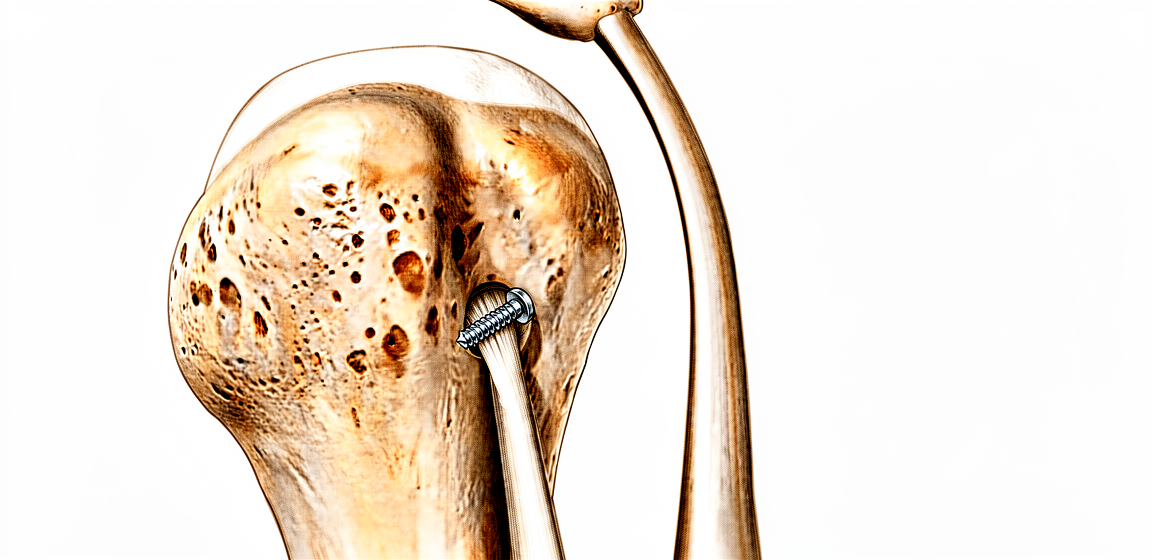
Superior labral (SLAP) tears and disorders of the long head of biceps — assessment and treatment.
What you're feeling
You may feel pain in the front of your shoulder. This pain often sits deep inside the joint. It can also travel down your upper arm. Many people describe it as a dull ache that turns sharp with movement. You might notice the pain gets worse when you lift your arm above your head. Reaching for items on high shelves can become difficult. Throwing a ball or playing racquet sports may trigger sharp discomfort.
Your shoulder may feel unstable or like it might give way. Some patients report a catching or locking sensation. This happens when the torn tissue gets caught in the joint. You might hear a clicking or popping sound when you move your arm. These symptoms often mimic other shoulder problems. Your pain could feel like rotator cuff inflammation or general instability. It is common to feel stiffness, especially in the morning.
Daily tasks become challenging when you need to use both hands. Reaching behind your back to fasten a bra can be painful. Tucking in a shirt requires awkward twisting that aggravates the tear. Sleeping on the affected side is often impossible due to pressure and pain. You may wake up frequently because of the discomfort.
The pain typically flares after activity. It may linger into the evening or keep you awake at night. Rest usually helps reduce the immediate sharp pain, but stiffness returns with inactivity. You might find yourself avoiding using your arm to protect it. This can lead to weakness over time.
It is important to know that physical exam tests alone cannot confirm this diagnosis. Your surgeon will look at your history and imaging to understand what you are feeling. If you have calcification in the biceps tendon, it may be linked to this tear. Understanding your specific symptoms helps your surgeon choose the right path for you. Whether you need repair or a tenodesis (relocating the tendon), the goal is to relieve this pain and restore function.
What's actually happening
Your shoulder is a ball-and-socket joint. The socket is lined with a ring of cartilage called the labrum. Think of this ring as a gasket or shock absorber. It keeps the ball centered and stable. The biceps tendon attaches to the top of this ring. It acts like a rope that helps lift your arm.
A SLAP tear means this attachment has pulled away or torn. The word SLAP stands for Superior Labrum Anterior to Posterior. This describes the location and direction of the tear. It happens at the top of the socket.
This injury can feel like many different problems. It often mimics impingement or rotator cuff issues. It can also feel like shoulder instability. This makes it tricky to diagnose. Sometimes, it is hard to tell exactly what is wrong just by looking at your symptoms.
When this tear happens, your shoulder mechanics change. The ball may slide too much in the socket. This extra movement puts more stress on the biceps tendon. It also increases pressure inside the joint. Over time, this extra load can wear down the joint surfaces.
Your body tries to cope with this instability. Your muscles may fire at different times than usual. For example, a muscle called the serratus anterior might activate earlier. This is likely a protective strategy to stabilize your shoulder blade and joint. However, this change in timing can feel awkward or weak.
These changes explain your pain and limited motion. The tear disrupts the smooth gliding of the joint. The biceps tendon gets pulled or strained during movement. This causes sharp pain, especially when lifting or reaching overhead. It can also cause a catching sensation.
Understanding this helps your surgeon choose the right fix. For some patients, repairing the labrum is best. For others, moving the biceps tendon attachment (tenodesis) works better. This decision depends on your age, activity level, and specific tear type. Your surgeon will guide you to the option that restores stability and reduces pain.
What we can do about it
Your surgeon will first recommend non-operative treatment with an appropriate regimen. This approach provides satisfactory clinical outcomes in middle-aged patients with symptomatic SLAP lesions. You should consider this step before recommending operative treatment. The goal is to reduce pain and restore movement through targeted exercises. A clinical prediction model can help predict the failure of this management with moderate accuracy, based on your specific symptoms and prior treatments. However, a decision to operate should not be made on the basis of clinical assessment tests alone. You must also consider your pain levels, overhead activity level, and how you have responded to prior non-operative management.
If pain persists, medical management may include pain medication or anti-inflammatories. In some cases, your surgeon may consider injections such as cortisone, hyaluronic acid, or PRP. These options aim to reduce inflammation and provide temporary relief. If calcific tendinitis of the long head of the biceps brachii at its origin is suspected, it may be helpful to consider the presence of a concurrent SLAP lesion and its management. Note that high prevalence of superior labral tears diagnosed by MRI in middle-aged patients with asymptomatic shoulders emphasizes the need for supporting clinical judgment when making treatment decisions. Do not rely on imaging alone; your surgeon will correlate findings with your physical symptoms.
When conservative care has reached its limit, surgery is considered. This is often driven by the presence of pain and your desire to return to activity. For patients under the age of 30 years with a symptomatic isolated SLAP tear, open subpectoral biceps tenodesis may be a reliable alternative to arthroscopic repair. Primary biceps tenodesis provides improved functional results in active patients under 30 when compared to SLAP repair at minimum 2 year follow-up. It is also a safe, effective, and technically straightforward alternative to primary SLAP repair in patients with type II and IV SLAP tears. In a young active population, biceps tenodesis may facilitate earlier return to activity compared to repair. For failed type II SLAP repair, subpectoral biceps tenodesis as a salvage procedure demonstrates improved results. The decision is ultimately made individually with the patient, weighing specific advantages and disadvantages.
What to expect
Your shoulder will likely feel better after surgery, but the path to full function takes time. Most patients see a significant drop in pain and a clear improvement in how well their shoulder works. You can expect your surgeon to discuss whether biceps tenodesis or SLAP repair is the right choice for you. This decision depends on your age, activity level, and the specific nature of your tear.
For active patients under 30, biceps tenodesis often provides better functional results than SLAP repair. In this procedure, your surgeon moves the biceps tendon to a new spot in the upper arm bone. This approach is safe, effective, and predictable. It is also a reliable option if you have had a previous SLAP repair that did not heal properly. Even if your initial surgery failed, this correction can restore function and reduce pain.
If you are a competitive overhead athlete, your outlook is generally positive. About 81% of patients return to their previous level of play after subpectoral biceps tenodesis. This return typically happens at an average of 4.1 months postoperatively. You can expect high satisfaction and good outcomes if you are carefully selected for the procedure. Female patients also show comparable results to male patients in terms of pain relief, function, and ability to return to sports after a minimum two-year follow-up.
If you choose not to have surgery, or if you are older than 40, the trend in treatment is shifting. There has been a decline in SLAP repairs and an increase in biceps tenodesis for patients over 40. While some people manage without surgery, others may face persistent pain or limited function. Risk factors for needing revision surgery include being over 40, female sex, obesity, smoking, or having biceps tendinitis.
Overall, the outlook is encouraging. Whether you are young and active or middle-aged, modern techniques offer reliable ways to manage your symptoms. Your surgeon will help you weigh the benefits of early return to activity against the healing time required. With proper care, most patients regain the use of their shoulder and return to the activities they love.
When to see someone
Ask for a specialist review if you have persistent shoulder pain that does not improve with rest. Seek care if you notice weakness, instability, or if your shoulder locks or gives way. See your GP if symptoms interfere with your sleep or work. Sudden worsening of pain is also a reason to seek help. Be aware that SLAP lesions can mimic other issues like impingement or rotator cuff problems. A diagnosis should not rely on clinical tests alone. If calcific tendinitis is suspected, your surgeon will check for a concurrent SLAP lesion. Early assessment helps determine if procedures like biceps tenodesis are appropriate for your specific injury.
Evidence & references
title: "SLAP and Biceps Pathology" slug: slap-biceps-pathology region: shoulder audience: patient mesh_terms: ["Shoulder Injuries", "Tenodesis", "Muscle, Skeletal", "Tendons", "Tenotomy", "Shoulder Pain", "Tendinopathy", "Shoulder"] article_count: 308 model_used: Qwen3.6-35B-A3B-Q8_0.gguf generated_at: '2026-06-16T19:41:12+00:00' key_articles: - title: "Is arthroscopic repair superior to biceps tenotomy and tenodesis for type II SLAP lesions? A meta-analysis of RCTs and observational studies" ref_num: 1 evidence_tier: paper evidence_level: 1 doi: 10.1186/s13018-019-1096-y year: 2019 - title: "A SLAP lesion associated with calcific tendinitis of the long head of the biceps brachii at its origin" ref_num: 2 evidence_tier: paper evidence_level: 4 doi: 10.1007/s00167-007-0323-y year: 2007 - title: "Clinical Outcomes After Biceps Tenodesis or Tenotomy Using Subpectoral Pain to Guide Management in Patients With Rotator Cuff Tears" ref_num: 3 evidence_tier: paper evidence_level: 3 doi: 10.1016/j.arthro.2019.02.017 year: 2019 - title: "Subpectoral Biceps Tenodesis for the Treatment of Type II and IV Superior Labral Anterior and Posterior Lesions" ref_num: 4 evidence_tier: paper evidence_level: 4 doi: 10.1177/0363546514540273 year: 2014 - title: "Proximal Biceps in Overhead Athletes" ref_num: 5 evidence_tier: paper evidence_level: 5 doi: 10.1016/j.csm.2015.08.009 year: 2016 - title: "Principles of the superior labrum and biceps complex: an expert consensus from the NEER Circle" ref_num: 6 evidence_tier: paper evidence_level: 5 doi: 10.1016/j.jse.2024.09.040 year: 2025 - title: "Surgical Treatment of Superior Labral/Biceps Pathology in the Overhead Thrower" ref_num: 7 evidence_tier: paper evidence_level: 5 doi: 10.5435/jaaos-d-21-01199 year: 2023 - title: "Editorial Commentary: Which to Fix—the Biceps or the Labrum? The Shoulder SLAP Tear Is Still Controversial" ref_num: 8 evidence_tier: paper evidence_level: 5 doi: 10.1016/j.arthro.2019.02.026 year: 2019 - title: "Outcomes of Primary Biceps Subpectoral Tenodesis in an Active Population: A Prospective Evaluation of 101 Patients" ref_num: 9 evidence_tier: paper evidence_level: 4 doi: 10.1016/j.arthro.2019.06.035 year: 2019 - title: "The Efficacy of Biceps Tenodesis in the Treatment of Failed Superior Labral Anterior Posterior Repairs" ref_num: 10 evidence_tier: paper evidence_level: 4 doi: 10.1177/0363546513520122 year: 2014 - title: "Rehabilitation of Biceps Tendon Disorders in Athletes" ref_num: 11 evidence_tier: paper doi: 10.1016/j.csm.2009.12.003 year: 2010 - title: "Understanding the Importance of the Teres Minor for Shoulder Function: Functional Anatomy and Pathology" ref_num: 12 evidence_tier: paper evidence_level: 5 doi: 10.5435/jaaos-d-15-00258 year: 2018 - title: "Surgical Trends in the Treatment of Superior Labrum Anterior and Posterior Lesions of the Shoulder" ref_num: 13 evidence_tier: paper evidence_level: 3 doi: 10.1177/0363546514534939 year: 2014 - title: "Subsequent Shoulder Surgery After Isolated Arthroscopic SLAP Repair" ref_num: 14 evidence_tier: paper evidence_level: 3 doi: 10.1016/j.arthro.2016.01.053 year: 2016 - title: "Subpectoral biceps tenodesis: a new technique using an all‐suture anchor fixation" ref_num: 15 evidence_tier: paper evidence_level: 5 doi: 10.1007/s00167-014-3348-z year: 2014 - title: "Examination of the Biceps Tendon" ref_num: 16 evidence_tier: paper evidence_level: 5 doi: 10.1016/j.csm.2015.08.004 year: 2016 - title: "Biceps tendinitis in chronic rotator cuff tears: A histologic perspective" ref_num: 17 evidence_tier: paper evidence_level: 4 doi: 10.1016/j.jse.2008.05.044 year: 2008 - title: "Risk Factors for Revision Surgery After Superior Labral Anterior-Posterior Repair: A National Perspective" ref_num: 18 evidence_tier: paper evidence_level: 3 doi: 10.1177/0363546517691950 year: 2017 - title: "Radiologic and Histologic Evaluation of Proximal Bicep Pathology in Patients With Chronic Biceps Tendinopathy Undergoing Open Subpectoral Biceps Tenodesis" ref_num: 19 evidence_tier: paper evidence_level: 4 doi: 10.1016/j.arthro.2018.01.021 year: 2018 - title: "Clinical Faceoff: Tenotomy Versus Tenodesis for the Treatment of Proximal Biceps Pathology" ref_num: 20 evidence_tier: paper evidence_level: 5 doi: 10.1097/corr.0000000000002448 year: 2022 - title: "Role of the superior labrum after biceps tenodesis in glenohumeral stability" ref_num: 21 evidence_tier: paper evidence_level: 5 doi: 10.1016/j.jse.2013.07.036 year: 2014 - title: "Editorial Commentary: You May Not Have Seen It, but It Has Seen You: Diagnosis of Long Head Biceps Tendon and Subscapularis Pathology in Association With Shoulder Rotator Cuff Pathology Can Be Challenging" ref_num: 22 evidence_tier: paper evidence_level: 5 doi: 10.1016/j.arthro.2017.09.005 year: 2017 - title: "Biceps tenodesis versus tenotomy: a systematic review and meta-analysis of level I randomized controlled trials" ref_num: 23 evidence_tier: paper evidence_level: 1 doi: 10.1016/j.jse.2020.11.012 year: 2021 - title: "Treatment for Symptomatic SLAP Tears in Middle‐Aged Patients Comparing Repair, Biceps Tenodesis, and Nonoperative Approaches: A Cost‐Effectiveness Analysis" ref_num: 24 evidence_tier: paper evidence_level: 3 doi: 10.1016/j.arthro.2018.01.029 year: 2018 - title: "Is There an Association Between SLAP Lesions and Biceps Pulley Lesions?" ref_num: 25 evidence_tier: paper evidence_level: 4 doi: 10.1016/j.arthro.2011.01.005 year: 2011 - title: "Editorial Commentary: The Shoulder Biceps Tendon and Baseball Continue Their Controversial Relationship" ref_num: 26 evidence_tier: paper evidence_level: 5 doi: 10.1016/j.arthro.2018.01.001 year: 2018 - title: "Anatomy, Function, Injuries, and Treatment of the Long Head of the Biceps Brachii Tendon" ref_num: 28 evidence_tier: paper evidence_level: 5 doi: 10.1016/j.arthro.2010.10.014 year: 2011 - title: "Clinical and sonographic evaluation of subpectoral biceps tenodesis with a dual suture anchor technique demonstrates improved outcomes and a low failure rate at a minimum 2-year follow-up" ref_num: 31 evidence_tier: paper evidence_level: 4 doi: 10.1007/s00402-017-2810-z year: 2017 - title: "Biceps Tenodesis/Tenotomy Disrupts Biomechanical Glenohumeral Stability in the Setting of Superior Labrum Anteroposterior Tear and Repair" ref_num: 32 evidence_tier: paper evidence_level: 5 doi: 10.1016/j.arthro.2025.05.022 year: 2025 - title: "Validity and reliability of serratus anterior hand held dynamometry" ref_num: 33 evidence_tier: paper evidence_level: 4 doi: 10.1186/s12891-019-2741-7 year: 2019 - title: "Scapular Dyskinesis and Its Relation to Shoulder Pain" ref_num: 35 evidence_tier: paper evidence_level: 5 doi: 10.5435/00124635-200303000-00008 year: 2003 - title: "Reconstruction of the Superior Glenoid Labrum With Biceps Tendon Autograft: A Cadaveric Biomechanical Study" ref_num: 36 evidence_tier: paper evidence_level: 5 doi: 10.1016/j.arthro.2018.08.049 year: 2018 - title: "The long head of the biceps tendon: a valuable tool in shoulder surgery" ref_num: 40 evidence_tier: paper evidence_level: 5 doi: 10.1016/j.jse.2023.04.009 year: 2023 - title: "Nonoperative Management (Including Ultrasound-Guided Injections) of Proximal Biceps Disorders" ref_num: 41 evidence_tier: paper evidence_level: 5 doi: 10.1016/j.csm.2015.08.006 year: 2016 - title: "The return of subscapularis strength after shoulder arthroplasty" ref_num: 42 evidence_tier: paper evidence_level: 4 doi: 10.1016/j.jse.2014.06.042 year: 2015 - title: "Biomechanical characterization of unicortical button fixation: a novel technique for proximal subpectoral biceps tenodesis" ref_num: 43 evidence_tier: paper evidence_level: 5 doi: 10.1007/s00167-013-2775-6 year: 2013 - title: "Combined SLAP repair and biceps tenodesis for superior labral anterior–posterior tears" ref_num: 44 evidence_tier: paper evidence_level: 3 doi: 10.1007/s00167-015-3774-6 year: 2015 - title: "How Accurate Are We in Detecting Biceps Tendinopathy?" ref_num: 46 evidence_tier: paper evidence_level: 5 doi: 10.1016/j.csm.2015.08.002 year: 2016 - title: "Bilateral magnetic resonance imaging findings in individuals with unilateral shoulder pain" ref_num: 47 evidence_tier: paper evidence_level: 3 doi: 10.1016/j.jse.2019.04.001 year: 2019 - title: "Bicipital groove morphology on MRI has no correlation to intra-articular biceps tendon pathology" ref_num: 48 evidence_tier: paper evidence_level: 1 doi: 10.1016/j.jse.2010.04.044 year: 2010 - title: "Patients Have Strong Preferences and Perceptions for Biceps Tenotomy Versus Tenodesis" ref_num: 49 evidence_tier: paper evidence_level: 4 doi: 10.1016/j.arthro.2016.04.022 year: 2016 - title: "All-Arthroscopic Suprapectoral Versus Open Subpectoral Tenodesis of the Long Head of the Biceps Brachii" ref_num: 50 evidence_tier: paper evidence_level: 3 doi: 10.1177/0363546515570024 year: 2015 - title: "A Systematic Approach for Diagnosing Subscapularis Tendon Tears With Preoperative Magnetic Resonance Imaging Scans" ref_num: 51 evidence_tier: paper evidence_level: 3 doi: 10.1016/j.arthro.2012.04.142 year: 2012 - title: "Management of Failed Proximal Biceps Surgery: Clinical Outcomes After Revision to Subpectoral Biceps Tenodesis" ref_num: 54 evidence_tier: paper evidence_level: 4 doi: 10.1177/0363546519892922 year: 2019 - title: "Analysis of “Hidden Lesions” of the Extra-articular Biceps After Subpectoral Biceps Tenodesis" ref_num: 55 evidence_tier: paper evidence_level: 4 doi: 10.1177/0363546514554193 year: 2014 - title: "Relevant Anatomic Landmarks and Measurements for Biceps Tenodesis" ref_num: 56 evidence_tier: paper evidence_level: 5 doi: 10.1177/0363546513482297 year: 2013 - title: "Medium-term outcomes of a cohort of revision rotator cuff repairs" ref_num: 58 evidence_tier: paper evidence_level: 4 doi: 10.1016/j.jse.2019.12.011 year: 2020 synthesis_version: "v2" verifier_status: skipped
Overview
- Both arthroscopic repair and biceps tenotomy and tenodesis interventions had benefits in type II SLAP lesions [1].
- Biceps tenodesis is a safe, effective, and technically straightforward alternative to primary SLAP repair in patients with type II and IV SLAP tears [4].
- SLAP repairs are generally favored in younger, active patients [6].
- Treating the biceps is preferred in lower-demand patients aged >30 years [6].
- Biceps tenodesis has been increasingly used for the management of SLAP lesions [7].
- Recent studies report high rates of return to sport, high satisfaction, and good to excellent patient-reported outcomes with biceps tenodesis in carefully selected athletes [7].
- SLAP repair and biceps tenodesis both present viable treatment options but come with specific advantages and disadvantages [8].
- The decision between SLAP repair and biceps tenodesis is ultimately made individually with the patient [8].
- Primary subpectoral open biceps tenodesis for SLAP tears or pathology of the long head of the biceps tendon provides significant improvement in shoulder outcomes [9].
- Primary subpectoral open biceps tenodesis for SLAP tears or pathology of the long head of the biceps tendon provides a reliable return to activity level with low risk for complications [9].
- Biceps tenodesis is a predictable, safe, and effective treatment for failed arthroscopic SLAP tears at a minimum 2-year follow-up [10].
- Treatment of proximal biceps pathology is largely based on expert opinion and patient preferences rather than robust randomized evidence [20].
- Primary biceps tenodesis offers increased effectiveness when compared with both primary SLAP repair and nonoperative treatment [24].
- Primary biceps tenodesis has lower costs than primary SLAP repair [24].
- The indications and technique of biceps tenodesis in the elite pitcher still need to be defined [26].
- High-demand patients with biceps tendonitis in the setting of a SLAP lesion with labral instability who undergo combined tenodesis and labral repair have significantly worse outcomes than patients who undergo either isolated labral repair for type II SLAP tears or isolated biceps tenodesis for a SLAP tear and biceps tendonitis [44].
Anatomy & Pathophysiology
- Understanding the function and pathology surrounding the teres minor is paramount in comprehensive management of patients with shoulder pathology [12].
- In the context of rotator cuff disease, the etiology of anterior shoulder pain with macroscopic changes in the biceps tendon is related to the complex interaction of the tendon and surrounding soft tissues, rather than a single entity [17].
- Biomechanical studies indicate that the long head of the biceps contributes to stability of the glenohumeral joint in all directions [28].
- In vivo studies have not yet established the stabilizing effect of the long head of the biceps on the glenohumeral joint [28].
- The physiologic load required for the long head of the biceps to stabilize the glenohumeral joint remains unknown [28].
- The long head of the biceps has a pertinent biomechanical role in glenohumeral stability regardless of the condition of the superior labrum [32].
- Validity for strength testing of the serratus anterior muscle is optimal with subjects in a seated position and the shoulder flexed at 90° in the scapular plane [33].
- Treatment of scapular dyskinesis is directed at managing underlying causes and restoring normal scapular muscle activation patterns by kinetic chain–based rehabilitation protocols [35].
- Both proposed superior labral reconstruction techniques increased the force needed for humeral head superior migration in the setting of a labral tear [36].
- The long head of the biceps tendon serves as a source of local autograft with biological and biomechanical properties that aid outcomes of complex primary and revision shoulder surgery procedures [40].
- Potential prognostic variables associated with final subscapularis strength remain elusive [42].
- The ultimate load to failure and stiffness for unicortical button fixation and the compared method in proximal subpectoral biceps tenodesis were not different [43].
Classification
- Arthroscopic repair and biceps tenotomy/tenodesis both provide benefits for type II SLAP lesions [1].
- Calcific tendinitis of the long head of the biceps brachii at its origin may be associated with a concurrent SLAP lesion [2].
- A positive subpectoral biceps test is associated with gross pathologic changes of the biceps in 93% of patients [3].
- Biceps tenodesis is a safe, effective, and technically straightforward alternative to primary SLAP repair for type II and IV SLAP tears [4].
- Biceps tenodesis yields consistent and reliable results for operative treatment in overhead athletes, whereas return to play after SLAP repair can be unpredictable [5].
- SLAP repair and biceps tenodesis are both viable treatment options with specific advantages and disadvantages, with the decision made individually with the patient [8].
- Appropriate treatment for biceps pathology, whether conservative or surgical, should be based on established pathology [11].
- There is no single pattern of pain that distinguishes biceps conditions from other shoulder abnormalities [16].
- In the context of rotator cuff disease, the etiology of anterior shoulder pain with macroscopic changes in the biceps tendon is related to the complex interaction of the tendon and surrounding soft tissues rather than a single entity [17].
- Biceps tenodesis may be considered a valid primary or revision surgery for symptomatic type II SLAP tears due to no detrimental effect on glenohumeral stability [21].
- Biceps tenodesis remains a reliable treatment for pathologic abnormality of the long head of the biceps [50].
Clinical Presentation
- A positive subpectoral biceps test was associated with gross pathologic changes of the biceps in 93% of patients [3].
- There is no single pattern of pain that distinguishes biceps conditions from other shoulder abnormalities [16].
- In the context of rotator cuff disease, the etiology of anterior shoulder pain with macroscopic changes in the biceps tendon is related to the complex interaction of the tendon and surrounding soft tissues, rather than a single entity [17].
- Diagnosis of long head biceps tendon and subscapularis pathology in association with shoulder rotator cuff pathology can be challenging due to limitations in MRI and arthroscopic visualization [22].
- Surgeons should maintain a high level of suspicion and utilize specific techniques to prevent missing pathology when diagnosing long head biceps tendon and subscapularis pathology in association with shoulder rotator cuff pathology [22].
- The concomitant presence of SLAP and pulley lesions is significantly rare, occurring in only about 10% of all patients with SLAP and pulley lesions [25].
- If calcific tendinitis of the long head of the biceps brachii at its origin is suspected, it may be helpful to consider the presence of a concurrent SLAP lesion and its management [2].
- A 10.1% incidence of subsequent surgery after isolated SLAP repair was identified, often related to an additional diagnosis [14].
- Clinicians should consider other potential causes of shoulder pain when considering surgery for patients with SLAP lesions [14].
Investigations
- A positive subpectoral biceps test was associated with gross pathologic changes of the biceps in 93% of patients [3].
- There is no single pattern of pain that distinguishes biceps conditions from other shoulder abnormalities [16].
- Biceps tendon pain in the absence of tears is associated with microscopic changes consistent with tendinopathy, which are often missed by MRI [46].
- MRI and intraoperative assessment did not show significant structural abnormalities within the tendon despite significant histopathologic changes in patients with chronic long head biceps tendinopathy undergoing open subpectoral tenodesis [19].
- Most abnormal MRI findings were not different in frequency between symptomatic and asymptomatic shoulders [47].
- Bicipital groove morphology measured by MRI has no correlation to intra-articular biceps tendon pathology [48].
- Preoperative MRI scans of the shoulder interpreted by orthopaedic surgeons with a systematic approach resulted in improved accuracy in diagnosing subscapularis tendon tears compared with previous studies [51].
- Diagnosis of long head biceps tendon and subscapularis pathology in association with shoulder rotator cuff pathology can be challenging due to limitations in MRI and arthroscopic visualization [22].
- In approximately 80% of intra-articular biceps tears evaluated, a 'hidden lesion' was observed going beyond the bicipital groove and extending to the distal extra-articular portion [55].
- The myotendinous junction (MTJ) of the biceps begins further proximal than may be appreciated intraoperatively [56].
- If calcific tendinitis of the long head of the biceps brachii at its origin is suspected, it may be helpful to consider the presence of a concurrent SLAP lesion [2].
- Clinicians should consider other potential causes of shoulder pain when considering surgery for patients with SLAP lesions, as there is a 10.1% incidence of subsequent surgery after isolated SLAP repair often related to an additional diagnosis [14].
Treatment
Operative Management: SLAP Repair vs. Biceps Tenodesis/Tenotomy
- Both arthroscopic repair and biceps tenotomy and tenodesis interventions had benefits in type II SLAP lesions [1].
- Biceps tenodesis is a safe, effective, and technically straightforward alternative to primary SLAP repair in patients with type II and IV SLAP tears [4].
- For operative treatment, biceps tenodesis has consistent and reliable results, whereas return to play after SLAP repair can be unpredictable [5].
- SLAP repairs are generally favored in younger, active patients, whereas treating the biceps is preferred in lower-demand patients aged >30 years [6].
- Biceps tenodesis has been increasingly used for the management of SLAP lesions, with recent studies reporting high rates of return to sport, high satisfaction, and good to excellent patient-reported outcomes in carefully selected athletes [7].
- SLAP repair and biceps tenodesis both present viable treatment options but come with specific advantages and disadvantages, with the decision ultimately made individually with the patient [8].
- Increased patient age correlates with the likelihood of treatment with biceps tenodesis or tenotomy versus SLAP repair [13].
- Primary biceps tenodesis offers increased effectiveness when compared with both primary SLAP repair and nonoperative treatment and lower costs than primary SLAP repair [24].
- The treatment option of biceps tenodesis is an appealing alternative to SLAP repair, but the indications and technique of biceps tenodesis in the elite pitcher still need to be defined [26].
Biceps Tenodesis vs. Tenotomy
- Treatment of proximal biceps pathology is largely based on expert opinion and patient preferences rather than robust randomized evidence [20].
- Patients undergoing treatment for LHBT or SLAP pathology with either biceps tenodesis or tenotomy can be expected to experience similar improvements in patient-reported and functional outcomes [23].
- Patient age should not be used as the sole criterion when deciding between biceps tenotomy and tenodesis [49].
Subpectoral Biceps Tenodesis Outcomes
- Primary subpectoral open biceps tenodesis for SLAP tears or pathology of the LHBT provides significant improvement in shoulder outcomes with a reliable return to activity level with low risk for complications [9].
- Short-term follow-up of 20 procedures has not shown any failure of fixation or residual biceps discomfort [15].
- Subpectoral biceps tenodesis utilizing a dual suture anchor technique is a treatment option for SLAP lesions, partial thickness tears, subluxation, and tenosynovitis of the long head of the biceps with high rates of postoperative patient satisfaction, a low failure rate, and improved outcome scores [31].
- Biceps tenodesis is a predictable, safe, and effective treatment for failed arthroscopic SLAP tears at a minimum 2-year follow-up [10].
- Although revision to subpectoral biceps tenodesis may be an effective strategy to address failed prior biceps surgery, the potential complication of persistent pain must be emphasized [54].
Nonoperative Management
- Appropriate treatment for biceps pathology, whether conservative or surgical, should be based on established pathology [11].
- Diagnosis and nonoperative management of long head of biceps tendon disorders are categorized as inflammation, instability, and rupture, requiring specific protocols [41].
Associated Pathology
- If calcific tendinitis of the long head of the biceps brachii at its origin is suspected, it may be helpful to consider the presence of a concurrent SLAP lesion and its management [2].
Complications
- A positive subpectoral biceps test was associated with gross pathologic changes of the biceps in 93% of patients [3].
- The incidence of subsequent surgery after isolated arthroscopic SLAP repair is 10.1% [14].
- Subsequent surgery after isolated SLAP repair is often related to an additional diagnosis [14].
- Risk factors for revision surgery after SLAP repair include age >40 years [18].
- Risk factors for revision surgery after SLAP repair include female sex [18].
- Risk factors for revision surgery after SLAP repair include obesity [18].
- Risk factors for revision surgery after SLAP repair include smoking [18].
- Risk factors for revision surgery after SLAP repair include diagnosis of biceps tendinitis or long head of the biceps tearing [18].
- Short-term follow-up of 20 procedures using an all-suture anchor fixation for subpectoral biceps tenodesis has not shown any failure of fixation [15].
- Short-term follow-up of 20 procedures using an all-suture anchor fixation for subpectoral biceps tenodesis has not shown any residual biceps discomfort [15].
- In patients with chronic long head biceps tendinopathy undergoing open subpectoral tenodesis, MRI and intraoperative assessment did not show significant structural abnormalities within the tendon despite significant histopathologic changes [19].
Recovery
- Arthroscopic repair and biceps tenotomy/tenodesis both provide benefits for type II SLAP lesions [1].
- Biceps tenodesis is a safe, effective, and technically straightforward alternative to primary SLAP repair for type II and IV SLAP tears [4].
- Biceps tenodesis yields consistent and reliable results for operative treatment in overhead athletes, whereas return to play after SLAP repair can be unpredictable [5].
- Biceps tenodesis is increasingly used for SLAP lesions, with recent studies reporting high rates of return to sport, high satisfaction, and good to excellent patient-reported outcomes in carefully selected athletes [7].
- SLAP repair and biceps tenodesis are both viable treatment options with specific advantages and disadvantages, with the decision made individually with the patient [8].
- Primary subpectoral open biceps tenodesis for SLAP tears or long head of the biceps pathology provides significant improvement in shoulder outcomes, reliable return to activity level, and low risk for complications [9].
- Biceps tenodesis is a predictable, safe, and effective treatment for failed arthroscopic SLAP tears at a minimum 2-year follow-up [10].
- Increased patient age correlates with the likelihood of treatment with biceps tenodesis or tenotomy versus SLAP repair [13].
- There is a 10.1% incidence of subsequent surgery after isolated SLAP repair, often related to an additional diagnosis [14].
- Short-term follow-up of 20 procedures using an all-suture anchor fixation for subpectoral biceps tenodesis showed no failure of fixation or residual biceps discomfort [15].
- Risk factors for revision surgery after SLAP repair include age >40 years, female sex, obesity, smoking, and diagnosis of biceps tendinitis or long head of the biceps tearing [18].
- Biceps tenodesis may be considered a valid primary or revision surgery for symptomatic type II SLAP tears due to no detrimental effect on glenohumeral stability [21].
- Superior clinical outcomes are seen in nonsmokers, those with only 1 tendon affected, and those who undergo tenotomy instead of tenodesis for a damaged long head of biceps tendon [58].
Key Evidence
- [L1] Both arthroscopic repair and biceps tenotomy and tenodesis interventions had benefits in type II SLAP lesions. (10.1186/s13018-019-1096-y)
- [L4] The authors conclude that if calcific tendinitis of the long head of the biceps brachii at its origin is suspected, it may be helpful to consider the presence of a concurrent SLAP lesion and its management. (10.1007/s00167-007-0323-y)
- [L3] A positive subpectoral biceps test was associated with gross pathologic changes of the biceps in 93% of patients. (10.1016/j.arthro.2019.02.017)
- [L4] Based on these results, biceps tenodesis is a safe, effective, and technically straightforward alternative to primary SLAP repair in patients with type II and IV SLAP tears. (10.1177/0363546514540273)
- [L5] For operative treatment, biceps tenodesis has consistent and reliable results, whereas return to play after SLAP repair can be unpredictable. (10.1016/j.csm.2015.08.009)
- [L5] SLAP repairs are generally favored in younger, active patients, whereas treating the biceps is preferred in lower-demand patients aged >30 years. (10.1016/j.jse.2024.09.040)
- [L5] Biceps tenodesis has been increasingly used for the management of SLAP lesions, with recent studies reporting high rates of return to sport, high satisfaction, and good to excellent patient-reported outcomes in carefully selected athletes. (10.5435/jaaos-d-21-01199)
- [L5] SLAP repair and biceps tenodesis both present viable treatment options but come with specific advantages and disadvantages, with the decision ultimately made individually with the patient. (10.1016/j.arthro.2019.02.026)
- [L4] Primary subpectoral open biceps tenodesis for SLAP tears or pathology of the LHBT provides significant improvement in shoulder outcomes with a reliable return to activity level with low risk for complications. (10.1016/j.arthro.2019.06.035)
- [L4] Biceps tenodesis is a predictable, safe, and effective treatment for failed arthroscopic SLAP tears at a minimum 2-year follow-up. (10.1177/0363546513520122)
- [Paper] The article outlines that appropriate treatment for biceps pathology, whether conservative or surgical, should be based on established pathology. (10.1016/j.csm.2009.12.003)
- [L5] Understanding the function and pathology surrounding the teres minor is paramount in comprehensive management of the patient with shoulder pathology. (10.5435/jaaos-d-15-00258)
- [L3] Increased patient age correlates with the likelihood of treatment with biceps tenodesis or tenotomy versus SLAP repair. (10.1177/0363546514534939)
- [L3] We identified a 10.1% incidence of subsequent surgery after isolated SLAP repair, often related to an additional diagnosis, suggesting that clinicians should consider other potential causes of shoulder pain when considering surgery for patients with SLAP lesions. (10.1016/j.arthro.2016.01.053)
- [L5] Short-term follow-up of 20 procedures has not shown any failure of fixation or residual biceps discomfort. (10.1007/s00167-014-3348-z)
- [L5] There is no single pattern of pain that distinguishes biceps conditions from other shoulder abnormalities. (10.1016/j.csm.2015.08.004)
- [L4] In the context of rotator cuff disease, the etiology of anterior shoulder pain with macroscopic changes in the biceps tendon is related to the complex interaction of the tendon and surrounding soft tissues, rather than a single entity. (10.1016/j.jse.2008.05.044)
- [L3] Risk factors for revision surgery after SLAP repair include age >40 years, female sex, obesity, smoking, and diagnosis of biceps tendinitis or long head of the biceps tearing. (10.1177/0363546517691950)
- [L4] In patients with chronic long head biceps tendinopathy who underwent open subpectoral tenodesis, MRI and intraoperative assessment did not show significant structural abnormalities within the tendon despite significant histopathologic changes. (10.1016/j.arthro.2018.01.021)
- [L5] Treatment of proximal biceps pathology is largely based on expert opinion and patient preferences rather than robust randomized evidence. (10.1097/corr.0000000000002448)
- [L5] Biceps tenodesis may be considered a valid primary or revision surgery for patients suffering from symptomatic type II SLAP tears due to no detrimental effect on glenohumeral stability. (10.1016/j.jse.2013.07.036)
- [L5] Diagnosis of long head biceps tendon and subscapularis pathology in association with shoulder rotator cuff pathology can be challenging due to limitations in MRI and arthroscopic visualization; surgeons should maintain a high level of suspicion and utilize specific techniques to prevent missing pathology. (10.1016/j.arthro.2017.09.005)
- [L1] Patients undergoing treatment for LHBT or SLAP pathology with either biceps tenodesis or tenotomy can be expected to experience similar improvements in patient-reported and functional outcomes. (10.1016/j.jse.2020.11.012)
- [L3] Primary biceps tenodesis offers increased effectiveness when compared with both primary SLAP repair and nonoperative treatment and lower costs than primary SLAP repair. (10.1016/j.arthro.2018.01.029)
- [L4] The concomitant presence of SLAP and pulley lesions is significantly rare, occurring in only about 10% of all patients with SLAP and pulley lesions. (10.1016/j.arthro.2011.01.005)
- [L5] The treatment option of biceps tenodesis is an appealing alternative to SLAP repair, but the indications and technique of biceps tenodesis in the elite pitcher still need to be defined. (10.1016/j.arthro.2018.01.001)
- [L5] Biomechanical studies indicate that the long head of the biceps contributes to stability of the glenohumeral joint in all directions, though in vivo studies have yet to establish this stabilizing effect and the physiologic load required remains unknown. (10.1016/j.arthro.2010.10.014)
- [L4] Subpectoral biceps tenodesis utilizing a dual suture anchor technique is a treatment option for SLAP lesions, partial thickness tears, subluxation, and tenosynovitis of the long head of the biceps with high rates of postoperative patient satisfaction, a low failure rate, and improved outcome scores. (10.1007/s00402-017-2810-z)
- [L5] The long head of the biceps has a pertinent biomechanical role in glenohumeral stability regardless of the condition of the superior labrum. (10.1016/j.arthro.2025.05.022)
- [L4] Validity for strength testing of the serratus anterior muscle is optimal with subjects in a seated position and the shoulder flexed at 90° in the scapular plane. (10.1186/s12891-019-2741-7)
- [L5] Treatment is directed at managing underlying causes and restoring normal scapular muscle activation patterns by kinetic chain–based rehabilitation protocols. (10.5435/00124635-200303000-00008)
- [L5] Both proposed superior labral reconstruction techniques increased the force needed for humeral head superior migration in the setting of a labral tear. (10.1016/j.arthro.2018.08.049)
- [L5] This review examines the role of the LHBT as a source of local autograft, with biological and biomechanical properties, in aiding outcomes of complex primary and revision shoulder surgery procedures. (10.1016/j.jse.2023.04.009)
- [L5] Diagnosis and nonoperative management of long head of biceps tendon disorders are categorized as inflammation, instability, and rupture, requiring specific protocols. (10.1016/j.csm.2015.08.006)
- [L4] Potential prognostic variables associated with final subscapularis strength remain elusive. (10.1016/j.jse.2014.06.042)
- [L5] The ultimate load to failure and stiffness for the two methods were not different. (10.1007/s00167-013-2775-6)
- [L3] High-demand patients with biceps tendonitis in the setting of a SLAP lesion with labral instability who undergo combined tenodesis and labral repair have significantly worse outcomes than patients who undergo either isolated labral repair for type II SLAP tears or isolated biceps tenodesis for a SLAP tear and biceps tendonitis. (10.1007/s00167-015-3774-6)
- [L5] Biceps tendon pain in the absence of tears is associated with microscopic changes consistent with tendinopathy, which are often missed by MRI. (10.1016/j.csm.2015.08.002)
- [L3] Most abnormal MRI findings were not different in frequency between symptomatic and asymptomatic shoulders. (10.1016/j.jse.2019.04.001)
- [L1] We do not find any value in bicipital groove morphology measured by MRI as a predictor of biceps tendon or rotator cuff pathology at the time of surgery. (10.1016/j.jse.2010.04.044)
- [L4] Patient age should not be used as the sole criterion when deciding between biceps tenotomy and tenodesis. (10.1016/j.arthro.2016.04.022)
- [L3] Biceps tenodesis remains a reliable treatment for pathologic abnormality of the long head of the biceps. (10.1177/0363546515570024)
- [L3] Preoperative MRI scans of the shoulder interpreted by orthopaedic surgeons with the described systematic approach resulted in improved accuracy in diagnosing subscapularis tendon tears compared with previous studies. (10.1016/j.arthro.2012.04.142)
- [L4] Although this may be an effective strategy to address failed prior biceps surgery, the potential complication of persistent pain must be emphasized. (10.1177/0363546519892922)
- [L4] In approximately 80% of the intra-articular biceps tears evaluated in this study, a 'hidden lesion' was observed going beyond the bicipital groove and extending to the distal extra-articular portion. (10.1177/0363546514554193)
- [L5] The MTJ of the biceps begins further proximal than may be appreciated intraoperatively. (10.1177/0363546513482297)
- [L4] Superior clinical outcomes are seen in nonsmokers, those with only 1 tendon affected, and those who undergo tenotomy instead of tenodesis for a damaged long head of biceps tendon. (10.1016/j.jse.2019.12.011)
References
[1] Is arthroscopic repair superior to biceps tenotomy and tenodesis for type II SLAP lesions? A meta-analysis of RCTs and observational studies. Journal of Orthopaedic Surgery and Research. 2019. DOI: 10.1186/s13018-019-1096-y [2] A SLAP lesion associated with calcific tendinitis of the long head of the biceps brachii at its origin. Knee Surgery, Sports Traumatology, Arthroscopy. 2007. DOI: 10.1007/s00167-007-0323-y [3] Clinical Outcomes After Biceps Tenodesis or Tenotomy Using Subpectoral Pain to Guide Management in Patients With Rotator Cuff Tears. Arthroscopy. 2019. DOI: 10.1016/j.arthro.2019.02.017 [4] Subpectoral Biceps Tenodesis for the Treatment of Type II and IV Superior Labral Anterior and Posterior Lesions. The American Journal of Sports Medicine. 2014. DOI: 10.1177/0363546514540273 [5] Proximal Biceps in Overhead Athletes. Clinics in Sports Medicine. 2016. DOI: 10.1016/j.csm.2015.08.009 [6] Principles of the superior labrum and biceps complex: an expert consensus from the NEER Circle. Journal of Shoulder and Elbow Surgery. 2025. DOI: 10.1016/j.jse.2024.09.040 [7] Surgical Treatment of Superior Labral/Biceps Pathology in the Overhead Thrower. Journal of the American Academy of Orthopaedic Surgeons. 2023. DOI: 10.5435/jaaos-d-21-01199 [8] Editorial Commentary: Which to Fix—the Biceps or the Labrum? The Shoulder SLAP Tear Is Still Controversial. Arthroscopy. 2019. DOI: 10.1016/j.arthro.2019.02.026 [9] Outcomes of Primary Biceps Subpectoral Tenodesis in an Active Population: A Prospective Evaluation of 101 Patients. Arthroscopy. 2019. DOI: 10.1016/j.arthro.2019.06.035 [10] The Efficacy of Biceps Tenodesis in the Treatment of Failed Superior Labral Anterior Posterior Repairs. The American Journal of Sports Medicine. 2014. DOI: 10.1177/0363546513520122 [11] Rehabilitation of Biceps Tendon Disorders in Athletes. Clinics in Sports Medicine. 2010. DOI: 10.1016/j.csm.2009.12.003 [12] Understanding the Importance of the Teres Minor for Shoulder Function: Functional Anatomy and Pathology. Journal of the American Academy of Orthopaedic Surgeons. 2018. DOI: 10.5435/jaaos-d-15-00258 [13] Surgical Trends in the Treatment of Superior Labrum Anterior and Posterior Lesions of the Shoulder. The American Journal of Sports Medicine. 2014. DOI: 10.1177/0363546514534939 [14] Subsequent Shoulder Surgery After Isolated Arthroscopic SLAP Repair. Arthroscopy. 2016. DOI: 10.1016/j.arthro.2016.01.053 [15] Subpectoral biceps tenodesis: a new technique using an all‐suture anchor fixation. Knee Surgery, Sports Traumatology, Arthroscopy. 2014. DOI: 10.1007/s00167-014-3348-z [16] Examination of the Biceps Tendon. Clinics in Sports Medicine. 2016. DOI: 10.1016/j.csm.2015.08.004 [17] Biceps tendinitis in chronic rotator cuff tears: A histologic perspective. Journal of Shoulder and Elbow Surgery. 2008. DOI: 10.1016/j.jse.2008.05.044 [18] Risk Factors for Revision Surgery After Superior Labral Anterior-Posterior Repair: A National Perspective. The American Journal of Sports Medicine. 2017. DOI: 10.1177/0363546517691950 [19] Radiologic and Histologic Evaluation of Proximal Bicep Pathology in Patients With Chronic Biceps Tendinopathy Undergoing Open Subpectoral Biceps Tenodesis. Arthroscopy. 2018. DOI: 10.1016/j.arthro.2018.01.021 [20] Clinical Faceoff: Tenotomy Versus Tenodesis for the Treatment of Proximal Biceps Pathology. Clinical Orthopaedics & Related Research. 2022. DOI: 10.1097/corr.0000000000002448 [21] Role of the superior labrum after biceps tenodesis in glenohumeral stability. Journal of Shoulder and Elbow Surgery. 2014. DOI: 10.1016/j.jse.2013.07.036 [22] Editorial Commentary: You May Not Have Seen It, but It Has Seen You: Diagnosis of Long Head Biceps Tendon and Subscapularis Pathology in Association With Shoulder Rotator Cuff Pathology Can Be Challenging. Arthroscopy. 2017. DOI: 10.1016/j.arthro.2017.09.005 [23] Biceps tenodesis versus tenotomy: a systematic review and meta-analysis of level I randomized controlled trials. Journal of Shoulder and Elbow Surgery. 2021. DOI: 10.1016/j.jse.2020.11.012 [24] Treatment for Symptomatic SLAP Tears in Middle‐Aged Patients Comparing Repair, Biceps Tenodesis, and Nonoperative Approaches: A Cost‐Effectiveness Analysis. Arthroscopy. 2018. DOI: 10.1016/j.arthro.2018.01.029 [25] Is There an Association Between SLAP Lesions and Biceps Pulley Lesions?. Arthroscopy. 2011. DOI: 10.1016/j.arthro.2011.01.005 [26] Editorial Commentary: The Shoulder Biceps Tendon and Baseball Continue Their Controversial Relationship. Arthroscopy. 2018. DOI: 10.1016/j.arthro.2018.01.001 [28] Anatomy, Function, Injuries, and Treatment of the Long Head of the Biceps Brachii Tendon. Arthroscopy. 2011. DOI: 10.1016/j.arthro.2010.10.014 [31] Clinical and sonographic evaluation of subpectoral biceps tenodesis with a dual suture anchor technique demonstrates improved outcomes and a low failure rate at a minimum 2-year follow-up. Archives of Orthopaedic and Trauma Surgery. 2017. DOI: 10.1007/s00402-017-2810-z [32] Biceps Tenodesis/Tenotomy Disrupts Biomechanical Glenohumeral Stability in the Setting of Superior Labrum Anteroposterior Tear and Repair. Arthroscopy. 2025. DOI: 10.1016/j.arthro.2025.05.022 [33] Validity and reliability of serratus anterior hand held dynamometry. BMC Musculoskeletal Disorders. 2019. DOI: 10.1186/s12891-019-2741-7 [35] Scapular Dyskinesis and Its Relation to Shoulder Pain. Journal of the American Academy of Orthopaedic Surgeons. 2003. DOI: 10.5435/00124635-200303000-00008 [36] Reconstruction of the Superior Glenoid Labrum With Biceps Tendon Autograft: A Cadaveric Biomechanical Study. Arthroscopy. 2018. DOI: 10.1016/j.arthro.2018.08.049 [40] The long head of the biceps tendon: a valuable tool in shoulder surgery. Journal of Shoulder and Elbow Surgery. 2023. DOI: 10.1016/j.jse.2023.04.009 [41] Nonoperative Management (Including Ultrasound-Guided Injections) of Proximal Biceps Disorders. Clinics in Sports Medicine. 2016. DOI: 10.1016/j.csm.2015.08.006 [42] The return of subscapularis strength after shoulder arthroplasty. Journal of Shoulder and Elbow Surgery. 2015. DOI: 10.1016/j.jse.2014.06.042 [43] Biomechanical characterization of unicortical button fixation: a novel technique for proximal subpectoral biceps tenodesis. Knee Surgery, Sports Traumatology, Arthroscopy. 2013. DOI: 10.1007/s00167-013-2775-6 [44] Combined SLAP repair and biceps tenodesis for superior labral anterior–posterior tears. Knee Surgery, Sports Traumatology, Arthroscopy. 2015. DOI: 10.1007/s00167-015-3774-6 [46] How Accurate Are We in Detecting Biceps Tendinopathy?. Clinics in Sports Medicine. 2016. DOI: 10.1016/j.csm.2015.08.002 [47] Bilateral magnetic resonance imaging findings in individuals with unilateral shoulder pain. Journal of Shoulder and Elbow Surgery. 2019. DOI: 10.1016/j.jse.2019.04.001 [48] Bicipital groove morphology on MRI has no correlation to intra-articular biceps tendon pathology. Journal of Shoulder and Elbow Surgery. 2010. DOI: 10.1016/j.jse.2010.04.044 [49] Patients Have Strong Preferences and Perceptions for Biceps Tenotomy Versus Tenodesis. Arthroscopy. 2016. DOI: 10.1016/j.arthro.2016.04.022 [50] All-Arthroscopic Suprapectoral Versus Open Subpectoral Tenodesis of the Long Head of the Biceps Brachii. The American Journal of Sports Medicine. 2015. DOI: 10.1177/0363546515570024 [51] A Systematic Approach for Diagnosing Subscapularis Tendon Tears With Preoperative Magnetic Resonance Imaging Scans. Arthroscopy. 2012. DOI: 10.1016/j.arthro.2012.04.142 [54] Management of Failed Proximal Biceps Surgery: Clinical Outcomes After Revision to Subpectoral Biceps Tenodesis. The American Journal of Sports Medicine. 2019. DOI: 10.1177/0363546519892922 [55] Analysis of “Hidden Lesions” of the Extra-articular Biceps After Subpectoral Biceps Tenodesis. The American Journal of Sports Medicine. 2014. DOI: 10.1177/0363546514554193 [56] Relevant Anatomic Landmarks and Measurements for Biceps Tenodesis. The American Journal of Sports Medicine. 2013. DOI: 10.1177/0363546513482297 [58] Medium-term outcomes of a cohort of revision rotator cuff repairs. Journal of Shoulder and Elbow Surgery. 2020. DOI: 10.1016/j.jse.2019.12.011