Scaphoid Fracture PDF Evidence
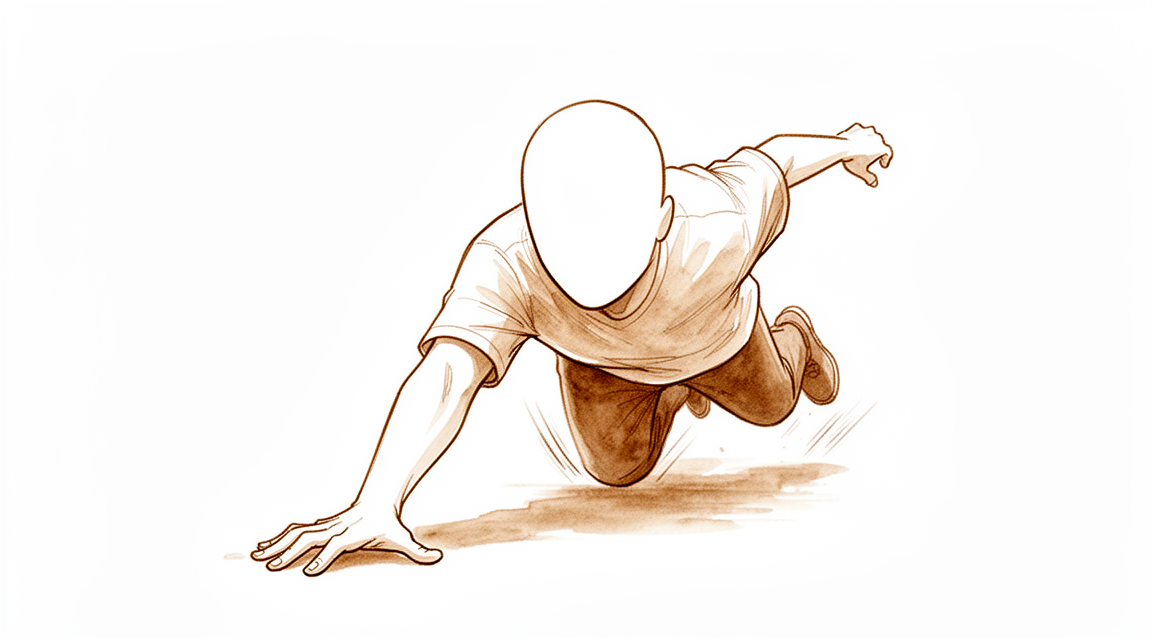
Scaphoid fractures — recognition, the high non-union risk, casting and percutaneous/open fixation.
What you're feeling
You may feel pain and tenderness in the base of your thumb, just below the wrist. This area is known as the anatomical snuffbox. The pain often starts after a fall onto an outstretched hand. You might notice swelling or bruising around the wrist. Simple activities can become difficult. Reaching behind your back to fasten a bra may hurt. Tucking in a shirt or turning a doorknob can trigger sharp discomfort. Lifting objects, even light ones, may feel unstable or painful.
The pain often worsens with movement. Using your thumb and wrist together puts stress on the injured bone. You might find it hard to grip things firmly. This can make holding a coffee cup or a phone challenging. Resting your hand usually helps reduce the ache. However, the pain may flare up later in the day after you have been active. Some patients report that the discomfort is noticeable at night, especially if you sleep on that side. Waking up with a stiff or aching wrist is common.
It is important to know that standard X-rays do not always show the fracture clearly. In fact, true fractures are identified in only about 40% of patients based on initial X-rays and clinical exams alone. This means your symptoms might feel severe even if the first scan looks normal. If your surgeon suspects a fracture but the X-ray is unclear, they may order an MRI. This scan can find hidden injuries that X-rays miss. Early diagnosis helps prevent complications.
If the bone does not heal properly, it can lead to a nonunion. This happens when the bone fails to knit back together. Nonunion rates remain high for scaphoid fractures. In some cases, delayed or nonunion occurs in over 6% of patients, even with proper initial treatment. Most of these patients will need surgery to fix the bone. Early internal fixation is increasingly favored to lower this risk. Your surgeon will discuss the best path for you based on the specific details of your injury.
What's actually happening
Your scaphoid is a small, walnut-shaped bone in your wrist. It acts like a critical bridge between your forearm and hand bones. This bone has a tricky blood supply, meaning it does not always get enough fuel to heal on its own. When you break it, that healing process can stall. This is called a nonunion. Even with modern diagnosis and surgery, nonunion rates remain high.
If the bone does not knit back together, the normal movement of your wrist changes. The bones in your wrist are supposed to move in a coordinated dance. A broken scaphoid disrupts this rhythm. It partially uncouples the upper and lower rows of wrist bones. This leads to abnormal motion and wear on the joint surfaces. Over time, this wear-and-tear can cause arthritis. You may feel pain and stiffness as the joint surfaces rub against each other without their usual smooth protection.
Your surgeon can help restore this balance. For some breaks, a simple screw holds the pieces together while they heal. For more complex cases, your surgeon may use a bone graft. This involves taking a small piece of healthy bone to fill gaps and encourage growth. In some situations, your surgeon might also adjust the shape of your forearm bone. This shifts the weight away from the damaged scaphoid. These steps aim to restore normal wrist motion and grip strength.
The goal is to stop the abnormal wear before it causes lasting damage. If treated early, even displaced fractures can heal well. If the bone does unite, you will likely have a good outcome, regardless of minor shape changes. The focus is on giving you a pain-free, functional wrist that can handle daily tasks without the grinding or instability caused by a broken bridge.
What we can do about it
Your care begins with careful monitoring and rest. Because standard X-rays and two clinical exams only identify a true fracture in about 40% of patients, your surgeon may use early MRI to get a clear answer. This scan accurately finds hidden injuries and helps rule out fractures when initial results are unclear. While you wait for a diagnosis or during conservative treatment, you should avoid activities that strain your wrist. Physiotherapy aims to restore your range of motion and strength once the bone has healed. For many patients, especially those with nondisplaced fractures, nonoperative treatment is effective. Union rates for these cases approach or even exceed those of surgery. You can expect to wear a cast or splint for a period determined by your surgeon. There is no single best protocol for how long to immobilize your wrist after any procedure, so your team will guide you based on your healing progress.
Pain management is a key part of your recovery. Your surgeon may recommend over-the-counter pain relievers to keep you comfortable. However, you must be cautious with nonsteroidal anti-inflammatory drugs (NSAIDs). If you take these medications within the first month of your injury, you face an increased risk that the bone will fail to heal (nonunion). This failure may lead to more complex salvage procedures later. For most acute fractures, we do not use cortisone, hyaluronic acid, or PRP injections as standard care. Instead, we focus on protecting the bone while it repairs itself. If you have a nonunion that is nondisplaced and nonangulated, minimally invasive bone grafting and compression screw fixation may be considered. This approach is safe and effective for stabilizing the bone without major surgery.
Surgery is typically reserved for displaced fractures or cases where conservative care has failed. If your fracture is displaced, operative intervention is recommended to align the bone correctly. For recent nonunions that did not heal with initial treatment, your surgeon might perform a distal scaphoid resection or use double antirotation screw fixation with arthroscopy. These procedures aim to stabilize the bone and promote healing. While early internal fixation is increasingly favored for some acute fractures, it is not always necessary for nondisplaced injuries. In fact, there is no true long-term benefit to surgery compared to nonoperative treatment for acute nondisplaced or minimally displaced fractures. Your surgeon will help you choose a path based on your individual values and risk tolerance. Remember, nonunion rates remain high even with improved techniques, so close follow-up is essential regardless of the treatment chosen.
What to expect
Most scaphoid fractures heal well, especially in children. For adults, the outlook depends on how quickly you get treated and whether the bone pieces have shifted. If the fracture is not displaced or only slightly displaced, your surgeon may recommend a cast or surgery. Both approaches lead to similar long-term function. However, surgery helps you return to work about 7 weeks faster than casting alone.
If the bone fails to heal, this is called nonunion. This happens in more than 10% of cases after surgery for closed fractures. It is also more common if you present for care more than 21 days after the injury. Delayed treatment increases the risk of casting failure. Nonunion can lead to progressive wear-and-tear arthritis in the wrist. While this sounds serious, many patients still report good wrist motion and strength years later, even if the bone shape is slightly altered.
Your surgeon will monitor your healing closely. If you have a nonunion, further surgery may be needed. These repeat procedures are less successful than the first attempt. In some cases where arthritis has developed, removing part of the scaphoid bone can relieve pain. About 94% of patients remain satisfied with this procedure, and it stops the wrist from collapsing further.
Overall, virtually all scaphoid fractures that successfully unite lead to a good outcome. The key is ensuring the bone heals. Early diagnosis is critical because standard X-rays often miss these injuries. If you are in a group at higher risk for delayed healing, such as those with certain mental health conditions or from deprived communities, extra attention to your follow-up is important. With proper care, you can expect to regain normal hand function and strength over the coming months.
When to see someone
See your GP if you have persistent pain, weakness, or instability in your wrist. Symptoms that interfere with sleep or work need attention. Ask for a specialist review if your wrist locks or gives way. Sudden worsening of pain is also a warning sign. Be aware that delayed presentation 21 days or more after injury predicts a greater risk of casting failure. Misdiagnosed fractures can lead to significant complications. Early diagnosis helps avoid these issues. If initial X-rays are unclear, early MRI can accurately identify injuries. Do not ignore symptoms, as untreated fractures may not heal properly.
Evidence & references
title: "Scaphoid Fracture" slug: scaphoid-fracture region: wrist audience: patient mesh_terms: ["Scaphoid Bone", "Wrist Injuries", "Casts, Surgical", "Fracture Healing", "Fractures, Ununited", "Bone Screws", "Observer Variation", "Fractures, Malunited"] article_count: 471 model_used: Qwen3.6-35B-A3B-Q8_0.gguf generated_at: '2026-06-16T19:36:04+00:00' key_articles: - title: "Management Modalities and Outcomes Following Acute Scaphoid Fractures in Children: A Quantitative Review and Meta-Analysis" ref_num: 1 evidence_tier: paper evidence_level: 1 doi: 10.1177/1558944717735948 year: 2017 - title: "Questions regarding the evidence guiding treatment of displaced scaphoid fractures" ref_num: 2 evidence_tier: paper evidence_level: 5 doi: 10.1177/1753193420977241 year: 2020 - title: "CORR Insights®: What Is the Diagnostic Performance of Conventional Radiographs and Clinical Reassessment Compared With HR-pQCT Scaphoid Fracture Diagnosis?" ref_num: 3 evidence_tier: paper evidence_level: 5 doi: 10.1097/corr.0000000000002413 year: 2022 - title: "Clinical outcome of scaphoid malunion as a result of scaphoid fracture nonunion surgical treatment: A 5-year minimum follow-up study" ref_num: 4 evidence_tier: paper evidence_level: 4 doi: 10.1016/j.otsr.2014.09.026 year: 2015 - title: "Nonoperative Compared with Operative Treatment of Acute Scaphoid Fractures" ref_num: 5 evidence_tier: paper evidence_level: 1 doi: 10.2106/jbjs.g.00673 year: 2008 - title: "The Scaphoid Staple: A Systematic Review" ref_num: 6 evidence_tier: paper evidence_level: 4 doi: 10.1177/1558944716658747 year: 2016 - title: "Outcome of routine bone scintigraphy in suspected scaphoid fractures" ref_num: 8 evidence_tier: paper doi: 10.1016/j.injury.2005.02.009 year: 2005 - title: "What Is the Diagnostic Performance of Conventional Radiographs and Clinical Reassessment Compared With HR-pQCT Scaphoid Fracture Diagnosis?" ref_num: 9 evidence_tier: paper evidence_level: 2 doi: 10.1097/corr.0000000000002310 year: 2022 - title: "Diagnosis of Scaphoid Fracture Displacement" ref_num: 10 evidence_tier: paper evidence_level: 5 doi: 10.1016/j.jhsa.2012.10.025 year: 2013 - title: "An Epidemiologic Perspective on Scaphoid Fracture Treatment and Frequency of Nonunion" ref_num: 11 evidence_tier: paper evidence_level: 3 doi: 10.1016/j.jhsa.2015.06.019 year: 2015 - title: "6-week radiographs unsuitable for diagnosis of suspected scaphoid fractures" ref_num: 12 evidence_tier: paper evidence_level: 2 doi: 10.1007/s00402-016-2438-4 year: 2016 - title: "Treatment of Scaphoid Fractures" ref_num: 13 evidence_tier: paper evidence_level: 5 doi: 10.1016/j.hcl.2017.04.003 year: 2017 - title: "Scaphoid Fracture - Overview and Conservative Treatment" ref_num: 14 evidence_tier: paper evidence_level: 5 doi: 10.1142/s0218810415400018 year: 2015 - title: "INTERNAL FIXATION OF SCAPHOID FRACTURES" ref_num: 15 evidence_tier: paper evidence_level: 5 doi: 10.1016/s0749-0712(21)00118-9 year: 1997 - title: "Management of late-diagnosed scaphoid fractures" ref_num: 16 evidence_tier: paper evidence_level: 4 doi: 10.1016/j.injury.2009.07.078 year: 2010 - title: "Percutaneous Fixation of Scaphoid Fractures" ref_num: 17 evidence_tier: paper evidence_level: 4 doi: 10.5435/00124635-200708000-00004 year: 2007 - title: "One-year outcome of surgery compared with immobilization in a cast for adults with an undisplaced or minimally displaced scaphoid fracture" ref_num: 18 evidence_tier: paper evidence_level: 1 doi: 10.1302/0301-620x.104b8.bjj-2022-0085.r2 year: 2022 - title: "Why scaphoid fractures are missed. A review of 52 medical negligence cases" ref_num: 19 evidence_tier: paper evidence_level: 4 doi: 10.1016/j.injury.2019.05.009 year: 2019 - title: "Reliability of clinical tests for prediction of occult scaphoid fractures and cost benefit analysis of a dedicated scaphoid pathway" ref_num: 20 evidence_tier: paper evidence_level: 3 doi: 10.1177/1753193420979465 year: 2020 - title: "Surgical treatment of non- and minimally-displaced acute scaphoid fractures favours over-conservative treatment but only in the short term: an updated meta-analysis" ref_num: 21 evidence_tier: paper evidence_level: 1 doi: 10.1136/jisakos-2015-000024 year: 2016 - title: "The rate of nonunion in the MRI-detected occult scaphoid fracture" ref_num: 22 evidence_tier: paper evidence_level: 3 doi: 10.1302/0301-620x.106b4.bjj-2023-1171.r1 year: 2024 - title: "Early magnetic resonance imaging in patients with a clinically suspected scaphoid fracture may identify occult wrist injuries" ref_num: 23 evidence_tier: paper evidence_level: 2 doi: 10.1177/1753193412471008 year: 2012 - title: "Acute Scaphoid Fractures" ref_num: 24 evidence_tier: paper evidence_level: 1 doi: 10.2106/jbjs.rvw.15.00073 year: 2016 - title: "Distal Scaphoid Excision for Chronic and Nonchronic Scaphoid Fracture Nonunion" ref_num: 25 evidence_tier: paper evidence_level: 4 doi: 10.1016/j.jhsg.2024.03.013 year: 2024 - title: "MANAGEMENT OF ACUTE SCAPHOID FRACTURES" ref_num: 26 evidence_tier: paper evidence_level: 5 doi: 10.1016/s0749-0712(21)00580-1 year: 2000 - title: "Importance of Computed Tomography in Determining Displacement of Scaphoid Fractures" ref_num: 27 evidence_tier: paper evidence_level: 4 doi: 10.1016/j.jhsa.2015.06.022 year: 2015 - title: "Treatment of Scaphoid Fractures and Nonunions" ref_num: 28 evidence_tier: paper evidence_level: 5 doi: 10.1016/j.jhsa.2008.04.026 year: 2008 - title: "Clinically Significant Treatment Delay in Pediatric Scaphoid Fractures" ref_num: 29 evidence_tier: paper evidence_level: 4 doi: 10.1016/j.jhsa.2023.10.020 year: 2024 - title: "Scaphoid Malunion Clinical and Radiographic Outcomes at a Minimum of 4 Years Follow-Up" ref_num: 30 evidence_tier: paper evidence_level: 4 doi: 10.1016/j.jhsa.2020.04.002 year: 2020 - title: "Long-Term Outcomes After Distal Scaphoid Fractures: A 10-Year Follow-Up" ref_num: 31 evidence_tier: paper evidence_level: 2 doi: 10.1016/j.jhsa.2017.06.016 year: 2017 - title: "EFFECTS OF SCAPHOID FRACTURES ON THE BIOMECHANICS OF THE WRIST" ref_num: 34 evidence_tier: paper evidence_level: 5 doi: 10.1016/s0749-0712(21)01439-6 year: 2001 - title: "Interfragmentary Motion in Patients With Scaphoid Nonunion" ref_num: 35 evidence_tier: paper evidence_level: 4 doi: 10.1016/j.jhsa.2008.03.008 year: 2008 - title: "Conservative Treatment Versus Arthroscopic-Assisted Screw Fixation of Scaphoid Waist Fractures—A Randomized Trial With Minimum 4-Year Follow-Up" ref_num: 36 evidence_tier: paper evidence_level: 2 doi: 10.1016/j.jhsa.2015.03.007 year: 2015 - title: "INCIDENCE, MECHANISM, AND NATURAL HISTORY OF SCAPHOID FRACTURES" ref_num: 37 evidence_tier: paper evidence_level: 5 doi: 10.1016/s0749-0712(21)01437-2 year: 2001 - title: "Ultrasound for Diagnosis of Scaphoid Fractures" ref_num: 39 evidence_tier: paper evidence_level: 4 doi: 10.1054/jhsb.2000.0432 year: 2000 - title: "The interobserver reliability of the diagnosis and classification of scaphoid fractures using high-resolution peripheral quantitative CT" ref_num: 40 evidence_tier: paper evidence_level: 4 doi: 10.1302/0301-620x.102b4.bjj-2019-0632.r3 year: 2020 - title: "Scaphoid nonunion: what is the role of the Zaidemberg 1,2 intercompartmental supraretinacular arterial flap?" ref_num: 41 evidence_tier: paper evidence_level: 4 doi: 10.1177/1753193417739510 year: 2017 - title: "Scaphoid Nonunions Treated With 2 Headless Compression Screws and Bone Grafting" ref_num: 44 evidence_tier: paper evidence_level: 4 doi: 10.1016/j.jhsa.2014.02.030 year: 2014 - title: "Compression-staple fixation for fractures, non-unions, and delayed unions of the carpal scaphoid." ref_num: 46 evidence_tier: paper evidence_level: 5 doi: 10.2106/00004623-199274030-00014 year: 1992 - title: "Carpal scaphoid fracture and non-union in an eight-year-old child. Report of a case." ref_num: 49 evidence_tier: paper evidence_level: 4 doi: 10.2106/00004623-198365080-00026 year: 1983 - title: "Treatment of Acute Scaphoid Fractures: A Systematic Review and Meta-Analysis" ref_num: 51 evidence_tier: paper evidence_level: 1 doi: 10.1007/s11552-010-9276-6 year: 2010 - title: "Non-operative treatment of non-displaced scaphoid fractures may be preferred" ref_num: 53 evidence_tier: paper evidence_level: 4 doi: 10.1016/j.injury.2008.10.028 year: 2009 - title: "Early Nonsteroidal Anti-Inflammatory Drug Prescriptions and Nonunion After Scaphoid Fractures: A TriNetX Matched Cohort Study" ref_num: 54 evidence_tier: paper evidence_level: 2 doi: 10.1016/j.jhsg.2026.100958 year: 2026 - title: "PERCUTANEOUS AND ARTHROSCOPIC SCREW FIXATION OF SCAPHOID FRACTURES IN THE ATHLETE" ref_num: 55 evidence_tier: paper evidence_level: 4 doi: 10.1016/s0749-0712(21)00181-5 year: 1999 - title: "The Role of Magnetic Resonance Imaging in Scaphoid Fractures" ref_num: 56 evidence_tier: paper evidence_level: 5 doi: 10.1016/j.jhsa.2013.03.055 year: 2013 - title: "Acute Fractures of the Scaphoid" ref_num: 57 evidence_tier: paper evidence_level: 5 doi: 10.5435/00124635-200007000-00003 year: 2000 - title: "Commentary on ‘Early CT for suspected occult scaphoid fractures’ by Stevenson et al. J Hand Surg Eur. 2012, 37: 447-51" ref_num: 58 evidence_tier: commentary evidence_level: 5 doi: 10.1177/1753193412446273 year: 2012 - title: "Diagnostic accuracy of multidetector computed tomography for patients with suspected scaphoid fractures and negative radiographic examinations" ref_num: 59 evidence_tier: paper evidence_level: 2 doi: 10.1007/s11604-010-0520-3 year: 2011 - title: "Imaging for Acute and Chronic Scaphoid Fractures" ref_num: 60 evidence_tier: paper doi: 10.1016/j.hcl.2019.03.001 year: 2019 - title: "Acute Fractures of the Scaphoid" ref_num: 61 evidence_tier: paper evidence_level: 5 doi: 10.2106/00004623-200612000-00026 year: 2006 - title: "Postoperative Immobilization of Scaphoid Fractures: A Comprehensive Review of the Literature" ref_num: 62 evidence_tier: paper evidence_level: 4 doi: 10.1177/15589447221093675 year: 2022 - title: "Variation in definitions of scaphoid fracture on MRI scans for suspected fracture: a systematic review" ref_num: 63 evidence_tier: paper evidence_level: 3 doi: 10.1177/17531934251367541 year: 2025 - title: "A prospective comparison for suspected scaphoid fractures: Bone scintigraphy versus clinical outcome" ref_num: 64 evidence_tier: paper evidence_level: 5 doi: 10.1016/j.injury.2007.12.013 year: 2008 - title: "Long-Term Outcomes of Scaphoid Malunion" ref_num: 65 evidence_tier: paper evidence_level: 4 doi: 10.1177/1558944716643295 year: 2016 - title: "Reply to the Letter to the Editor: Routine MRI Among Patients With a Suspected Scaphoid Fracture Risks Overdiagnosis" ref_num: 66 evidence_tier: paper evidence_level: 5 doi: 10.1097/corr.0000000000003141 year: 2024 - title: "Imaging for Suspected Scaphoid Fracture" ref_num: 67 evidence_tier: paper evidence_level: 5 doi: 10.1016/j.jhsa.2008.04.016 year: 2008 - title: "Editor’s Spotlight/Take 5: Routine MRI Among Patients With a Suspected Scaphoid Fracture Risks Overdiagnosis" ref_num: 72 evidence_tier: paper evidence_level: 5 doi: 10.1097/corr.0000000000002914 year: 2023 - title: "The Association Between Lunate Morphology and Scaphoid Fractures: A Comparative Radiographic Assessment" ref_num: 74 evidence_tier: paper evidence_level: 3 doi: 10.1016/j.jhsa.2025.10.018 year: 2026 - title: "Re: van Boxel et al. Variation in definitions of scaphoid fracture on MRI scans for suspected fracture: a systematic review" ref_num: 76 evidence_tier: paper evidence_level: 5 doi: 10.1177/17531934251394819 year: 2025 - title: "False Positive MRI's for Scaphoid Fracture in Healthy Volunteers" ref_num: 77 evidence_tier: paper doi: 10.1016/s0363-5023(10)60085-8 year: 2010 - title: "A Rare Case of Bilateral Lunotriquetral Coalition and Bilateral Scaphoid Nonunion" ref_num: 78 evidence_tier: paper evidence_level: 4 doi: 10.1016/j.jhsa.2015.07.003 year: 2015 - title: "Rotational stability in screw-fixed scaphoid fractures compared to plate-fixed scaphoid fractures" ref_num: 79 evidence_tier: paper doi: 10.1007/s00402-016-2556-z year: 2016 - title: "Scaphoid Fractures and Nonunion: A Survey-based Review of Hand Surgeon’s Practice and the Evidence" ref_num: 80 evidence_tier: paper evidence_level: 5 doi: 10.1016/j.jhsg.2024.06.013 year: 2024 - title: "Delayed Scaphoid Fracture Union in Patients With Comorbid Psychiatric Diagnoses: A Retrospective Analysis of 20 340 Patients" ref_num: 83 evidence_tier: paper evidence_level: 3 doi: 10.1177/15589447221142894 year: 2022 - title: "Usefulness of dynamic contrast-enhanced MRI in the evaluation of the viability of acute scaphoid fracture" ref_num: 84 evidence_tier: paper evidence_level: 4 doi: 10.1007/s00256-014-1981-8 year: 2014 - title: "Early Detection of Healing of Scaphoid Fracture Nonunions Using Computed Tomography" ref_num: 86 evidence_tier: paper evidence_level: 4 doi: 10.1016/j.jhsa.2016.07.051 year: 2016 synthesis_version: "v2" verifier_status: skipped
Overview
- Pediatric scaphoid fractures have excellent outcomes [1].
- Some well-established and widely used principles of scaphoid fracture management are supported by an insufficient amount of evidence, with many decisions based on small case series [2].
- The clinical outcomes of malunited scaphoids after reconstruction for scaphoid fractures nonunion did not differ significantly from well-united scaphoids at a minimum 5-year follow-up [4].
- Internal fixation of scaphoid fractures is indicated in certain acute situations and in chronic nonunion cases [15].
- Appropriately performed acute percutaneous internal fixation is now a standard treatment option for a selected group of patients with acute scaphoid fracture [17].
- The definition of instability of scaphoid fractures and the indications for conservative treatment must be considered carefully [14].
- Nondisplaced scaphoid fractures can be effectively treated nonoperatively with union rates approaching or exceeding those of operative intervention, while operative intervention is recommended for displaced fractures [24].
- This study did not demonstrate a true long-term benefit of internal fixation, compared with nonoperative treatment, for acute nondisplaced or minimally displaced scaphoid fractures [5].
- For all indications, the scaphoid staple has a high union rate and a low complication rate [6].
- Patients with recent scaphoid fractures that failed treatment may also be treated with distal scaphoid resection [25].
- Despite improvements in diagnosis and surgical techniques, nonunion rates remain high and early internal fixation is increasingly favored even for nondisplaced fractures [28].
Anatomy & Pathophysiology
- The scaphoid is critical to the coordination of normal carpal kinematics [34].
- Scaphoid fracture has significant biomechanical consequences to the wrist [34].
- Scaphoid nonunions have a dramatic impact on carpal kinematics, partially uncoupling the proximal and distal carpal rows [35].
- Problem fractures and non-unions of the scaphoid are associated with major alterations in wrist kinematics [46].
- Problem fractures and non-unions of the scaphoid are associated with a higher incidence of premature carpal collapse and degenerative arthritis than previously appreciated [46].
- A foreshortened healed scaphoid will disrupt carpal kinematics [37].
- A foreshortened healed scaphoid negatively impacts results, including decreased wrist range of motion and diminished grip strength [37].
- Malunion or nonunion of an acute scaphoid fracture can lead to abnormal carpal kinematics and wrist arthrosis [61].
- Radiocarpal-based lunate morphology was not associated with scaphoid fracture [74].
- Anomalous carpal kinematics caused by lunotriquetral coalition may have predisposed both scaphoid bones to fracture, although causality cannot be proven [78].
Classification
- Pediatric scaphoid fractures have excellent outcomes [1].
- Even some well-established and widely used principles of scaphoid fracture management are supported by an insufficient amount of evidence, with many decisions based on small case series [2].
- The combination of conventional radiographs and two clinical examinations does not provide adequate diagnostic certainty for scaphoid fractures, as a true fracture was identified in only about 40% of patients [3].
- If there is a strong clinical suspicion of a scaphoid fracture which cannot be confirmed by conventional radiology, bone scintigraphy is a valuable diagnostic tool [8].
- The combination of conventional radiographs and clinical reassessment does not increase the accuracy of these diagnostic tests compared with the accuracy of conventional radiographs alone and is therefore also limited in diagnosing scaphoid fractures [9].
- There is no consensus regarding the imaging modality and measurements to use to define a scaphoid fracture as 'nondisplaced' [10].
- Due to low agreement between observers for the recognition of scaphoid fractures and poor diagnostic performance, 6-week radiographs are not adequate for evaluating suspected scaphoid fractures [12].
- Scaphoid fractures account for 2% of all fractures and are the most commonly injured carpal bone [13].
- The definition of instability of scaphoid fractures and the indications for conservative treatment must be considered carefully [14].
- Internal fixation of scaphoid fractures is indicated in certain acute situations and in chronic nonunion cases [15].
- Despite improvements in diagnosis and surgical techniques, nonunion rates remain high and early internal fixation is increasingly favored even for nondisplaced fractures [28].
- There is a need for a validated prognostic classification system for scaphoid nonunions that can allow comparisons between outcome studies [41].
- The authors hypothesise higher union rates in scaphoid fractures using more stable fixation systems [79].
- Scaphoid fracture and nonunion management continues to be an area of expanding evidence with opportunities to improve knowledge and familiarization with current evidence-based data [80].
Clinical Presentation
- Scaphoid fractures account for 2% of all fractures and are the most commonly injured carpal bone [13].
- Most scaphoid fractures are missed due to failure to consider the possibility of the injury and search for clinical signs [19].
- The combination of conventional radiographs and two clinical examinations does not provide adequate diagnostic certainty for scaphoid fractures, as a true fracture was identified in only about 40% of patients [3].
- The combination of conventional radiographs and clinical reassessment does not increase the accuracy of these diagnostic tests compared with the accuracy of conventional radiographs alone and is therefore also limited in diagnosing scaphoid fractures [9].
- 6-week radiographs are not adequate for evaluating suspected scaphoid fractures due to low agreement between observers for the recognition of scaphoid fractures and poor diagnostic performance [12].
- Ultrasonic assessment is not recommended for the early diagnosis of acute scaphoid fractures, with a sensitivity of only 50% and five missed scaphoid fractures in a small series [39].
- If there is a strong clinical suspicion of a scaphoid fracture which cannot be confirmed by conventional radiology, bone scintigraphy is a valuable diagnostic tool [8].
- Clinical examination along with early MRI scan should form the basis of diagnosing a suspected scaphoid fracture [20].
- The use of early MRI in patients with clinically suspected scaphoid fracture results in the accurate and reliable identification of a significant number of radiological occult injuries and early identification of patients without acute injuries [23].
- MRI-detected scaphoid fractures are not universally benign, with delayed or nonunion seen in over 6% despite appropriate initial immobilization, with most of these patients with nonunion requiring surgery to achieve union [22].
- The diagnosis of scaphoid and other fractures is reliable when using HRpQCT in patients with a clinically-suspected fracture [40].
- There is no consensus regarding the imaging modality and measurements to use to define a scaphoid fracture as 'nondisplaced' [10].
- Oblique scaphoid fractures are potentially unstable and may result in detrimental sequelae if overlooked in the acute stage [16].
Investigations
- Conventional radiographs combined with two clinical examinations provide inadequate diagnostic certainty for scaphoid fractures, identifying a true fracture in only about 40% of patients [3].
- The combination of conventional radiographs and clinical reassessment does not increase diagnostic accuracy compared to conventional radiographs alone [9].
- There is no consensus on the imaging modality or measurements used to define a scaphoid fracture as nondisplaced [10].
- Six-week radiographs are not adequate for evaluating suspected scaphoid fractures due to low inter-observer agreement and poor diagnostic performance [12].
- Most missed scaphoid fractures result from a failure to consider the injury possibility and search for clinical signs [19].
- Clinical examination combined with early MRI scan should form the basis for diagnosing suspected scaphoid fractures [20].
- MRI-detected scaphoid fractures are not universally benign, with delayed or nonunion occurring in over 6% of cases despite appropriate initial immobilization [22].
- Most patients with nonunion of MRI-detected scaphoid fractures require surgery to achieve union [22].
- Early MRI in patients with clinically suspected scaphoid fractures accurately and reliably identifies a significant number of radiological occult injuries [23].
- Early MRI in patients with clinically suspected scaphoid fractures allows for the early identification of patients without acute injuries [23].
- Early MRI provides an immediate diagnosis for suspected scaphoid fractures when initial radiographs are inconclusive [56].
- Early MRI for suspected scaphoid fractures when initial radiographs are inconclusive is cost-effective and minimizes complications [56].
- CT is a good way to screen for occult fractures but may not be superior to MRI or bone scanning in detecting scaphoid fractures without causing overtreatment [58].
- Multidetector computed tomography (MDCT) has a sensitivity of 86% and specificity of 100% for detecting occult scaphoid fractures in patients with negative radiographic examinations [59].
- MRI is the optimal second test for assessing a possible scaphoid fracture after a negative radiograph [60].
- CT is preferred over MRI when the fracture is visible for further assessment and surgical planning [60].
- There is variation in definitions of scaphoid fractures on MRI scans, highlighting a need for consensus to assess reliability and diagnostic performance [63].
- Bone scintigraphy is inappropriate for evaluating specificity and sensitivity against clinical examination [64].
- MRI is the recommended examination of choice for diagnosing occult scaphoid fractures over bone scintigraphy [64].
- MRI is considered the best diagnostic radiological test for triage of suspected scaphoid fractures according to existing literature [67].
- Bone scanning, CT, and ultrasound may be useful for suspected scaphoid fractures when MRI is not readily available [67].
- Routine MRI of suspected scaphoid fractures carries a notable risk of overdiagnosis and potential overtreatment [72].
- Nearly 70% of MRI findings in suspected scaphoid fractures are categorized as distracting and potentially misleading [72].
- Stopping the pursuit of occult fractures may prevent unnecessary treatment due to the risk of overdiagnosis with routine MRI [72].
- Better standardization of MRI definitions for scaphoid fractures is required to address diagnostic uncertainty [76].
- A definitive definition may not exist to solve the potentially unsolvable issue of diagnostic uncertainty in scaphoid fractures [76].
- Patients should participate in decisions regarding diagnostic and treatment strategies for scaphoid fractures due to diagnostic uncertainty [76].
- MRI is not 100% specific for diagnosing occult scaphoid fractures, with a specificity of 96% in healthy volunteers [77].
Treatment
Nonoperative Management
- Pediatric scaphoid fractures have excellent outcomes [1].
- Internal fixation of scaphoid fractures is indicated in certain acute situations and in chronic nonunion cases [15].
- Early treatment of acute scaphoid fractures is important, with union rates significantly greater when treatment is instituted prior to 4 weeks from injury [26].
- Nondisplaced scaphoid fractures can be effectively treated nonoperatively with union rates approaching or exceeding those of operative intervention, while operative intervention is recommended for displaced fractures [24].
- Surgical treatment for non-displaced and minimally displaced acute scaphoid fractures may be slightly favourable compared to conservative treatment for standardised functional outcome on the short term (within 2 years), with a significantly faster return to work (SMD of 7 weeks) [21].
- This study did not demonstrate a true long-term benefit of internal fixation, compared with nonoperative treatment, for acute nondisplaced or minimally displaced scaphoid fractures [5].
- We found no difference in functional outcome at 12 months for fractures of the waist of the scaphoid with ≤ 2 mm displacement treated operatively or nonoperatively [18].
- Non- and minimally displaced scaphoid waist fractures are best treated conservatively [36].
- Non-operative treatment of non-displaced scaphoid fractures may be preferred [53].
- A restricted period of cast immobilisation is usually adequate for the treatment of non-displaced scaphoid fractures [53].
- Nondisplaced fractures of the scaphoid heal with cast immobilization in most cases, but operative treatment is being offered with greater frequency to active patients to reduce the period of cast immobilization [57].
- The definition of instability of scaphoid fractures and the indications for conservative treatment must be considered carefully [14].
- Currently, there is insufficient evidence to support the most effective treatment for acute scaphoid fractures [51].
- Even some well-established and widely used principles of scaphoid fracture management are supported by an insufficient amount of evidence, with many decisions based on small case series [2].
- Among patients with nonoperatively managed scaphoid fractures, those prescribed NSAIDs within 1 month of diagnosis demonstrated an increased risk of nonunion and subsequent salvage procedures [54].
Operative Management
- Appropriately performed acute percutaneous internal fixation is now a standard treatment option for a selected group of patients with acute scaphoid fracture [17].
- The frequency of non-union after surgical management for closed scaphoid fractures exceeds 10% and remained consistent during the study period [11].
- For all indications, the scaphoid staple has a high union rate and a low complication rate [6].
- The use of 2 headless compression screws for the treatment of scaphoid nonunions is safe and effective [44].
- Patients with recent scaphoid fractures that failed treatment may also be treated with distal scaphoid resection [25].
- The optimal protocol for postoperative immobilization following operative treatment of scaphoid fractures remains controversial [62].
Special Populations and Considerations
- The authors prefer to treat nondisplaced acute scaphoid fractures in the athlete on an individualized basis [55].
- The clinical outcomes of malunited scaphoids after reconstruction for scaphoid fractures nonunion did not differ significantly from well-united scaphoids at a minimum 5-year follow-up [4].
- This case is interesting as the child is one of the youngest patients described in the literature with a scaphoid fracture, and the fracture went on to non-union despite immediate medical attention and rigorous treatment [49].
- The authors argue that comfort with uncertainty is key in suspected scaphoid fracture scenarios, as there is no best strategy; instead, clinicians should help patients choose a diagnostic and therapeutic course based on their individual values and risk tolerance [66].
Complications
- Pediatric scaphoid fractures have excellent outcomes [1].
- Many decisions regarding scaphoid fracture management are based on small case series due to insufficient evidence for well-established principles [2].
- The combination of conventional radiographs and two clinical examinations does not provide adequate diagnostic certainty for scaphoid fractures, as a true fracture was identified in only about 40% of patients [3].
- Clinical outcomes of malunited scaphoids after reconstruction for scaphoid fracture nonunion did not differ significantly from well-united scaphoids at a minimum 5-year follow-up [4].
- There is no true long-term benefit of internal fixation compared with nonoperative treatment for acute nondisplaced or minimally displaced scaphoid fractures [5].
- The scaphoid staple has a high union rate and a low complication rate for all indications [6].
- Subacute scaphoid fractures presenting within 6 months from injury can be expected to successfully heal with casting alone, even if the initial diagnosis is delayed [7].
- The frequency of nonunion after surgical management for closed scaphoid fractures exceeds 10% and remained consistent during the study period [11].
- Oblique scaphoid fractures are potentially unstable and may result in detrimental sequelae if overlooked in the acute stage [16].
- Appropriately performed acute percutaneous internal fixation is a standard treatment option for a selected group of patients with acute scaphoid fracture [17].
- There is no difference in functional outcome at 12 months for fractures of the waist of the scaphoid with ≤ 2 mm displacement treated operatively or nonoperatively [18].
- Persistent nonunion is common after surgery for scaphoid nonunion, and surgeries for persistent nonunion are even less successful [27].
- Delayed presentation of scaphoid fractures 21 days or more after injury predicts a greater risk of casting failure, although the union rate remains high with comparable time in cast [29].
- Nearly half of all patients with malunited acute scaphoid fractures demonstrated radiographic findings of early arthritis on CT imaging but had overall good clinical results on midterm follow-up [30].
- Increased likelihood for nonunion was found when the fracture was treated greater than 31 days from injury and when fracture volume was less than 38% of the entire scaphoid [32].
Recovery
- Pediatric scaphoid fractures have excellent outcomes [1].
- Clinical outcomes of malunited scaphoids after reconstruction for nonunion did not differ significantly from well-united scaphoids at a minimum 5-year follow-up [4].
- There is no true long-term benefit of internal fixation compared with nonoperative treatment for acute nondisplaced or minimally displaced scaphoid fractures [5].
- The scaphoid staple has a high union rate and a low complication rate for all indications [6].
- Subacute scaphoid fractures presenting within 6 months from injury can be expected to successfully heal with casting alone, even if the initial diagnosis is delayed [7].
- The frequency of nonunion after surgical management for closed scaphoid fractures exceeds 10% [11].
- Oblique scaphoid fractures are potentially unstable and may result in detrimental sequelae if overlooked in the acute stage [16].
- There is no difference in functional outcome at 12 months for fractures of the waist of the scaphoid with ≤ 2 mm displacement treated operatively or nonoperatively [18].
- Surgical treatment for non-displaced and minimally displaced acute scaphoid fractures may be slightly favourable compared to conservative treatment for standardised functional outcome on the short term (within 2 years) [21].
- Surgical treatment for non-displaced and minimally displaced acute scaphoid fractures results in a significantly faster return to work (SMD of 7 weeks) [21].
- Union rates are significantly greater when treatment is instituted prior to 4 weeks from injury [26].
- Persistent nonunion is common after surgery for scaphoid non-union, and surgeries for persistent nonunion are even less successful [27].
- Delayed presentation of scaphoid fractures 21 days or more after injury predicts a greater risk of casting failure [29].
- The union rate remains high with comparable time in cast despite delayed presentation of scaphoid fractures 21 days or more after injury [29].
- Nearly half of all patients with malunited acute scaphoid fractures demonstrated radiographic findings of early arthritis on CT imaging [30].
- Patients with malunited acute scaphoid fractures demonstrated overall good clinical results on midterm follow-up despite radiographic findings of early arthritis [30].
- From an 8- to 11-year perspective, patients with distal scaphoid fractures report normal self-assessed hand function [31].
- From an 8- to 11-year perspective, patients with distal scaphoid fractures report good wrist motion and strength [31].
- Increased likelihood for nonunion was found when the fracture was treated greater than 31 days from injury [32].
- Increased likelihood for nonunion was found when fracture volume was less than 38% of the entire scaphoid [32].
- Patients treated nonoperatively or with salvage procedures had similar long-term outcomes as those treated with a corrective scaphoid osteotomy [65].
- Patients with comorbid psychiatric conditions experienced increased rates of delayed scaphoid union [83].
- Dynamic imaging with time-intensity curve analysis does not provide additional predictive value over standard delayed enhanced imaging for acute scaphoid fracture viability assessment using contrast-enhanced MRI [84].
- Scaphoid nonunions demonstrate findings indicative of progression to union on CT at a mean of 6 weeks [86].
- Scaphoid nonunions demonstrate findings indicative of progression to union on CT as early as 3 weeks postoperatively [86].
Key Evidence
- [L1] Pediatric scaphoid fractures have excellent outcomes. (10.1177/1558944717735948)
- [L5] Even some well-established and widely used principles of scaphoid fracture management are supported by an insufficient amount of evidence, with many decisions based on small case series. (10.1177/1753193420977241)
- [L5] The combination of conventional radiographs and two clinical examinations does not provide adequate diagnostic certainty for scaphoid fractures, as a true fracture was identified in only about 40% of patients. (10.1097/corr.0000000000002413)
- [L4] The clinical outcomes of malunited scaphoids after reconstruction for scaphoid fractures nonunion did not differ significantly from well-united scaphoids at a minimum 5-year follow-up. (10.1016/j.otsr.2014.09.026)
- [L1] This study did not demonstrate a true long-term benefit of internal fixation, compared with nonoperative treatment, for acute nondisplaced or minimally displaced scaphoid fractures. (10.2106/jbjs.g.00673)
- [L4] For all indications, the scaphoid staple has a high union rate and a low complication rate. (10.1177/1558944716658747)
- [Paper] If there is a strong clinical suspicion of a scaphoid fracture which cannot be confirmed by conventional radiology, bone scintigraphy is a valuable diagnostic tool. (10.1016/j.injury.2005.02.009)
- [L2] The combination of conventional radiographs and clinical reassessment does not increase the accuracy of these diagnostic tests compared with the accuracy of conventional radiographs alone and is therefore also limited in diagnosing scaphoid fractures. (10.1097/corr.0000000000002310)
- [L5] There is no consensus regarding the imaging modality and measurements to use to define a scaphoid fracture as 'nondisplaced.' (10.1016/j.jhsa.2012.10.025)
- [L3] The frequency of non-union after surgical management for closed scaphoid fractures exceeds 10% and remained consistent during the study period. (10.1016/j.jhsa.2015.06.019)
- [L2] Due to low agreement between observers for the recognition of scaphoid fractures and poor diagnostic performance, 6-week radiographs are not adequate for evaluating suspected scaphoid fractures. (10.1007/s00402-016-2438-4)
- [L5] Scaphoid fractures account for 2% of all fractures and are the most commonly injured carpal bone. (10.1016/j.hcl.2017.04.003)
- [L5] The definition of instability of scaphoid fractures and the indications for conservative treatment must be considered carefully. (10.1142/s0218810415400018)
- [L5] Internal fixation of scaphoid fractures is indicated in certain acute situations and in chronic nonunion cases. (10.1016/s0749-0712(21)00118-9)
- [L4] Oblique scaphoid fractures are potentially unstable and may result in detrimental sequelae if overlooked in the acute stage. (10.1016/j.injury.2009.07.078)
- [L4] Appropriately performed acute percutaneous internal fixation is now a standard treatment option for a selected group of patients with acute scaphoid fracture. (10.5435/00124635-200708000-00004)
- [L1] We found no difference in functional outcome at 12 months for fractures of the waist of the scaphoid with ≤ 2 mm displacement treated operatively or nonoperatively. (10.1302/0301-620x.104b8.bjj-2022-0085.r2)
- [L4] Most scaphoid fractures were missed due to failure to consider the possibility of the injury and search for clinical signs. (10.1016/j.injury.2019.05.009)
- [L3] Clinical examination along with early MRI scan should form the basis of diagnosing a suspected scaphoid fracture. (10.1177/1753193420979465)
- [L1] Surgical treatment for non-displaced and minimally displaced acute scaphoid fractures may be slightly favourable compared to conservative treatment for standardised functional outcome on the short term (within 2 years), with a significantly faster return to work (SMD of 7 weeks). (10.1136/jisakos-2015-000024)
- [L3] MRI-detected scaphoid fractures are not universally benign, with delayed or nonunion seen in over 6% despite appropriate initial immobilization, with most of these patients with nonunion requiring surgery to achieve union. (10.1302/0301-620x.106b4.bjj-2023-1171.r1)
- [L2] The use of early MRI in patients with clinically suspected scaphoid fracture results in the accurate and reliable identification of a significant number of radiological occult injuries and early identification of patients without acute injuries. (10.1177/1753193412471008)
- [L1] Nondisplaced scaphoid fractures can be effectively treated nonoperatively with union rates approaching or exceeding those of operative intervention, while operative intervention is recommended for displaced fractures. (10.2106/jbjs.rvw.15.00073)
- [L4] Patients with recent scaphoid fractures that failed treatment may also be treated with distal scaphoid resection. (10.1016/j.jhsg.2024.03.013)
- [L5] Early treatment of acute scaphoid fractures is important, with union rates significantly greater when treatment is instituted prior to 4 weeks from injury. (10.1016/s0749-0712(21)00580-1)
- [L4] Persistent nonunion is common after surgery for scaphoid non-union, and surgeries for persistent nonunion are even less successful. (10.1016/j.jhsa.2015.06.022)
- [L5] This article reviews current concepts regarding the treatment of scaphoid fractures and nonunions, highlighting that despite improvements in diagnosis and surgical techniques, nonunion rates remain high and early internal fixation is increasingly favored even for nondisplaced fractures. (10.1016/j.jhsa.2008.04.026)
- [L4] Delayed presentation of scaphoid fractures 21 days or more after injury predicts a greater risk of casting failure; however, the union rate remains high with comparable time in cast. (10.1016/j.jhsa.2023.10.020)
- [L4] Nearly half of all patients with malunited acute scaphoid fractures demonstrated radiographic findings of early arthritis on CT imaging but overall good clinical results on midterm follow-up. (10.1016/j.jhsa.2020.04.002)
- [L2] From an 8- to 11-year perspective, patients with distal scaphoid fractures report normal self-assessed hand function as well as good wrist motion and strength. (10.1016/j.jhsa.2017.06.016)
- [L5] The scaphoid is critical to the coordination of normal carpal kinematics, and its fracture has significant biomechanical consequences to the wrist. (10.1016/s0749-0712(21)01439-6)
- [L4] Scaphoid nonunions have a dramatic impact on carpal kinematics, partially uncoupling the proximal and distal carpal rows. (10.1016/j.jhsa.2008.03.008)
- [L2] Non- and minimally displaced scaphoid waist fractures are best treated conservatively. (10.1016/j.jhsa.2015.03.007)
- [L5] All scaphoid fractures that heal do not yield acceptable results, as a foreshortened healed scaphoid will disrupt carpal kinematics and negatively impact results, including decreased wrist range of motion and diminished grip strength. (10.1016/s0749-0712(21)01437-2)
- [L4] With a sensitivity of only 50% and five missed scaphoid fractures in this small series, we can not recommend ultrasonic assessment for the early diagnosis of acute scaphoid fractures. (10.1054/jhsb.2000.0432)
- [L4] The diagnosis of scaphoid and other fractures is reliable when using HRpQCT in patients with a clinically-suspected fracture. (10.1302/0301-620x.102b4.bjj-2019-0632.r3)
- [L4] There is a need for a validated prognostic classification system for scaphoid nonunions that can allow comparisons between outcome studies. (10.1177/1753193417739510)
- [L4] The use of 2 headless compression screws for the treatment of scaphoid nonunions is safe and effective. (10.1016/j.jhsa.2014.02.030)
- [L5] Problem fractures and non-unions of the scaphoid are associated with major alterations in wrist kinematics and a higher incidence of premature carpal collapse and degenerative arthritis than previously appreciated. (10.2106/00004623-199274030-00014)
- [L4] This case is interesting as the child is one of the youngest patients described in the literature with a scaphoid fracture, and the fracture went on to non-union despite immediate medical attention and rigorous treatment. (10.2106/00004623-198365080-00026)
- [L1] Currently, there is insufficient evidence to support the most effective treatment for acute scaphoid fractures. (10.1007/s11552-010-9276-6)
- [L4] A restricted period of cast immobilisation is usually adequate for the treatment of non-displaced scaphoid fractures. (10.1016/j.injury.2008.10.028)
- [L2] Among patients with nonoperatively managed scaphoid fractures, those prescribed NSAIDs within 1 month of diagnosis demonstrated an increased risk of nonunion and subsequent salvage procedures. (10.1016/j.jhsg.2026.100958)
- [L4] The authors prefer to treat nondisplaced acute scaphoid fractures in the athlete on an individualized basis. (10.1016/s0749-0712(21)00181-5)
- [L5] Early magnetic resonance imaging (MRI) provides an immediate diagnosis for suspected scaphoid fractures when initial radiographs are inconclusive, which is cost-effective and minimizes complications. (10.1016/j.jhsa.2013.03.055)
- [L5] Nondisplaced fractures of the scaphoid heal with cast immobilization in most cases, but operative treatment is being offered with greater frequency to active patients to reduce the period of cast immobilization. (10.5435/00124635-200007000-00003)
- [Commentary] CT is a good way to screen occult fractures but may not be any better than MRI or bone scanning in detecting scaphoid fractures without some over treatment. (10.1177/1753193412446273)
- [L2] Although MRI remains the best diagnostic tool after radiography for detecting occult scaphoid fractures, MDCT sensitivity was 86% and specificity was 100% in this study. (10.1007/s11604-010-0520-3)
- [Paper] MRI is the optimal second test for assessing a possible scaphoid fracture after a negative radiograph, while CT is preferred when the fracture is visible for further assessment and surgical planning. (10.1016/j.hcl.2019.03.001)
- [L5] Early diagnosis and vigilant care of an acute scaphoid fracture are warranted to prevent malunion or nonunion, which can lead to abnormal carpal kinematics and wrist arthrosis. (10.2106/00004623-200612000-00026)
- [L4] The optimal protocol for postoperative immobilization following operative treatment of scaphoid fractures remains controversial. (10.1177/15589447221093675)
- [L3] This review highlights the need for a consensus definition of scaphoid fractures on MRI scans to assess the reliability and diagnostic performance of MRI scans for diagnosing true scaphoid fractures, as well as their potential harms and benefits. (10.1177/17531934251367541)
- [L5] The authors argue that bone scintigraphy is inappropriate for evaluating specificity and sensitivity against clinical examination, and that MRI is the recommended examination of choice for diagnosing occult scaphoid fractures. (10.1016/j.injury.2007.12.013)
- [L4] Patients treated nonoperatively or with salvage procedures had similar long-term outcomes as those treated with a corrective scaphoid osteotomy. (10.1177/1558944716643295)
- [L5] The authors argue that comfort with uncertainty is key in suspected scaphoid fracture scenarios, as there is no best strategy; instead, clinicians should help patients choose a diagnostic and therapeutic course based on their individual values and risk tolerance. (10.1097/corr.0000000000003141)
- [L5] According to the existing literature, MRI is the best diagnostic radiological test for triage of suspected scaphoid fractures, but bone scanning, CT, and ultrasound may also be useful, particularly when MRI is not readily available. (10.1016/j.jhsa.2008.04.016)
- [L5] Routine MRI of suspected scaphoid fractures carries a notable risk of overdiagnosis and potential overtreatment, with nearly 70% of MRI findings categorized as distracting and potentially misleading, suggesting that stopping the pursuit of occult fractures may prevent unnecessary treatment. (10.1097/corr.0000000000002914)
- [L3] By contrast, radiocarpal-based lunate morphology was not associated with scaphoid fracture. (10.1016/j.jhsa.2025.10.018)
- [L5] The authors argue that better standardization of MRI definitions for scaphoid fractures is required, but acknowledge that a definition may not exist to solve the potentially unsolvable issue of diagnostic uncertainty, suggesting patients should participate in decisions regarding diagnostic and treatment strategies. (10.1177/17531934251394819)
- [Paper] MRI is not 100% specific for diagnosing an occult scaphoid fracture, with a specificity of 96% in healthy volunteers. (10.1016/s0363-5023(10)60085-8)
- [L4] The patient may represent two isolated coexisting conditions, or the anomalous carpal kinematics caused by the lunotriquetral coalition may have predisposed both scaphoid bones to fracture, although causality cannot be proven. (10.1016/j.jhsa.2015.07.003)
- [Paper] The authors hypothesise higher union rates in scaphoid fractures using more stable fixation systems. (10.1007/s00402-016-2556-z)
- [L5] Scaphoid fracture and nonunion management continues to be an area of expanding evidence with opportunities to improve knowledge and familiarization with current evidence-based data. (10.1016/j.jhsg.2024.06.013)
- [L3] Patients with comorbid psychiatric conditions experienced increased rates of delayed scaphoid union. (10.1177/15589447221142894)
- [L4] Our data are consistent with previously reported data supporting contrast-enhanced MRI for assessment of viability, and showing that dynamic imaging with time-intensity curve analysis does not provide additional predictive value over standard delayed enhanced imaging for acute scaphoid fracture. (10.1007/s00256-014-1981-8)
- [L4] Scaphoid nonunions demonstrate findings indicative of progression to union on CT at a mean of 6 weeks and as early as 3 weeks postoperatively. (10.1016/j.jhsa.2016.07.051)
References
[1] Management Modalities and Outcomes Following Acute Scaphoid Fractures in Children: A Quantitative Review and Meta-Analysis. HAND. 2017. DOI: 10.1177/1558944717735948 [2] Questions regarding the evidence guiding treatment of displaced scaphoid fractures. Journal of Hand Surgery (European Volume). 2020. DOI: 10.1177/1753193420977241 [3] CORR Insights®: What Is the Diagnostic Performance of Conventional Radiographs and Clinical Reassessment Compared With HR-pQCT Scaphoid Fracture Diagnosis?. Clinical Orthopaedics & Related Research. 2022. DOI: 10.1097/corr.0000000000002413 [4] Clinical outcome of scaphoid malunion as a result of scaphoid fracture nonunion surgical treatment: A 5-year minimum follow-up study. Orthopaedics & Traumatology: Surgery & Research. 2015. DOI: 10.1016/j.otsr.2014.09.026 [5] Nonoperative Compared with Operative Treatment of Acute Scaphoid Fractures. The Journal of Bone & Joint Surgery. 2008. DOI: 10.2106/jbjs.g.00673 [6] The Scaphoid Staple: A Systematic Review. HAND. 2016. DOI: 10.1177/1558944716658747 [7] 10.1055-s-0035-1564983. n.d.. [8] Outcome of routine bone scintigraphy in suspected scaphoid fractures. Injury. 2005. DOI: 10.1016/j.injury.2005.02.009 [9] What Is the Diagnostic Performance of Conventional Radiographs and Clinical Reassessment Compared With HR-pQCT Scaphoid Fracture Diagnosis?. Clinical Orthopaedics & Related Research. 2022. DOI: 10.1097/corr.0000000000002310 [10] Diagnosis of Scaphoid Fracture Displacement. The Journal of Hand Surgery. 2013. DOI: 10.1016/j.jhsa.2012.10.025 [11] An Epidemiologic Perspective on Scaphoid Fracture Treatment and Frequency of Nonunion. The Journal of Hand Surgery. 2015. DOI: 10.1016/j.jhsa.2015.06.019 [12] 6-week radiographs unsuitable for diagnosis of suspected scaphoid fractures. Archives of Orthopaedic and Trauma Surgery. 2016. DOI: 10.1007/s00402-016-2438-4 [13] Treatment of Scaphoid Fractures. Hand Clinics. 2017. DOI: 10.1016/j.hcl.2017.04.003 [14] Scaphoid Fracture - Overview and Conservative Treatment. Hand Surgery. 2015. DOI: 10.1142/s0218810415400018 [15] INTERNAL FIXATION OF SCAPHOID FRACTURES. Hand Clinics. 1997. DOI: 10.1016/s0749-0712(21)00118-9 [16] Management of late-diagnosed scaphoid fractures. Injury. 2010. DOI: 10.1016/j.injury.2009.07.078 [17] Percutaneous Fixation of Scaphoid Fractures. Journal of the American Academy of Orthopaedic Surgeons. 2007. DOI: 10.5435/00124635-200708000-00004 [18] One-year outcome of surgery compared with immobilization in a cast for adults with an undisplaced or minimally displaced scaphoid fracture. The Bone & Joint Journal. 2022. DOI: 10.1302/0301-620x.104b8.bjj-2022-0085.r2 [19] Why scaphoid fractures are missed. A review of 52 medical negligence cases. Injury. 2019. DOI: 10.1016/j.injury.2019.05.009 [20] Reliability of clinical tests for prediction of occult scaphoid fractures and cost benefit analysis of a dedicated scaphoid pathway. Journal of Hand Surgery (European Volume). 2020. DOI: 10.1177/1753193420979465 [21] Surgical treatment of non- and minimally-displaced acute scaphoid fractures favours over-conservative treatment but only in the short term: an updated meta-analysis. Journal of ISAKOS. 2016. DOI: 10.1136/jisakos-2015-000024 [22] The rate of nonunion in the MRI-detected occult scaphoid fracture. The Bone & Joint Journal. 2024. DOI: 10.1302/0301-620x.106b4.bjj-2023-1171.r1 [23] Early magnetic resonance imaging in patients with a clinically suspected scaphoid fracture may identify occult wrist injuries. Journal of Hand Surgery (European Volume). 2012. DOI: 10.1177/1753193412471008 [24] Acute Scaphoid Fractures. JBJS Reviews. 2016. DOI: 10.2106/jbjs.rvw.15.00073 [25] Distal Scaphoid Excision for Chronic and Nonchronic Scaphoid Fracture Nonunion. Journal of Hand Surgery Global Online. 2024. DOI: 10.1016/j.jhsg.2024.03.013 [26] MANAGEMENT OF ACUTE SCAPHOID FRACTURES. Hand Clinics. 2000. DOI: 10.1016/s0749-0712(21)00580-1 [27] Importance of Computed Tomography in Determining Displacement of Scaphoid Fractures. The Journal of Hand Surgery. 2015. DOI: 10.1016/j.jhsa.2015.06.022 [28] Treatment of Scaphoid Fractures and Nonunions. The Journal of Hand Surgery. 2008. DOI: 10.1016/j.jhsa.2008.04.026 [29] Clinically Significant Treatment Delay in Pediatric Scaphoid Fractures. The Journal of Hand Surgery. 2024. DOI: 10.1016/j.jhsa.2023.10.020 [30] Scaphoid Malunion Clinical and Radiographic Outcomes at a Minimum of 4 Years Follow-Up. The Journal of Hand Surgery. 2020. DOI: 10.1016/j.jhsa.2020.04.002 [31] Long-Term Outcomes After Distal Scaphoid Fractures: A 10-Year Follow-Up. The Journal of Hand Surgery. 2017. DOI: 10.1016/j.jhsa.2017.06.016 [32] 10.1055-s-0039-3402769. n.d.. [34] EFFECTS OF SCAPHOID FRACTURES ON THE BIOMECHANICS OF THE WRIST. Hand Clinics. 2001. DOI: 10.1016/s0749-0712(21)01439-6 [35] Interfragmentary Motion in Patients With Scaphoid Nonunion. The Journal of Hand Surgery. 2008. DOI: 10.1016/j.jhsa.2008.03.008 [36] Conservative Treatment Versus Arthroscopic-Assisted Screw Fixation of Scaphoid Waist Fractures—A Randomized Trial With Minimum 4-Year Follow-Up. The Journal of Hand Surgery. 2015. DOI: 10.1016/j.jhsa.2015.03.007 [37] INCIDENCE, MECHANISM, AND NATURAL HISTORY OF SCAPHOID FRACTURES. Hand Clinics. 2001. DOI: 10.1016/s0749-0712(21)01437-2 [39] Ultrasound for Diagnosis of Scaphoid Fractures. Journal of Hand Surgery. 2000. DOI: 10.1054/jhsb.2000.0432 [40] The interobserver reliability of the diagnosis and classification of scaphoid fractures using high-resolution peripheral quantitative CT. The Bone & Joint Journal. 2020. DOI: 10.1302/0301-620x.102b4.bjj-2019-0632.r3 [41] Scaphoid nonunion: what is the role of the Zaidemberg 1,2 intercompartmental supraretinacular arterial flap?. Journal of Hand Surgery (European Volume). 2017. DOI: 10.1177/1753193417739510 [44] Scaphoid Nonunions Treated With 2 Headless Compression Screws and Bone Grafting. The Journal of Hand Surgery. 2014. DOI: 10.1016/j.jhsa.2014.02.030 [46] Compression-staple fixation for fractures, non-unions, and delayed unions of the carpal scaphoid.. The Journal of Bone & Joint Surgery. 1992. DOI: 10.2106/00004623-199274030-00014 [49] Carpal scaphoid fracture and non-union in an eight-year-old child. Report of a case.. The Journal of Bone & Joint Surgery. 1983. DOI: 10.2106/00004623-198365080-00026 [51] Treatment of Acute Scaphoid Fractures: A Systematic Review and Meta-Analysis. HAND. 2010. DOI: 10.1007/s11552-010-9276-6 [53] Non-operative treatment of non-displaced scaphoid fractures may be preferred. Injury. 2009. DOI: 10.1016/j.injury.2008.10.028 [54] Early Nonsteroidal Anti-Inflammatory Drug Prescriptions and Nonunion After Scaphoid Fractures: A TriNetX Matched Cohort Study. Journal of Hand Surgery Global Online. 2026. DOI: 10.1016/j.jhsg.2026.100958 [55] PERCUTANEOUS AND ARTHROSCOPIC SCREW FIXATION OF SCAPHOID FRACTURES IN THE ATHLETE. Hand Clinics. 1999. DOI: 10.1016/s0749-0712(21)00181-5 [56] The Role of Magnetic Resonance Imaging in Scaphoid Fractures. The Journal of Hand Surgery. 2013. DOI: 10.1016/j.jhsa.2013.03.055 [57] Acute Fractures of the Scaphoid. Journal of the American Academy of Orthopaedic Surgeons. 2000. DOI: 10.5435/00124635-200007000-00003 [58] Commentary on ‘Early CT for suspected occult scaphoid fractures’ by Stevenson et al. J Hand Surg Eur. 2012, 37: 447-51. Journal of Hand Surgery (European Volume). 2012. DOI: 10.1177/1753193412446273 [59] Diagnostic accuracy of multidetector computed tomography for patients with suspected scaphoid fractures and negative radiographic examinations. Japanese Journal of Radiology. 2011. DOI: 10.1007/s11604-010-0520-3 [60] Imaging for Acute and Chronic Scaphoid Fractures. Hand Clinics. 2019. DOI: 10.1016/j.hcl.2019.03.001 [61] Acute Fractures of the Scaphoid. The Journal of Bone & Joint Surgery. 2006. DOI: 10.2106/00004623-200612000-00026 [62] Postoperative Immobilization of Scaphoid Fractures: A Comprehensive Review of the Literature. HAND. 2022. DOI: 10.1177/15589447221093675 [63] Variation in definitions of scaphoid fracture on MRI scans for suspected fracture: a systematic review. Journal of Hand Surgery (European Volume). 2025. DOI: 10.1177/17531934251367541 [64] A prospective comparison for suspected scaphoid fractures: Bone scintigraphy versus clinical outcome. Injury. 2008. DOI: 10.1016/j.injury.2007.12.013 [65] Long-Term Outcomes of Scaphoid Malunion. HAND. 2016. DOI: 10.1177/1558944716643295 [66] Reply to the Letter to the Editor: Routine MRI Among Patients With a Suspected Scaphoid Fracture Risks Overdiagnosis. Clinical Orthopaedics & Related Research. 2024. DOI: 10.1097/corr.0000000000003141 [67] Imaging for Suspected Scaphoid Fracture. The Journal of Hand Surgery. 2008. DOI: 10.1016/j.jhsa.2008.04.016 [72] Editor’s Spotlight/Take 5: Routine MRI Among Patients With a Suspected Scaphoid Fracture Risks Overdiagnosis. Clinical Orthopaedics & Related Research. 2023. DOI: 10.1097/corr.0000000000002914 [74] The Association Between Lunate Morphology and Scaphoid Fractures: A Comparative Radiographic Assessment. The Journal of Hand Surgery. 2026. DOI: 10.1016/j.jhsa.2025.10.018 [76] Re: van Boxel et al. Variation in definitions of scaphoid fracture on MRI scans for suspected fracture: a systematic review. Journal of Hand Surgery (European Volume). 2025. DOI: 10.1177/17531934251394819 [77] False Positive MRI's for Scaphoid Fracture in Healthy Volunteers. The Journal of Hand Surgery. 2010. DOI: 10.1016/s0363-5023(10)60085-8 [78] A Rare Case of Bilateral Lunotriquetral Coalition and Bilateral Scaphoid Nonunion. The Journal of Hand Surgery. 2015. DOI: 10.1016/j.jhsa.2015.07.003 [79] Rotational stability in screw-fixed scaphoid fractures compared to plate-fixed scaphoid fractures. Archives of Orthopaedic and Trauma Surgery. 2016. DOI: 10.1007/s00402-016-2556-z [80] Scaphoid Fractures and Nonunion: A Survey-based Review of Hand Surgeon’s Practice and the Evidence. Journal of Hand Surgery Global Online. 2024. DOI: 10.1016/j.jhsg.2024.06.013 [83] Delayed Scaphoid Fracture Union in Patients With Comorbid Psychiatric Diagnoses: A Retrospective Analysis of 20 340 Patients. HAND. 2022. DOI: 10.1177/15589447221142894 [84] Usefulness of dynamic contrast-enhanced MRI in the evaluation of the viability of acute scaphoid fracture. Skeletal Radiology. 2014. DOI: 10.1007/s00256-014-1981-8 [86] Early Detection of Healing of Scaphoid Fracture Nonunions Using Computed Tomography. The Journal of Hand Surgery. 2016. DOI: 10.1016/j.jhsa.2016.07.051